
O que é outbound marketing e como fazer
Por Tiago CostaAtualizado em 2 de julho de 2026
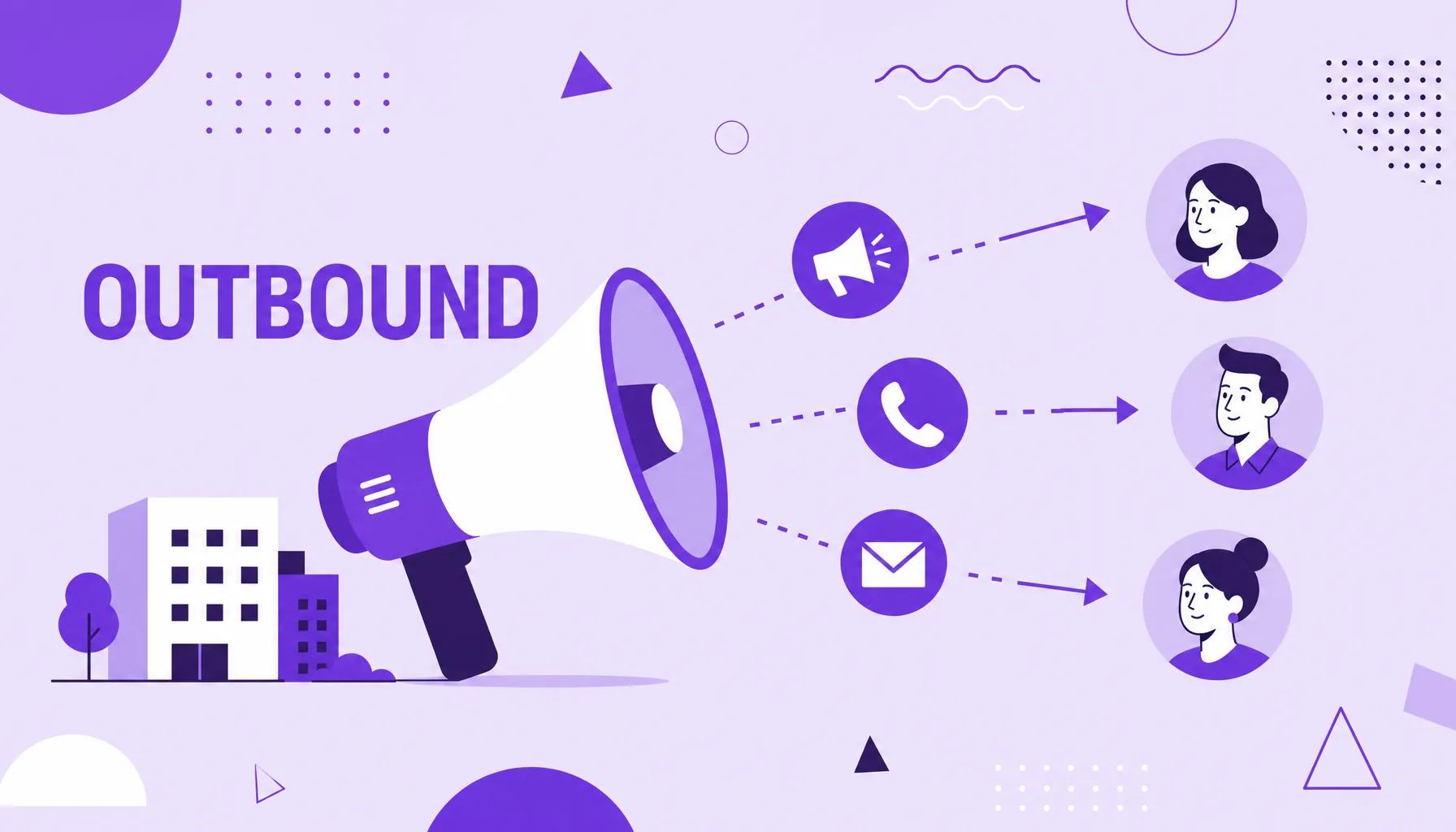
Outbound marketing é a estratégia em que a empresa toma a iniciativa e vai até o cliente, em vez de esperar ser encontrada. Ele inclui ações como:
- anúncios pagos em mídia e nas redes;
- ligações e e-mails de prospecção (cold call e cold e-mail);
- mala direta e telemarketing;
- feiras, eventos e patrocínios.
O que é outbound marketing
Outbound marketing é o conjunto de ações em que a empresa parte ativamente em direção ao cliente, apresentando sua oferta mesmo para quem não a procurou. É o marketing de interrupção clássico: a marca escolhe um público, insere sua mensagem no caminho dele e tenta captar a atenção ali, na hora.
Esse é o modelo mais tradicional de divulgação. Anúncios de TV, outdoors, ligações de vendas e e-mails de prospecção são todos exemplos de outbound. A lógica é ir atrás da demanda de forma direta, em vez de esperar que ela chegue.
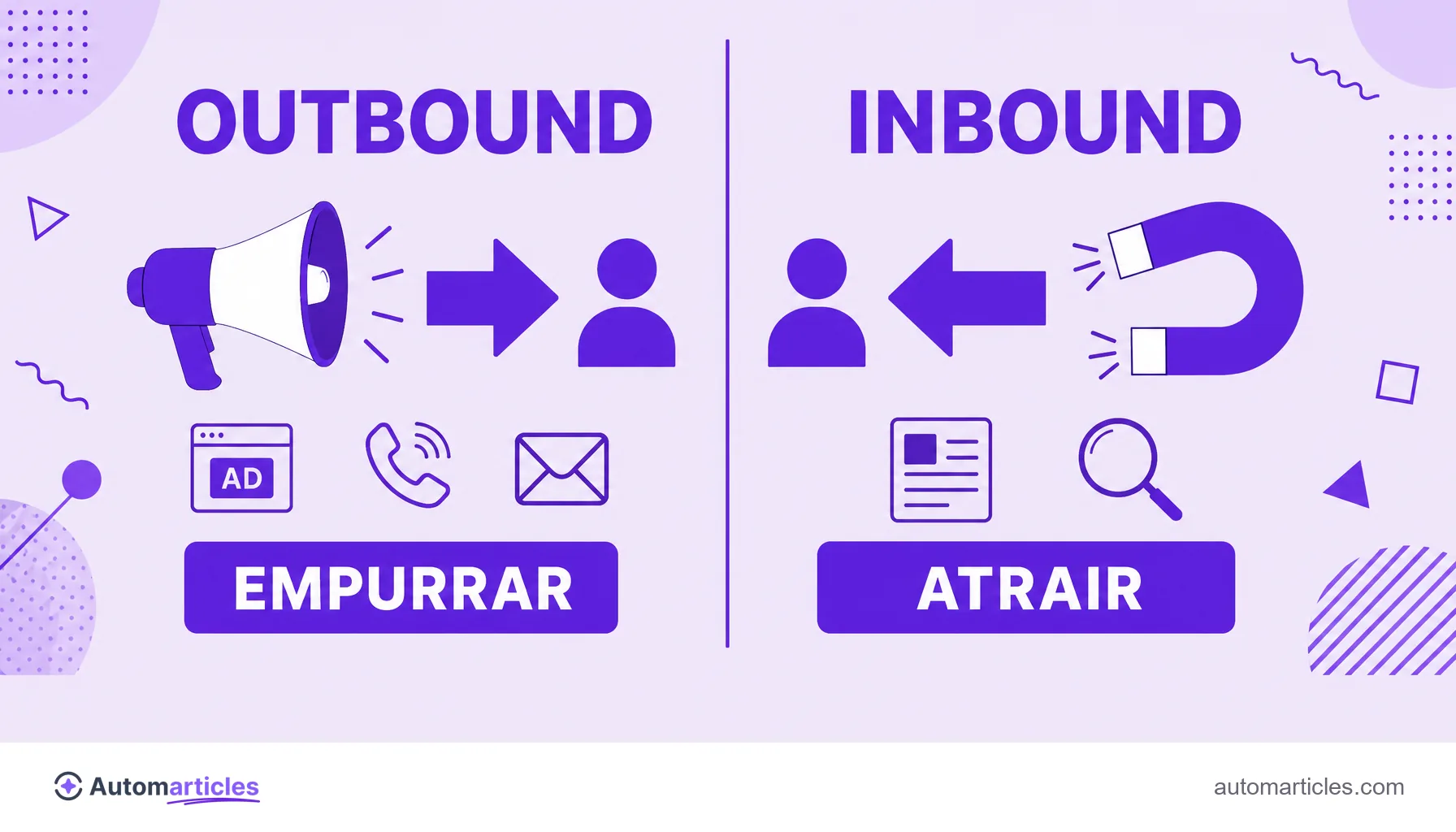
Por isso o outbound é frequentemente contrastado com o inbound marketing, em que é o cliente que encontra a empresa por meio de conteúdo e busca. Enquanto o inbound puxa o público, o outbound empurra a mensagem, e boa parte do seu resultado vem de tráfego pago e de prospecção ativa.
Como funciona o outbound marketing na prática
O processo de outbound costuma seguir um fluxo direto, do alvo até a conversão:
- Definição do público-alvo: escolher para quem falar, com base em perfil de cliente ideal e segmentação.
- Construção de lista ou segmentação de mídia: reunir contatos para prospecção ou configurar a segmentação dos anúncios.
- Abordagem ativa: disparar a mensagem por ligação, e-mail, anúncio ou visita.
- Qualificação: filtrar quem tem real interesse e transformar contatos em leads de verdade.
- Conversão: conduzir o lead qualificado até a venda, muitas vezes com apoio de um time comercial.
Como a iniciativa é da empresa, o outbound tende a gerar resultado rápido: é possível ligar o anúncio hoje e receber contatos amanhã. Em contrapartida, ele acompanha de perto o funil de vendas e exige acompanhamento constante, porque o fluxo para de render assim que a verba ou a prospecção param.
Outbound x inbound marketing
Inbound e outbound não são inimigos, mas partem de lógicas opostas. Um atrai, o outro aborda. A tabela resume as principais diferenças:
| Aspecto | Outbound marketing | Inbound marketing |
|---|---|---|
| Iniciativa | Da empresa (ativa) | Do cliente (passiva) |
| Abordagem | Interromper | Atrair |
| Velocidade | Resultado rápido | Resultado gradual |
| Custo por lead | Tende a ser mais alto | Tende a cair com o tempo |
| Exemplos | Anúncios, cold call, feiras | Conteúdo, SEO, e-mail |
Uma diferença sensível aparece no bolso. Como o inbound se apoia em ativos que continuam rendendo, ele costuma ter um custo de aquisição de cliente menor no médio prazo, enquanto o outbound paga por cada novo contato. Não por acaso, o marketing de conteúdo ganhou tanto espaço como alternativa mais barata de gerar demanda.
Exemplos e canais de outbound marketing
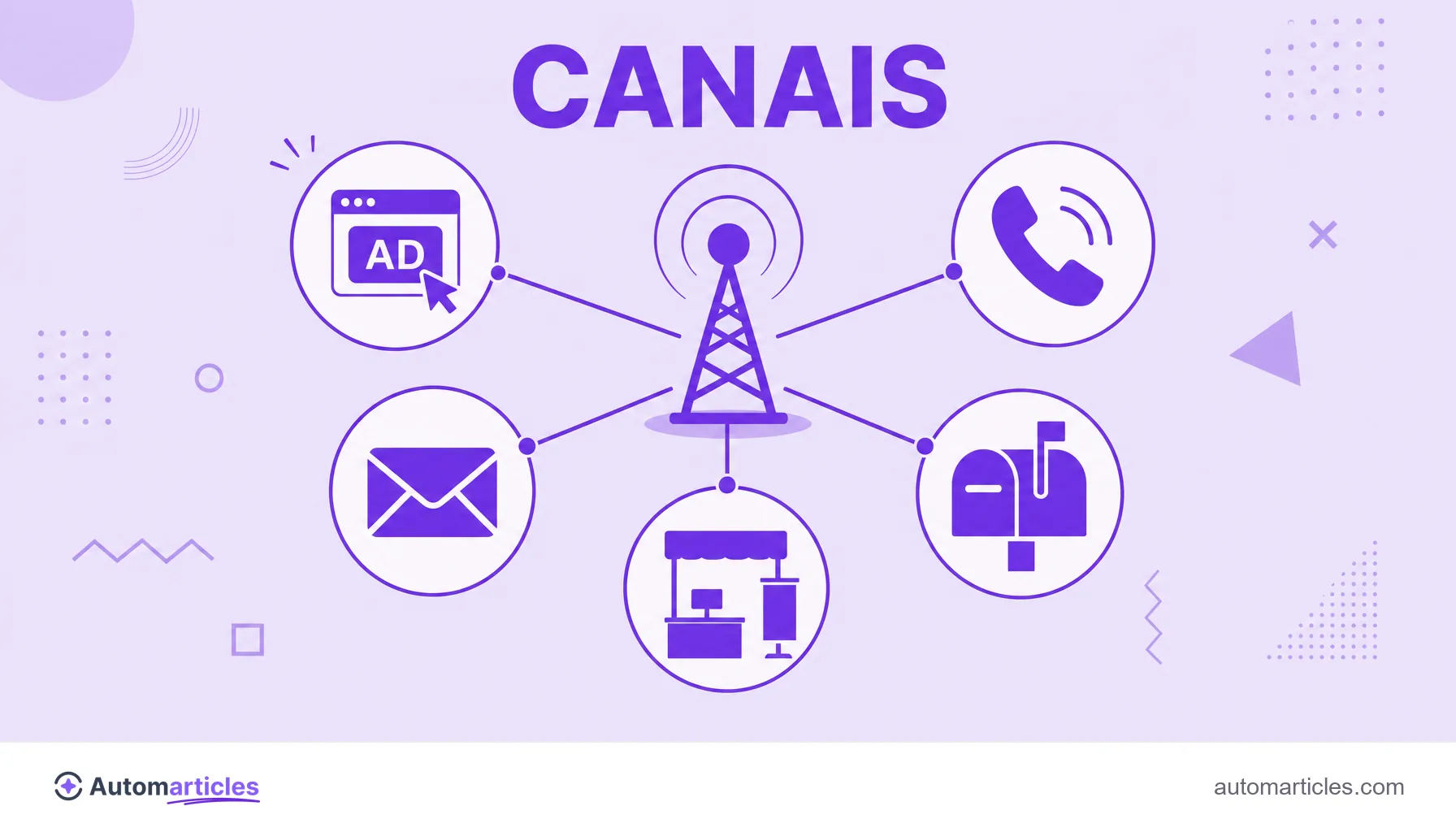
O outbound reúne canais bem variados, que vão do offline tradicional ao digital moderno:
- Anúncios pagos: mídia display, vídeo, redes sociais e anúncios de busca, que colocam a marca na frente do público.
- Cold call: ligações de prospecção para contatos que ainda não conhecem a empresa.
- Cold e-mail: e-mails de abordagem enviados a listas segmentadas.
- Mala direta e telemarketing: os formatos mais clássicos de contato ativo.
- Feiras e eventos: presença física para gerar contatos e apresentar produtos.
No digital, esses canais quase sempre levam o público para uma chamada para ação clara, como um formulário ou uma página de captura, para transformar a atenção comprada em contato registrado. Sem esse destino bem definido, o investimento em abordagem ativa se perde.
Vantagens e limitações do outbound marketing
O outbound tem forças claras: entrega velocidade, permite mirar um público específico e é previsível, já que dá para estimar quantos contatos cada real investido tende a trazer. Para lançamentos e metas de curto prazo, isso é valioso.
As limitações também são conhecidas. A taxa de conversão da abordagem fria é baixa: segundo levantamento da Cognism, a taxa média de sucesso de uma ligação fria (cold call) fica em torno de 2,3%, o que exige muito volume para gerar resultado. Some a isso o custo por contato mais alto e o fato de que o fluxo cessa quando o investimento para.
Ainda assim, dizer que o outbound morreu é exagero. Um estudo da RAIN Group, também citado pela Cognism, aponta que 82% dos compradores aceitam, ao menos ocasionalmente, uma reunião com vendedores que os procuram de forma ativa. Bem feito e segmentado, o outbound continua abrindo portas que o inbound sozinho levaria meses para alcançar.
Como combinar outbound e inbound na estratégia
Na prática, as empresas mais eficientes não escolhem entre um e outro, elas combinam os dois. A ideia é usar o outbound para gerar demanda no curto prazo e o inbound para construir um fluxo sustentável no longo prazo.
- Use o outbound para acelerar: anúncios e prospecção trazem contatos enquanto o conteúdo ainda está ganhando tração na busca.
- Use o inbound para baratear: conteúdo e SEO reduzem o custo por lead ao longo do tempo e nutrem quem ainda não está pronto para comprar.
- Faça um alimentar o outro: quem chega por anúncio pode ser nutrido com conteúdo, e quem chega pelo conteúdo pode receber uma abordagem comercial no momento certo.
O equilíbrio ideal varia conforme o negócio, o ticket e a maturidade da marca. O importante é enxergar outbound e inbound como peças complementares do mesmo funil, e não como estratégias rivais.