
Busca zero-click: o que é e como ter visibilidade sem clique no seu site
Por Tiago CostaAtualizado em 2 de julho de 2026
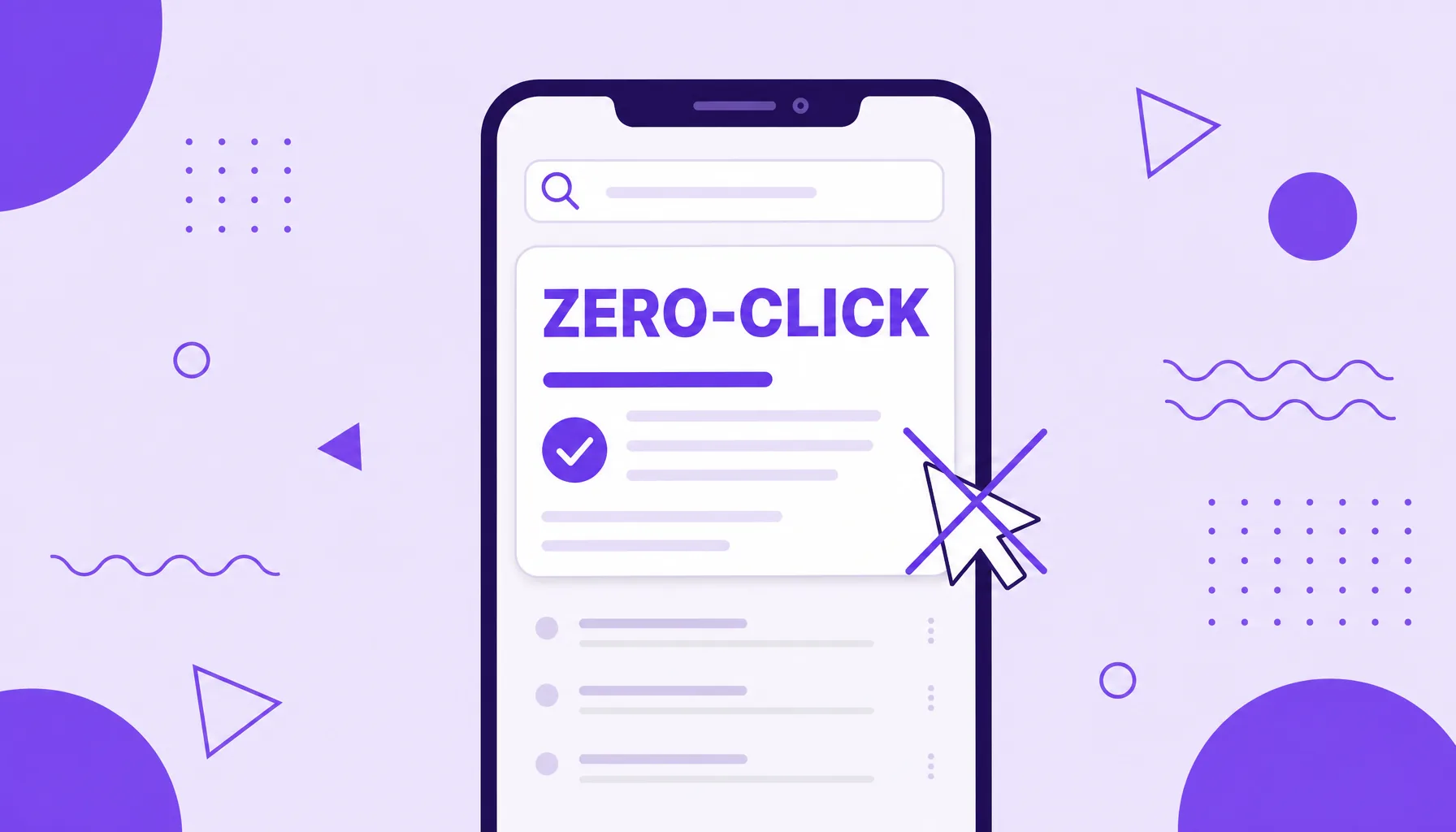
Uma busca zero-click é aquela em que o usuário encontra a resposta sem clicar em nenhum site. Ela acontece porque:
- o buscador mostra a resposta direto na SERP (previsão do tempo, cálculos, definições);
- recursos como featured snippets e painel de conhecimento resolvem a dúvida ali mesmo;
- os AI Overviews resumem várias fontes no topo da página;
- a pessoa lê a informação e não precisa entrar em nenhum link.
O que é a busca zero-click
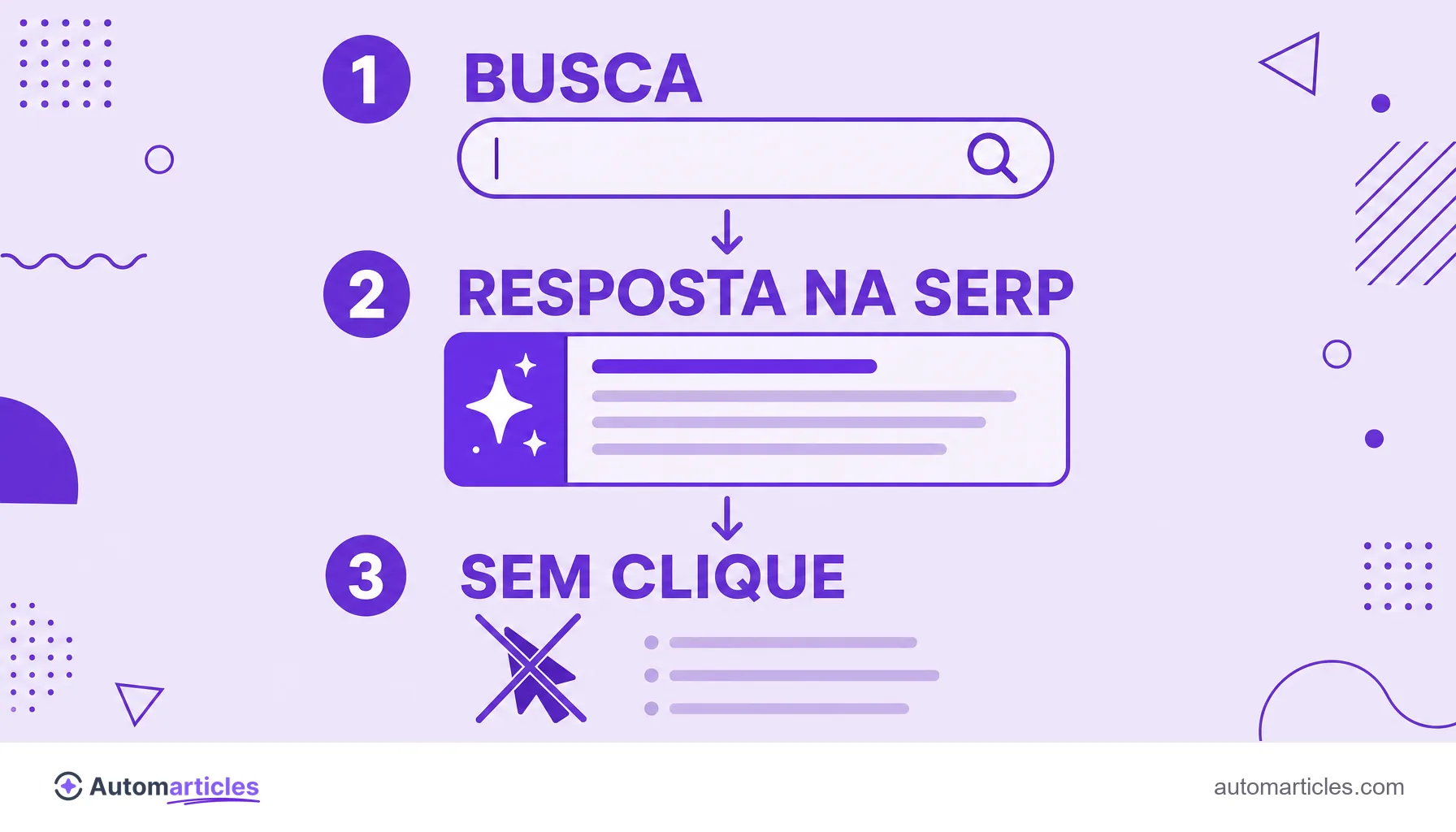
Uma busca zero-click, ou busca sem clique, é toda pesquisa que se encerra na própria tela de resultados, sem que a pessoa precise clicar em um link para chegar à resposta. Você pergunta as horas em outro fuso, a cotação do dólar ou a altura de uma montanha, e o Google devolve o dado direto na SERP, a página de resultados.
Esse comportamento não é novo, mas se intensificou muito. Antes, o buscador funcionava como uma ponte que mandava você para outro site. Hoje, ele tenta cada vez mais ser o destino final, respondendo ali mesmo e reduzindo a necessidade do clique.
Um aviso para quem pesquisa o termo em inglês: zero-click também nomeia um tipo de ataque cibernético (zero-click attack), que não tem relação nenhuma com SEO. Neste glossário, zero-click significa sempre a busca resolvida sem clique, um conceito de marketing de conteúdo e busca.
Por que a busca sem clique não para de crescer
A busca zero-click cresce porque o próprio buscador tem interesse em manter o usuário na página: quanto mais rápido ele resolve a dúvida, mais satisfeito o usuário fica e mais tempo passa no ecossistema do Google. Cada novo recurso de resposta direta empurra os resultados orgânicos para baixo e captura parte da atenção.
Os números mostram o tamanho do fenômeno. Segundo o estudo de busca sem clique da SparkToro, a cada 1.000 buscas feitas no Google nos Estados Unidos, apenas cerca de 360 resultam em cliques para sites da web aberta. O restante ou termina sem clique nenhum, ou leva o usuário para outras propriedades do próprio Google.
Com a chegada dos AI Overviews, os resumos gerados por inteligência artificial no topo da busca, essa tendência ganhou ainda mais força. A resposta vem pronta e citando fontes, e muitas vezes o usuário nem rola a página até os links tradicionais.
Os formatos que geram zero clique
A busca sem clique não é uma coisa só: ela nasce de vários recursos da SERP que entregam a resposta na hora. Os principais são:
- Featured snippet: a posição zero, um bloco em destaque que extrai a resposta de uma página e a mostra antes do primeiro resultado orgânico.
- AI Overview: o resumo de IA que sintetiza várias fontes e responde direto no topo.
- Painel de conhecimento: a caixa lateral com dados sobre pessoas, empresas e lugares, montada a partir do grafo de conhecimento do Google.
- People Also Ask: a sanfona de People Also Ask, com perguntas relacionadas que se expandem com respostas curtas.
- Respostas instantâneas: previsão do tempo, calculadora, conversão de moedas, horários e placares, resolvidos sem sair da página.
Repare que quase todos esses formatos extraem o conteúdo de sites que fizeram um bom trabalho de SEO. Ou seja, o clique some, mas a fonte da resposta ainda é o seu conteúdo, e é aí que mora a nova oportunidade.
Zero-click é o fim do tráfego orgânico?
Não, mas muda as regras do jogo. É verdade que muitas buscas informacionais simples, do tipo que só queriam um dado rápido, deixam de gerar visitas. Perder esse tipo de clique, porém, não é tão grave: eram visitantes que sairiam do site em segundos.
O que acontece é uma mudança de foco. Em vez de mirar todo e qualquer clique, o jogo passa a valorizar duas coisas: aparecer e ser citado dentro das respostas (ganhando visibilidade de marca mesmo sem o clique) e conquistar os cliques que ainda importam, os de buscas mais complexas e comerciais, onde o usuário realmente precisa entrar em um site para decidir. Nessas buscas, o tráfego orgânico segue vivo e valioso.
Na prática, a marca que aparece com frequência nos resumos e destaques constrói autoridade e memória, mesmo quando a pesquisa termina sem clique. A visibilidade vira uma moeda tão importante quanto a visita.
Como ter visibilidade na busca zero-click: GEO e AEO
Se a resposta é montada a partir de conteúdos bem estruturados, o caminho é justamente virar a fonte que o buscador escolhe citar. Duas frentes ajudam nisso:
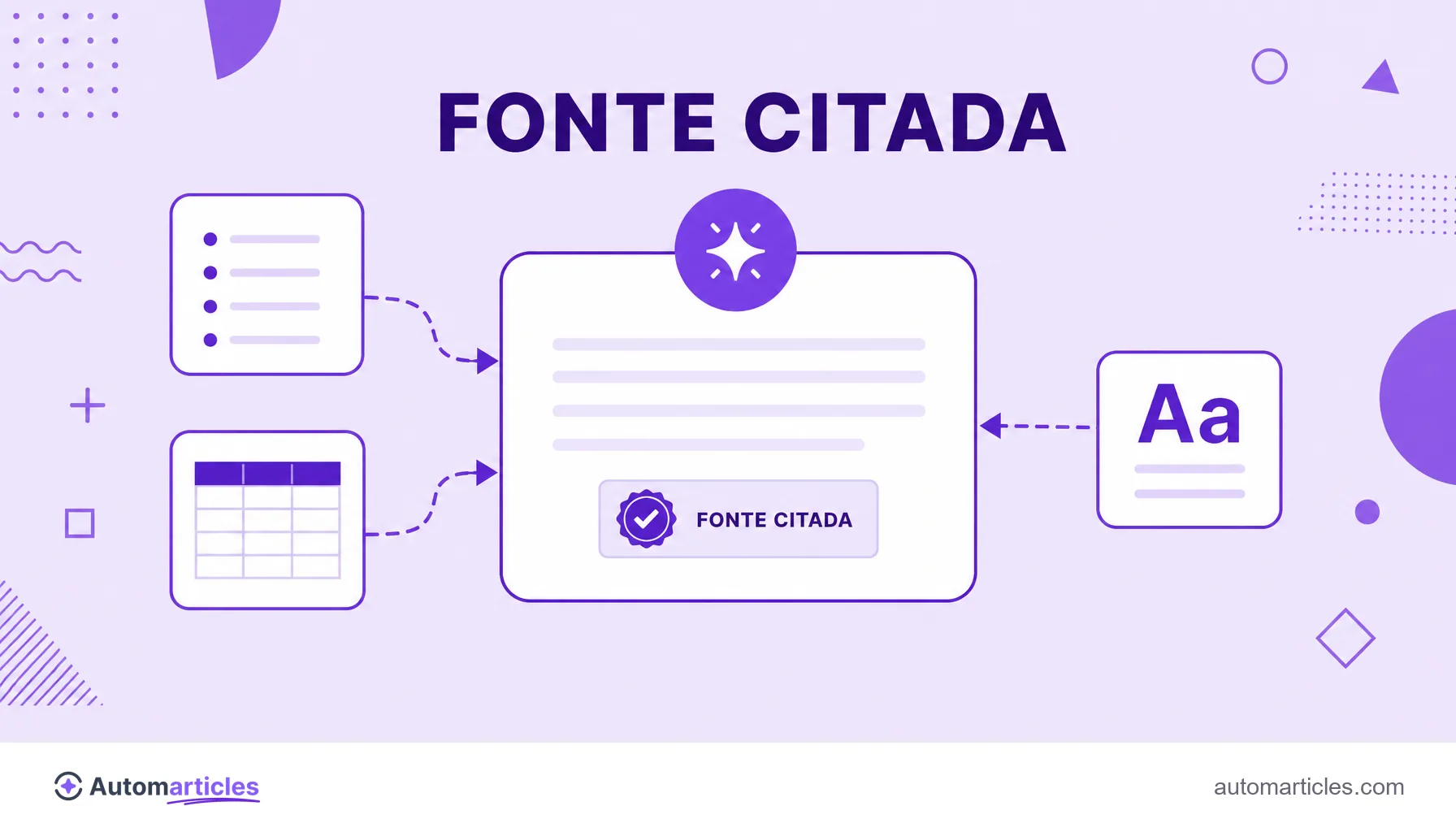
- Responda de forma direta e citável: comece as seções respondendo a pergunta em uma ou duas frases, no formato que os destaques costumam extrair.
- Otimize para GEO: a otimização para buscadores generativos (GEO) foca em ser mencionado dentro das respostas de IA, com dados claros e fontes confiáveis.
- Trabalhe o AEO: a otimização para motores de resposta (AEO) estrutura o conteúdo em perguntas e respostas objetivas, o formato que assistentes e IAs preferem.
- Use dados e listas: números com fonte, tabelas e listas curtas são mais fáceis de extrair e citar do que parágrafos longos e cheios de rodeios.
O objetivo muda de sutilmente de posição para presença: você quer estar dentro da resposta, com o nome da sua marca associado ao dado. Assim, mesmo na busca sem clique, o seu conteúdo continua trabalhando por você.
Zero-click content: a estratégia além do Google
O conceito de zero clique também aparece fora da busca, no chamado zero-click content. A ideia é entregar valor completo dentro da própria plataforma (um post no LinkedIn, um carrossel no Instagram, uma thread) sem obrigar o usuário a clicar em um link para receber a informação.
A lógica é a mesma da busca zero-click: as plataformas premiam quem mantém o usuário nelas e reduzem o alcance de posts que só empurram links para fora. Entregar a essência ali dentro, e usar o link como complemento e não como pedágio, tende a gerar mais alcance, engajamento e reconhecimento de marca.
No fim, tanto na busca quanto nas redes, a mensagem é parecida: aceite que boa parte do consumo acontece sem clique e use isso a seu favor, aparecendo bem onde a atenção realmente está.