
Cita por IA: qué es y cómo hacer que los asistentes listen tu sitio como fuente
Por Tiago CostaActualizado el 2 de julio de 2026

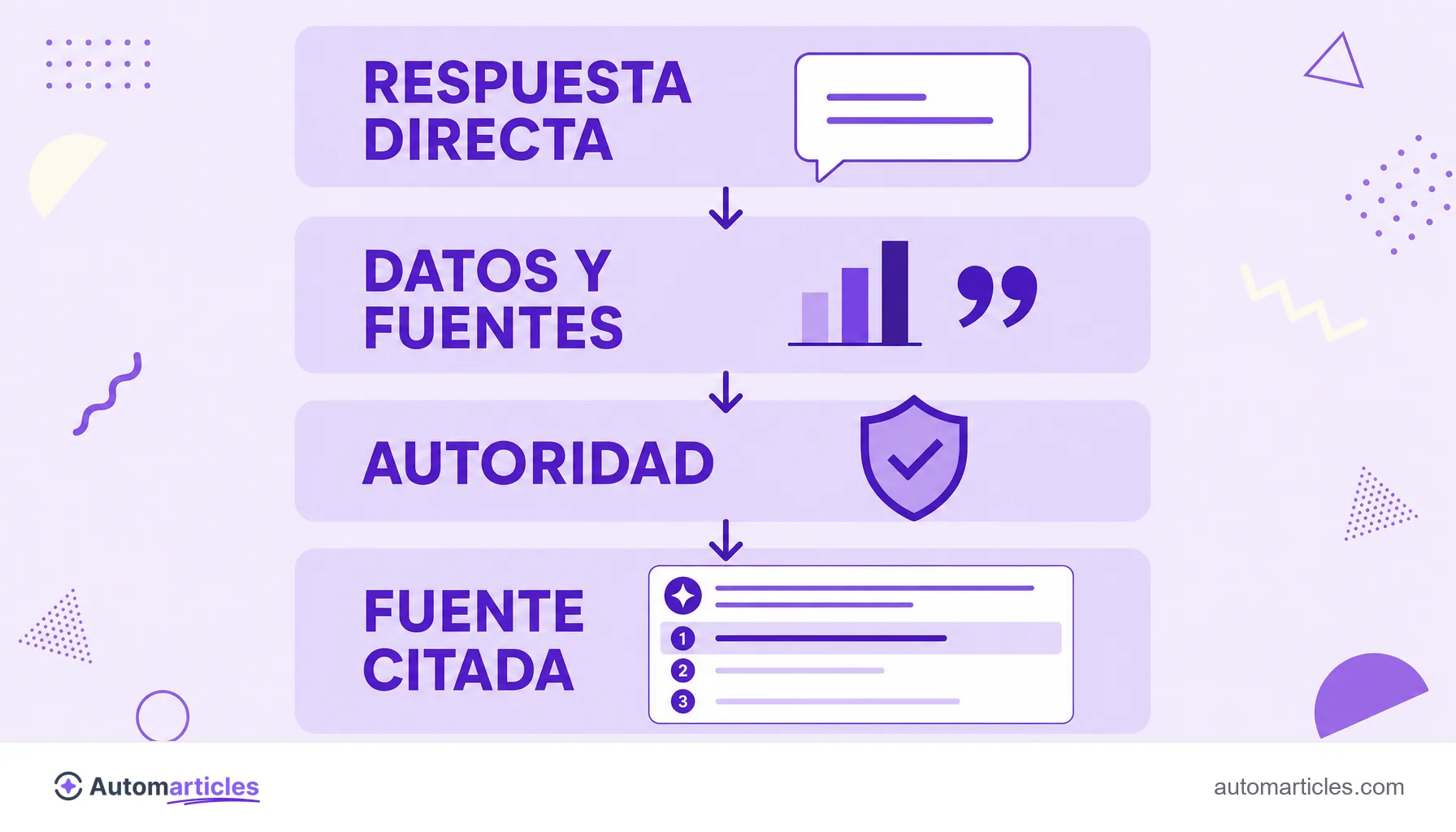
Cita por IA es cuando un asistente lista tu sitio como fuente de la respuesta que generó. Para ser citado, el contenido necesita:
- responder a la pregunta de forma clara y directa;
- traer datos e información confiables;
- ser fácil de leer y entender para la máquina;
- tener autoridad reconocida en el tema.
Qué es la cita por IA
Cita por IA es la referencia que un asistente de inteligencia artificial hace a una fuente específica al montar la respuesta. En lugar de solo escribir un texto, el modelo muestra de dónde sacó la información, normalmente con enlaces o notas numeradas al lado del contenido. Cuando tu sitio aparece ahí, has sido citado.
Este comportamiento se volvió común en herramientas como Perplexity, ChatGPT con búsqueda y los AI Overviews de Google, que muestran las fuentes usadas en la respuesta. La cita funciona como el crédito de la IA: es el reconocimiento de que ese contenido ayudó a responder a la pregunta.
Conseguir citas es uno de los objetivos centrales del GEO y de la optimización para motores generativos. Si la gente confía en la respuesta de la IA, ser la fuente citada coloca tu marca en el lugar de referencia de ese asunto.
Cita por IA y mención de marca: cuál es la diferencia
Cita y mención parecen lo mismo, pero no lo son. Conviene separarlas, porque cada una trae una ganancia diferente:
| Aspecto | Cita por IA | Mención de marca |
|---|---|---|
| Qué es | Tu sitio listado como fuente de la respuesta | Tu nombre citado en el texto de la respuesta |
| Suele tener enlace | Sí, generalmente | No siempre |
| Ganancia principal | Crédito, autoridad y un posible clic | Reconocimiento de la marca |
Las dos pueden ocurrir juntas o por separado: se puede ser citado como fuente sin que el nombre de la marca aparezca, y tener una mención de marca sin ningún enlace. Por eso, seguir cita y mención una al lado de la otra da el retrato completo de tu visibilidad en IA.
Cita por IA y backlink tradicional: qué cambia
En el SEO clásico, la gran moneda de confianza es el backlink. En la búsqueda con IA, parte de ese papel pasa a la cita. La tabla muestra cómo se comparan los dos:
| Aspecto | Cita por IA | Backlink tradicional |
|---|---|---|
| Qué es | Tu sitio listado como fuente dentro de una respuesta de IA | Un enlace de otro sitio que apunta al tuyo |
| Dónde aparece | En la respuesta del asistente | En el contenido de otra página |
| Señal de | Relevancia y confianza para el modelo de IA | Autoridad para el buscador |
| Genera clic directo | A veces, cuando la respuesta trae el enlace | Sí, el enlace lleva a tu sitio |
| Cómo se consigue | Claridad, datos y cobertura del tema | Contenido que otros quieren referenciar |
Los dos no compiten. Un buen perfil de backlinks suele ayudar a que tu contenido posicione, y posicionar bien aumenta la probabilidad de convertirte en fuente citada por la IA. La cita por IA no sustituye al backlink, añade una nueva capa de reputación, conquistada dentro de la propia respuesta.
Cómo elige la IA las fuentes que cita
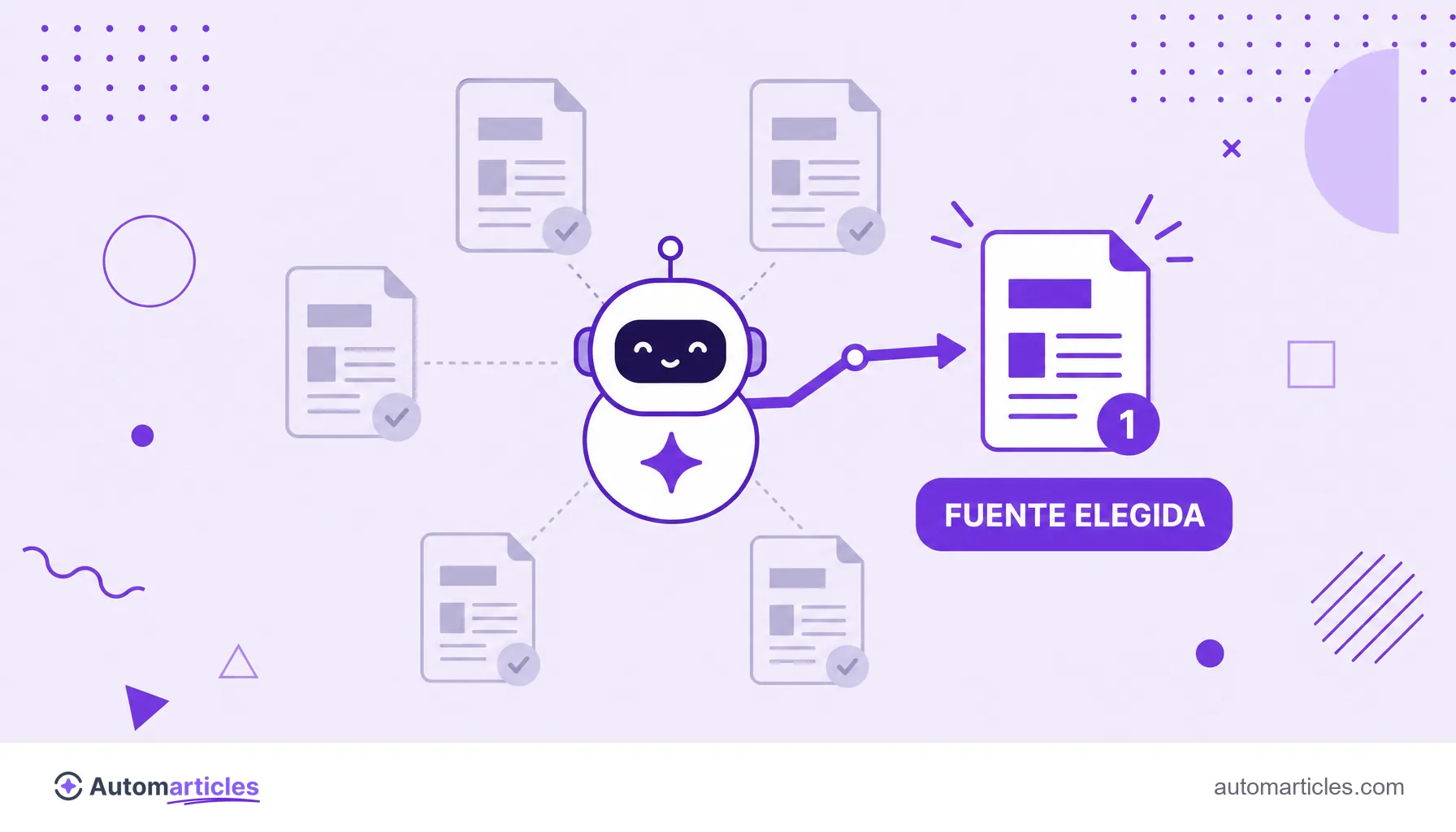
Cada motor tiene su forma de elegir fuentes, pero hay un patrón: buscan contenido relevante, confiable y fácil de sintetizar. Algunos se apoyan bastante en lo que ya posiciona bien en Google, otros no tanto.
Un estudio de Semrush midió esa relación y encontró grandes diferencias entre plataformas: Perplexity mostró más del 91% de superposición de dominios con los diez primeros resultados de Google, mientras que ChatGPT tuvo la menor coincidencia entre las fuentes que cita y el ranking orgánico. La lectura práctica es clara: posicionar bien ayuda a ser citado en algunos motores, pero no garantiza cita en todos.
Esto refuerza por qué un buen SEO sigue siendo base, y no sustituto, del trabajo de cita. Aparecer entre los primeros resultados aumenta la probabilidad de convertirse en fuente, pero cada asistente aún aplica sus propios criterios de confianza y claridad al elegir a quién citar.
Cómo hacer que los asistentes citen tu sitio
Ser citado es, en buena parte, facilitarle la vida a la máquina. Un paso a paso que funciona:
- Responde la pregunta enseguida: abre cada sección con una respuesta directa, en el formato que premia la optimización para motores de respuesta, fácil de extraer.
- Trae datos y fuentes: los números con origen claro aumentan la confianza y la probabilidad de que el contenido se vuelva referencia.
- Estructura el contenido: títulos, listas, tablas y datos estructurados ayudan a la IA a entender y recortar la respuesta.
- Cubre el tema a fondo: responder también a las preguntas vecinas aumenta la relevancia a ojos del modelo.
- Mantén el contenido actualizado: la información reciente y correcta se cita más, porque la IA evita fuentes desactualizadas.
Conviene recordar por qué esto importa tanto ahora. Un estudio del Pew Research Center mostró que, cuando hay un resumen de IA en la página, los usuarios hacen clic en algún enlace en solo el 8% de las visitas. Con el clic más raro, ser la fuente citada dentro de la respuesta pasa a ser el premio.
Cita por IA y cita académica: cuidado con el término
La expresión cita por IA genera confusión porque describe dos asuntos diferentes. Antes de buscar, conviene saber cuál de ellos buscas:
- Cita por IA en GEO: es el sentido de este glosario, cuando la IA lista tu sitio como fuente de la respuesta.
- Citar un texto hecho por IA: es la norma académica de cómo referenciar un contenido generado por IA en un trabajo, algo tratado por estándares como APA y MLA.
- Generador de citas con IA: son herramientas que arman referencias bibliográficas de forma automática, otro uso del término.
Para trabajos académicos, la regla general es citar la herramienta usada, la versión y la fecha de acceso, verificando siempre el estándar exigido por tu institución. En este glosario, sin embargo, cita por IA se refiere siempre a la optimización de contenido para ser listado como fuente por los asistentes.
Cómo seguir tus citas por IA
Como cada respuesta se genera al momento, seguir las citas exige método. Una forma práctica:
- Lista preguntas de tu nicho: reúne las dudas reales de los clientes y lánzalas en los principales asistentes.
- Verifica las fuentes mostradas: comprueba si tu sitio aparece entre los enlaces o notas de fuente de la respuesta.
- Compara con competidores: mira quién es citado en tu lugar y por qué.
- Sigue la evolución: repite a lo largo del tiempo, ya que las fuentes cambian de una consulta a otra.
Con ese seguimiento, descubres en qué temas ya eres fuente confiable para la IA y dónde todavía necesitas reforzar claridad, datos y autoridad para conseguir la cita.