
Backlink: o que é e qual a importância para SEO
Por Tiago CostaAtualizado em 2 de julho de 2026
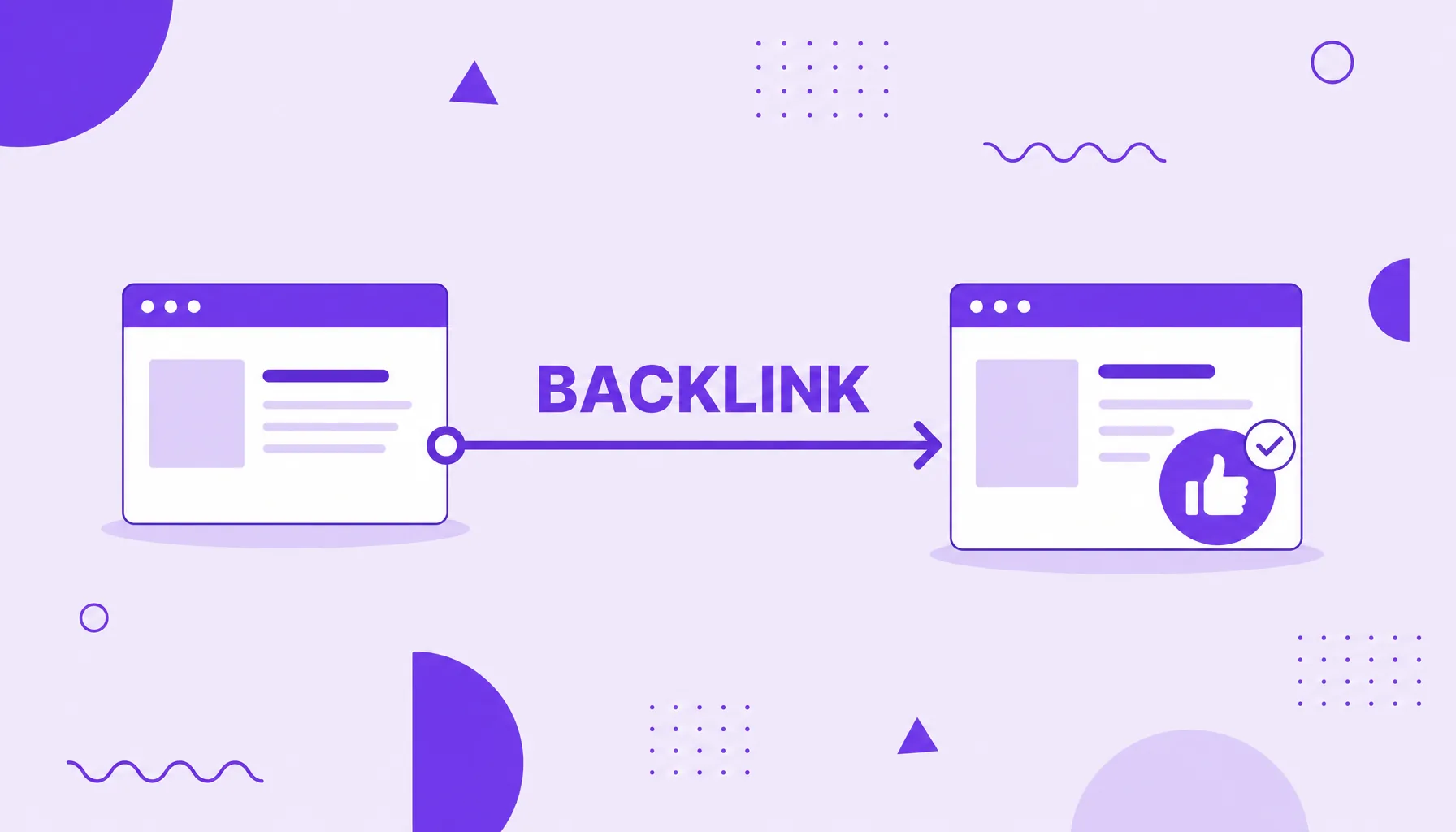
Backlink é um link de outro site que aponta para uma página sua. Ele importa porque:
- funciona como um voto de confiança para o Google;
- ajuda a transferir autoridade entre as páginas;
- influencia diretamente a posição nos resultados de busca;
- vale mais quando vem de sites relevantes e confiáveis.
O que é um backlink e por que ele vale como voto de confiança
Um backlink (ou link de entrada) é qualquer link que sai de um site e aponta para uma página de outro site. Se um blog cita o seu artigo e insere um link para ele, você acaba de ganhar um backlink. Do ponto de vista do seu site, é um link recebido; do ponto de vista de quem linkou, é um link que sai para fora.
A ideia por trás do valor de um backlink é antiga e simples: se muitas pessoas apontam para uma página, é provável que ela seja útil. Foi esse raciocínio que deu origem ao PageRank, o algoritmo que colocou o Google à frente dos concorrentes ao tratar cada link como um voto. E um voto de um site relevante e confiável pesa muito mais do que dezenas de votos de sites duvidosos.
Como esses votos vêm de fora do seu domínio, os backlinks são o pilar do SEO off-page, a parte da otimização que acontece longe das suas próprias páginas e que você não controla sozinho.
Por que os backlinks são tão importantes para o SEO
Backlinks continuam entre os sinais mais fortes de ranqueamento do Google, e os dados ajudam a entender o porquê. Em um estudo com 11,8 milhões de resultados de busca, a Backlinko observou que a página na primeira posição tem, em média, 3,8 vezes mais backlinks do que as páginas das posições 2 a 10.
Ao mesmo tempo, conquistar links é difícil, e é justamente isso que os torna valiosos. A Ahrefs, ao analisar mais de um bilhão de páginas, descobriu que 66,31% delas não têm nenhum backlink. Ou seja, a maior parte do conteúdo da web nunca recebe um único link, e quem consegue sai na frente.
Na prática, um bom perfil de backlinks traz três ganhos: aumenta a autoridade do domínio, ajuda o Google a descobrir e indexar suas páginas mais rápido e melhora as posições para as palavras que você quer trabalhar. Não à toa, links de qualidade costumam ser um dos maiores impulsionadores de tráfego orgânico.
Tipos de backlink: dofollow, nofollow e mais
Nem todo backlink é igual. A diferença mais importante está no atributo rel do link, que diz ao buscador se ele deve ou não passar autoridade para o destino:
| Tipo de link | O que significa |
|---|---|
| Dofollow | Link comum, sem restrição. Transmite autoridade e é o que mais contribui para o ranking. |
| Nofollow | Traz o atributo rel="nofollow", que pede ao Google para não repassar autoridade. Ainda gera tráfego e reconhecimento. |
| UGC | Marcado com rel="ugc", indica links criados por usuários, como comentários e fóruns. |
| Sponsored | Marcado com rel="sponsored", identifica links pagos, de anúncios ou patrocínios. |
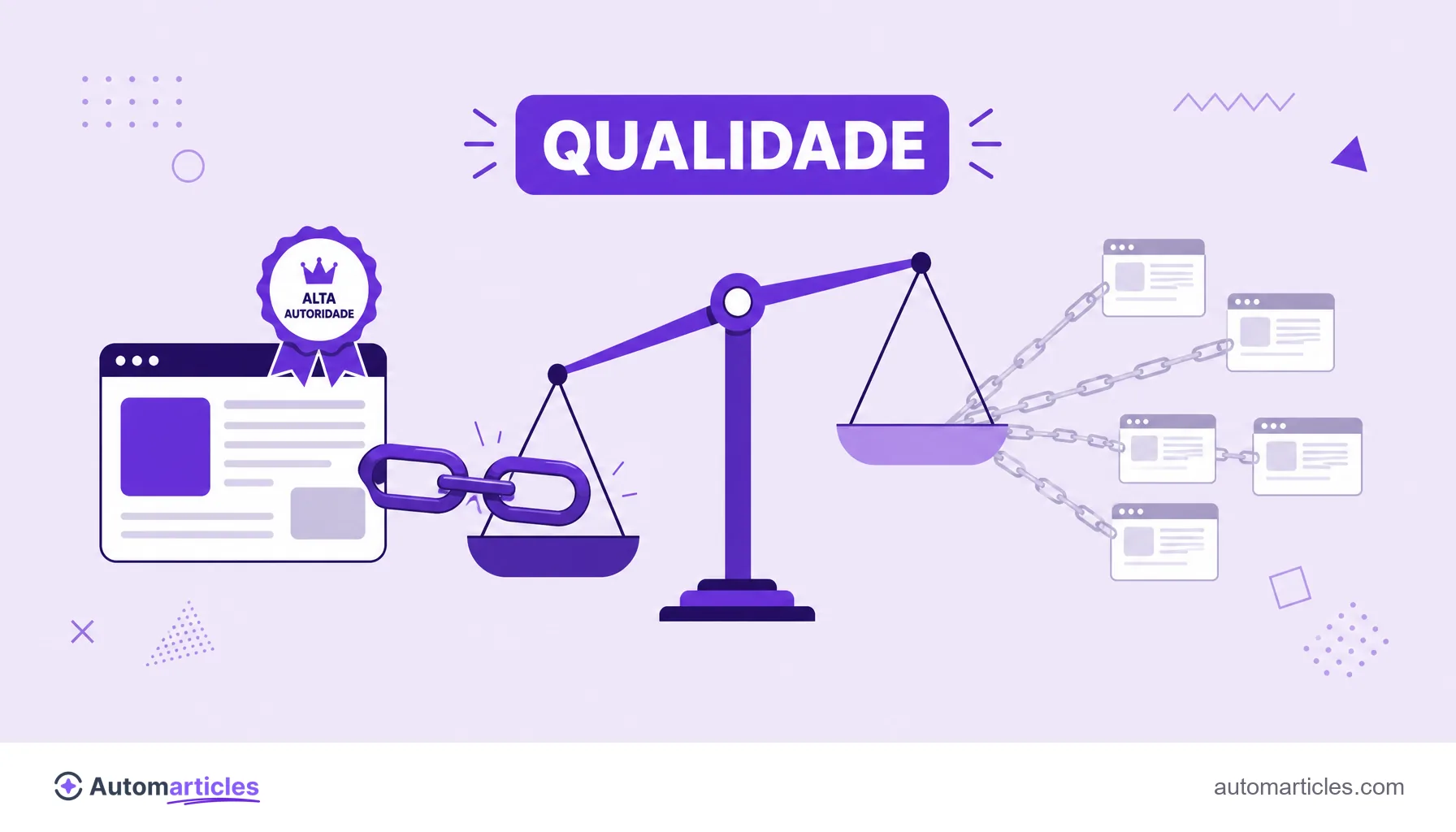
Também vale separar por origem: um link editorial, dado de forma espontânea dentro de um conteúdo, tem muito mais valor do que um link de rodapé, de diretório ou de comentário. E a qualidade sempre supera a quantidade: poucos backlinks fortes valem mais do que centenas de links fracos.
O que faz um backlink ser de qualidade
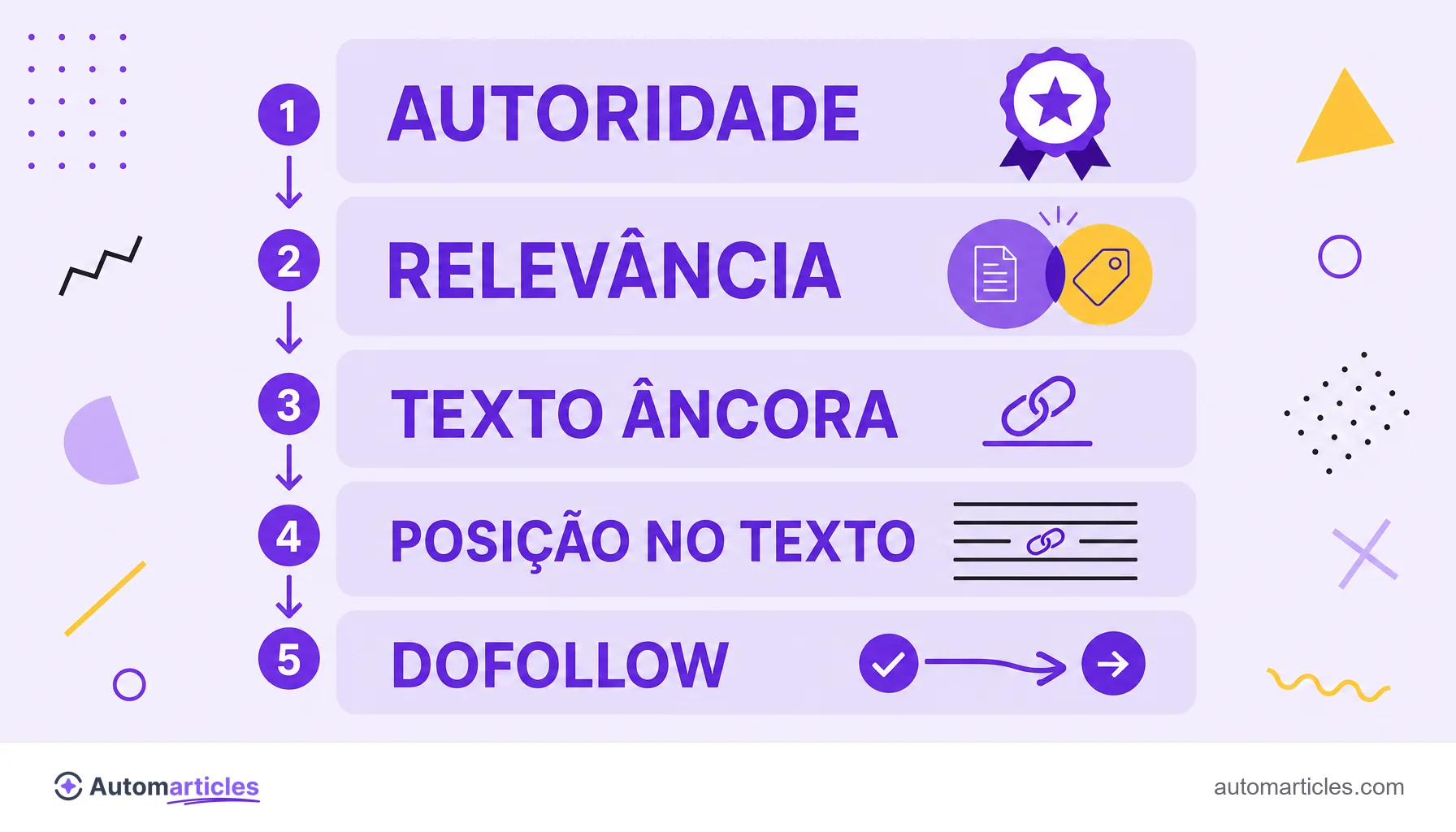
Se um voto vale mais quando vem de alguém respeitado, o mesmo acontece com os links. Alguns fatores separam um backlink poderoso de um irrelevante:
- Autoridade da origem: links de sites fortes pesam mais. Métricas como o Domain Rating ajudam a estimar essa força.
- Relevância temática: um link de um site do mesmo nicho vale mais do que um link aleatório, sem relação com o seu tema.
- Texto âncora: o texto âncora, a parte clicável do link, dá contexto ao Google sobre o assunto da página de destino.
- Posição no conteúdo: um link dentro do corpo do texto, cercado de conteúdo relacionado, vale mais do que um link perdido no rodapé.
- Atributo do link: um link dofollow transmite autoridade, enquanto um nofollow serve mais para tráfego e marca.
A soma desses fatores é o que define o impacto real de cada backlink no seu ranking. Por isso um único link muito bom pode valer mais do que uma enxurrada de links fracos.
Como conseguir backlinks: estratégias de link building
O trabalho de conquistar links de forma consistente se chama link building. Não existe fórmula mágica, mas algumas estratégias funcionam bem quando aplicadas com paciência:
- Crie conteúdo digno de link: guias completos, dados originais, estudos e ferramentas gratuitas são os formatos que mais atraem links naturais.
- Faça guest posts: escrever um guest post para um site relevante do seu setor rende um link e ainda apresenta sua marca a um novo público.
- Aposte em assessoria digital: ofereça dados, opiniões e histórias a jornalistas e criadores para virar fonte citada com link.
- Recupere menções sem link: quando alguém cita sua marca sem linkar, um pedido educado costuma resolver.
Um alerta importante: fuja de atalhos como comprar links, participar de link farms ou montar uma rede de blogs privados (PBN). Essas táticas violam as diretrizes do Google e podem render uma penalização. Se o seu site já acumulou links tóxicos, a ferramenta de disavow permite pedir que o Google os ignore.
Como saber se o seu site tem backlinks
Você não precisa adivinhar quantos e quais links apontam para o seu site. Há ferramentas feitas para isso:
- Google Search Console: gratuito, mostra na seção de Links os principais domínios que apontam para o seu site e as páginas mais linkadas.
- Ahrefs, Semrush e Moz: ferramentas pagas com relatórios detalhados de perfil de links, texto âncora, autoridade das origens e comparação com concorrentes.
- Verificadores gratuitos: várias dessas plataformas oferecem uma versão limitada para uma checagem rápida.
Monitorar esse perfil com regularidade ajuda a entender o que funciona, identificar links tóxicos a tempo e descobrir de onde vêm os melhores links para repetir a estratégia.