
GEO (Generative Engine Optimization): o que é e como ser citado nas buscas com IA
Por Tiago CostaAtualizado em 2 de julho de 2026

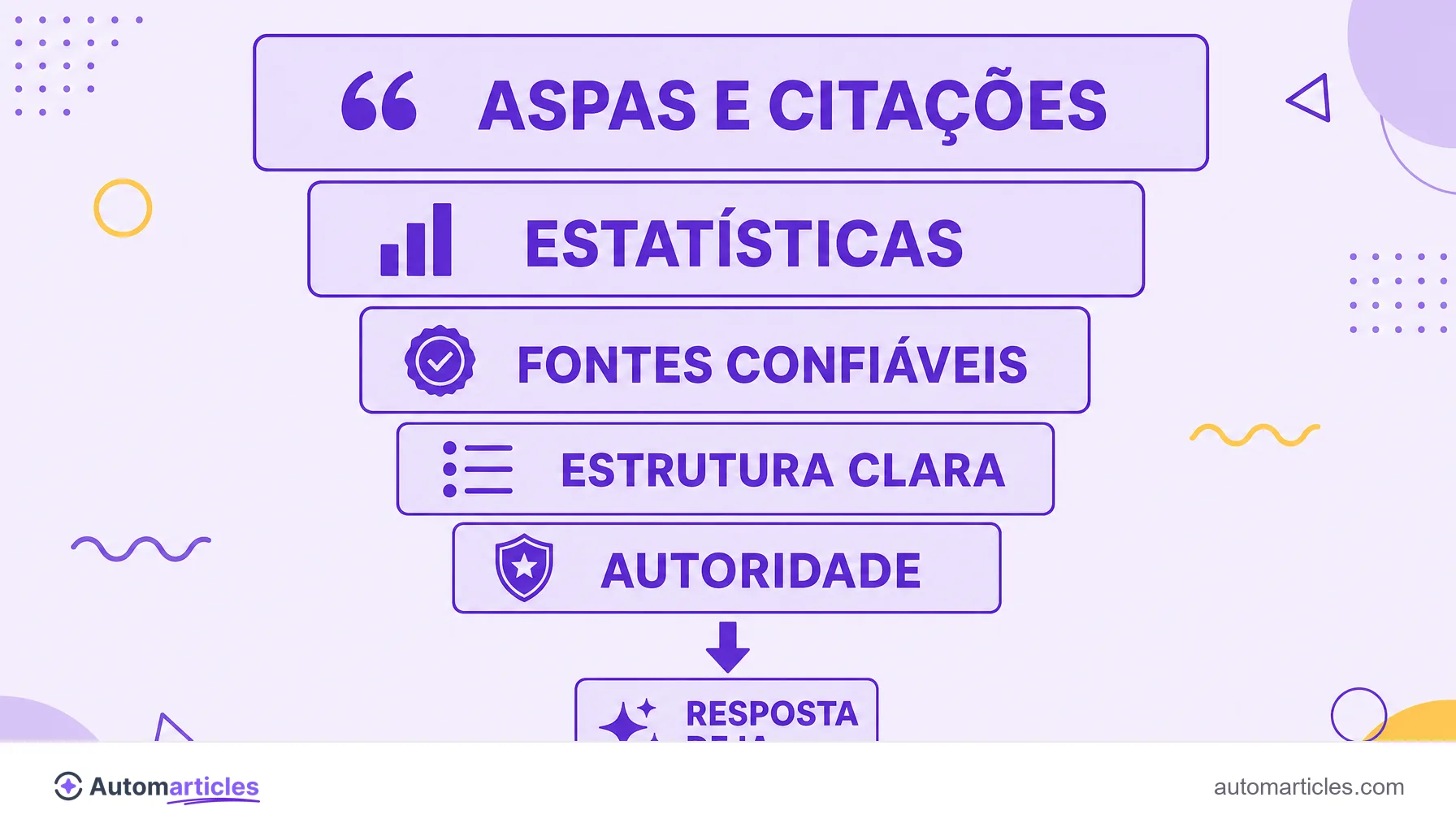
Generative Engine Optimization (GEO) é a otimização de conteúdo para ser citado por buscadores de IA. Na prática, ela combina:
- respostas diretas e fáceis de extrair;
- estatísticas, citações e fontes confiáveis;
- estrutura clara, com títulos e listas;
- sinais de autoridade e reputação da marca.
O que é Generative Engine Optimization
Generative Engine Optimization, ou otimização para motores generativos, é o conjunto de práticas que aumenta a chance de um conteúdo ser usado e mencionado nas respostas geradas por inteligência artificial. É o nome completo por trás da sigla GEO, o termo curto que você encontra na maioria dos textos sobre o assunto.
A diferença em relação à busca tradicional está no formato da resposta. Num motor de busca clássico, o usuário recebe uma lista de links e decide onde clicar. Num motor generativo, a IA lê muitas páginas e devolve um texto único, citando algumas fontes. O GEO trabalha para que a sua página seja uma dessas fontes citadas.
Por isso o conceito costuma aparecer ao lado da busca generativa e de siglas vizinhas como AEO e SEO, todas girando em torno da mesma virada: a IA passou a mediar boa parte das buscas.
De onde veio o termo Generative Engine Optimization
O termo nasceu na academia. Ele foi cunhado em um estudo apresentado na conferência KDD 2024, com autores de Princeton, Georgia Tech, do Allen Institute for AI e do IIT Delhi, que testaram formas de aumentar a presença de um conteúdo dentro das respostas de IA.
Os resultados foram animadores. Segundo o artigo original de Generative Engine Optimization, técnicas específicas elevaram a visibilidade de um conteúdo em até 40% nas respostas geradas. As táticas de maior impacto foram adicionar estatísticas, incluir citações e referenciar fontes confiáveis.
O tema ganhou urgência com a mudança no comportamento de busca. O Gartner projetou que o volume de buscas tradicionais deve cair cerca de 25% até 2026, à medida que assistentes e chatbots de IA absorvem parte das consultas. Se menos gente digita no buscador, ser citado dentro da resposta da IA passa a valer ouro.
GEO, SEO e AEO: como as siglas se encaixam
O vocabulário da otimização cresceu rápido e as siglas se confundem. Vale separar cada uma:
| Sigla | Foco | Objetivo |
|---|---|---|
| SEO | Buscadores tradicionais | Ranquear entre os links |
| GEO | Motores generativos | Ser citado na resposta gerada |
| AEO | Motores de resposta e assistentes | Virar a resposta direta |
Na prática, GEO e otimização para motores de resposta se sobrepõem bastante. O importante é a ideia comum: um bom SEO segue sendo a base, e o GEO adiciona uma camada de clareza, dados e autoridade voltada para a forma como os modelos leem e reaproveitam o conteúdo.
Estratégias de Generative Engine Optimization
Otimizar para motores generativos é, em boa parte, escrever de um jeito que a IA consiga extrair e confiar. As estratégias com melhor retorno, segundo o estudo que criou o termo, foram justamente as que reforçam credibilidade:
- Responda de forma direta: abra cada seção com uma resposta objetiva, fácil de recortar como citação.
- Inclua estatísticas e dados: números com fonte nomeada aumentam a chance de o trecho ser usado.
- Cite fontes confiáveis: referências e aspas de especialistas elevam a percepção de autoridade.
- Estruture com dados estruturados: títulos claros, listas e marcações ajudam a IA a interpretar a página.
- Reforce o E-E-A-T: experiência, especialização, autoridade e confiança pesam na escolha das fontes.
Repare que nada disso briga com o bom SEO. O GEO apenas desloca parte do foco do clique para a citação por IA, exigindo respostas ainda mais claras e verificáveis.
Como medir a visibilidade em GEO
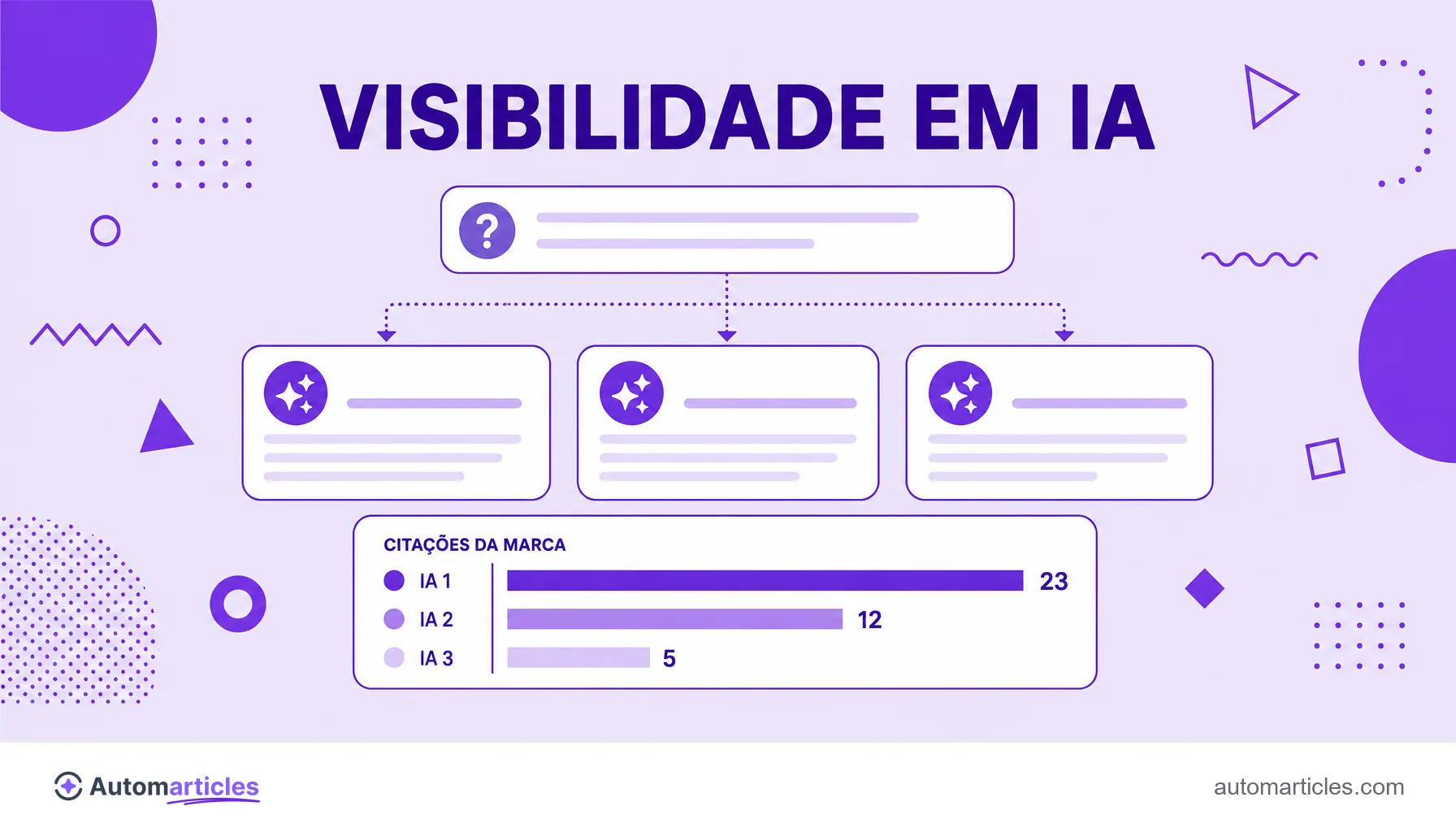
Diferente do SEO, o sucesso do GEO não se mede só por posição e cliques, mas pela presença da marca dentro das respostas geradas. Alguns indicadores ajudam a acompanhar isso:
- Visibilidade em IA: com que frequência a marca aparece nas respostas de ChatGPT, Perplexity e afins.
- Share of voice em IA: quanto do espaço de resposta você ocupa frente aos concorrentes.
- Menções da marca: quando o modelo cita o seu nome, mesmo sem link.
Ferramentas de monitoramento de IA já rastreiam esses sinais rodando as mesmas perguntas em vários modelos e registrando quem é citado. É o equivalente, no mundo generativo, a acompanhar posição de palavra-chave no SEO tradicional.
Como os motores generativos acessam o seu conteúdo
Para citar uma página, o modelo primeiro precisa conseguir lê-la. Boa parte dos buscadores de IA usa rastreadores próprios, como o OAI-SearchBot da OpenAI, o PerplexityBot e o ClaudeBot da Anthropic.
Garantir que esses agentes consigam acessar o conteúdo é a base técnica do GEO. Alguns sites já publicam também um arquivo llms.txt, pensado para orientar modelos de linguagem sobre o que é mais relevante. Não adianta ter a melhor resposta se o rastreador da IA sequer chega até ela.