
YMYL (Your Money or Your Life): what it is and why it matters for SEO
By Tiago CostaUpdated on July 2, 2026
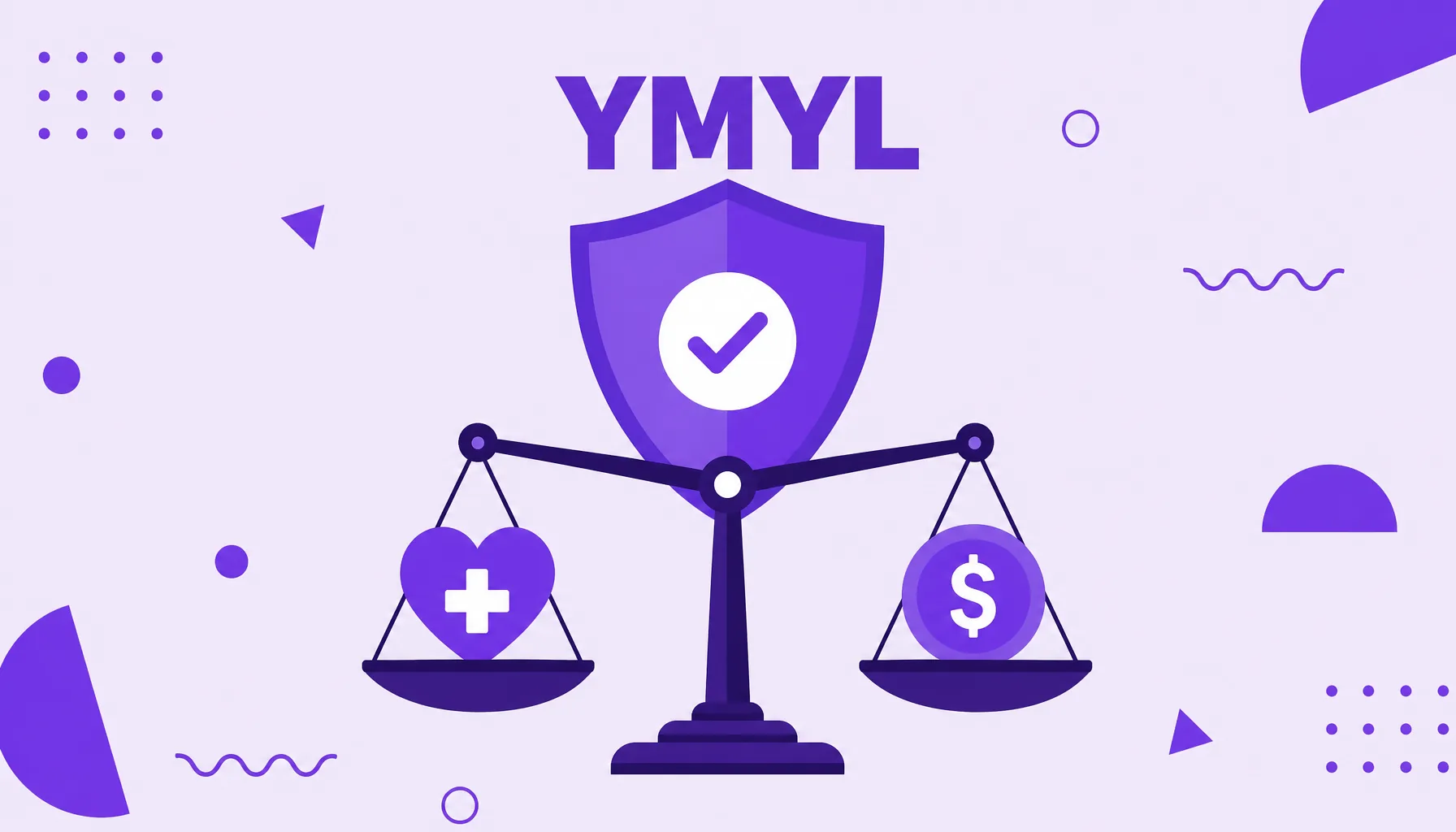
YMYL (Your Money or Your Life) are pages that can impact the health, money, safety or well-being of those who read them. Google evaluates them with extra rigor because:
- wrong information can cause real harm to the person;
- they require a high level of experience, expertise, authoritativeness and trust;
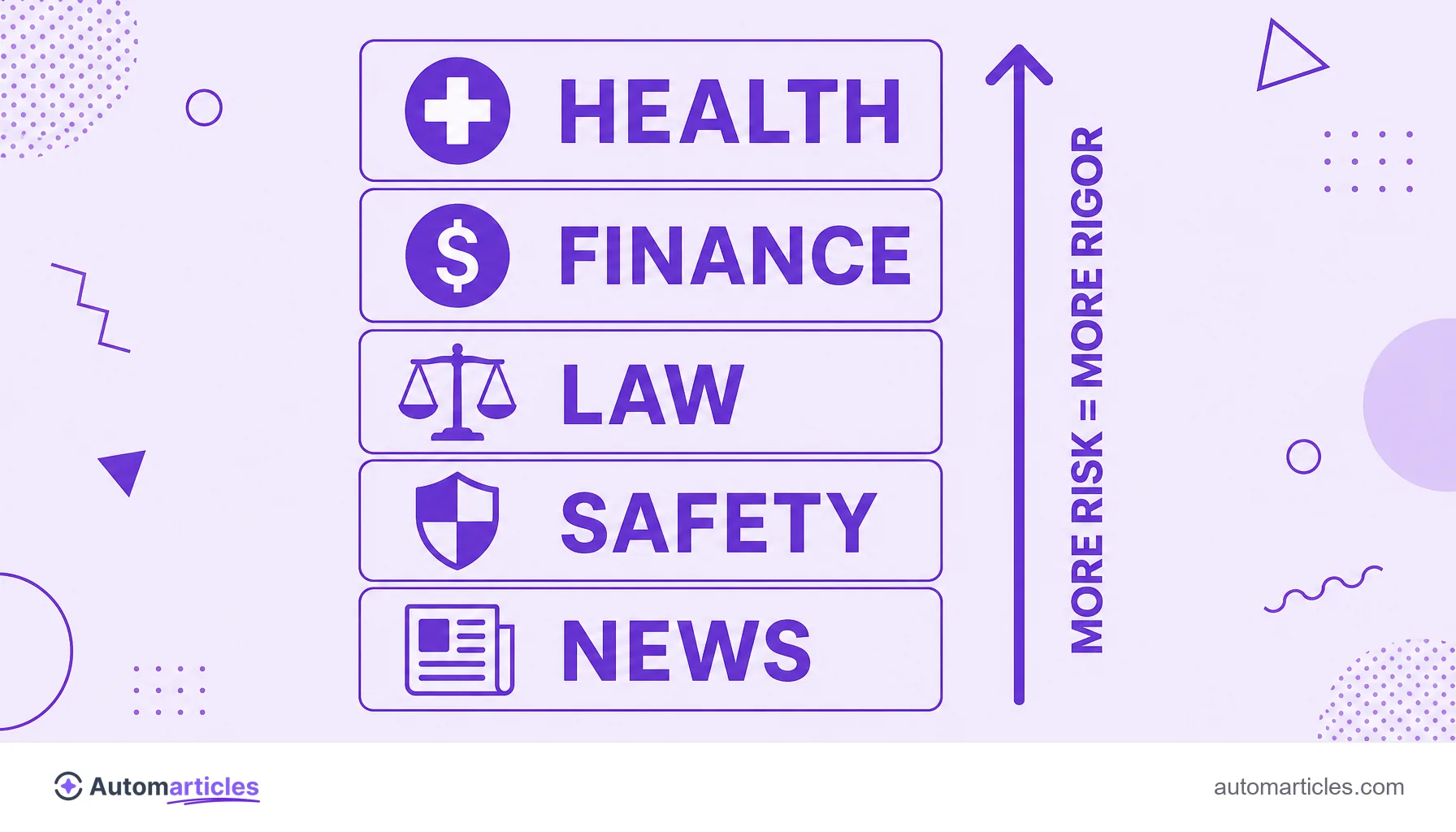
- they include topics such as health, finance, law and safety;
- they are the ones most affected by major algorithm updates.
What YMYL (Your Money or Your Life) is
YMYL stands for Your Money or Your Life. The term describes pages whose content, if inaccurate or misleading, could truly harm the life of those who trust it: a person's health, finances, safety or important decisions.
The concept comes from the guidelines Google uses to guide its quality raters, people who manually judge the quality of results to help calibrate the algorithm. For these high-risk pages, the quality bar rises: a nicely written text is not enough, you have to demonstrate that the information is trustworthy and comes from someone who knows the subject.
In practice, think of the difference between an article about cake recipes and one about the dosage of a medication. A mistake in the first ruins dessert; a mistake in the second could send someone to the hospital. It is that difference in consequence that separates ordinary content from YMYL content.
Which topics are considered YMYL
Not every page is YMYL, but the highest-risk categories are quite recognizable. The main ones are:
- Health and safety: symptoms, treatments, medications, mental health, physical safety and emergency preparedness.
- Finance: investments, taxes, loans, retirement, insurance and any content that guides decisions about money.
- Legal matters: rights, lawsuits, divorce, child custody and other legal issues that change lives.
- News and civic topics: information about important events, politics, public bodies and voting.
- Major life decisions: buying a home, choosing a college, adoption and other high-impact situations.
A single site can have both YMYL pages and ordinary ones. A personal finance blog, for example, has YMYL content in its investing guides and ordinary content in a post about the history of a currency. What defines the classification is the topic and the risk of that specific page, not the whole site.
Why Google evaluates YMYL with extra rigor
The reason is simple and human: to protect the user. If someone searches for a worrying symptom or how to file their income tax, a wrong answer at the top of the results can cause concrete harm, financial or health-related. Google knows that the trust placed in it depends on not exposing people to that kind of risk.
That is why, for YMYL queries, the algorithm tends to favor recognizably trustworthy sources and to treat shallow, anonymous or unsupported content with suspicion. It is the field where the quality and provenance of the information weigh more than in any other niche.
It is important to be clear that YMYL is not a button Google presses, but a principle that guides the quality judgment. It translates into how much the search engine demands in terms of trust signals before placing a page at the top for a sensitive topic.
YMYL and E-E-A-T: the relationship
YMYL and E-E-A-T (experience, expertise, authoritativeness and trust) are sibling concepts. While YMYL defines what is at stake, E-E-A-T defines how Google measures whether that content is worthy of trust. The more YMYL the topic is, the higher the page's E-E-A-T needs to be.
Among the four pillars, trust is the most important for YMYL content. A health article written or reviewed by an identified professional, with cited sources and up-to-date information, conveys far more trust than a generic, anonymous text. Topical authority, built by covering the subject with depth and consistency, also reinforces that signal.
It is worth remembering that E-E-A-T is not a number inside the algorithm, but a set of real signals (authorship, reputation, citations, accuracy) that, added together, communicate trustworthiness. For YMYL, investing in those signals stops being a differentiator and becomes a condition of entry.
YMYL and Google's core updates
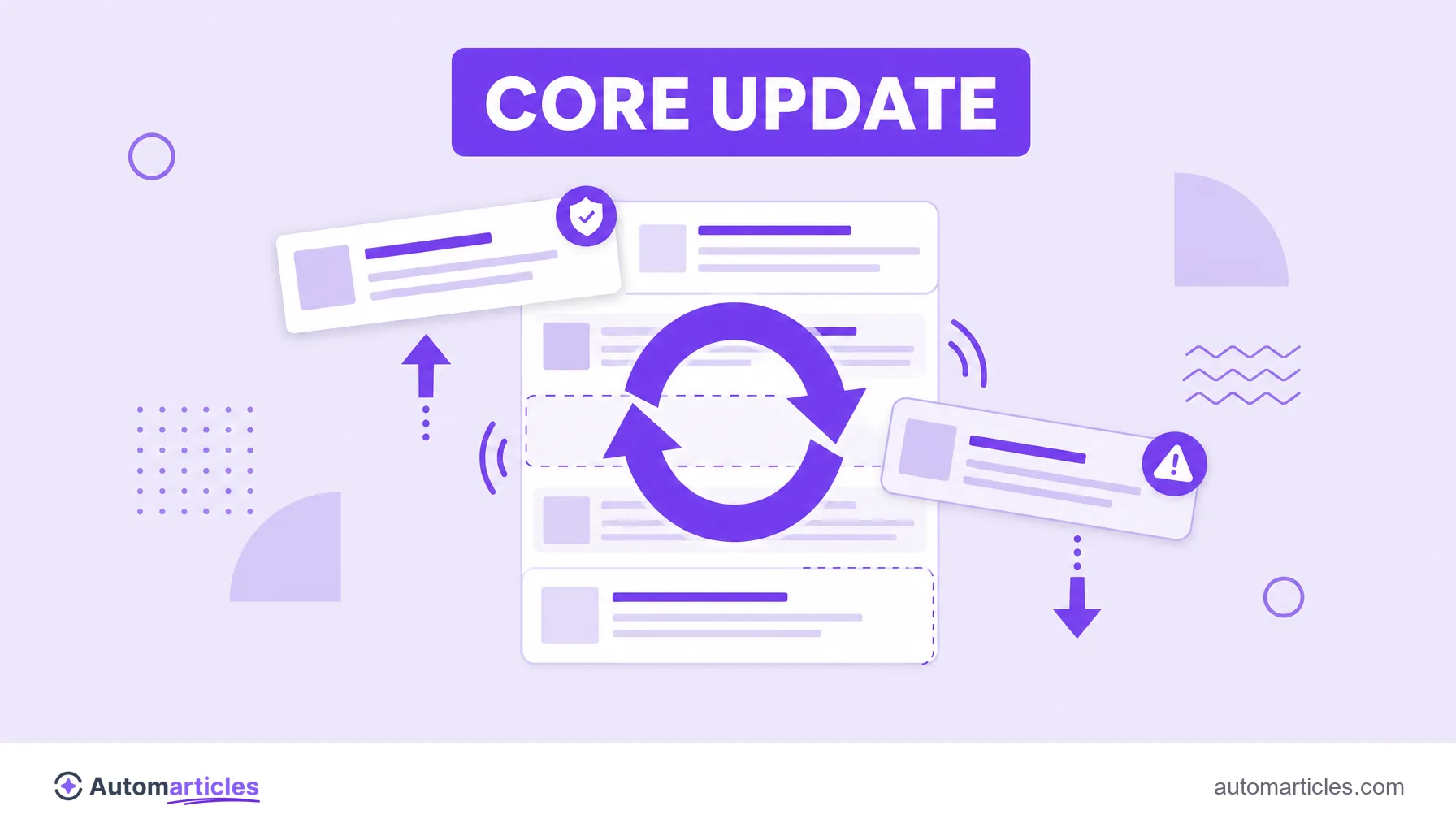
If there is one place where the rigor with YMYL becomes visible, it is in the major algorithm updates. Since the famous 2018 update, nicknamed the Medic Update for hitting health sites head-on, core updates tend to shake up YMYL niches with particular force.
The effects are concrete and measurable. In the March 2026 core update, for example, personal finance sites such as NerdWallet and Credit Karma lost a relevant share of their organic visibility (around 16% and 34%, respectively), according to an analysis of the Sistrix visibility index compiled by Amsive, while primary and official sources gained ground.
The lesson for anyone working with sensitive topics is clear: stability in the results depends on maintaining a high and consistent standard of quality and trustworthiness. In YMYL niches, every core update works as a new test of trust.
How to optimize YMYL content
Optimizing for YMYL is, above all, taking trustworthiness seriously. The points that make the most difference are:
- Show who writes: sign your texts with real, identifiable authors, with a bio and credentials that prove their knowledge of the subject.
- Cite trustworthy sources: base sensitive claims on studies, data and recognized institutions, making the origin clear to the reader.
- Keep everything up to date: in health and finance, outdated information is dangerous information. Review and date your content frequently.
- Avoid shallow content: no generic, copied thin content. Go deep, cover the subject thoroughly and build topical authority.
- Build reputation off-site: mentions and backlinks from respected sources in your field reinforce the perception of authority and trust.
In the end, there is no SEO trick that replaces substance. In YMYL, the path to ranking well is the same one that makes your content genuinely useful and safe for those who read it.