
SEO and content glossary
The essential SEO terms explained clearly and directly. Start with the definition and go deeper with examples, data and best practices.
Fundamentals and algorithms
The base SEO concepts and how search engines and their algorithms work.
SERP
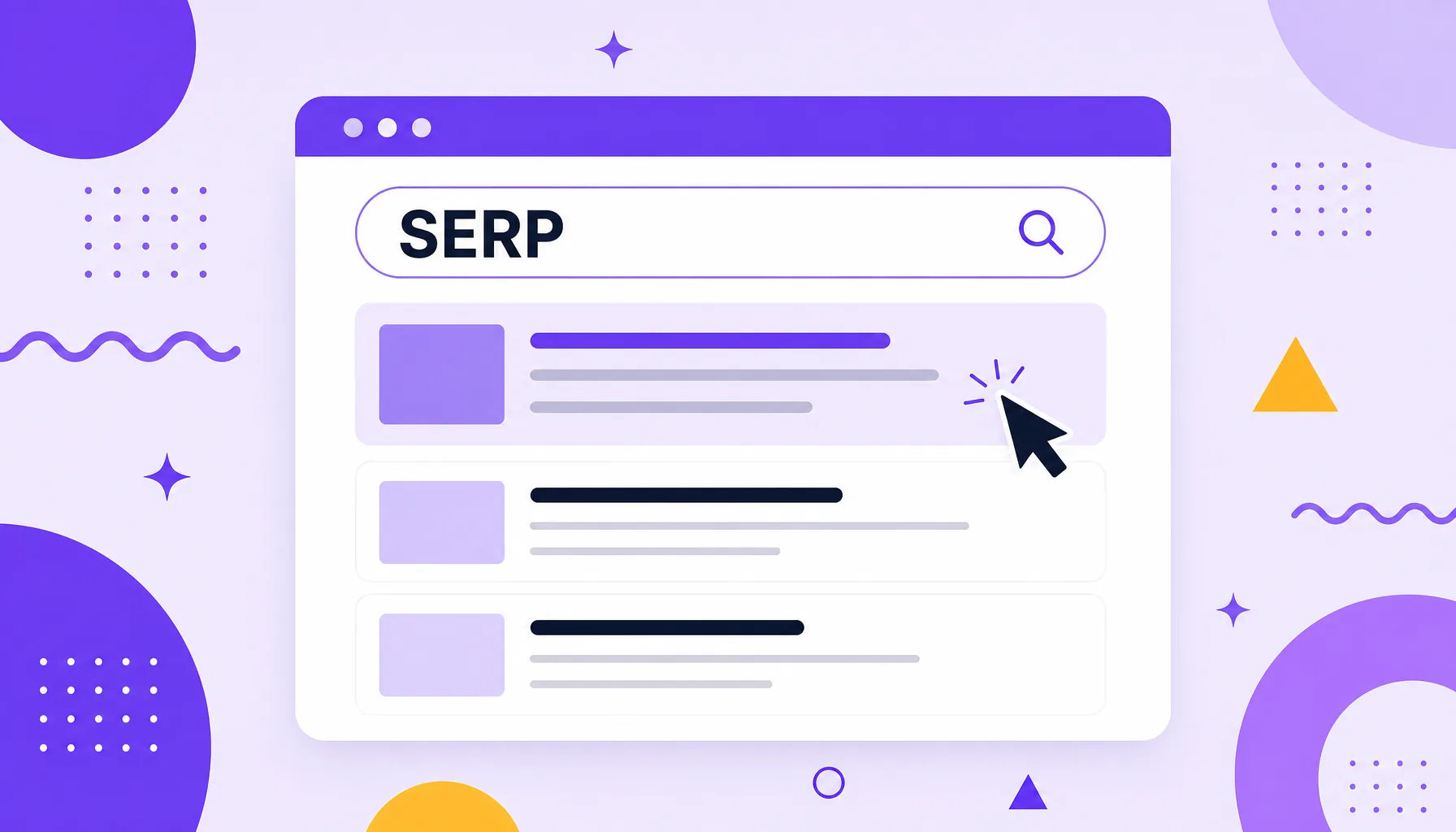
SERP is short for Search Engine Results Page, the results page that Google and other search engines display after a query. It brings together organic results, ads and features such as featured snippets, People Also Ask and, increasingly, AI generated answers (AI Overviews) about the searched term.
Search intent
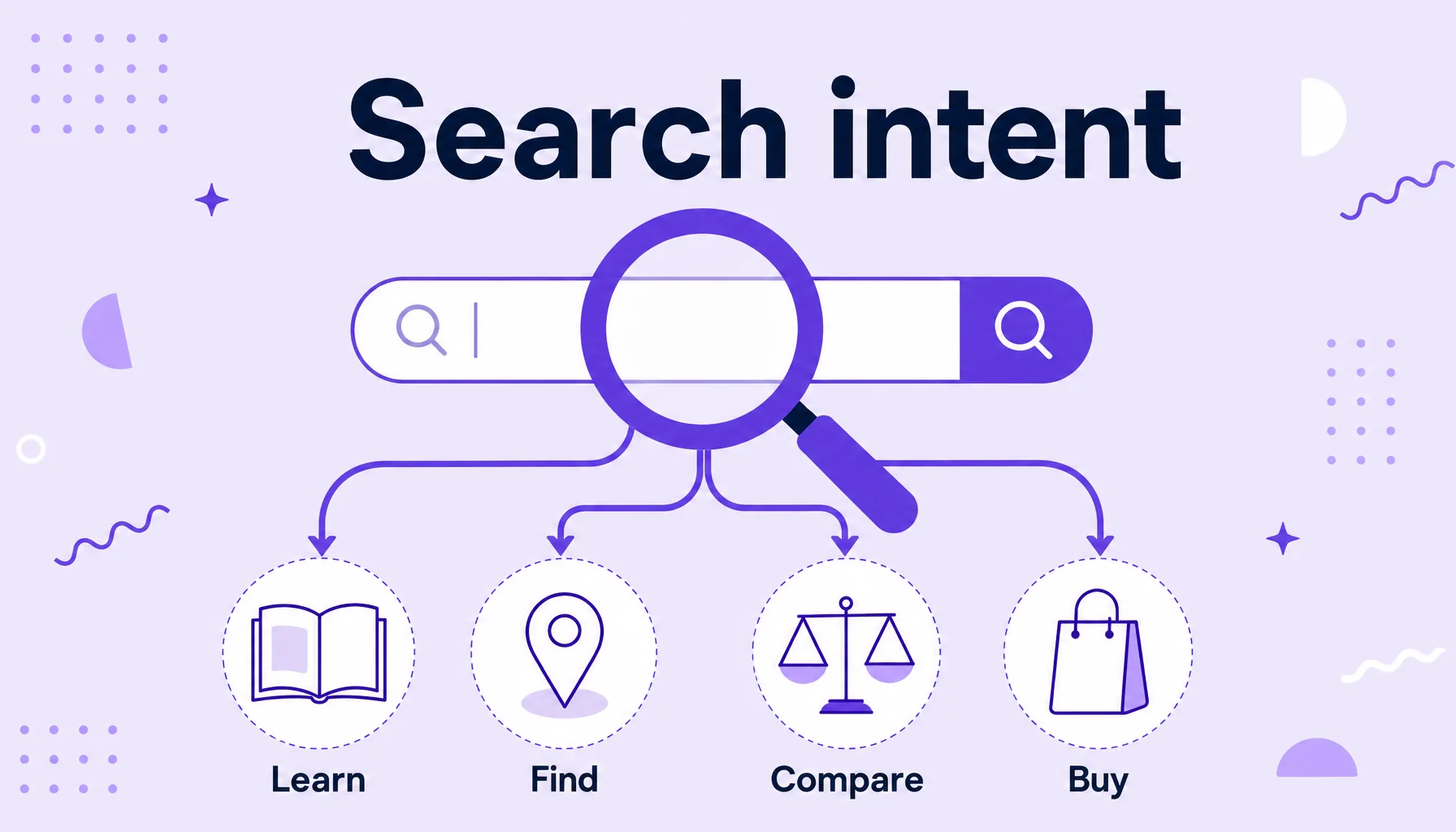
Search intent is the real goal behind a Google query: what the person wants to solve, learn or buy when typing that search. It splits into four main types (informational, navigational, commercial and transactional) and defines which content format has a chance to rank for each keyword.
Featured snippet
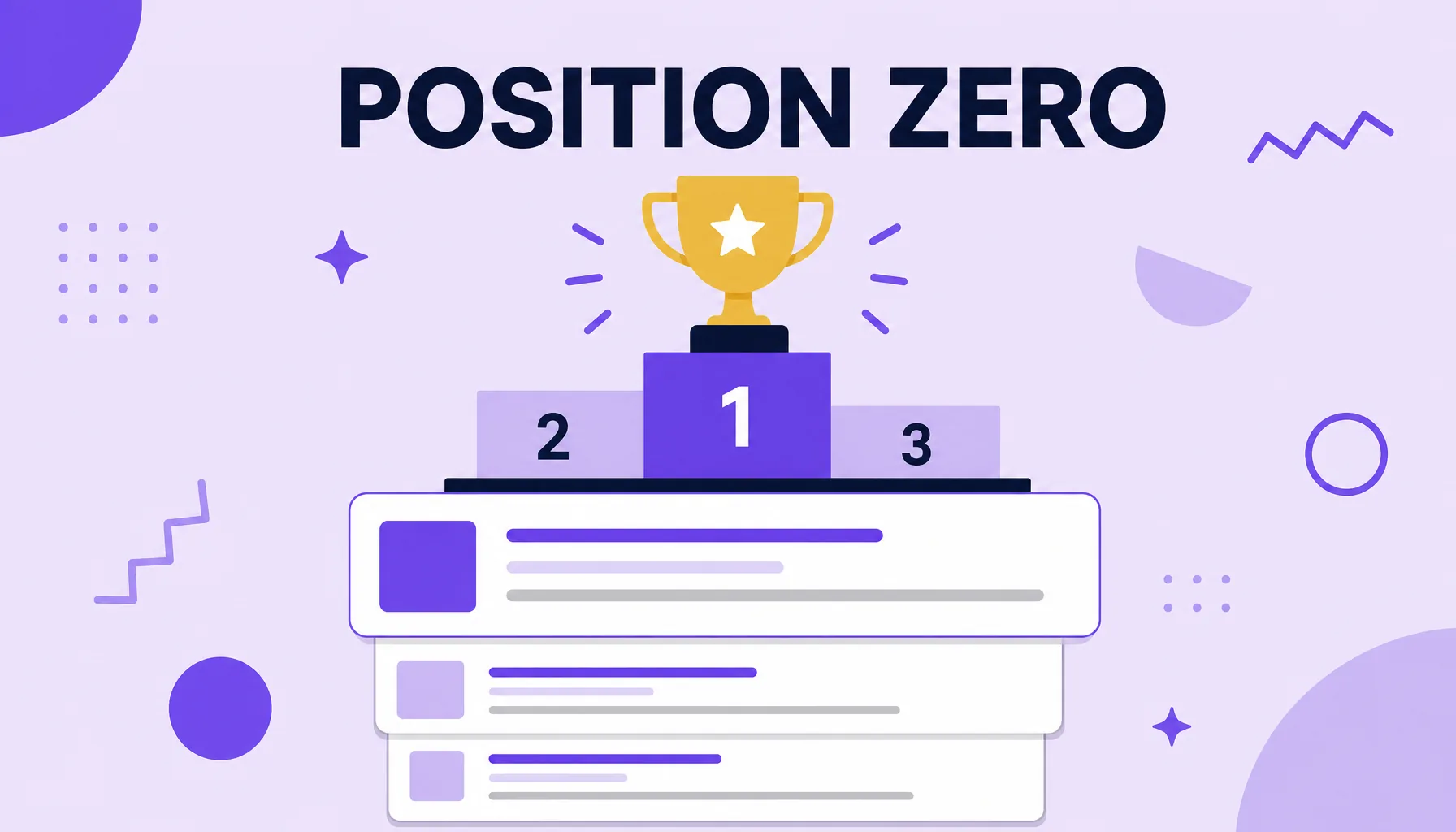
A featured snippet is the answer box Google displays at the top of the results page, above the first organic link, which is why it is nicknamed position zero. It pulls a passage from a page that already ranks well and highlights the answer as a paragraph, list, or table, solving the search right there, often without a click.
Meta description
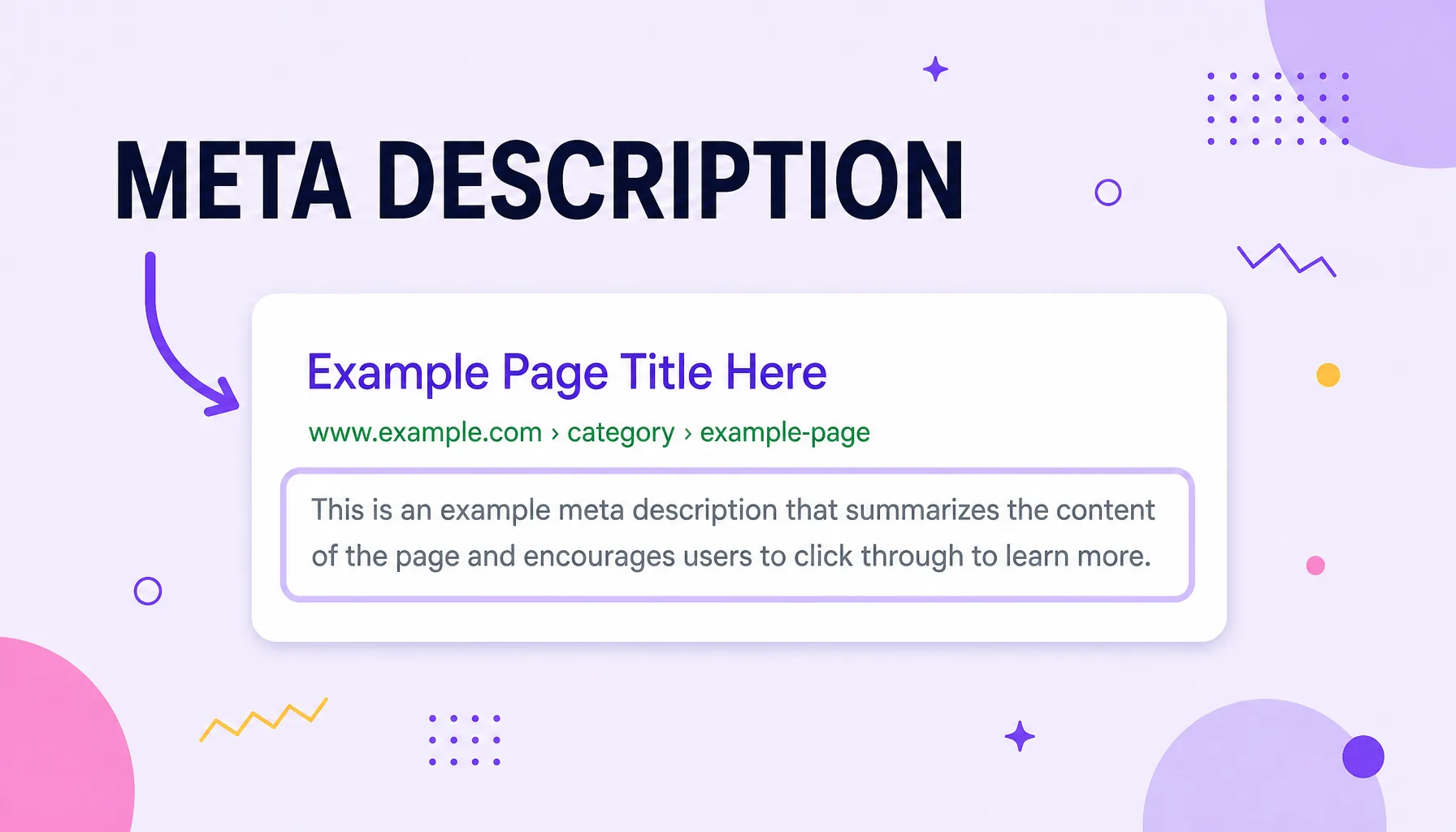
A meta description is the page summary shown on the SERP.
Title tag
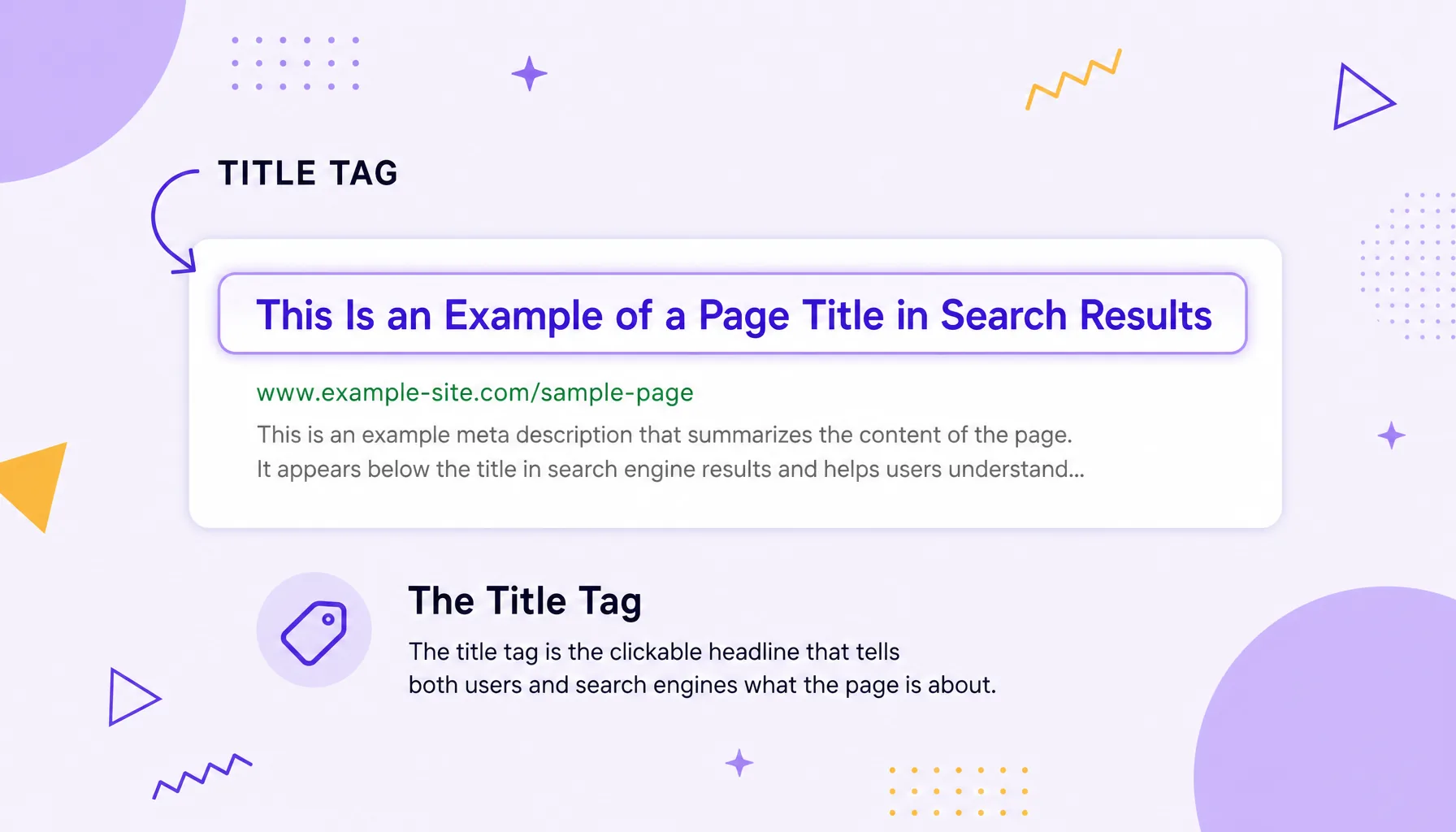
The title tag is the HTML element that sets a page's title and appears as the clickable blue link in Google's search results. It sits inside the tag, tells search engines what the page is about, and directly influences CTR. It's one of the most visible and important on-page SEO signals.
SEO
SEO (Search Engine Optimization) is the set of practices that improve a site's position in the organic results of search engines like Google. The idea is to make pages get found, understood and chosen by the search engine when someone searches for a related topic. Unlike paid media, the traffic earned with SEO has no cost per click and tends to compound over time.
GEO
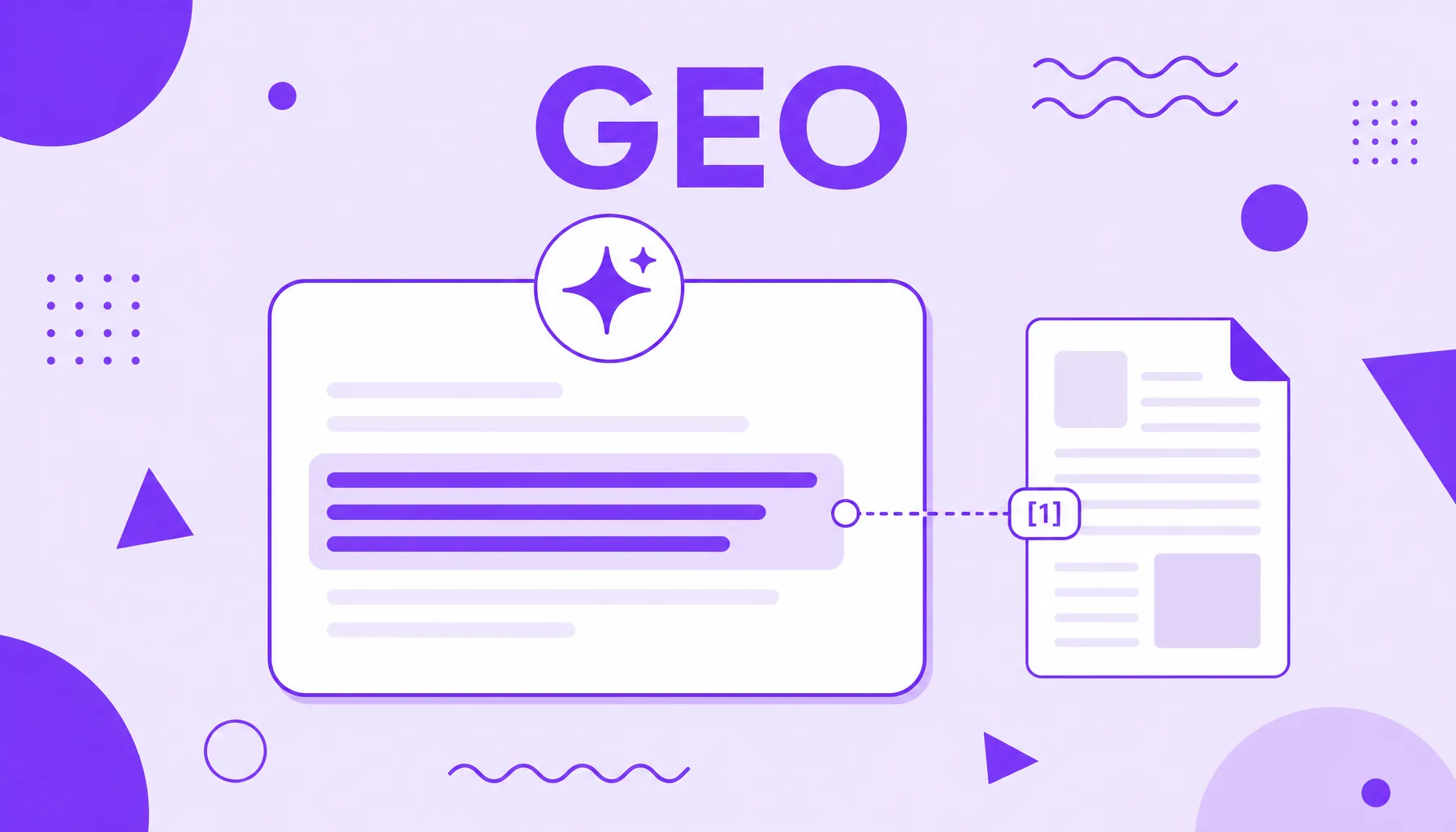
GEO, short for Generative Engine Optimization, is the set of practices that make your content get cited and used by artificial intelligence search engines, such as ChatGPT, Google's AI Overviews, Perplexity and Gemini. Instead of competing only for a position in the list of links, the goal of GEO is to become one of the sources the model chooses to build the generated answer.
Keyword
A keyword is the term or phrase a person types into a search engine and that a website chooses to target in order to appear in the results. In SEO, it is the bridge between what the audience is looking for and the content you publish: understanding which keywords your audience uses, with what intent and at what search volume is the starting point of any content strategy.
Black hat
Black hat SEO is the set of optimization techniques that break search engine guidelines to try to rank through manipulation rather than merit. These are forbidden practices such as keyword stuffing, hidden text, buying links and cloaking, all meant to fool Google's algorithm. They can bring quick gains, but they expose the site to penalties that can wipe out its traffic overnight.

Cloaking
Cloaking is a black hat SEO technique that consists of showing the search engine different content from what is displayed to the user, in order to manipulate the ranking. In practice, the server detects whether the visitor is Google's robot or a person and serves different versions of the same URL. Because it deceives both the search engine and the visitor, cloaking is forbidden by Google's guidelines and can lead to the page being removed from the results.
Indexing
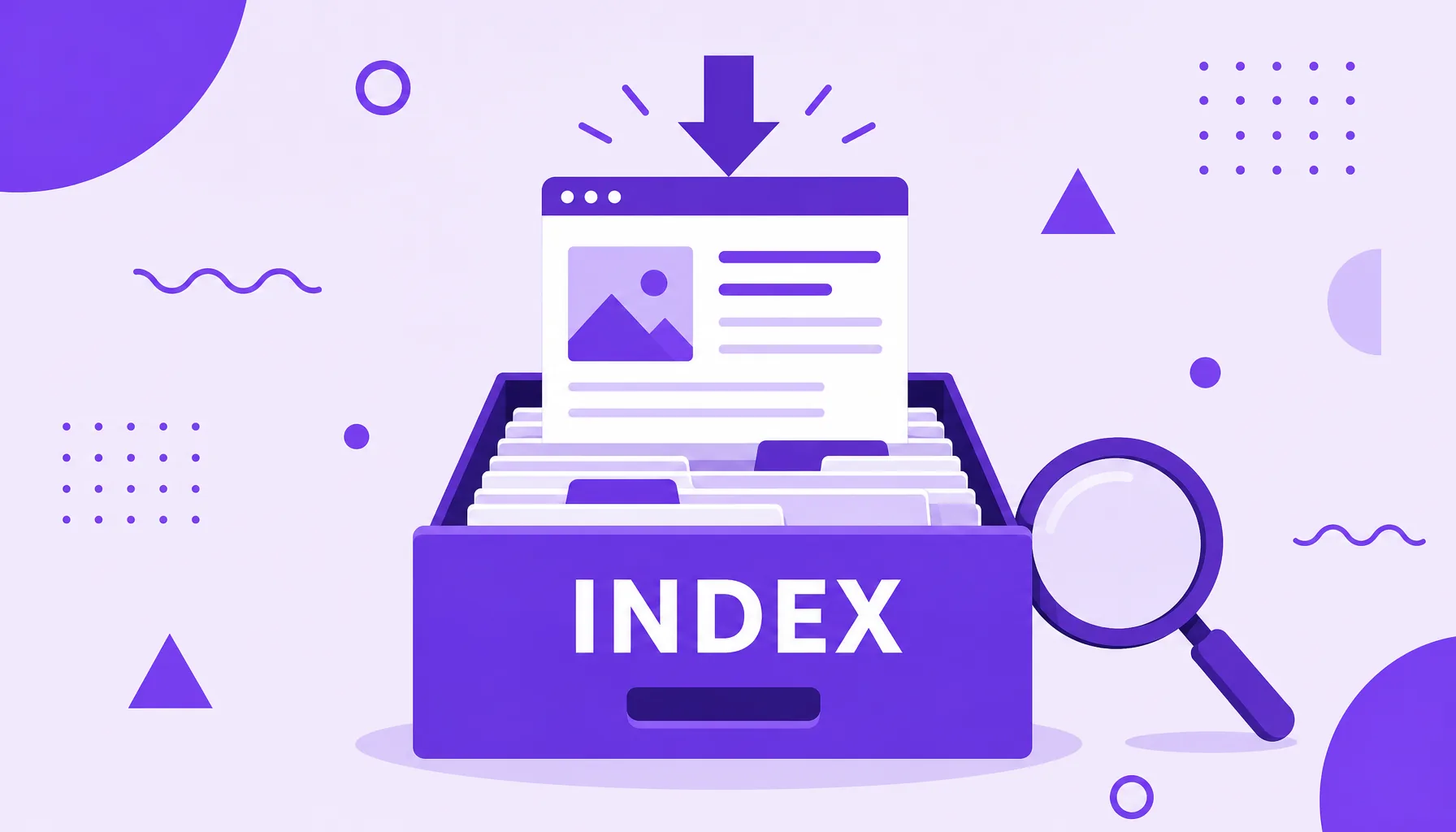
Indexing is the process by which a search engine adds a page to its index, the huge database it consults to answer queries. After crawling and analyzing the content, Google decides whether to store the page in the index, and only what is indexed can appear in the results. In SEO, ensuring indexing is the mandatory step before any attempt to rank: a page outside the index is, in practice, invisible to searchers.
Backlink
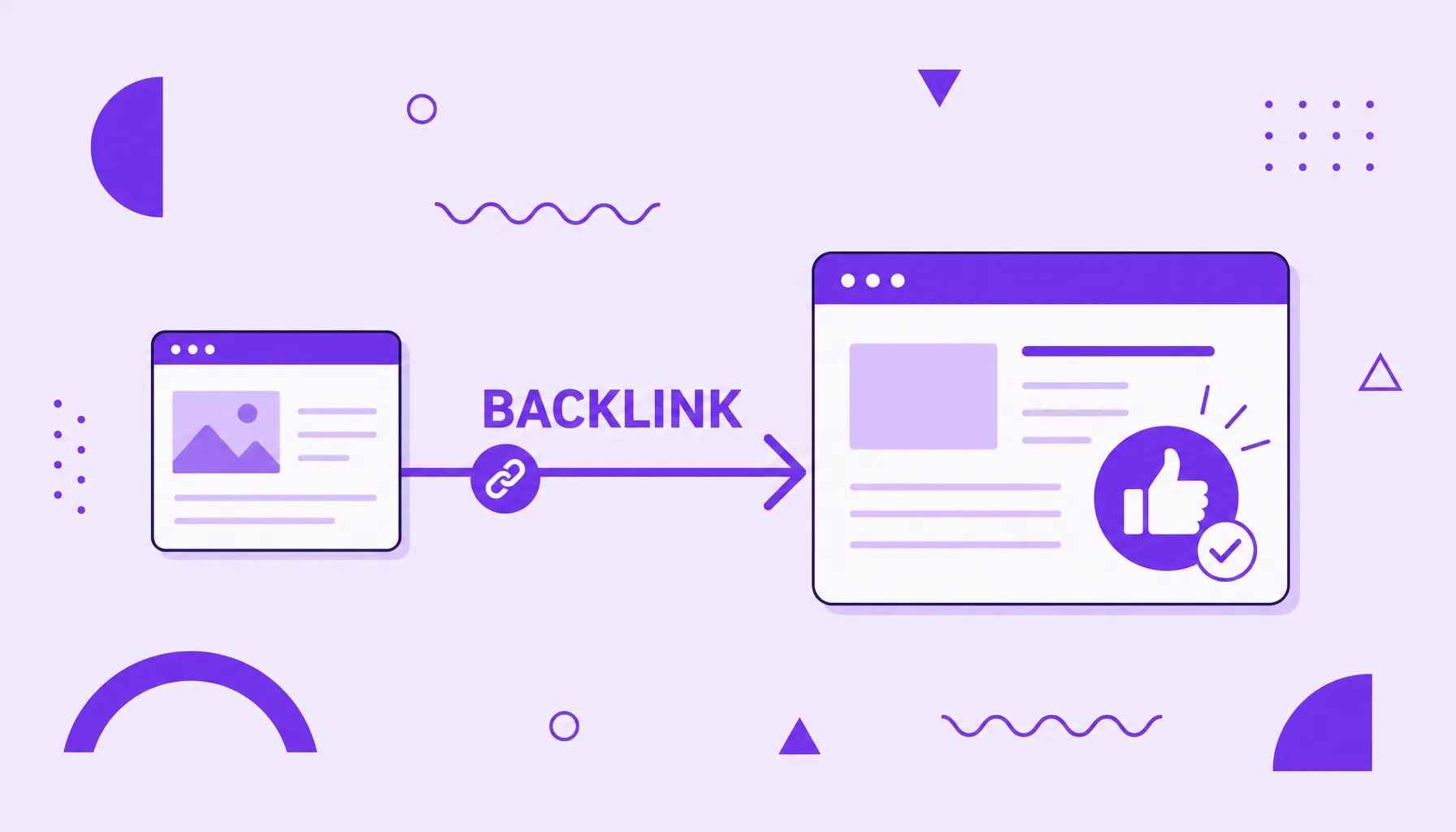
A backlink is a link on another website that points to a page of yours. To Google, each backlink works as a vote of confidence: the more relevant and trustworthy pages point to your content, the higher its authority tends to be in the eyes of the search engine. That is why backlinks are among the top ranking factors and the heart of off-page SEO.
AEO
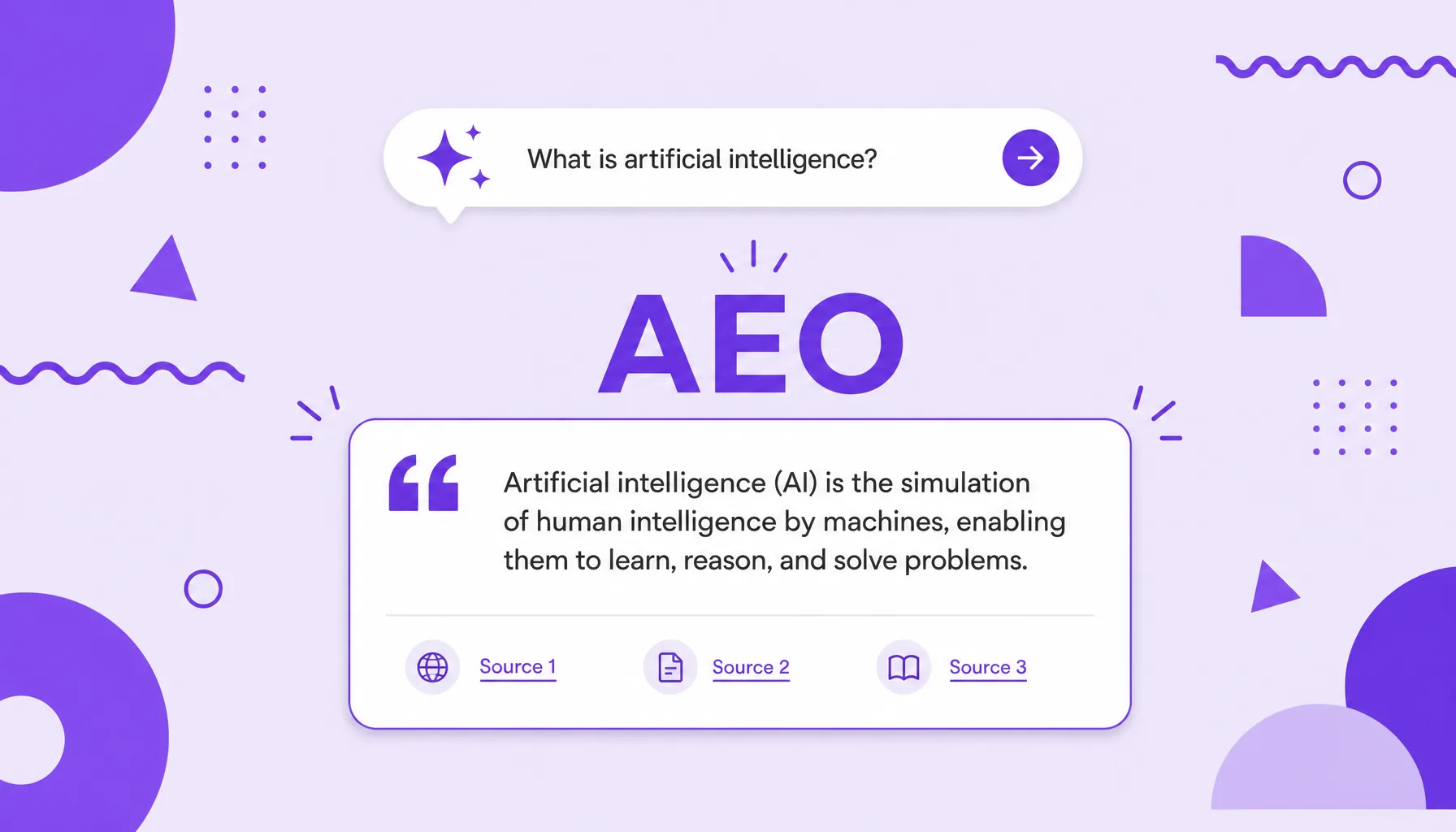
AEO (Answer Engine Optimization) is the optimization of content to appear as the direct answer in answer engines, the ones that deliver a ready made answer instead of a list of links. This includes Google's AI Overviews, assistants like ChatGPT, Perplexity and Gemini and voice search. Instead of aiming only for the first position, AEO tries to turn your content into the very answer that the machine reads, summarizes and cites.
Nofollow
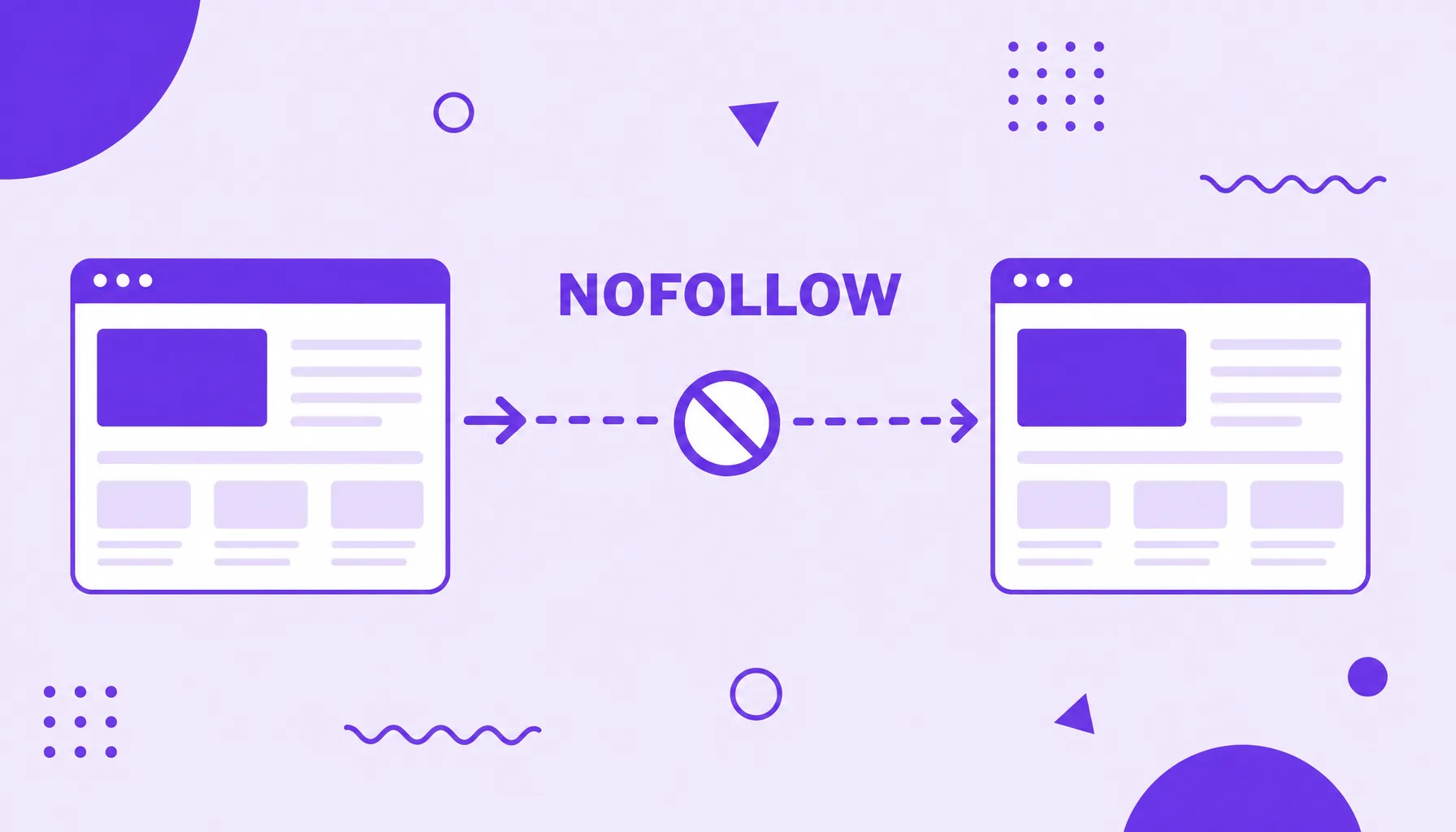
Nofollow is a link attribute, written as rel="nofollow" in the HTML code, that signals to the search engine not to transfer authority to the destination page. The link stays clickable and takes the user there normally, but it does not count as an SEO vote. It is used for paid links, user generated content and sources you do not want to endorse, helping keep a natural backlink profile within Google's guidelines.
Robots.txt
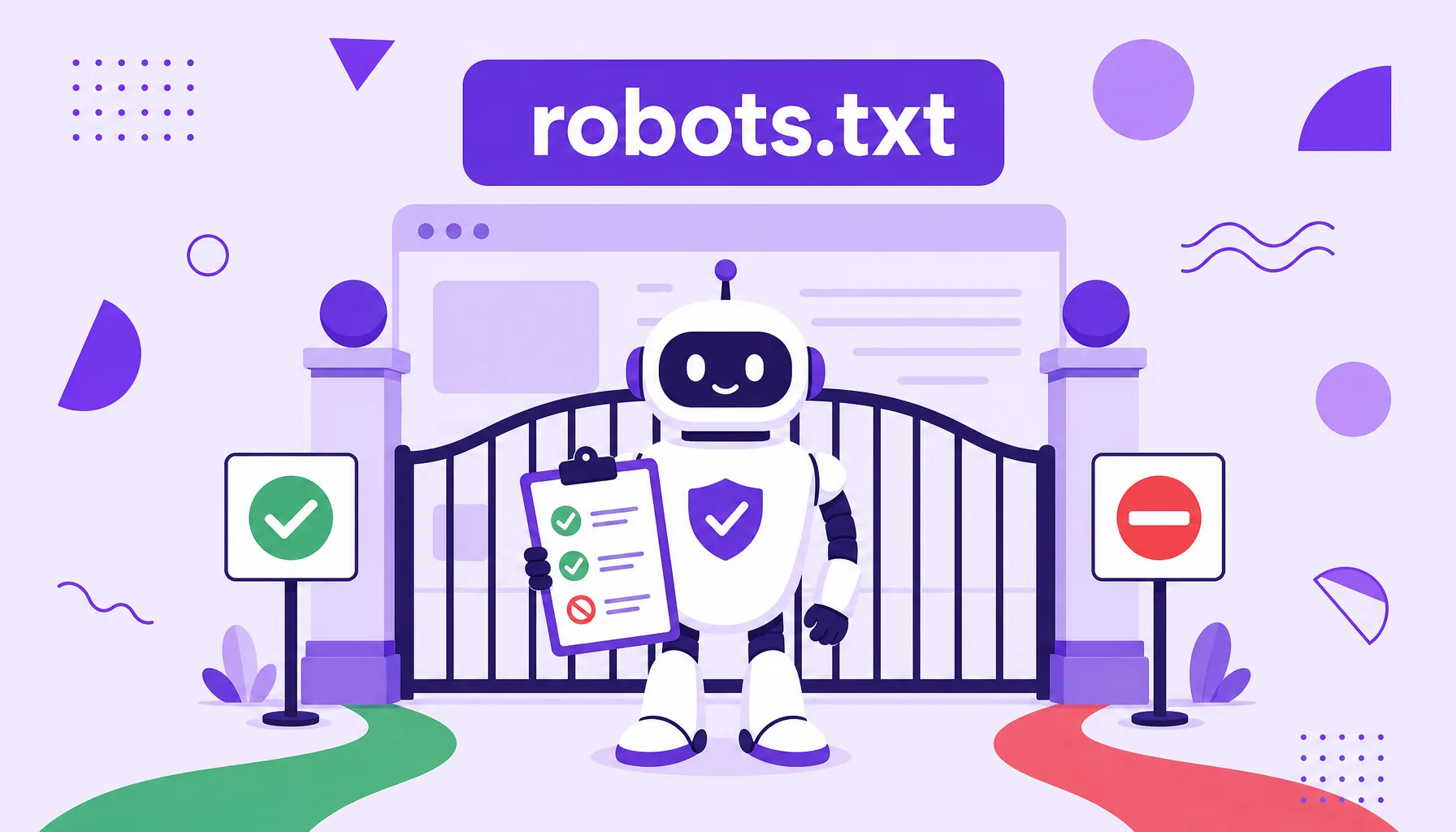
Robots.txt is a plain text file, saved in the root of a domain, that tells search engine crawlers which parts of a site they can or cannot crawl. It follows the Robots Exclusion Protocol and controls crawling, not indexing, so it is not the right tool to hide a page from search results.
Organic traffic
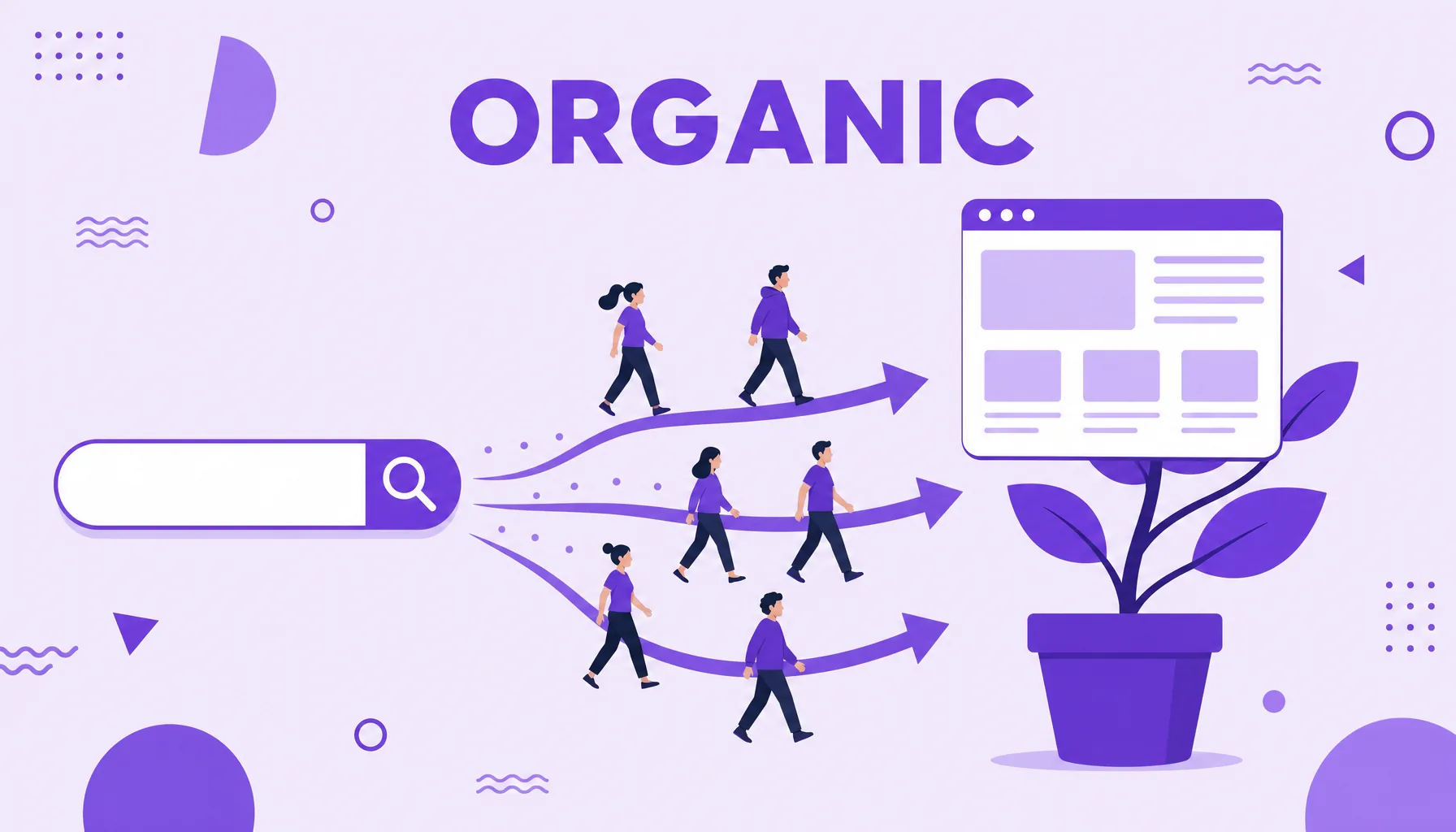
Organic traffic is the set of visits that reach your website through the unpaid results of search engines like Google. Unlike paid traffic, it has no cost per click: it is earned with SEO and good content, which makes it a more predictable and sustainable source of visitors over time.
Core web vitals
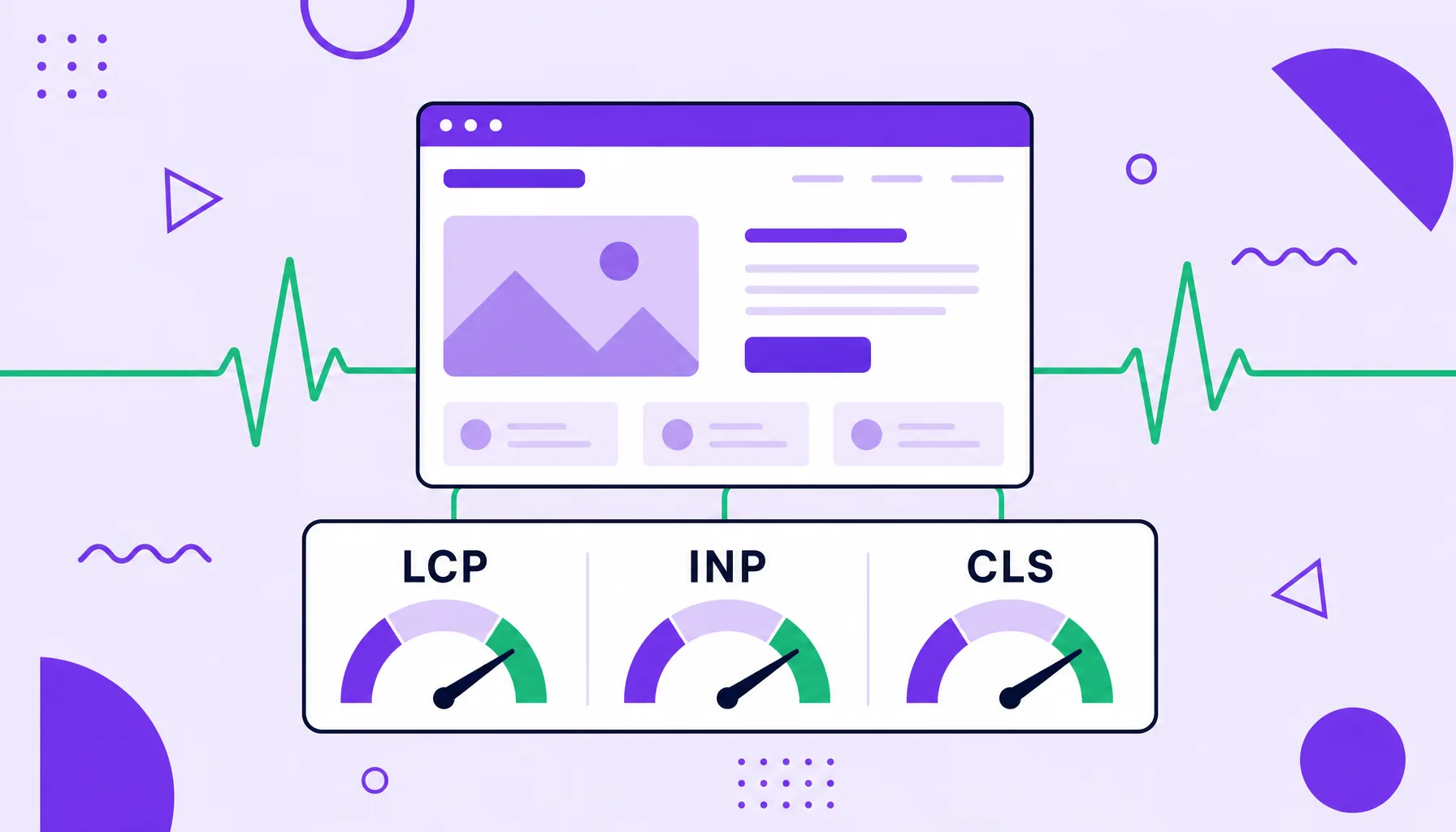
Core Web Vitals are a set of three Google metrics that measure the real experience of someone using a page: loading speed (LCP), responsiveness to interactions (INP) and the visual stability of the layout (CLS). They are part of the page experience signals and help Google assess whether a site offers pleasant navigation.

AI Overviews
AI Overviews are answers generated by artificial intelligence that Google shows at the top of the results page, above the organic links. Instead of only listing pages, the engine reads several sources, synthesizes a short answer and shows the links it used, which pushes the traditional results down and fuels zero click search.
Search engine
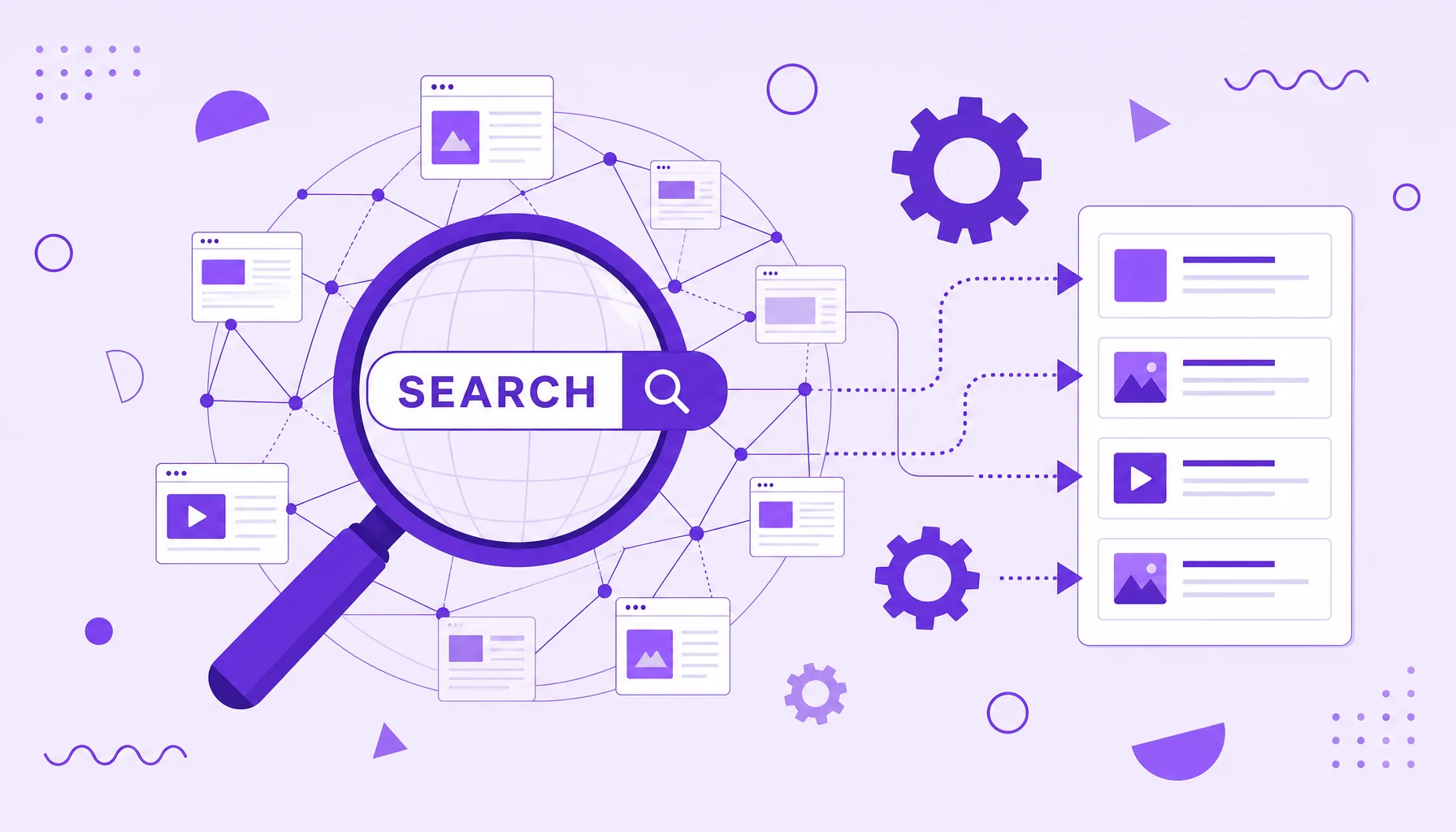
A search engine is an automated system, like Google, that crawls, indexes and ranks the pages of the internet to answer users' queries. It discovers web content with bots, stores everything in an index and, for each search, uses an algorithm to display an ordered list with the most relevant results for that query.

White hat
White Hat SEO is the set of optimization practices that follow the official guidelines of search engines and put the user first. Instead of trying to trick the algorithm, white hat relies on useful content, solid technical structure and links earned honestly, aiming for sustainable results with no risk of penalty. The name is the opposite of black hat, which manipulates the ranking with forbidden techniques.
Long tail
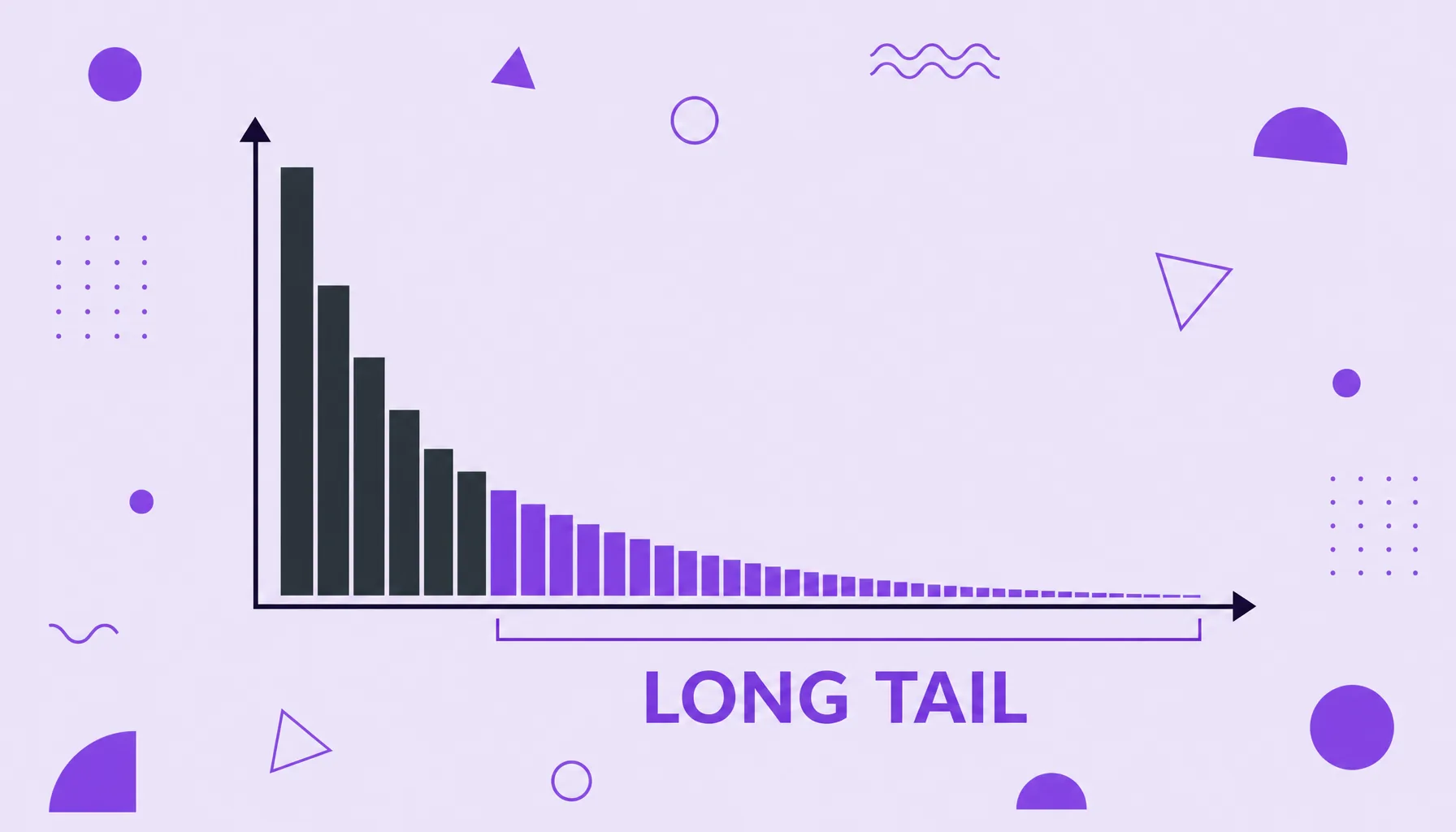
In SEO, long tail is the set of longer and more specific keywords, made up of three or more words, that have lower search volume but much clearer intent. Instead of fighting for generic, competitive terms, the long-tail strategy targets detailed queries like buy running shoes for overpronation, which attract fewer people but people who are much closer to deciding and converting.
PageRank
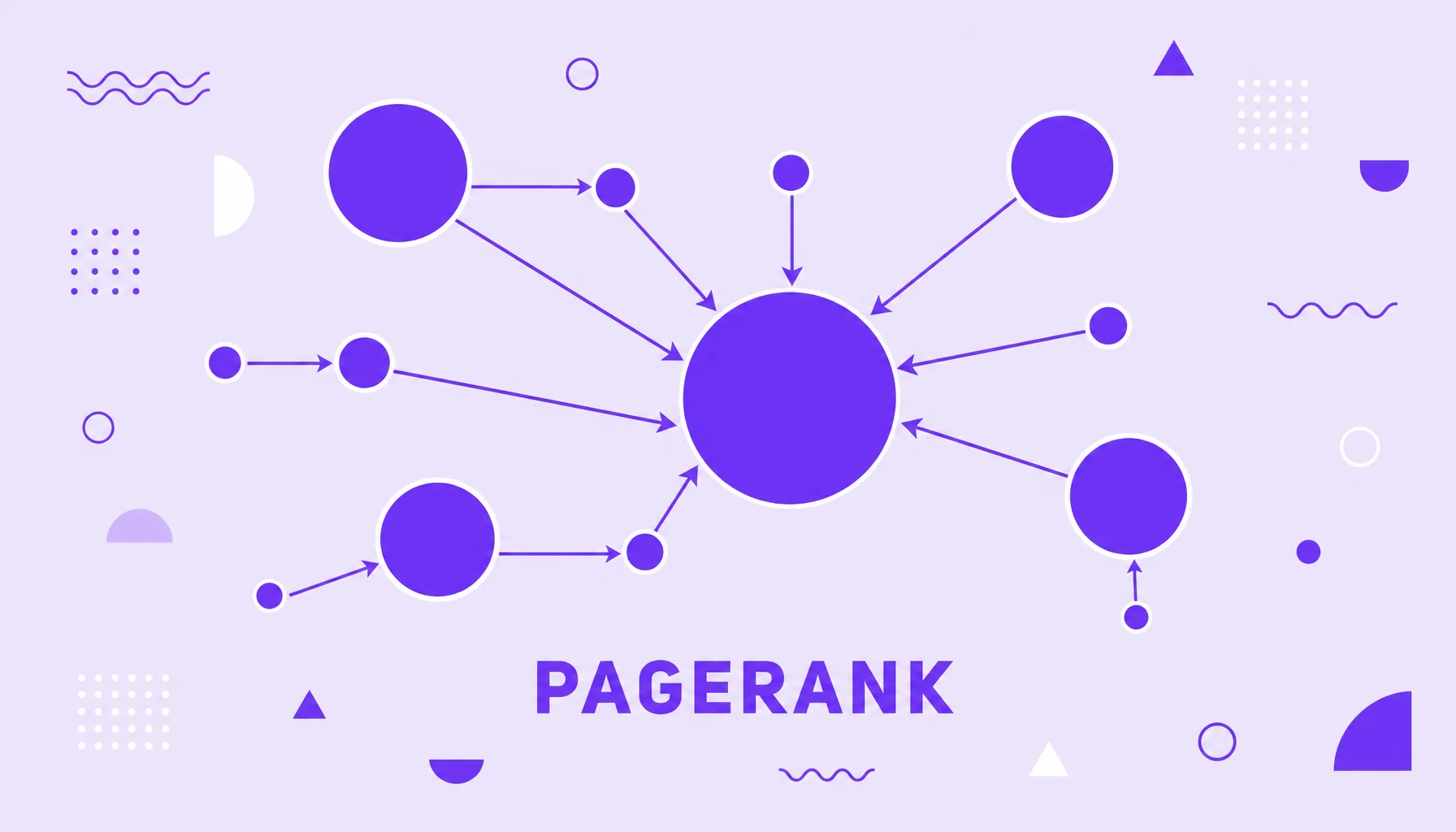
PageRank is Google's original algorithm that ranks a page's importance by the quantity and quality of the links pointing to it. Each link works as a vote of confidence, and votes from already important pages count more. Created by Larry Page and Sergey Brin at Stanford, it gave rise to the search engine and, although Google retired the public score in 2016, a version of PageRank is still used internally as one of the ranking signals.

E-E-A-T
E-E-A-T stands for Experience, Expertise, Authoritativeness and Trust. It is the set of quality criteria that Google's human raters use to judge whether a page is trustworthy. E-E-A-T is not a direct ranking factor, but it describes the qualities that the search engine's systems were trained to reward, with extra weight on sensitive topics.
Structured data
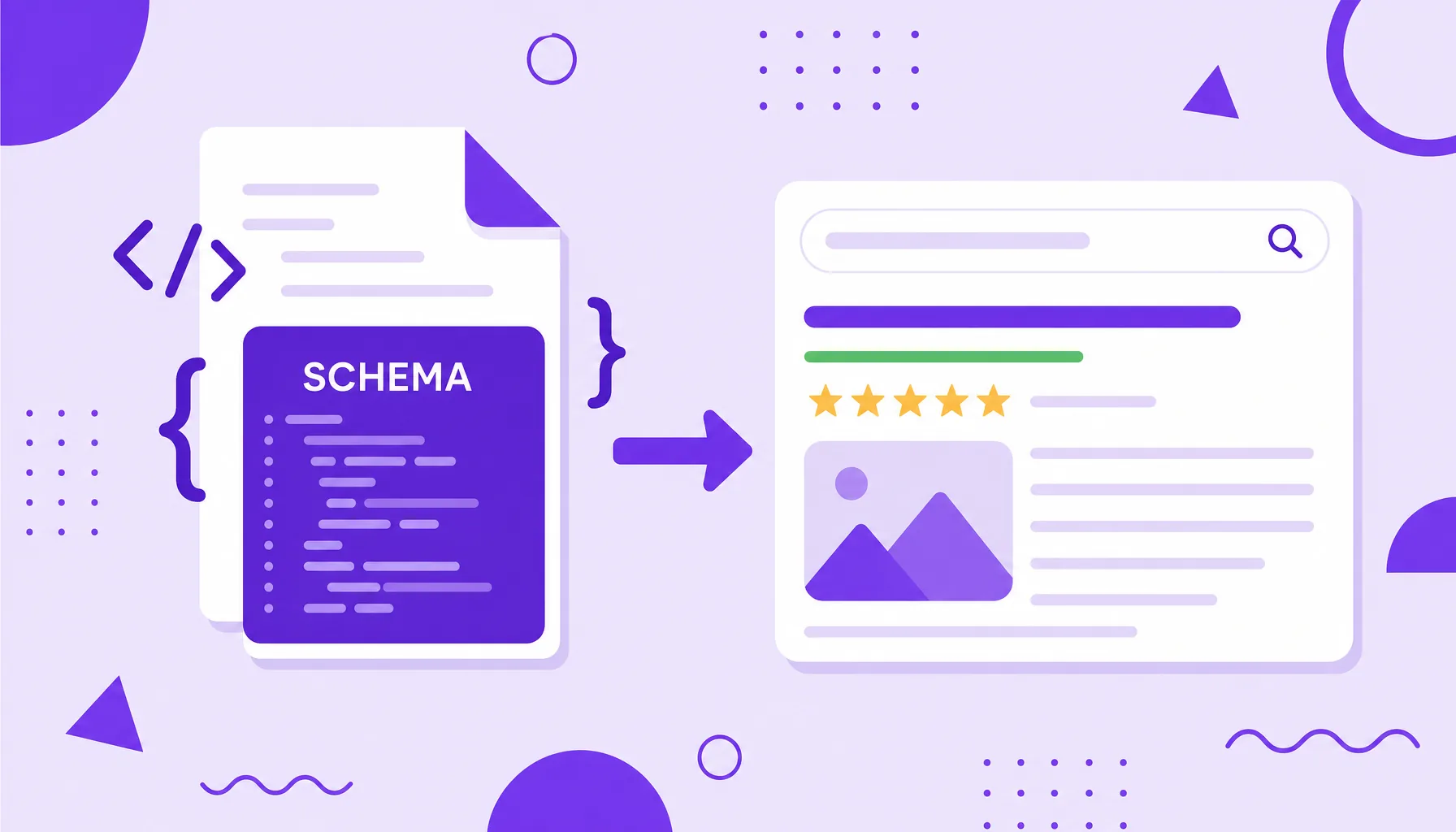
Structured data is a standardized code format that describes the content of a page for search engines, explicitly telling them what each element means (a price, a rating, a recipe, an event). Written with the Schema.org vocabulary, it helps Google interpret the page accurately and display rich results, such as review stars, frequently asked questions and images directly on the results page.

On-page SEO
On-page SEO (or on page SEO) is the set of optimizations made within the page itself to improve its performance in search engines. It involves the content, the title, the headings, the meta tags, the images, the internal links and the URL structure, everything you control directly in the HTML and the text. It is one of the pillars of SEO, alongside off-page SEO (external factors) and technical SEO (site infrastructure).
Local SEO
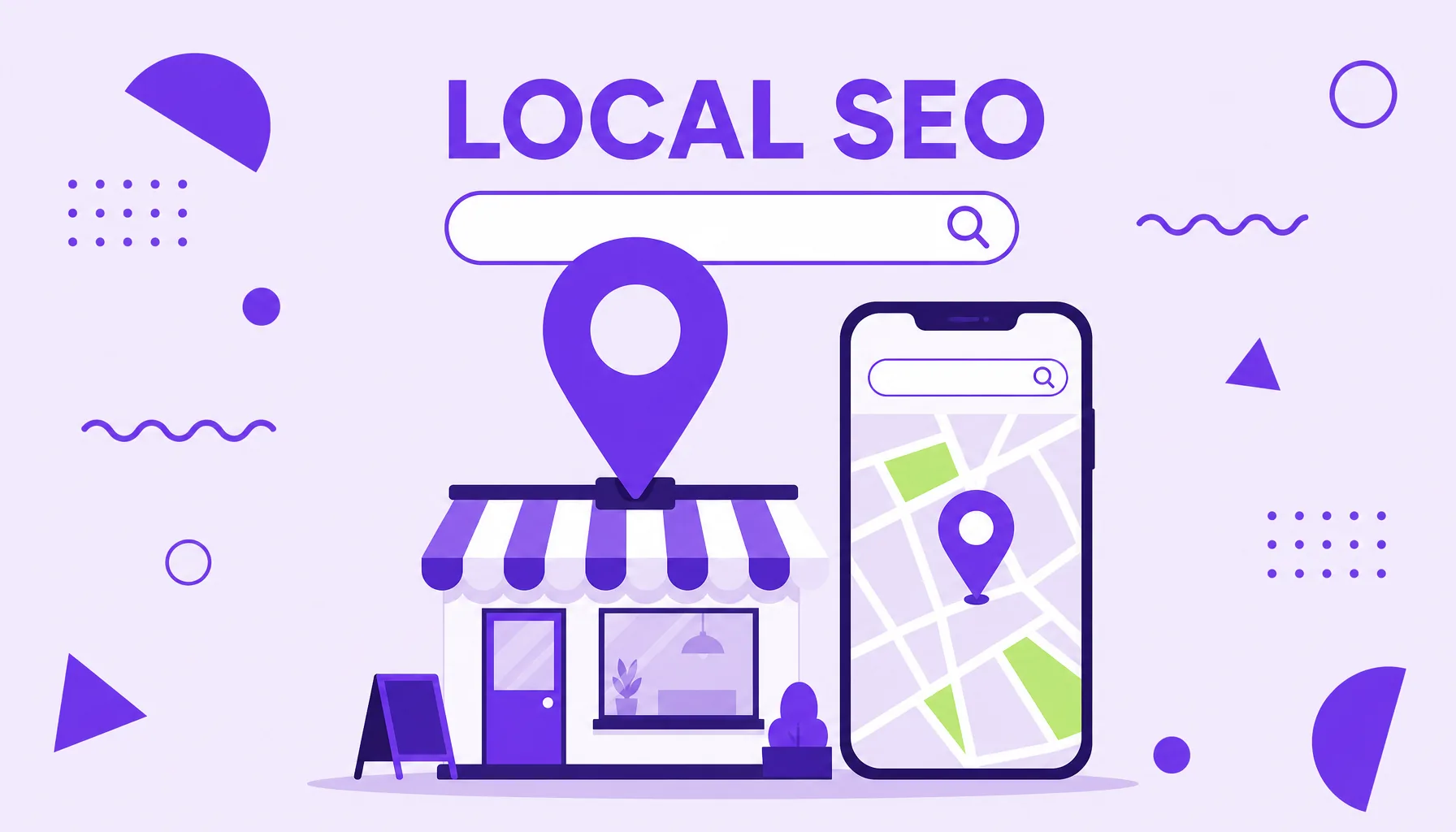
Local SEO is the set of optimization practices aimed at searches with geographic intent, the ones where a person looks for a product, service or business near them. The goal is to make your company show up on Google when someone searches for something in your area, mainly in the local pack (the block with the map and the three highlighted results) and on Google Maps. It combines signals such as the Google Business Profile listing, reviews, the consistency of the name and address and content optimized for the city or neighborhood.
Technical SEO
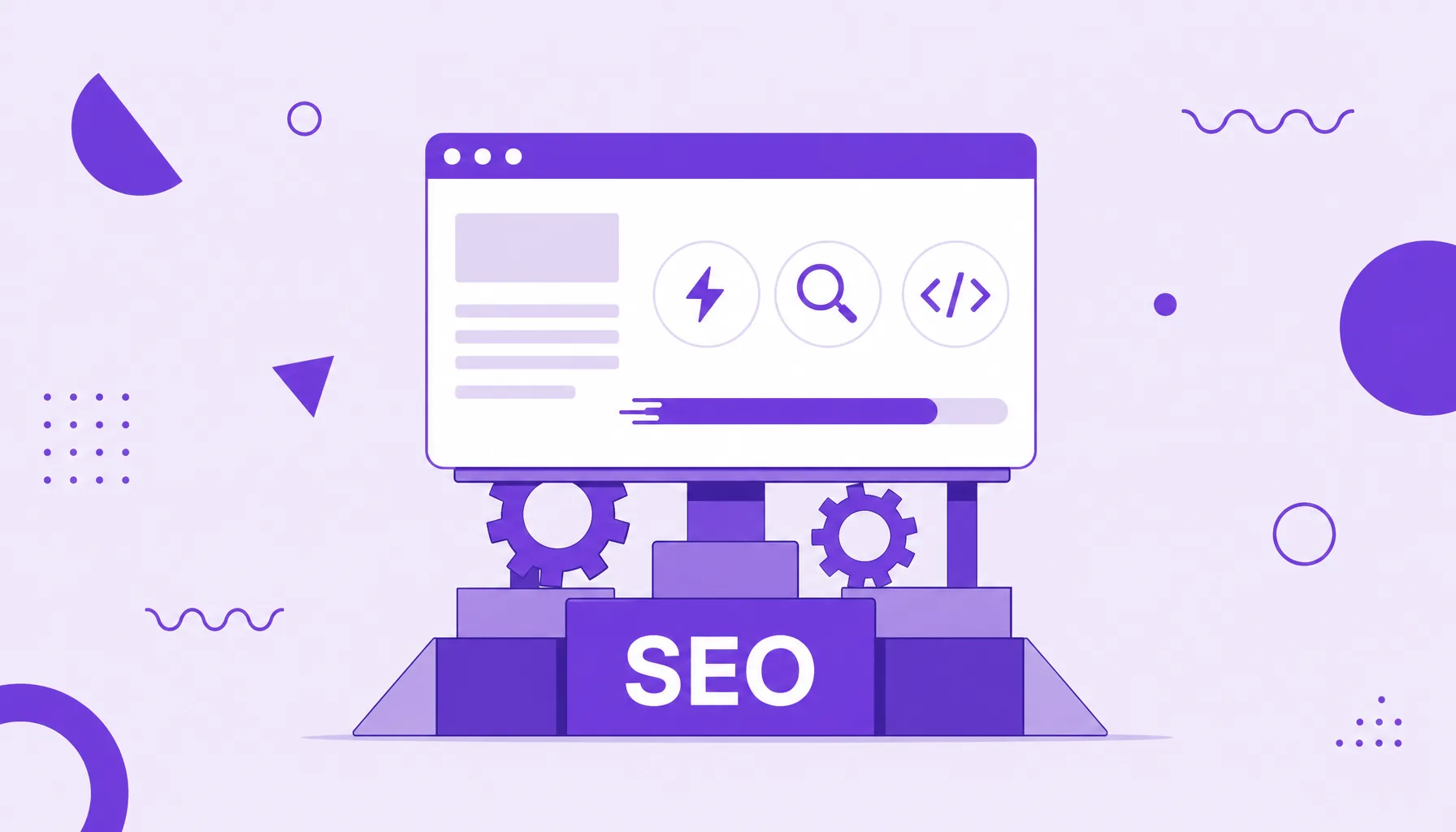
Technical SEO is the set of optimizations made to a site's infrastructure so that search engines can crawl, understand, index and display its pages efficiently. While content takes care of what the page says, technical SEO takes care of the invisible foundation that supports everything: loading speed, URL structure, internal link architecture, mobile version, security, structured data, indexing and status codes. Without that foundation in order, even the best content may never appear in search.

Knowledge Graph
The Knowledge Graph is Google's database that organizes information about the world as a network of entities (people, places, companies, works, concepts) connected by facts and relationships. Launched in 2012, it lets the search engine understand the meaning behind words, not just compare text, which gives rise to direct answers, the knowledge panel on the side of search and, increasingly, AI generated answers. More broadly, a knowledge graph is also a data technology used by many companies to model knowledge as graphs.
Off-page SEO
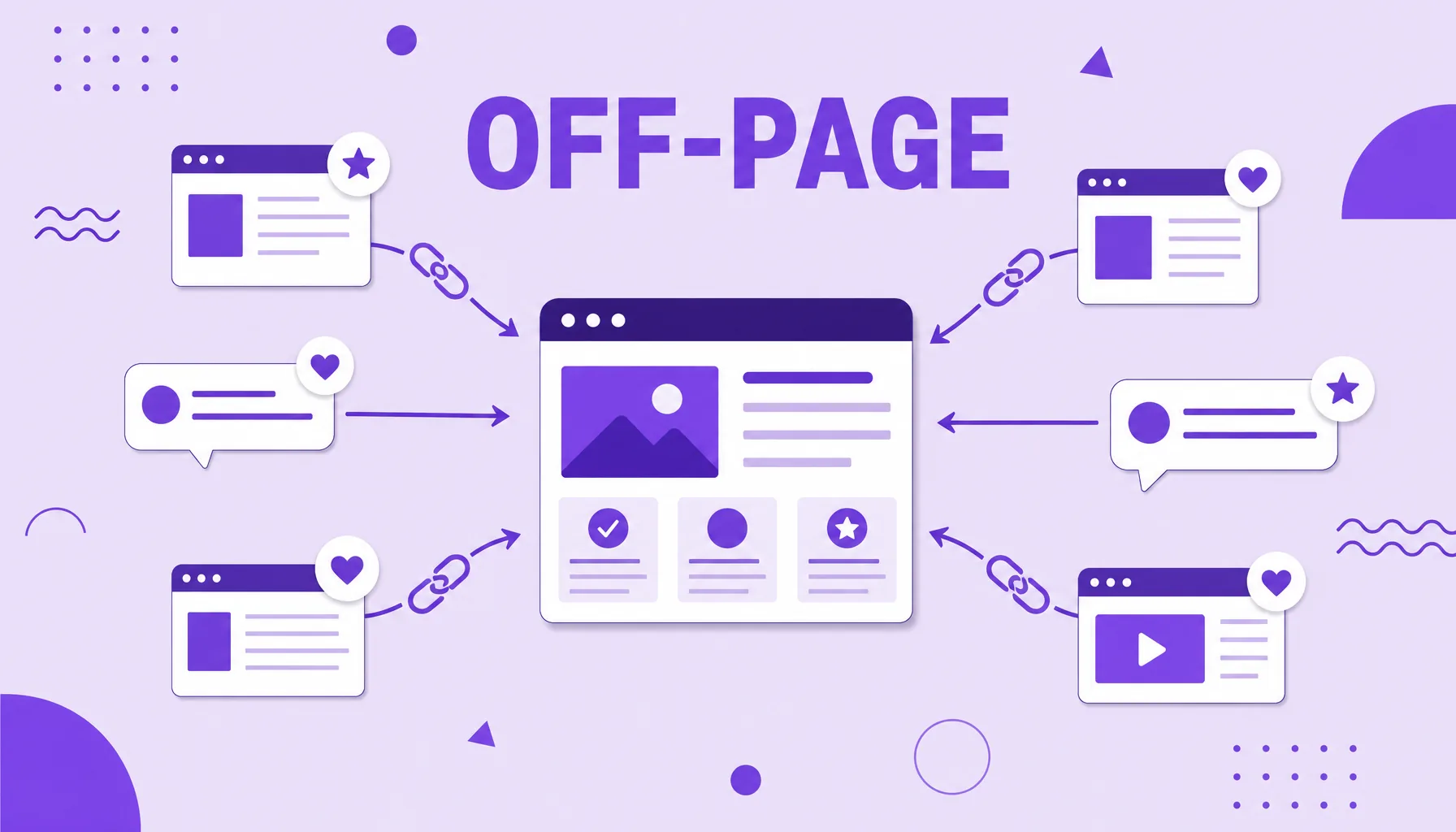
Off-page SEO is the set of optimization actions carried out outside your site to increase its authority and relevance in the eyes of search engines. The main factor is backlinks, links from other sites that point to yours, but brand mentions, social signals and the reputation built across the web also count. While on-page SEO takes care of what is inside the page, off-page works on the perception of trust that comes from outside.
Sitelinks
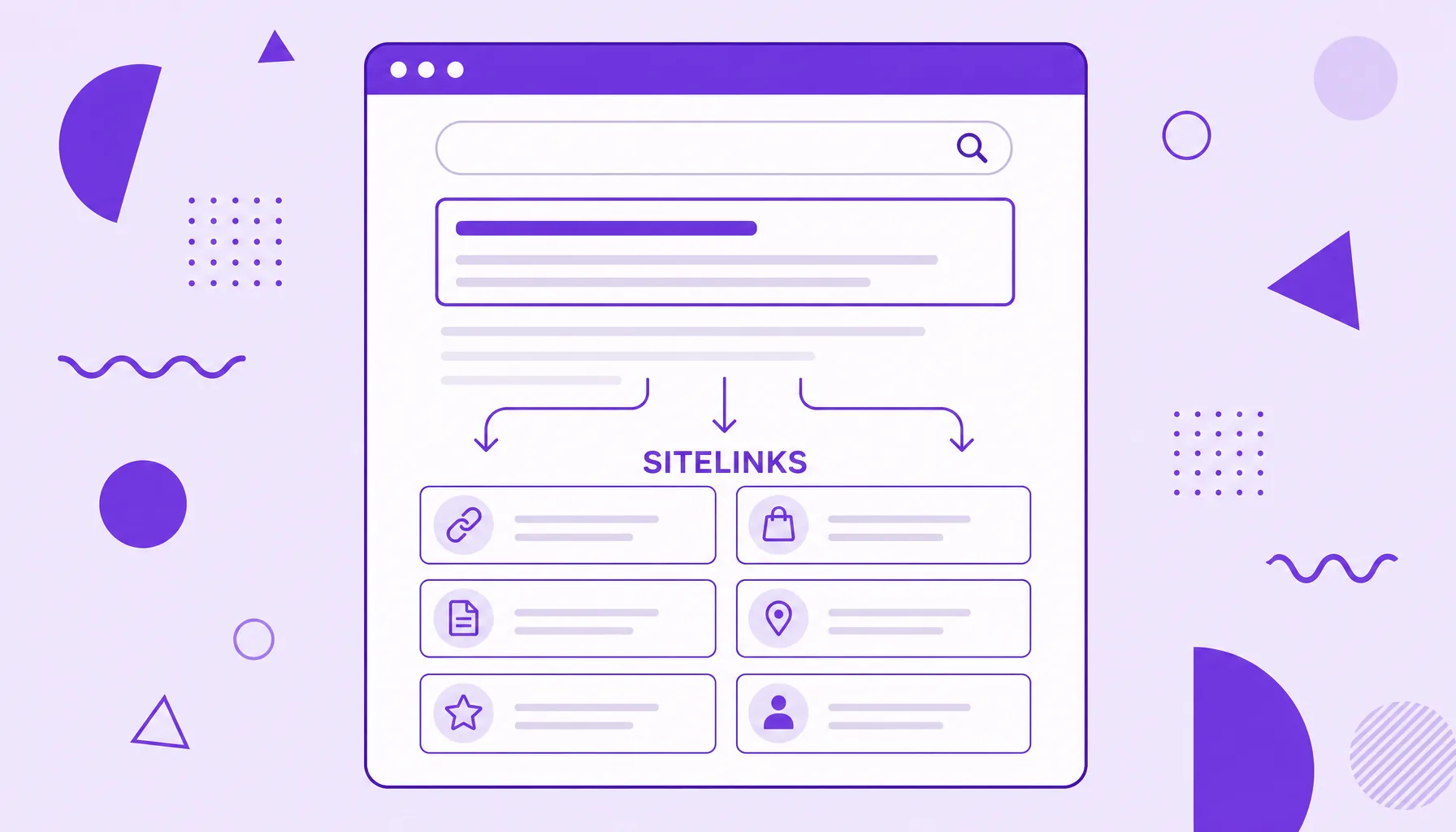
Sitelinks are the additional links that Google shows right below a site's main result, pointing to relevant internal pages such as contact, pricing, login or popular categories. They appear most often on brand or domain name searches, help the user go straight to what they want and are generated automatically by the algorithm, at no cost and with no button to switch them on.
Dofollow
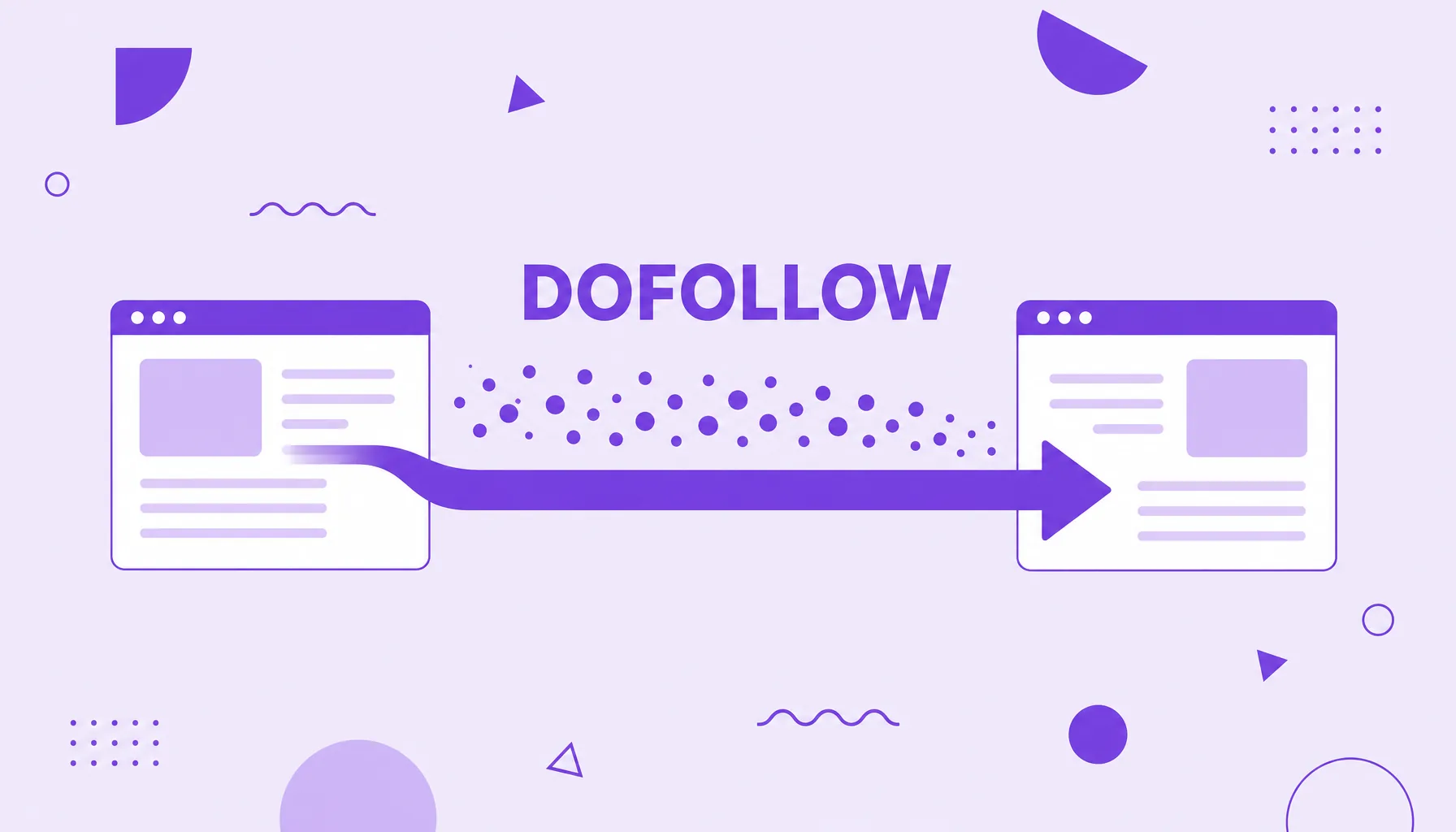
Dofollow is the default link of the web, the one that, by carrying no restriction, passes authority from the source page to the destination page. Every link is dofollow by default, unless it receives the rel="nofollow" attribute. In SEO, dofollow links are valuable because they work like votes of confidence that help the linked page rank better in search engines, making them the main fuel of link building.
301 redirect
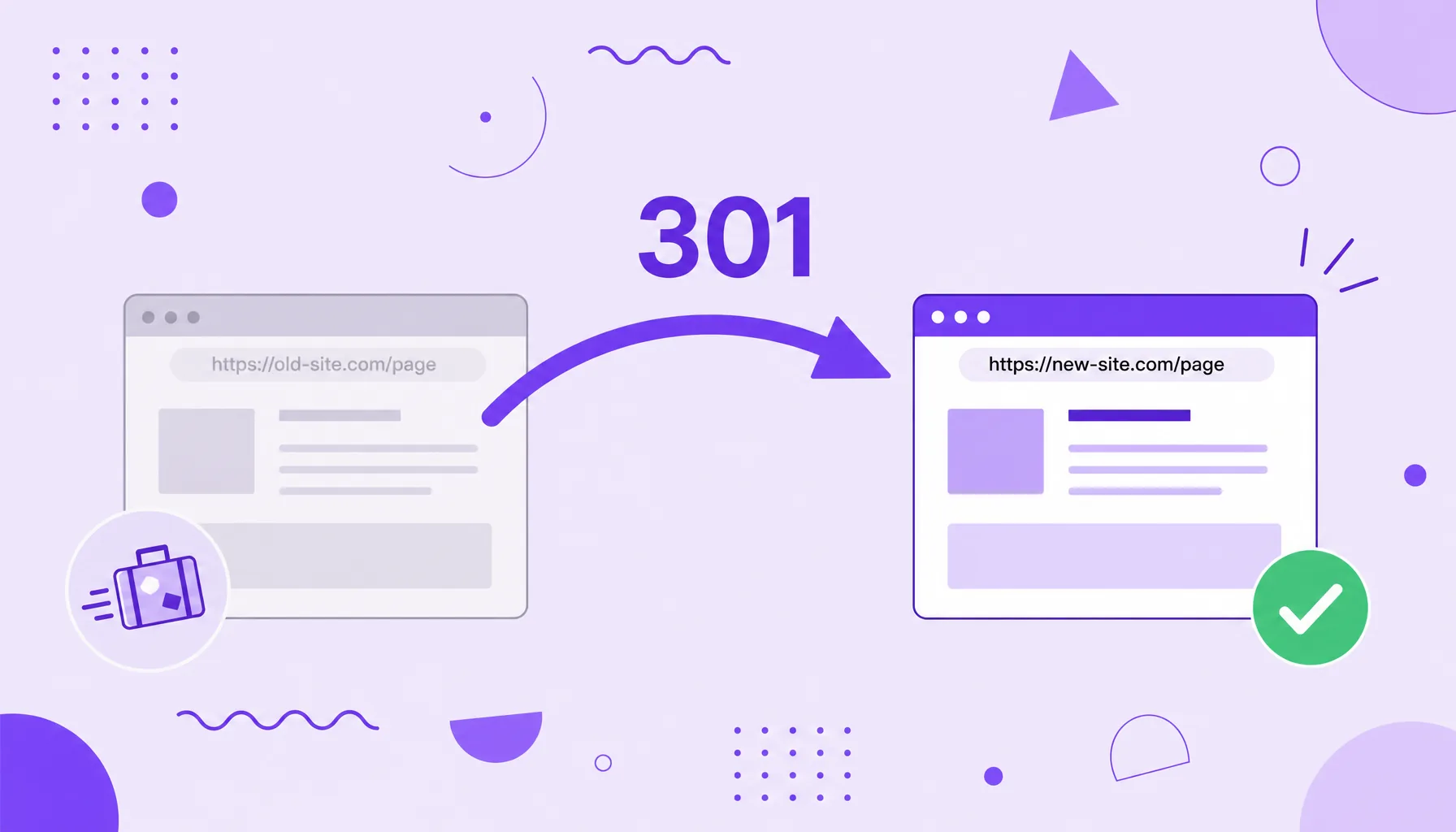
The 301 redirect is the type of permanent redirect that sends both the visitor and the search engine from an old URL to a new address, signaling that the change is definitive. Besides keeping people from landing on a nonexistent page, it passes most of the authority accumulated by the original URL to the new one, which makes it the correct way to change address, domain or site structure without losing positions on Google.
Keyword stuffing
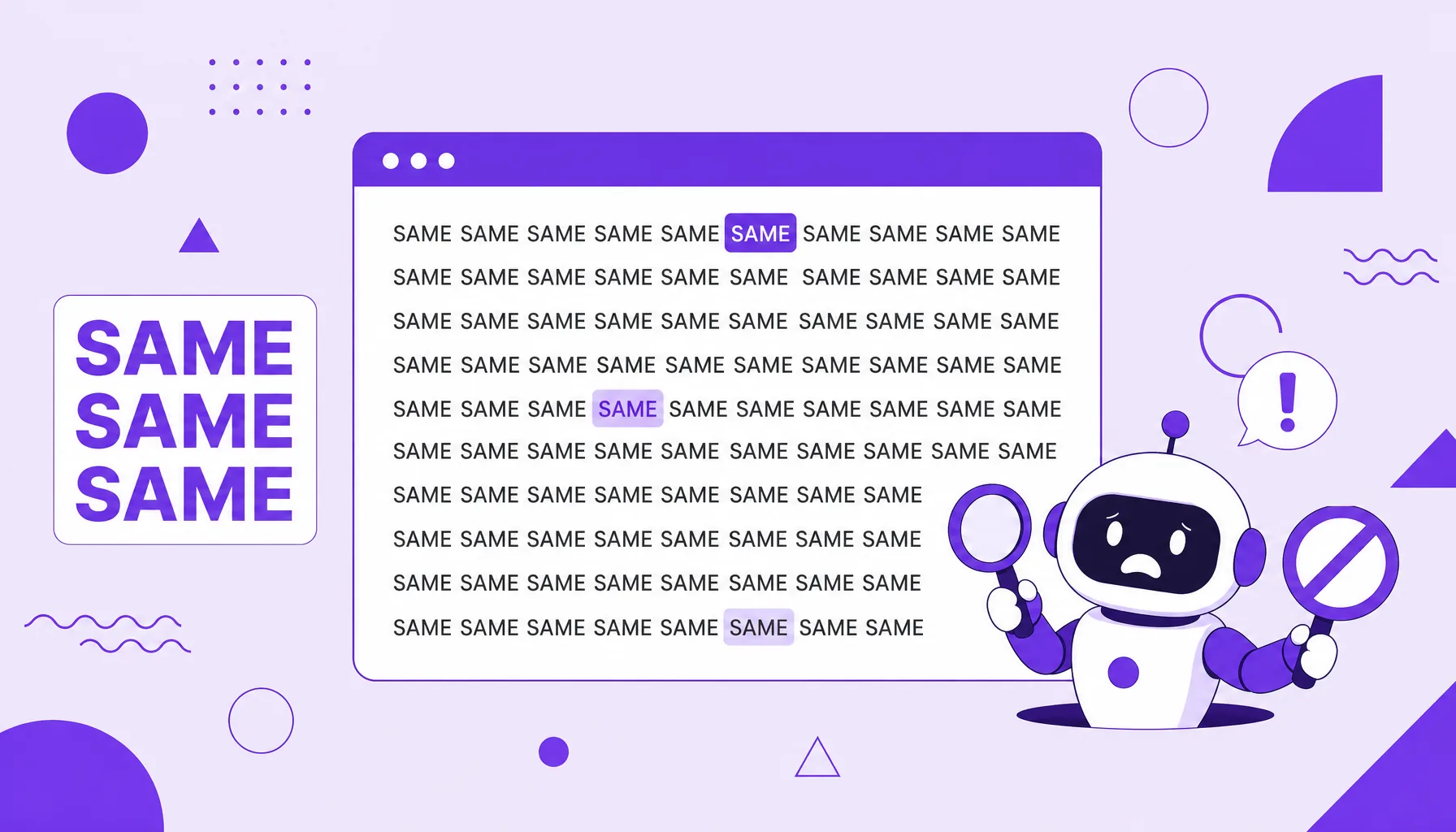
Keyword stuffing is the practice of repeating a keyword in an excessive, artificial way inside a page, trying to manipulate Google rankings. Instead of helping, that forced repetition hurts readability, signals spam to the search engine and can trigger a penalty. Today it is seen as an outdated black hat technique, since the algorithms understand the context of the text and reward content written for people.

Bounce rate
Bounce rate is the percentage of visits that land on a site and leave without any interaction, such as opening another page, clicking a link or completing an action. In traditional Google Analytics, a bounce was any single-page visit; in GA4, it became the opposite of the engagement rate, counting sessions that were not engaged. A high rate can point to an experience problem, but it is not always bad: it depends a lot on the type of page and the intent of whoever arrived.
YMYL
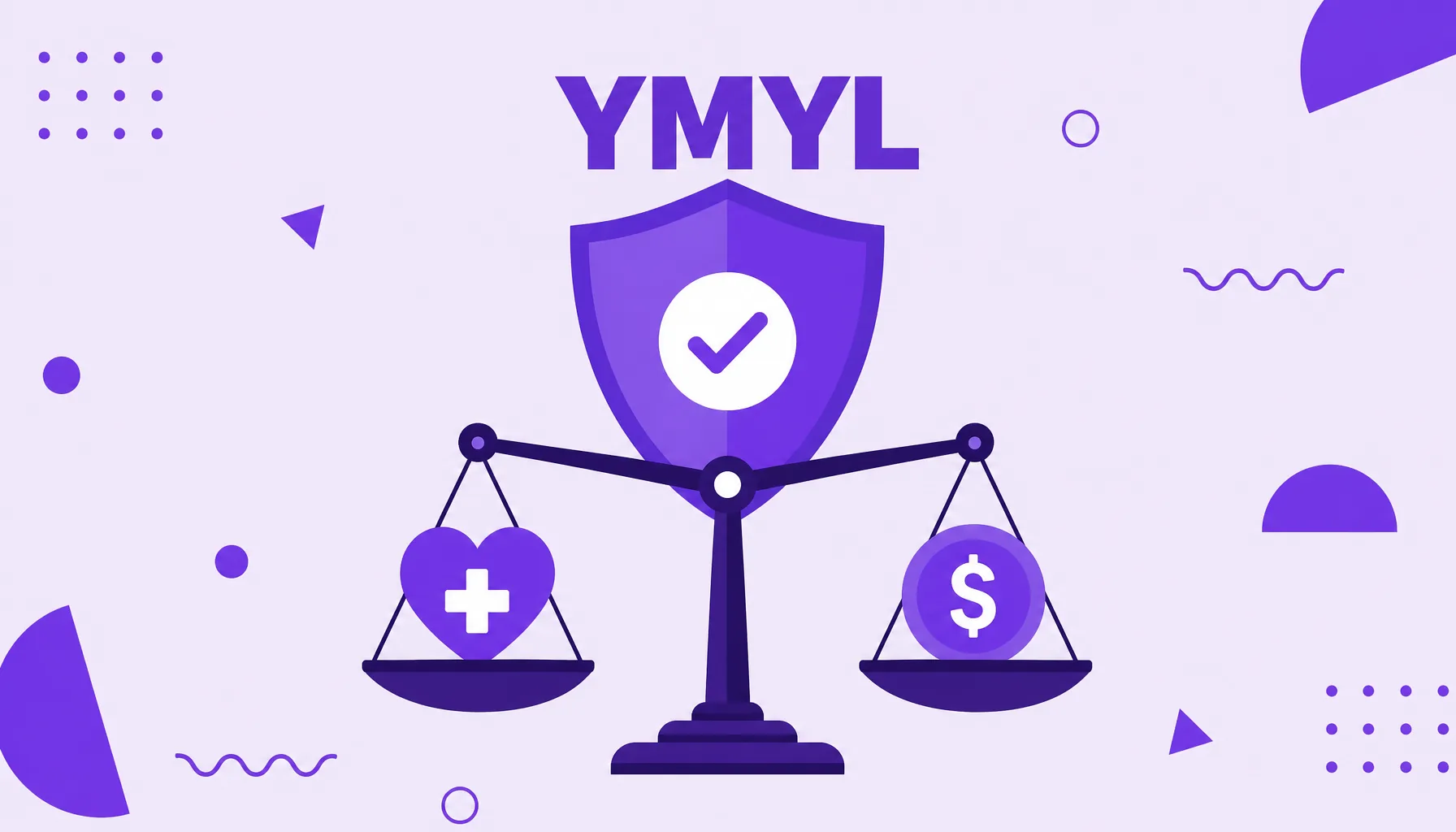
YMYL stands for Your Money or Your Life and names pages whose content can seriously affect people's health, safety, financial stability or well-being. Because of that potential to cause harm when the information is wrong, Google evaluates YMYL pages against a much higher quality standard, giving extra weight to signals of experience, expertise, authoritativeness and trust. Topics such as medicine, finance, law and news are typical examples of YMYL content.
Internal link
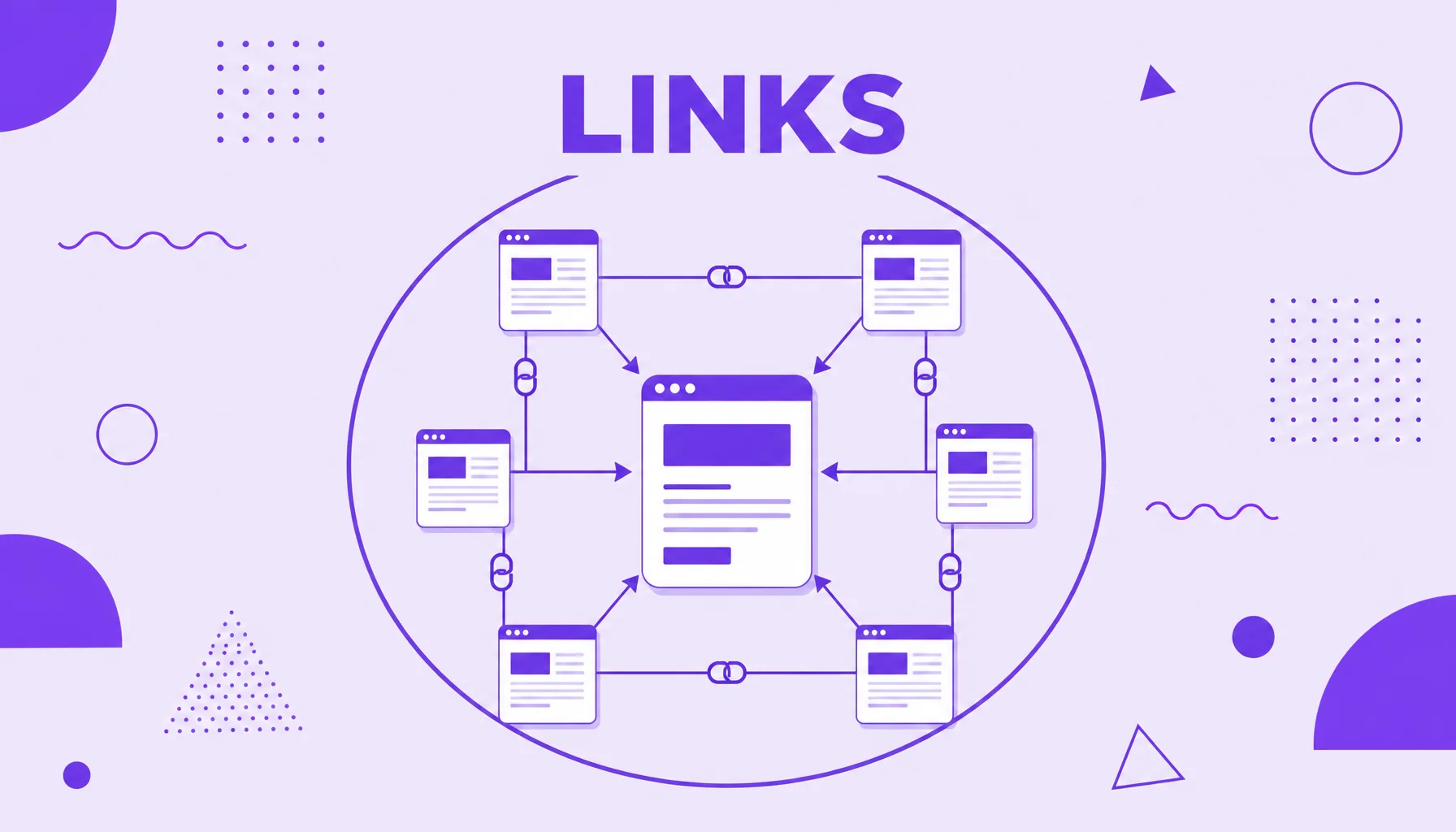
An internal link is the link that connects two pages within the same domain, taking the visitor from one piece of content to another on the site itself. Besides helping navigation, it distributes authority between pages, helps search engines discover and crawl new content and gives context about the topic of each page through the anchor text used. It is one of the simplest and, at the same time, most underrated on-page SEO tactics.

Anchor text
Anchor text is the visible, clickable part of a link, that is, the words a person clicks to go to another page. Besides guiding the reader, it works as a label that describes the destination: both the user and search engines use this text to predict what they will find on the other side of the link. That is why anchor text is a relevant SEO signal, used by Google to understand the topic and relevance of the linked page.
Core update
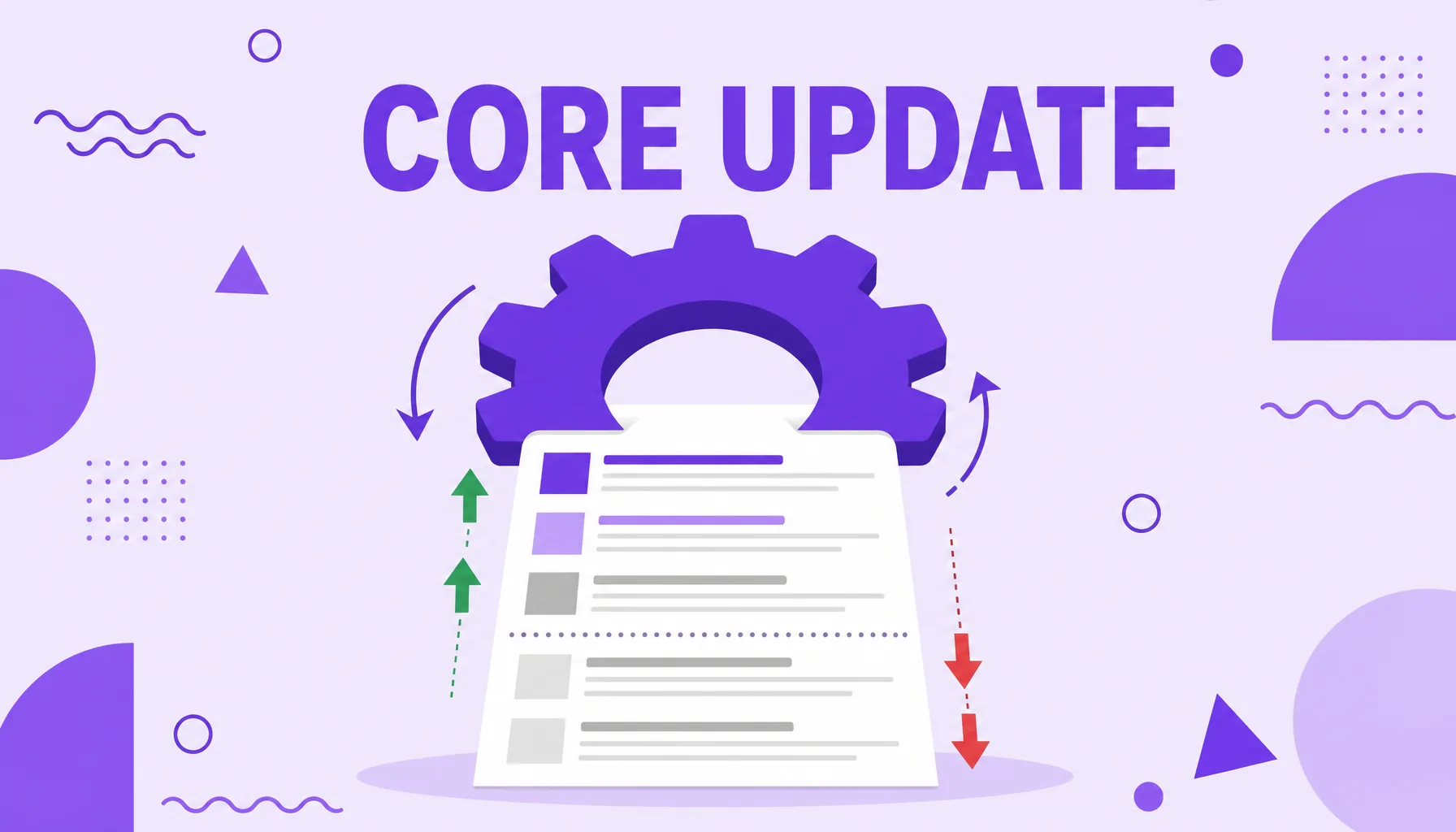
A core update (or main update) is a broad, periodic change Google makes to its ranking algorithm, capable of reshuffling search results across almost every niche at once. Unlike small tweaks, it reassesses how the search engine judges the relevance and quality of pages, which can make a site gain or lose positions even when nothing changed on the page itself.
Soft 404
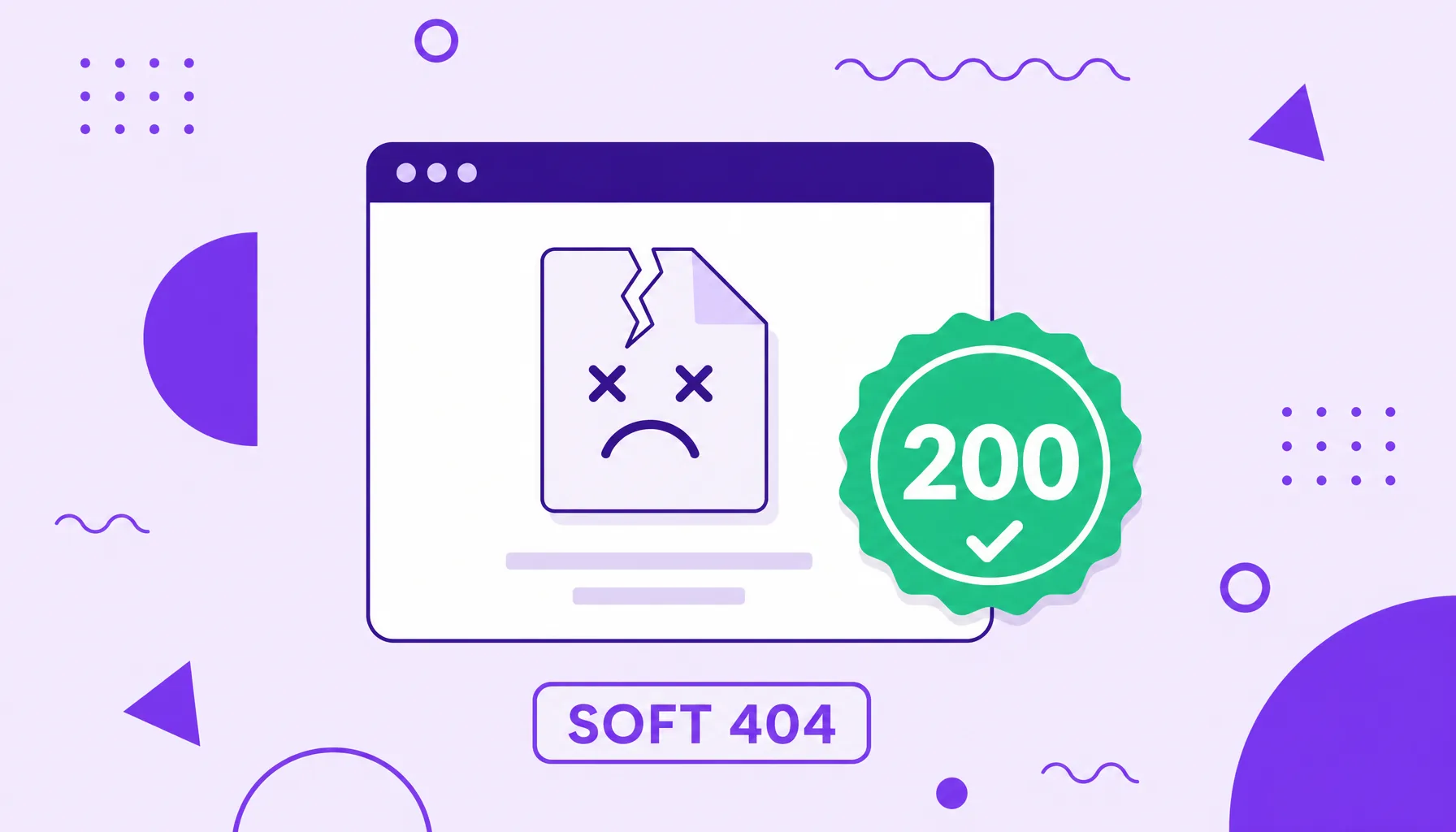
A soft 404 is the name Google gives to a page that responds with the success code 200, as if everything were fine, but in practice shows error or empty content, such as a page not found message. The search engine notices the contradiction between what the server says and what the page actually delivers, marks the URL as a soft 404 and avoids indexing it, which wastes crawling and can hurt the site's SEO.
Search volume
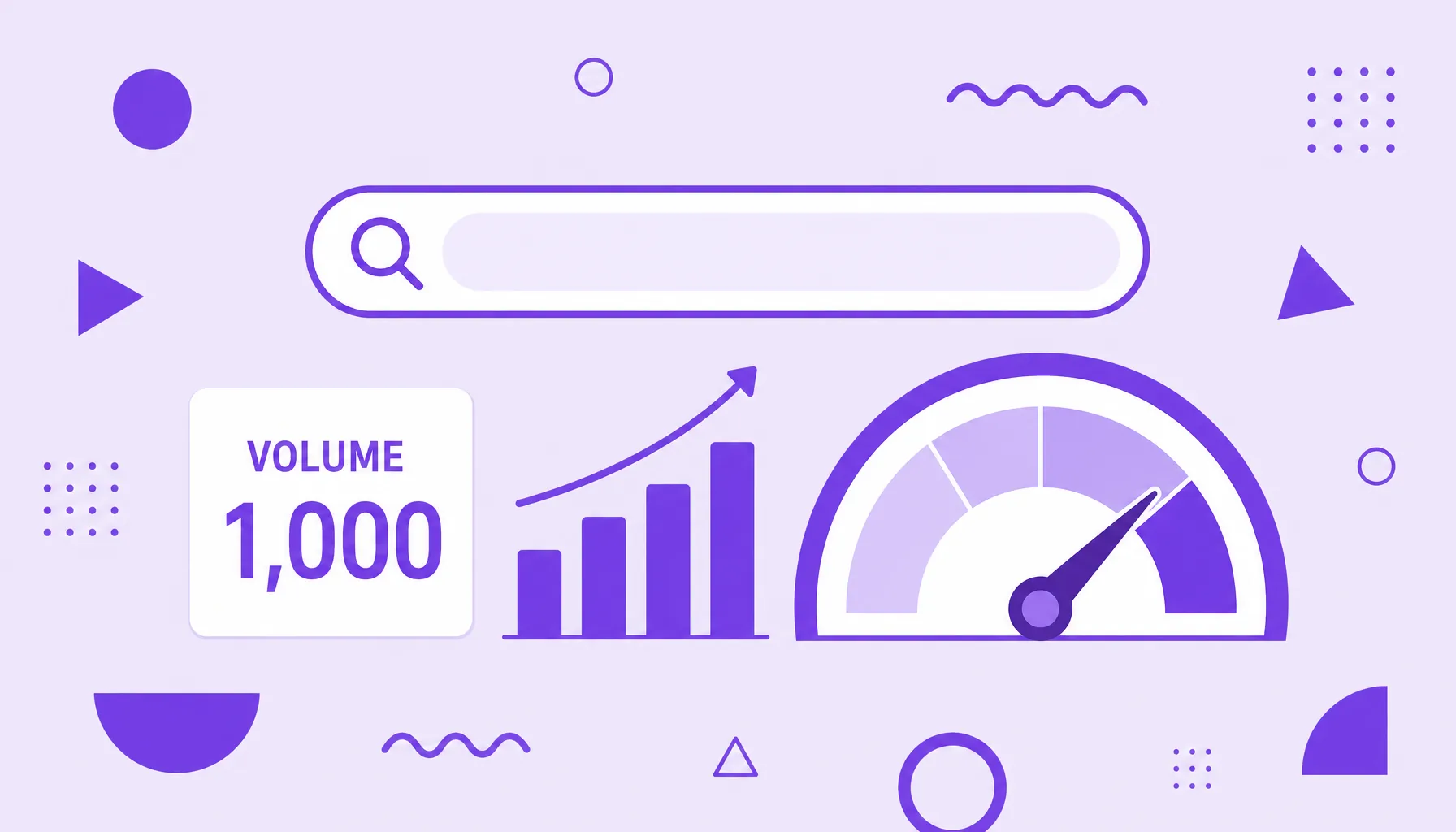
Search volume is the estimated number of times a keyword is searched in a search engine, usually calculated as a monthly average. It shows the size of the demand for a term and is one of the first data points analyzed in keyword research, since it helps decide which topics are worth producing content for. Because it is an estimate, it should be read alongside difficulty and search intent, not in isolation.
Semantic SEO
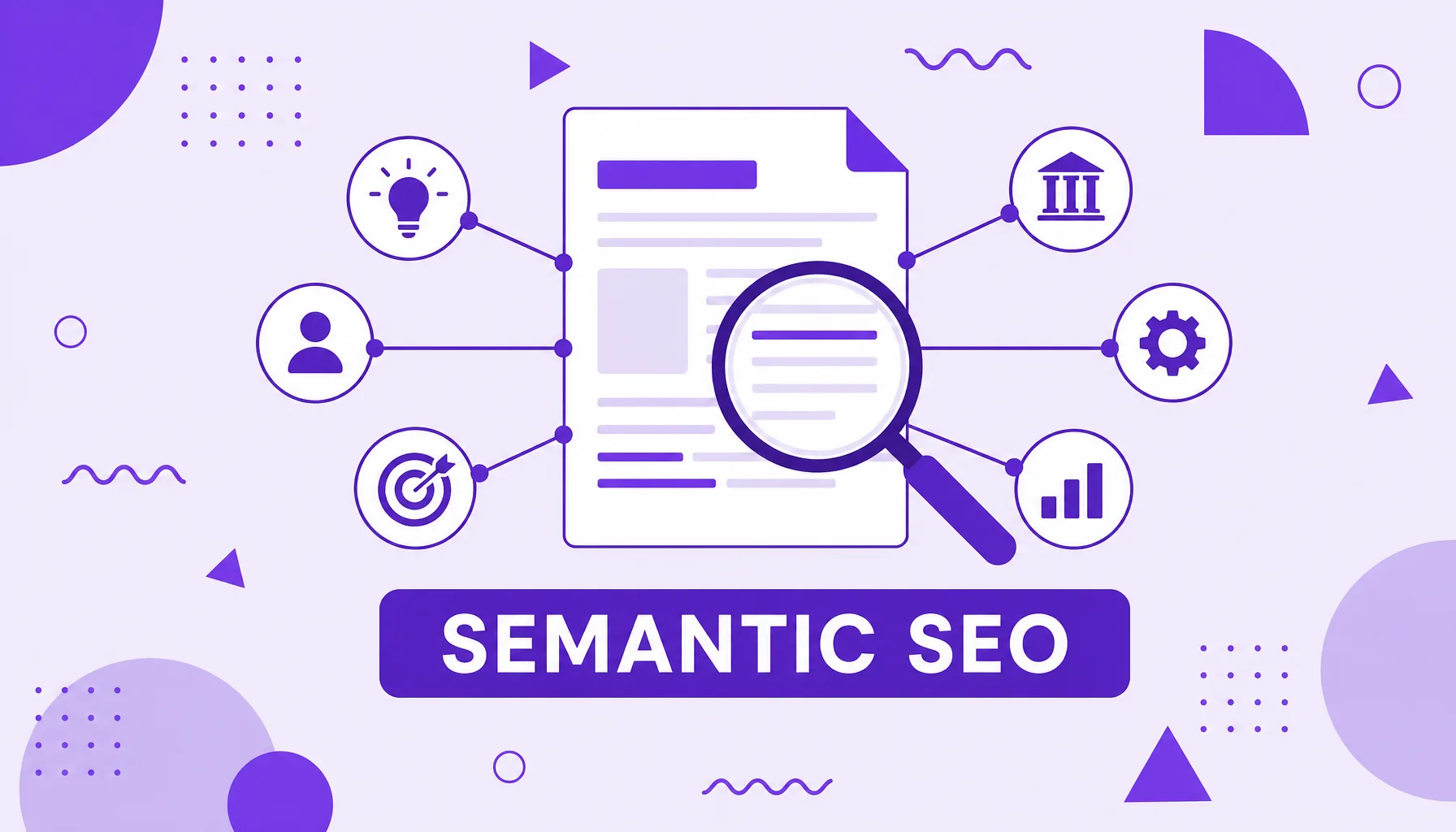
Semantic SEO is the practice of optimizing content around its meaning, the entities it mentions and the topics it covers, rather than around the repetition of an exact keyword. The goal is to help search engines like Google understand the full context of a subject, the relationships between themes and the intent behind a search. When content covers a topic with depth and clarity, it answers many variations of the same question at once and earns relevance in the eyes of an algorithm that now reads meaning, not just isolated words.
Canonical URL
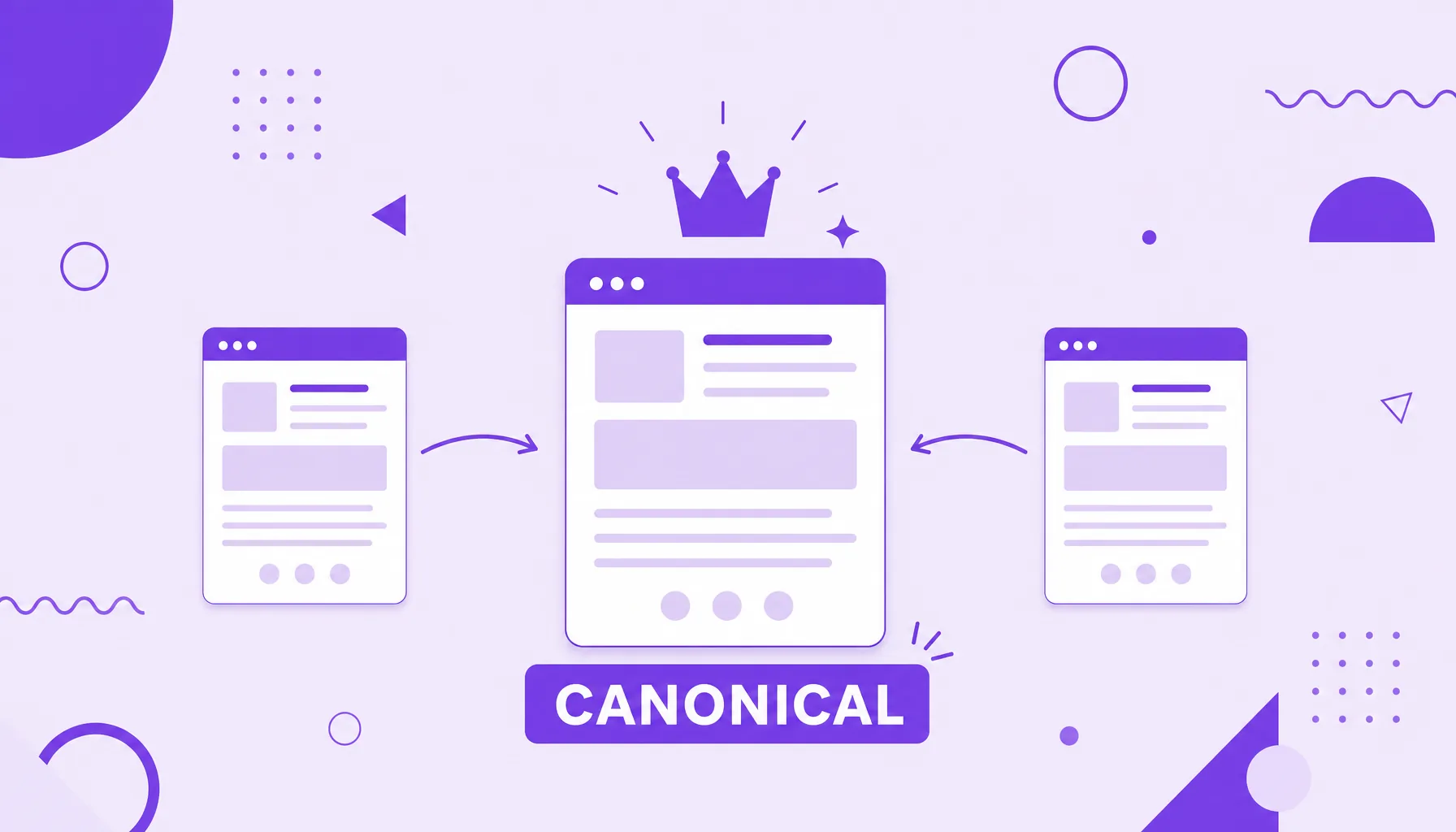
A canonical URL is the preferred version of a page when several addresses hold identical or very similar content. It is signaled to the search engine by a canonical tag (rel=canonical) in the HTML or by other signals, telling it which URL should be treated as the original, the one that appears in search and concentrates the authority of the links. It is the main tool for solving duplicate content without deleting pages or harming the user experience.
Spam update
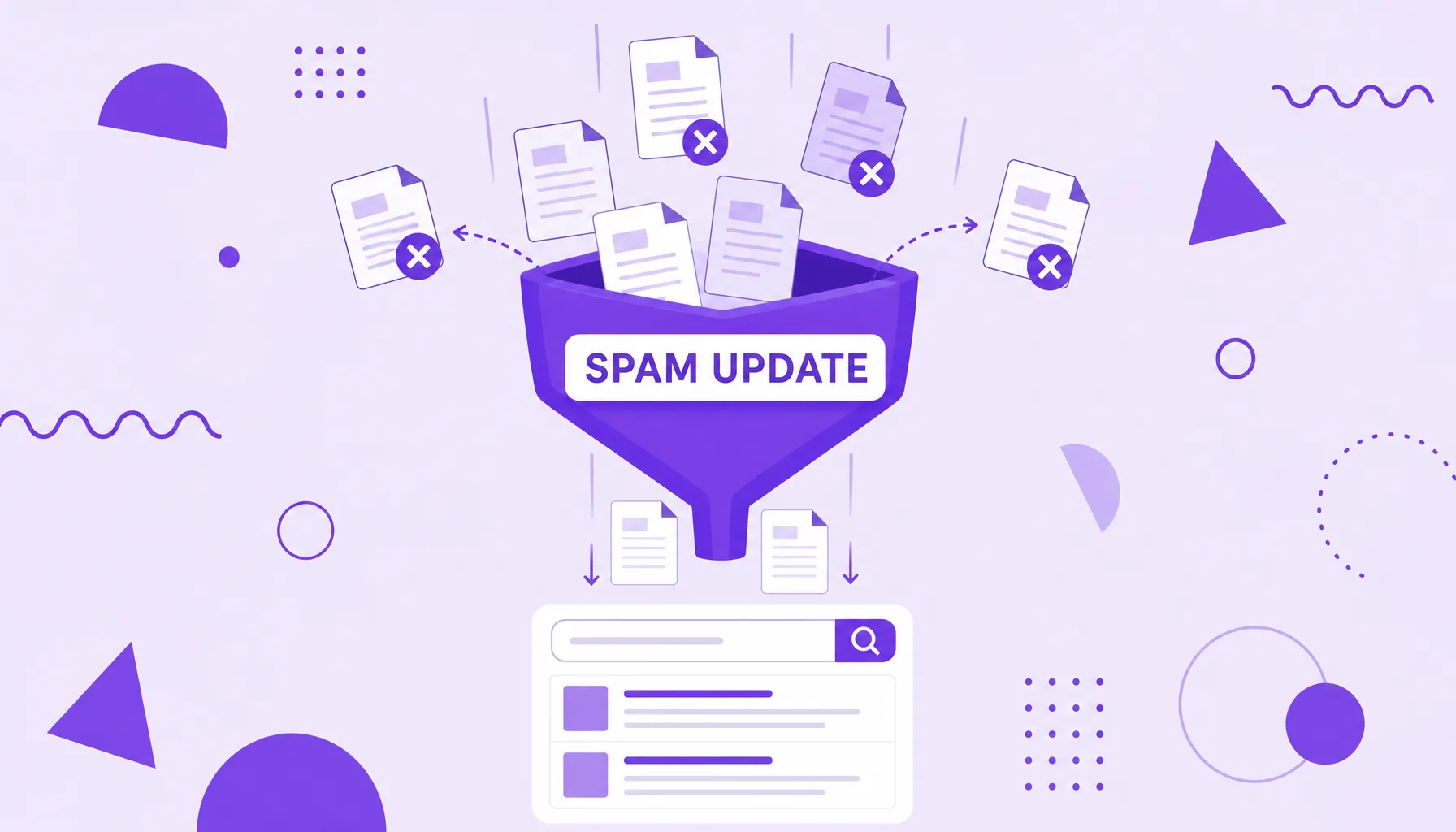
A Google Spam Update is an update in which Google strengthens its automatic anti-spam systems, targeting pages and sites that violate the search engine's spam policies. Unlike a core update, which reassesses the general quality of results, the spam update focuses on specific manipulative practices, such as mass-produced content, site reputation abuse, cloaking and link schemes. Hit sites usually lose positions until they fix what broke the rules.
Crawl budget
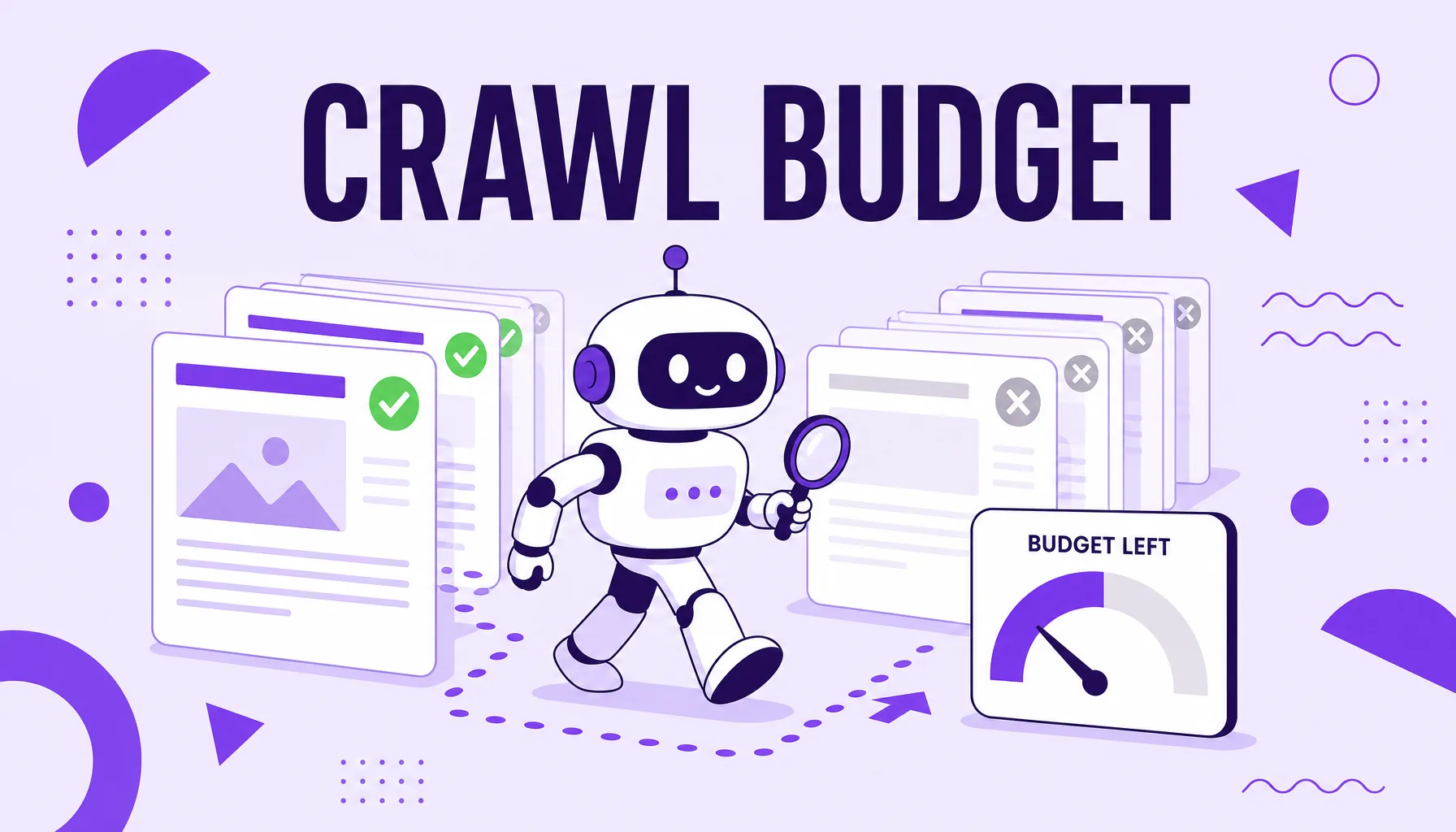
Crawl budget is the number of pages a search engine like Google is willing to crawl on a site within a given period. It comes from the combination of how much your server can handle the robot's visits and how interested Google is in revisiting that content. On small sites it is rarely a problem, but on large sites every visit from the crawler becomes a scarce resource worth managing.
Topical authority
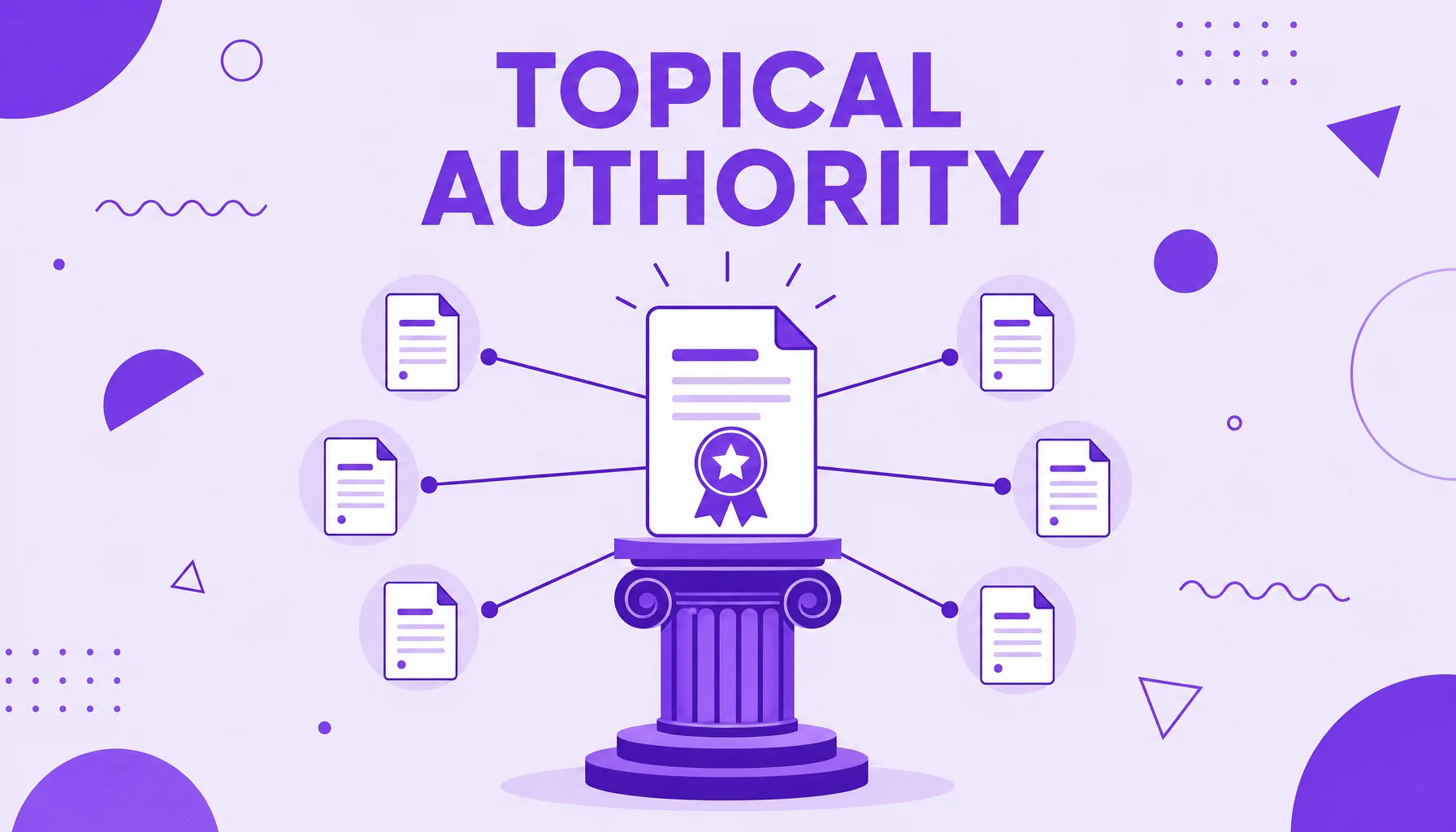
Topical authority is the reputation a site earns by covering a theme broadly and deeply, to the point where the search engine starts treating it as a reference on that subject. Instead of aiming at a single keyword, the site works the whole topic, with many connected pieces that answer questions end to end. The more complete and consistent that coverage, the more Google trusts the domain to rank its pages on the topic.
Keyword difficulty
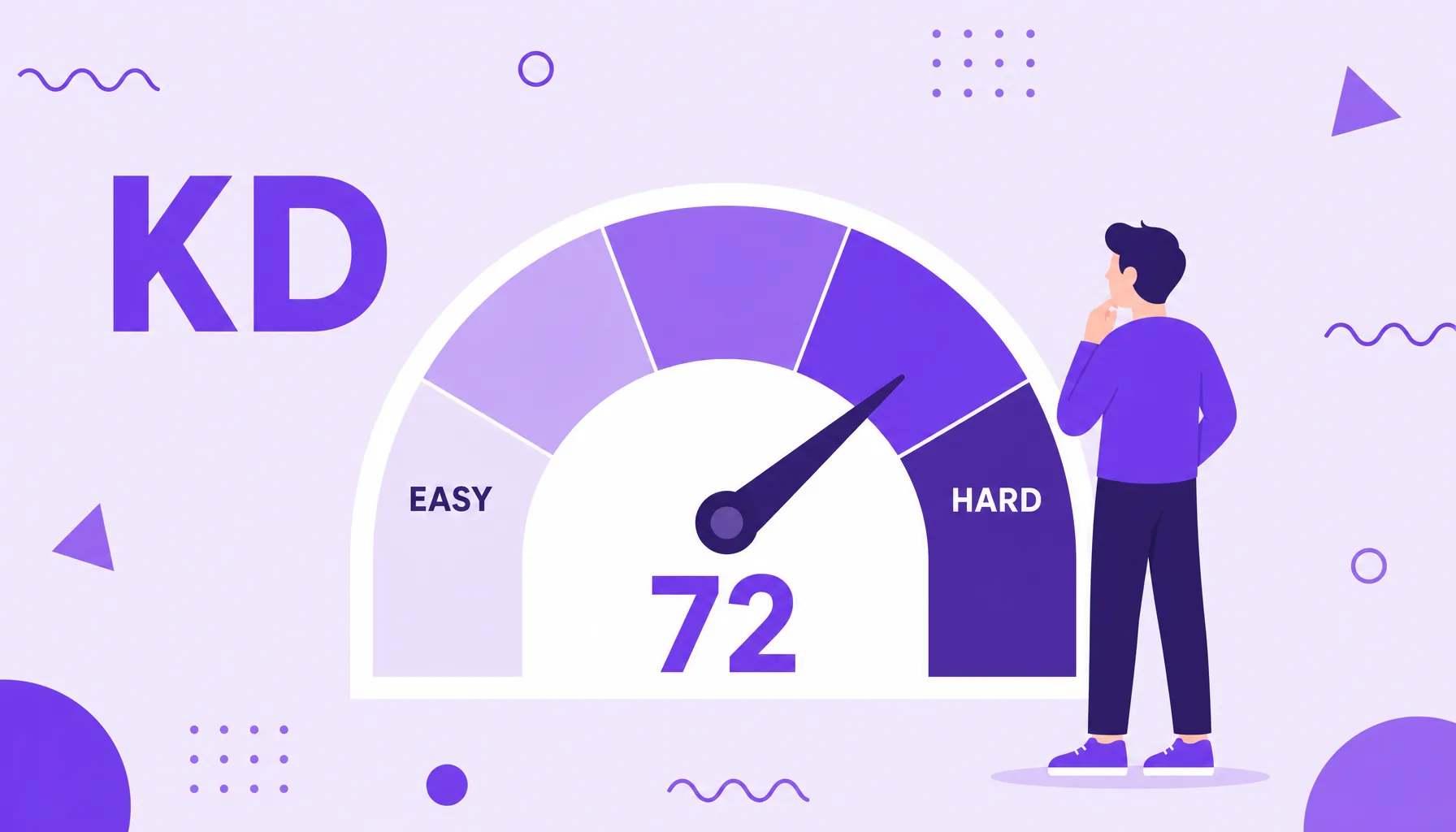
Keyword difficulty (KD) is the estimate of how much effort it takes to rank among the top results for a term, given the competition already holding those positions. SEO tools sum up that contest in a score from 0 to 100: the higher the number, the stronger the sites you would have to beat. It is a compass for choosing battles worth fighting, not a final verdict.
Keyword cannibalization
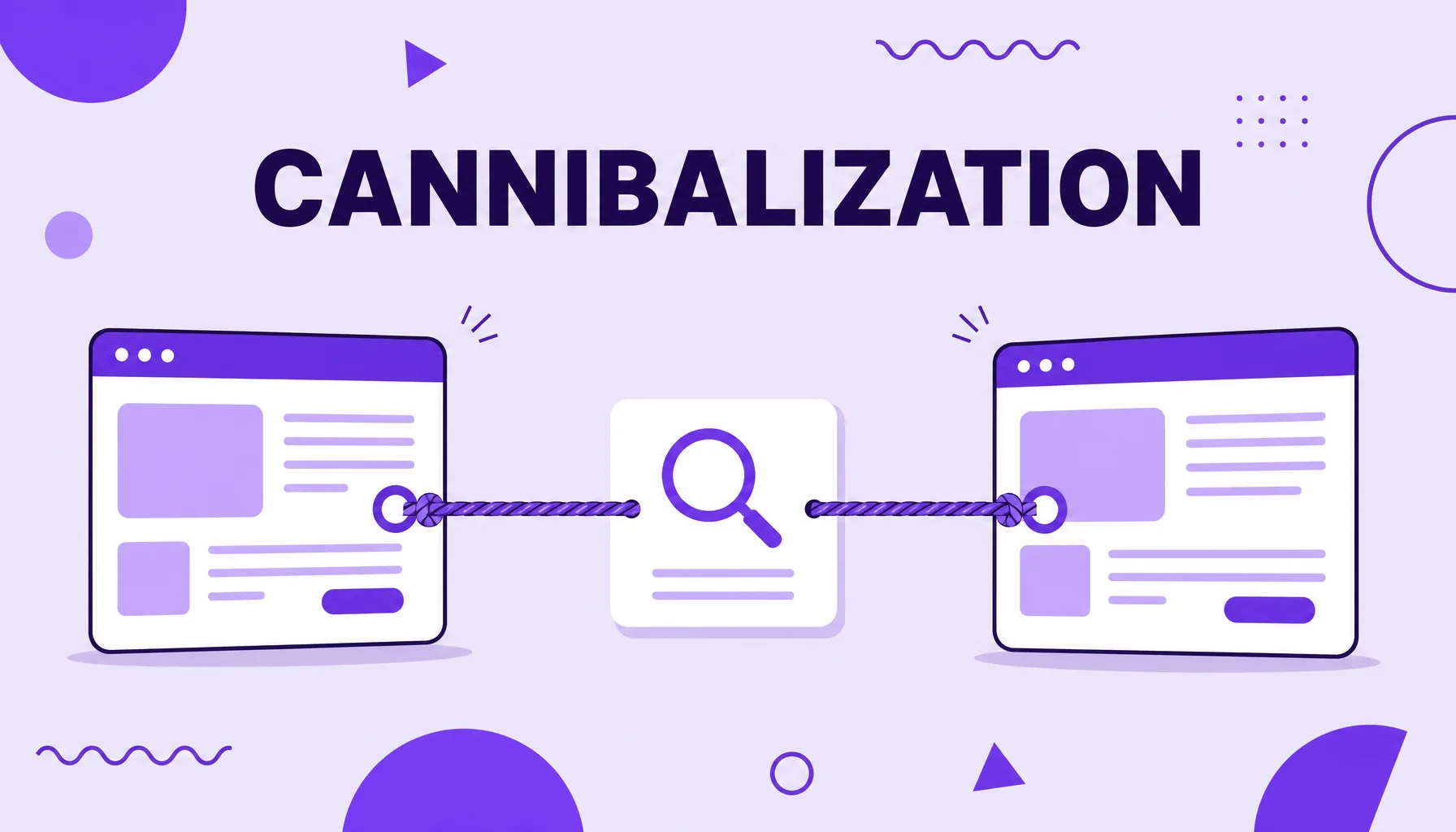
Keyword cannibalization happens when two or more pages on the same site compete against each other for the same query on Google. Instead of joining forces, they split the relevance signals and the clicks, and the search engine gets unsure which one to show. The result is usually worse positions and less traffic than a single strong page would have on its own. Fixing cannibalization means reorganizing content so every search has a clear owner.
Keywords and on-page
Keyword research and on-page optimization.

Header tag
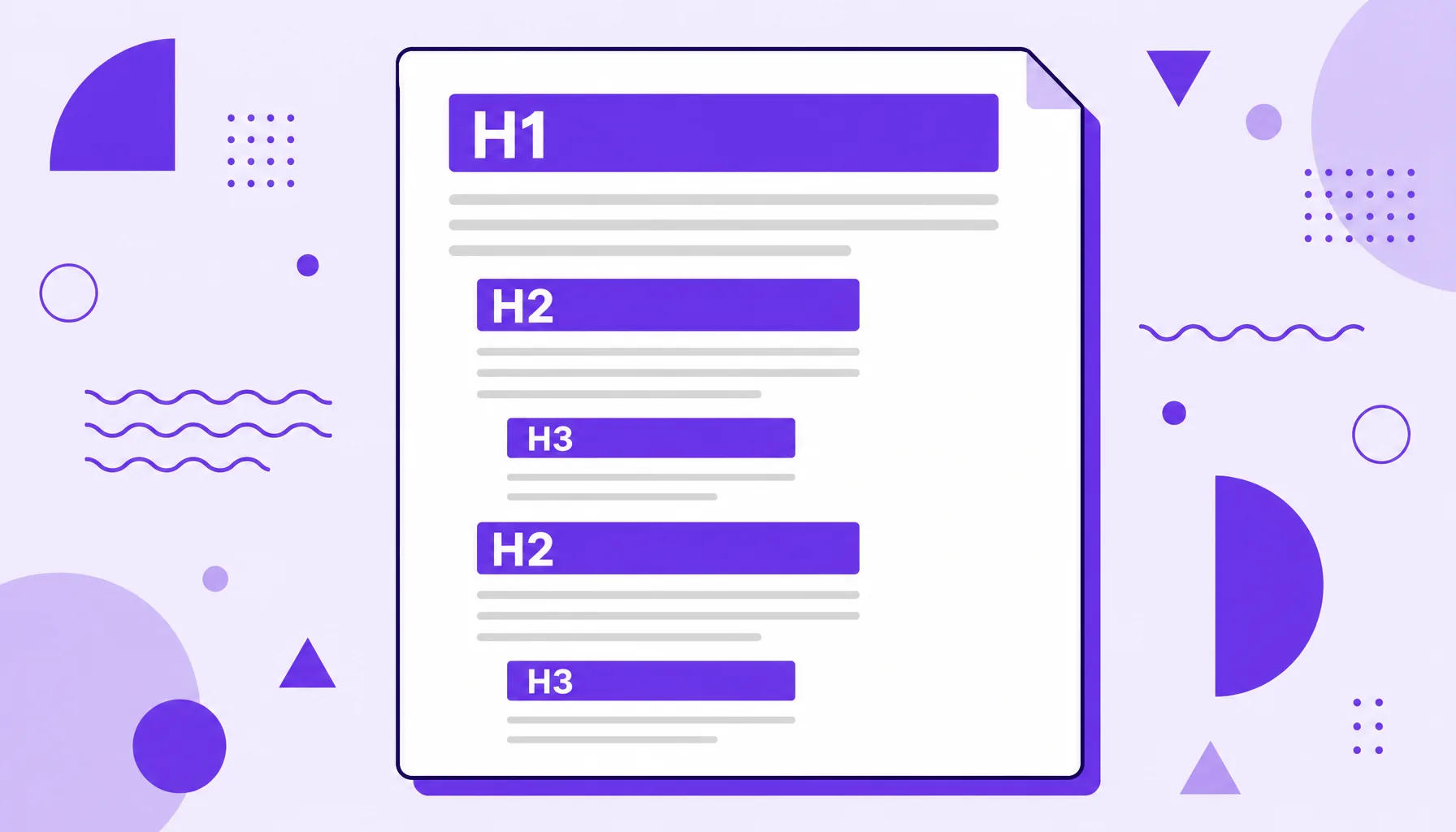
A header tag, in the context of SEO and the web, is each HTML title tag from H1 to H6 that organizes the hierarchy of a page's content. The H1 names the main subject, while H2, H3 and the following levels open sections and subsections in order of importance. Used well, header tags make the text scannable for the reader and help Google understand the structure and topic of each page.

H1
The H1 tag is the main heading of a web page, the highest level heading in HTML, which signals to readers and to Google what the central topic of the content is. As a rule, each page has a single H1, shown prominently at the top, which sums up the page's promise and usually reflects the main keyword in a natural way.
Slug
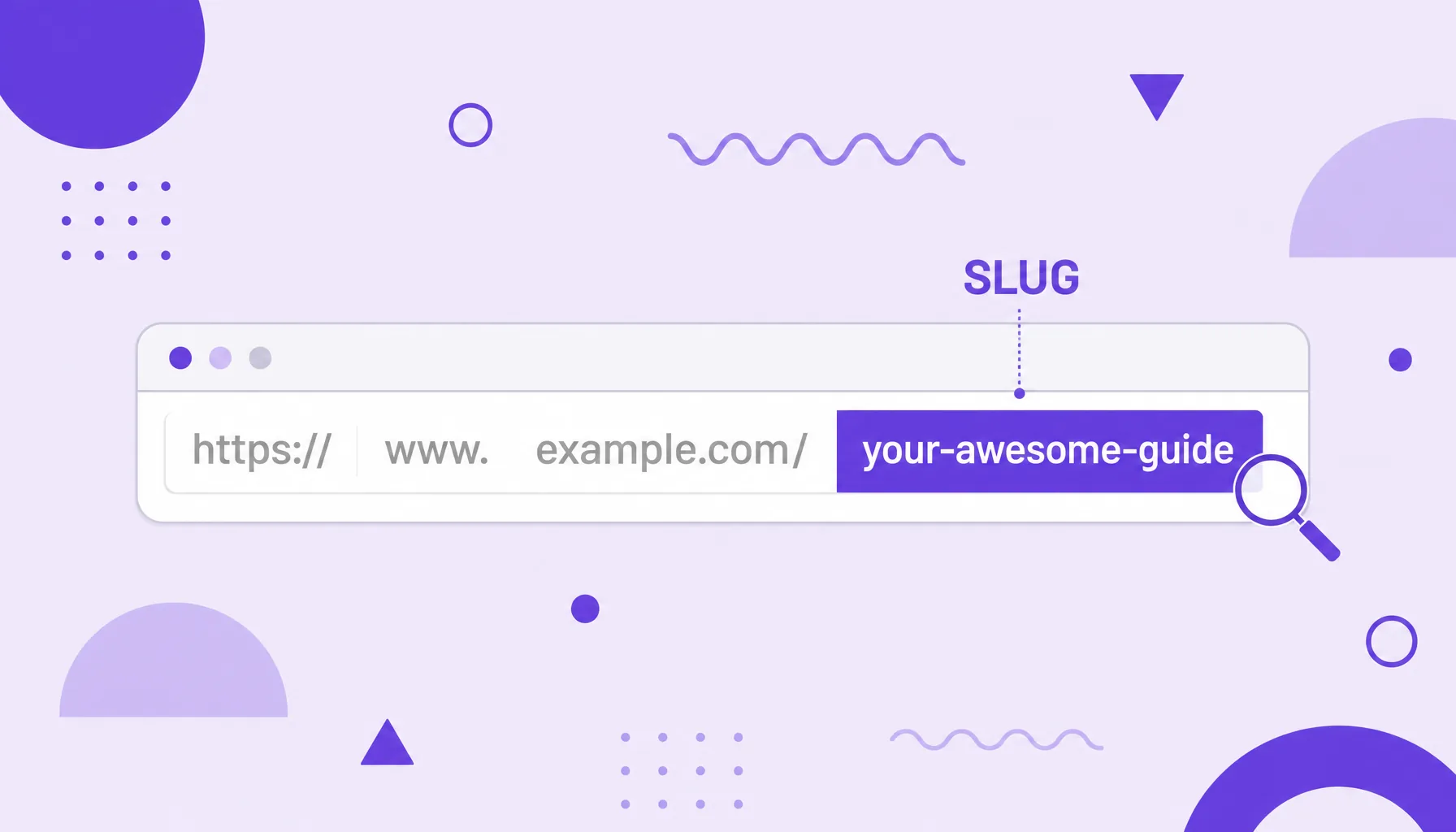
The slug is the final, editable part of a URL that identifies a page in a descriptive way, usually right after the domain. In an address like example.com/blog/what-is-a-slug, the slug is the what-is-a-slug portion: a short, lowercase, hyphen separated text that sums up the content for both people and search engines.
Noindex
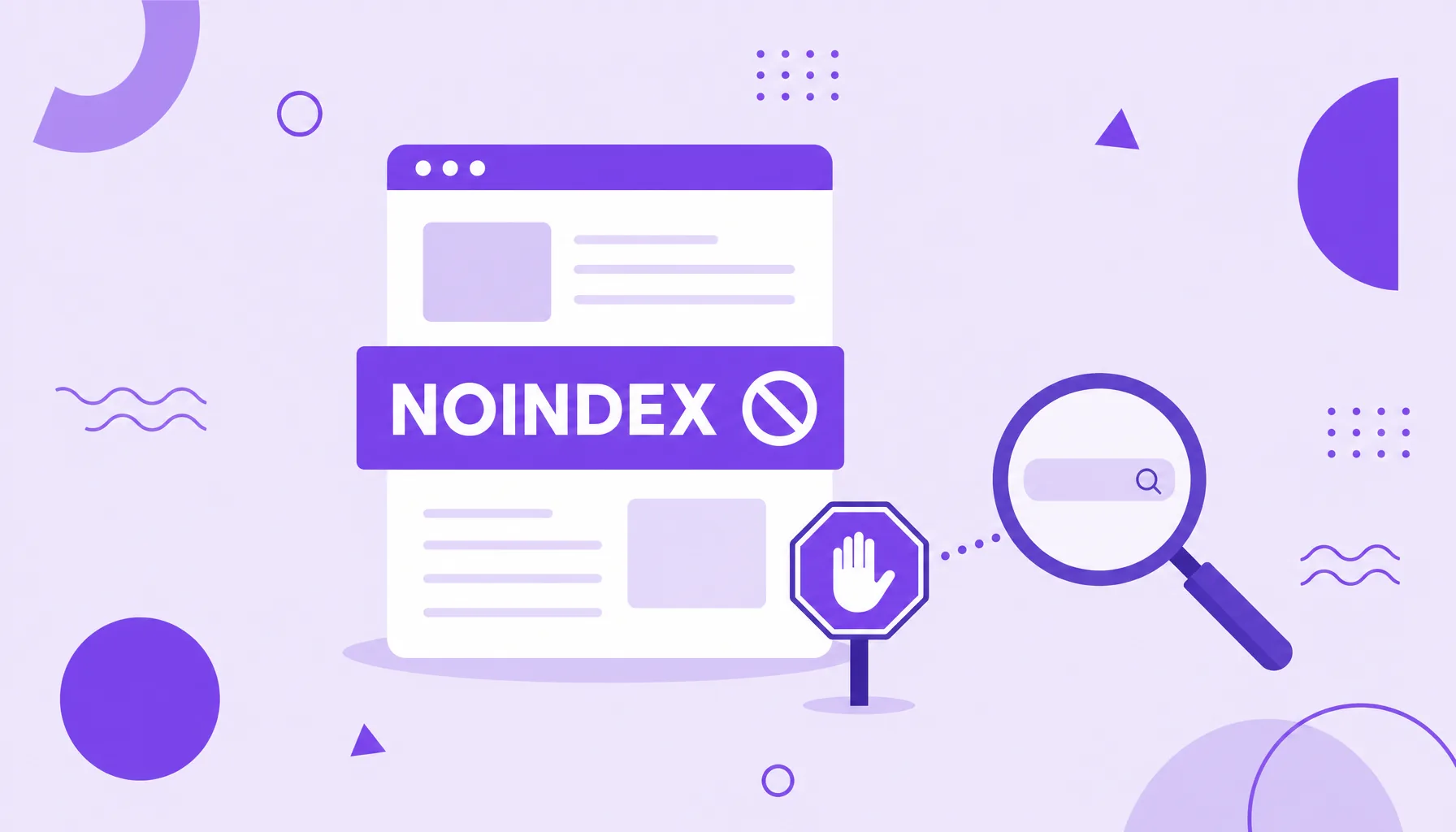
Noindex is a directive that tells search engines not to include a page in the search results. It is applied through a robots meta tag in the HTML or through an HTTP header, and it makes Google drop the page from the index even when other sites link to it. Unlike robots.txt, which blocks crawling, noindex requires the page to stay crawlable so the search engine can read the instruction.

Readability
Readability is how easily a text can be read and understood. It depends on factors such as sentence length, word choice, paragraph structure and page formatting. Readable content is content the reader moves through effortlessly, from start to finish, which is why readability is one of the pillars of good content for both people and search engines.
Subheadings
A subheading is a secondary heading, marked in HTML as H2 or H3, that splits content into scannable sections and subsections. While the H1 announces the general topic of the page, subheadings organize the internal blocks, guide reading and help both the user and Google understand the structure of the text. In on-page SEO, good subheadings improve readability and reinforce the relevance of each section.
LSI
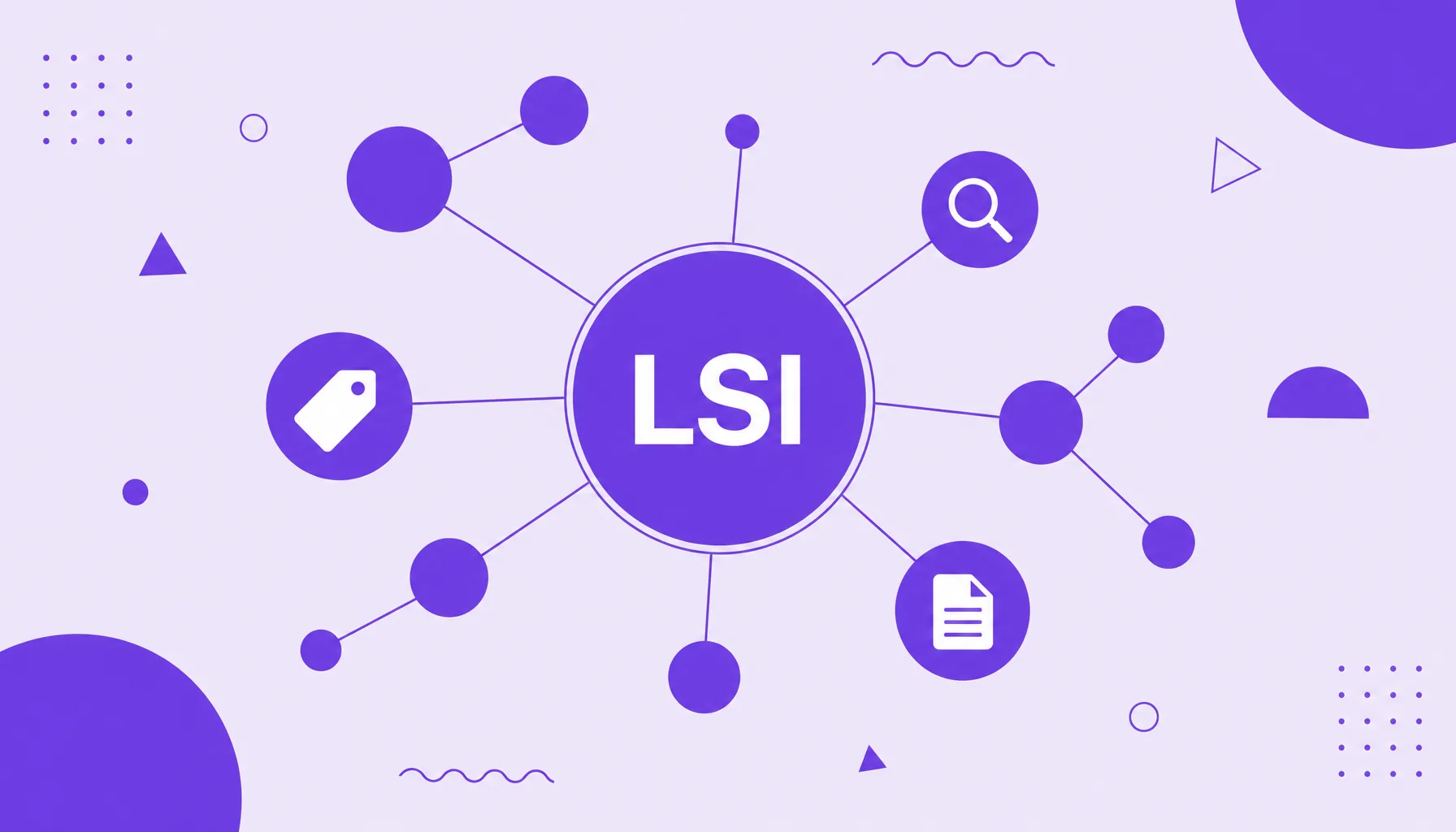
LSI, short for Latent Semantic Indexing, is an information retrieval technique from the 1980s that identifies relationships between terms based on the patterns in which they appear together across many documents. In SEO jargon, the name ended up becoming a synonym for so called LSI keywords, the terms semantically related to a topic, even though Google states that it does not use LSI in its algorithm.
TF-IDF
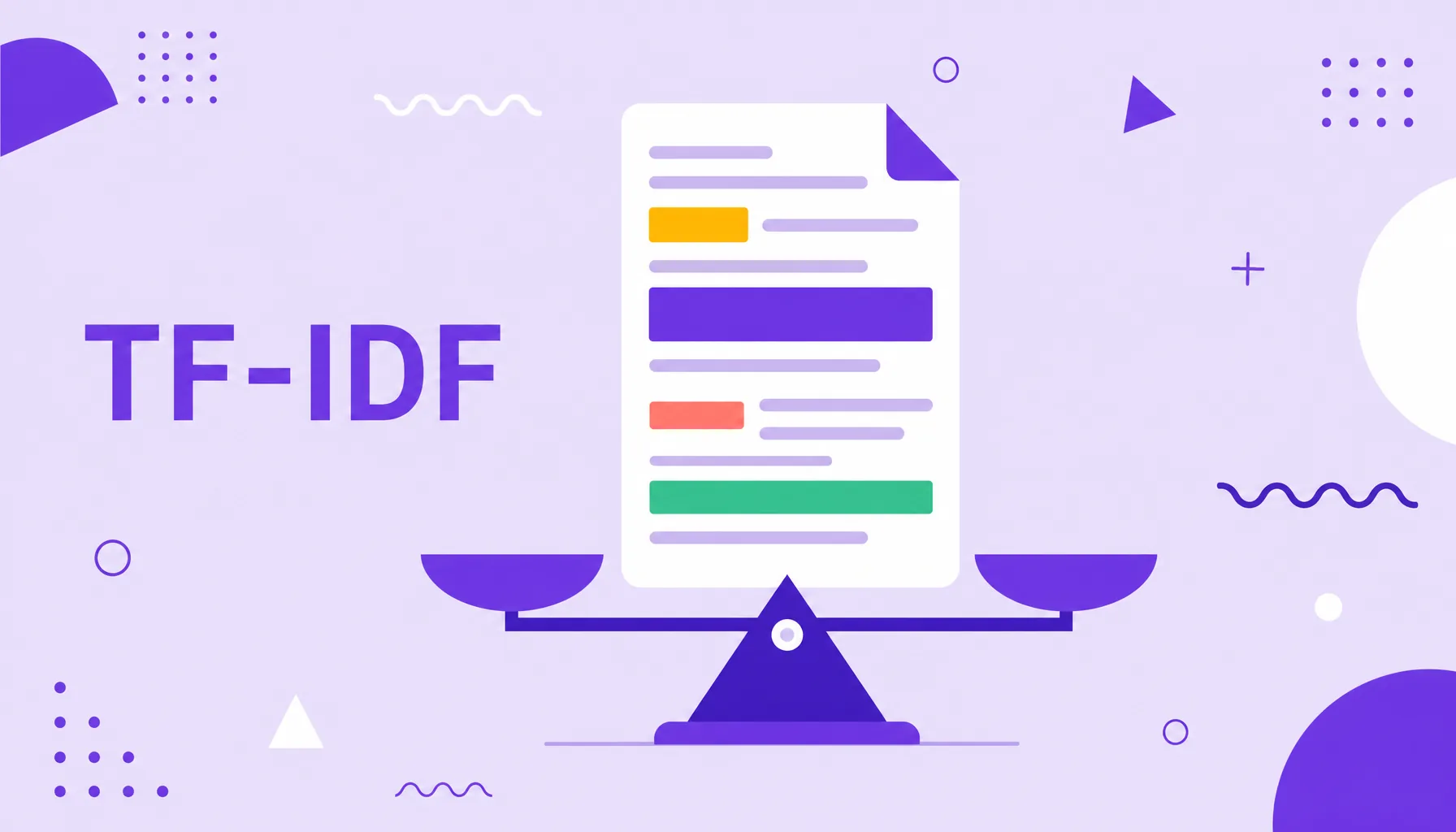
TF-IDF (Term Frequency, Inverse Document Frequency) is a statistical measure that weighs the importance of a word within a document relative to how often it appears across a whole collection of texts, known as the corpus. The logic is straightforward: a term that shows up a lot on a page but is rare in the rest of the documents tends to describe that content better. In SEO, TF-IDF helps you understand which words give context to a topic, even though it is not a direct Google ranking factor.
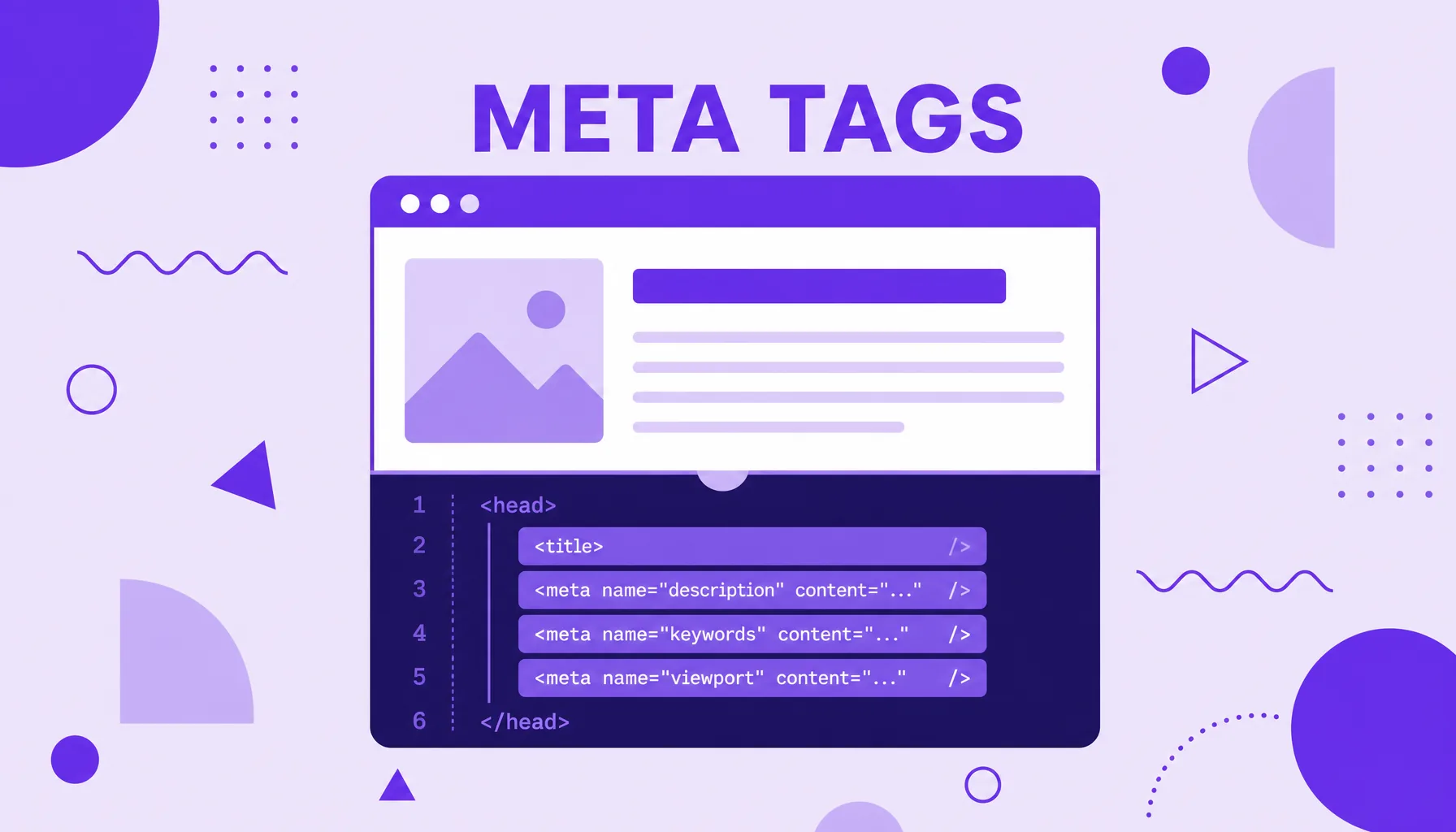
Meta tags
Meta tags are snippets of code placed in the HTML head of a page that pass information about it to search engines and social networks, without appearing in the visible body of the text. They describe the title, summary, indexing directives, language and how the link should be displayed when shared. Some influence SEO indirectly, others control whether and how the page appears in results.
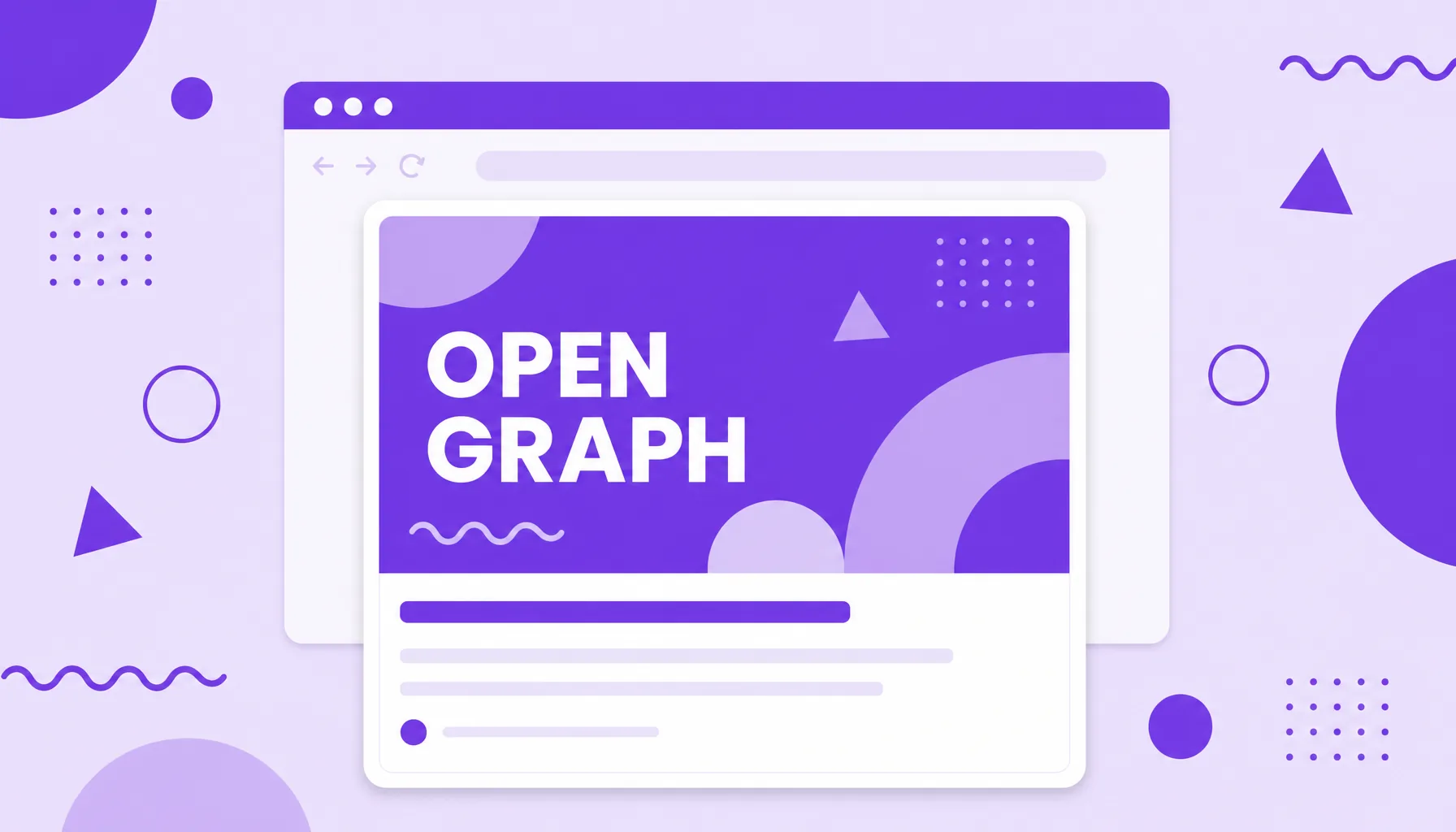
Open Graph
Open Graph is a meta tag protocol, originally created by Facebook, that controls how a link looks when someone shares it on social networks and messaging apps. With tags such as og:title, og:description and og:image in the page header, you define the title, the description and the image of the preview card, instead of letting the social network pick random pieces of the content. It is what turns a raw link into an attractive, clickable card.
Keyword research
Keyword research is the process of finding, evaluating and prioritizing the terms your audience types into search engines. It combines data on search volume, difficulty and intent to decide which words are worth investing content in. It is the foundation of any SEO strategy, because it defines what to write about and in what order, aligning production with people's real questions.
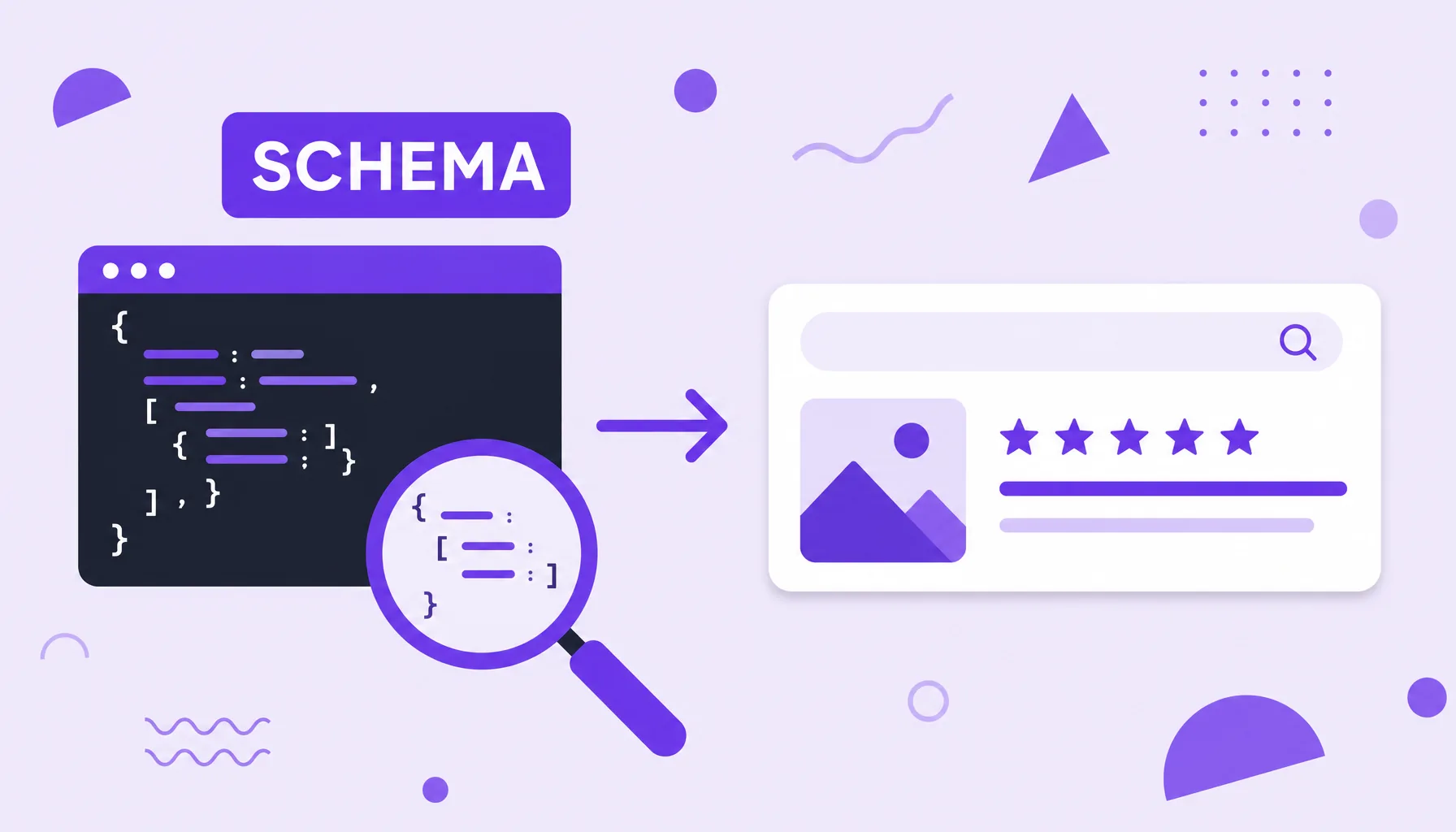
Schema markup
Schema markup is the markup code you add to a page's HTML using the Schema.org vocabulary to explicitly describe what each element means (a product, a review, a frequently asked question, an event). It does not change what the visitor sees, but it helps Google understand the content accurately and display rich results, such as stars, prices and questions directly on the results page.
People also ask
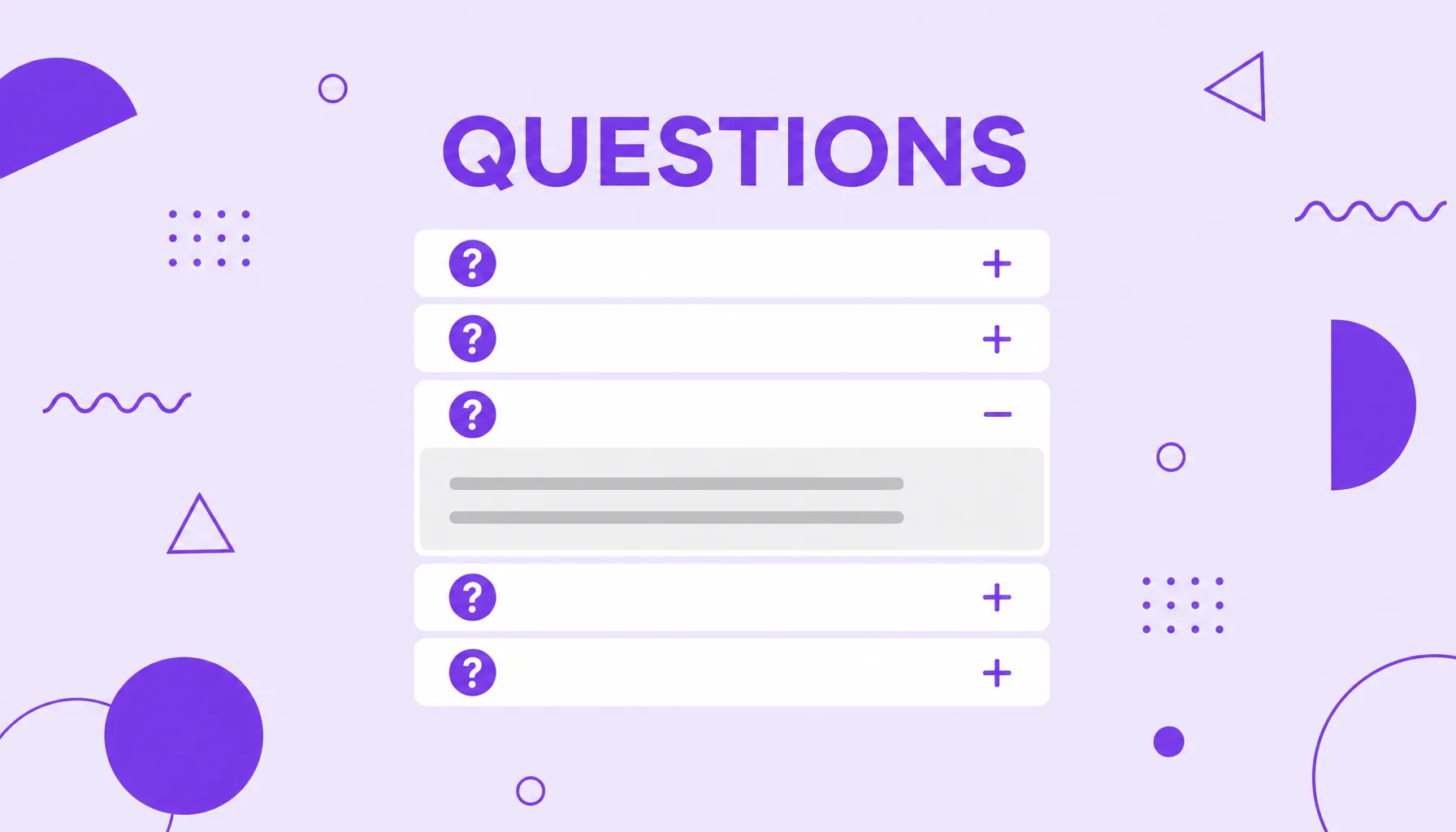
People Also Ask, or PAA, is the box of related questions that Google displays in the middle of the results page. Each question expands into an accordion, revealing a short answer pulled from a page and a link to the source. For content creators, this box is at once a goldmine of subtopics and real audience questions and a new prominent position to win in search.

Alt text
Alt text (alternative text) is the text description of an image, written in the HTML alt attribute, that explains its content and function for anyone who cannot see it. It is read aloud by screen readers, playing a central accessibility role, appears in place of the image when it fails to load and helps search engines understand and index the image in search. A good alt text is specific, describes what matters and avoids repeating keywords artificially.

Scannability
Scannability is how easily a person can run their eyes over a piece of content and grasp the main ideas without reading every single word. A scannable text uses subheadings, lists, short paragraphs, bold and other visual cues that guide diagonal reading, the dominant pattern of people who read online. In practice, it is what makes the reader decide in a few seconds whether that page answers their question.
External link
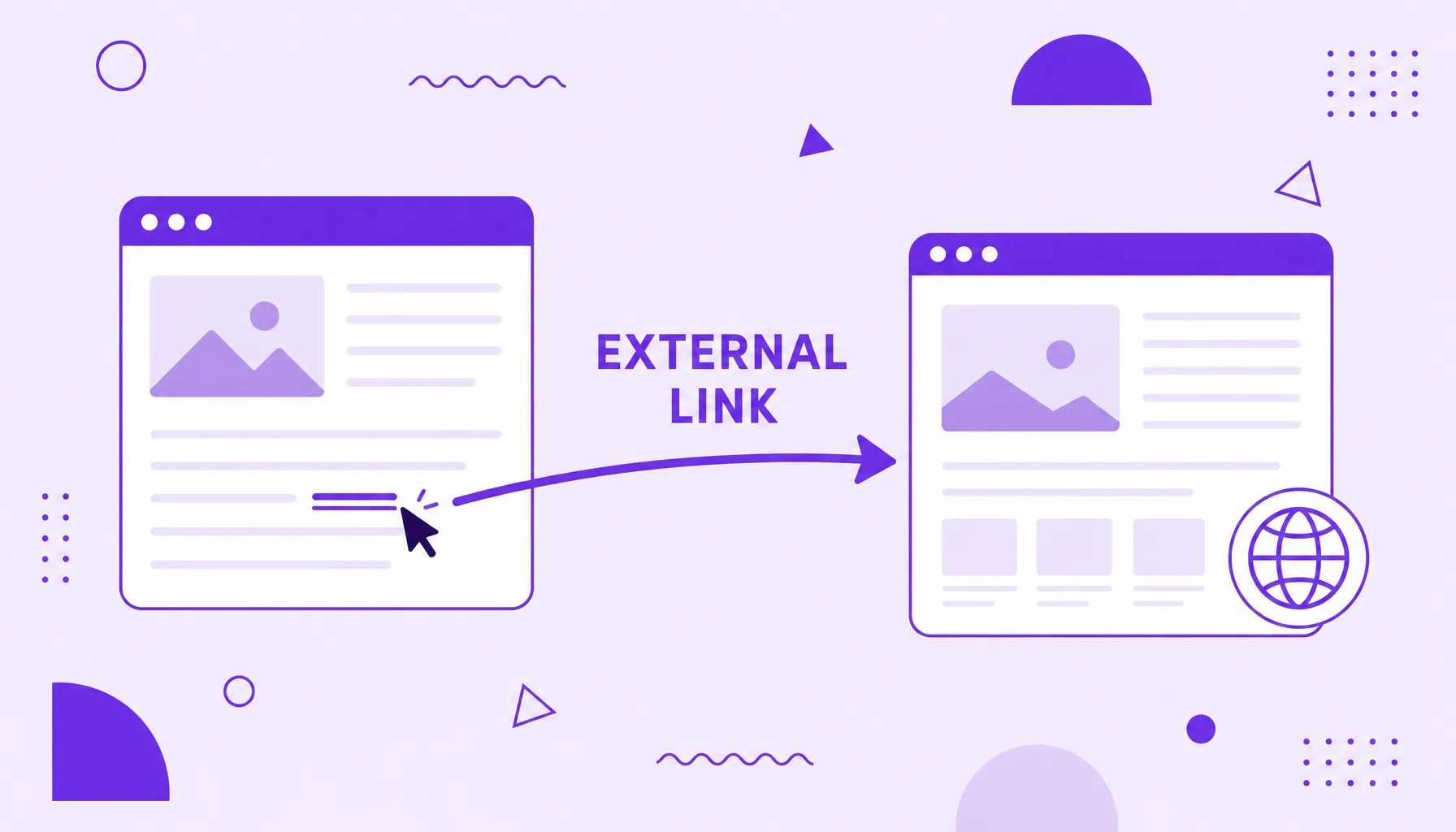
An external link is a link that leaves a page and points to an address on another domain, whether to cite a source, indicate a reference or recommend complementary content. In SEO, these links (also called outbound links) help the reader, give the search engine context about your page's topic and, when they point to trustworthy sites, reinforce the content's credibility. They are the opposite of the internal link, which connects pages within the same site.
Related searches
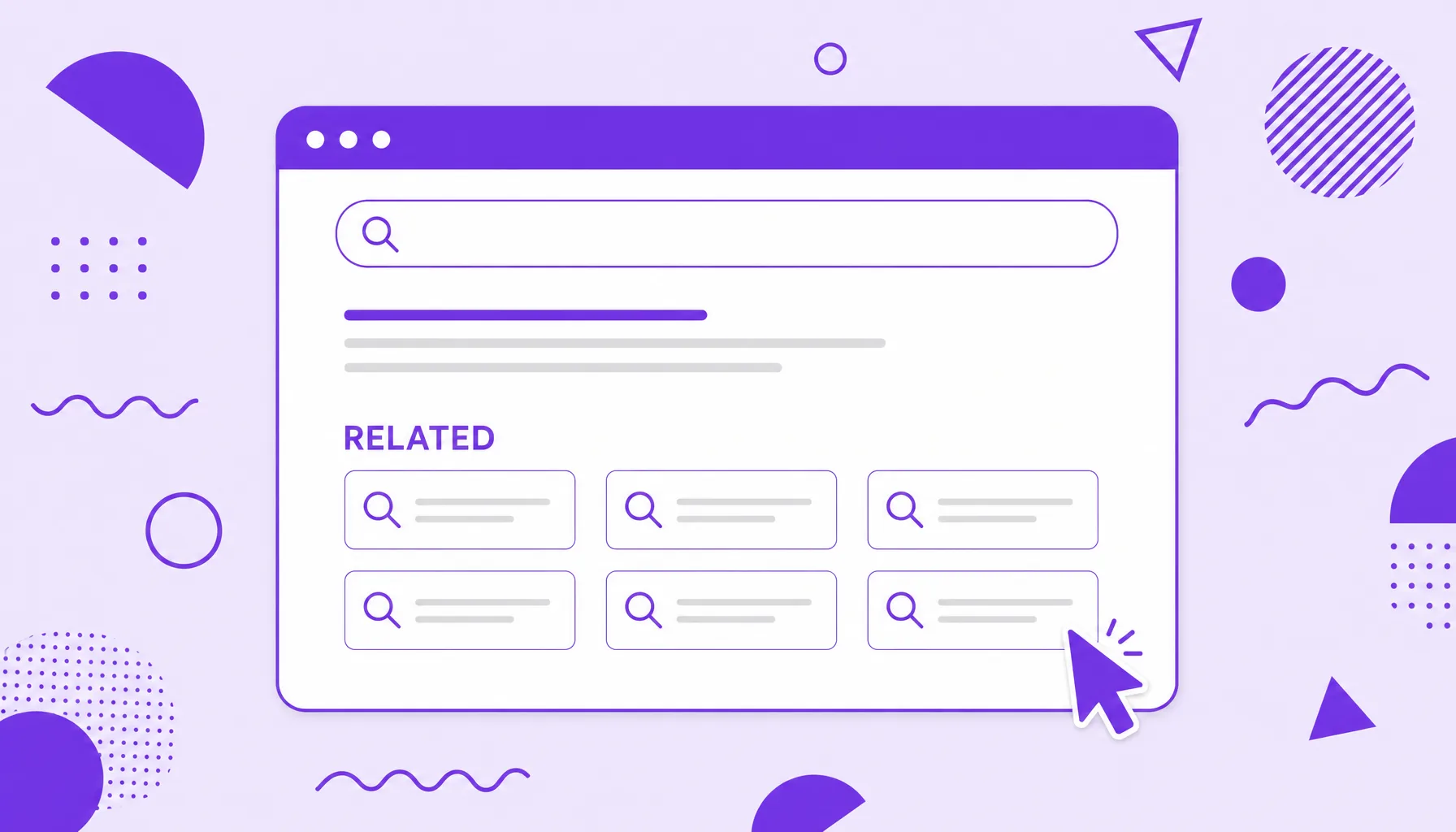
Related searches are the query suggestions that Google displays at the bottom of the results page, just below the organic links. They show other terms people tend to search about the same subject and work like a window into the user's mind, revealing variations, questions and related intents around that query. For anyone doing SEO, they are a free and direct source of keyword and topic ideas.

Long-tail keyword
A long-tail keyword is a long, specific query, usually with three or more words, that has low search volume but very clear intent and a high conversion rate. Instead of fighting over generic, crowded terms, you target detailed searches like best running shoes for overpronation, which attract fewer people but people much closer to deciding. Added together, these specific searches make up most of everything searched on the internet.
Short-tail keyword
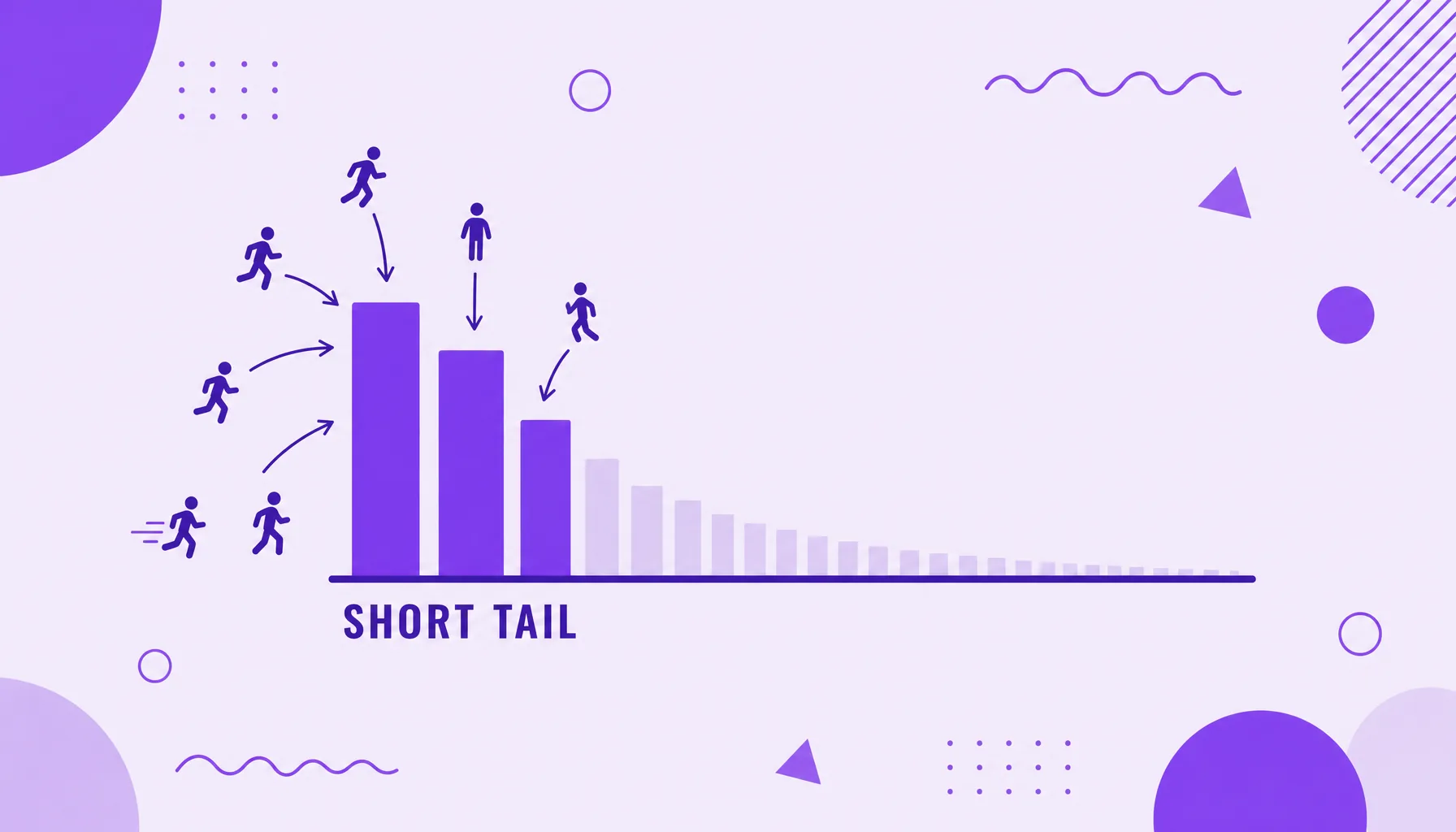
A short-tail keyword, or head term, is a generic, short term, with one or two words, that gathers high search volume and, for that very reason, extremely high competition. Examples are shoes, marketing or insurance. Because the intent behind these terms is vague, they convert less and are very hard to rank, but they work as an anchor for a topic and signal authority when a site manages to rank them.
Mid-tail keyword
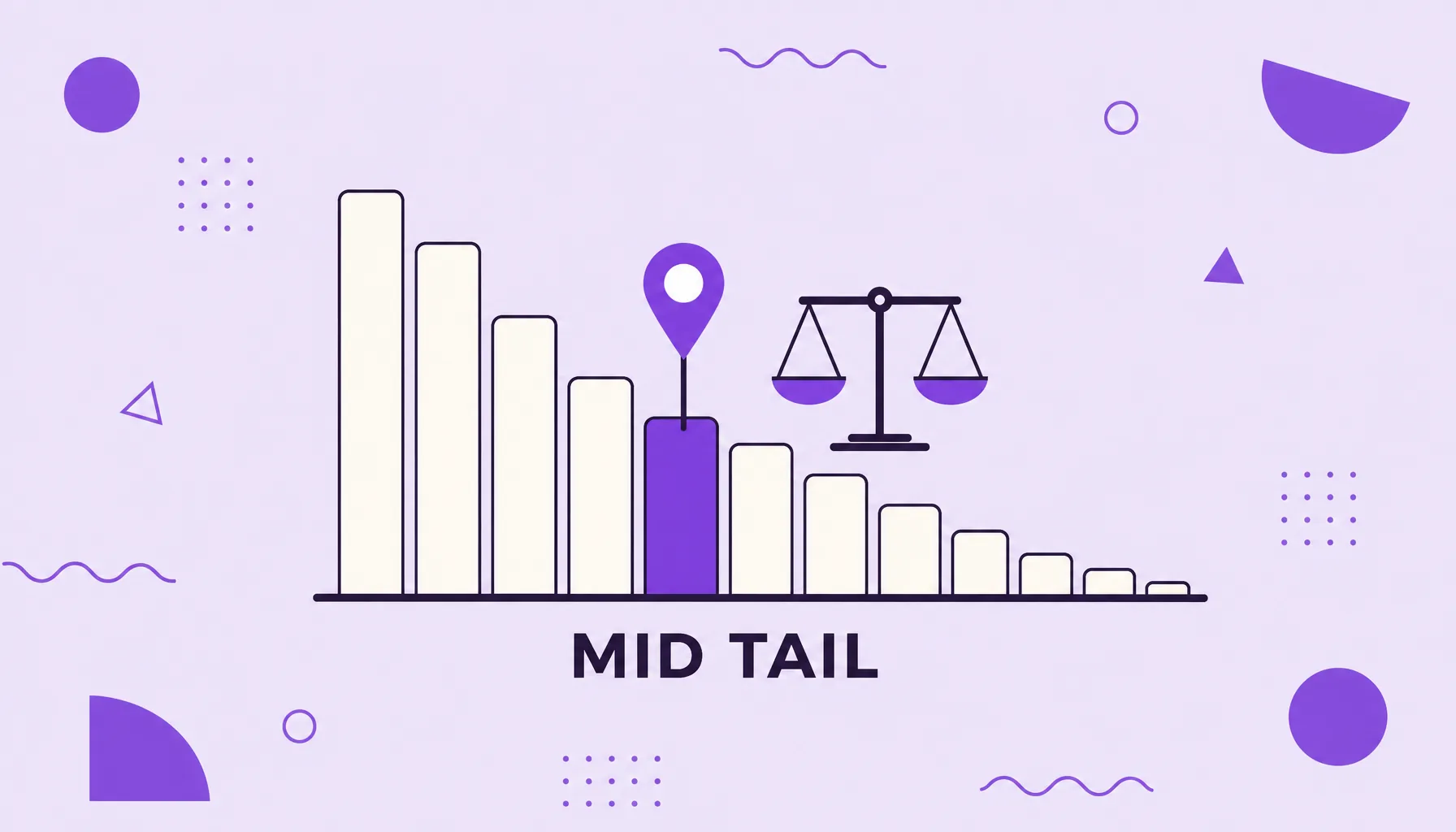
A mid-tail keyword is the intermediate term between the short tail and the long tail. It usually has two to three words, moderate search volume and competition, and a more defined intent than a generic term. Examples are running shoes or content marketing. It is considered the balance point of keyword research: it brings relevant traffic without the brutal fight over head terms.
Seed keyword
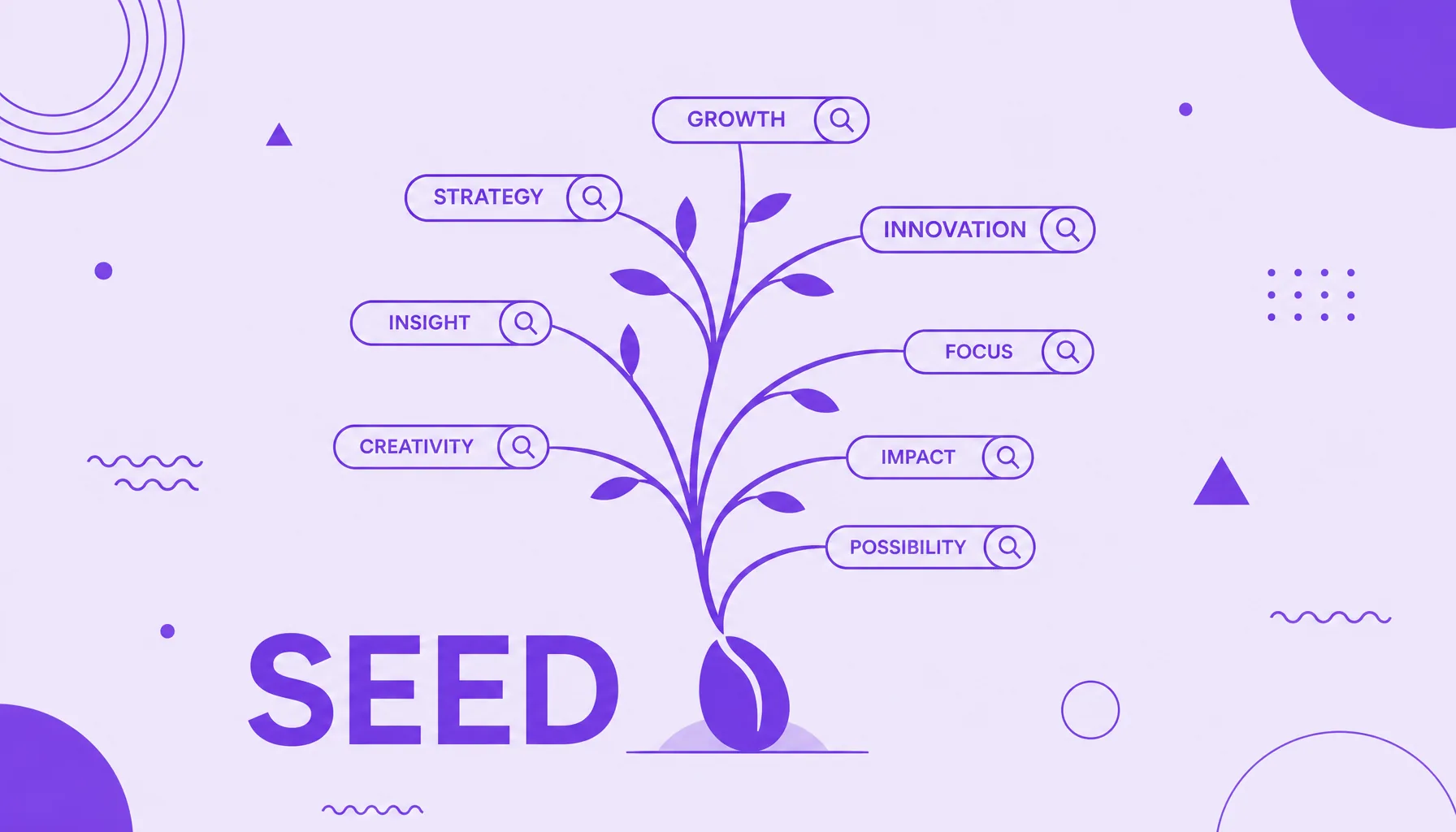
A seed keyword is the initial, broad term used as the starting point for keyword research. From a single seed, like coffee or marketing, SEO tools generate hundreds of variations, questions and related terms that you can turn into content. The seed is not the final target, but the trigger that opens up a topic's map of opportunities. It should not be confused with the seed phrase of cryptocurrency wallets, a completely different concept.
SERP analysis
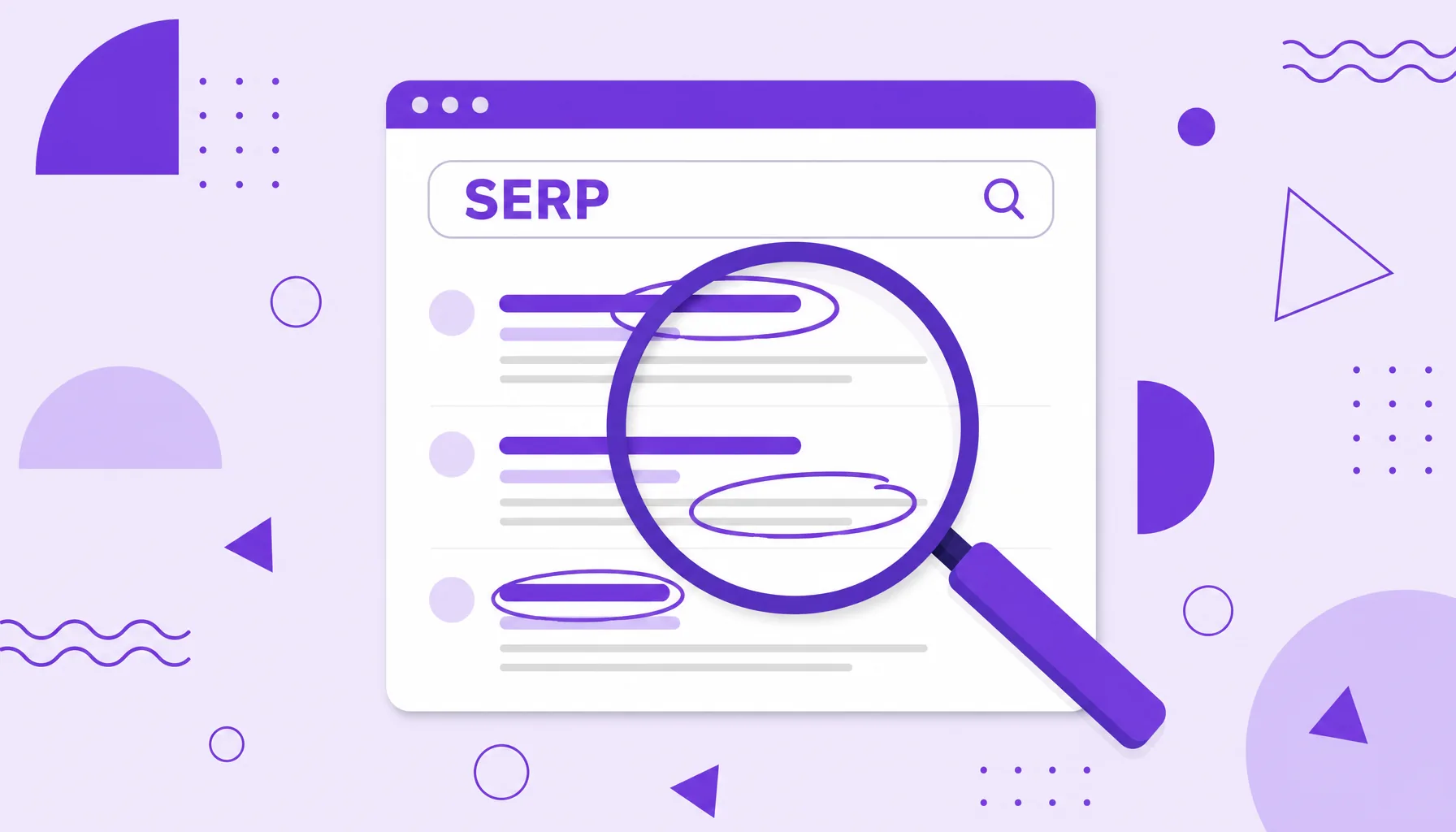
SERP analysis is the detailed study of the results page that Google returns for a keyword, done before producing content. The goal is to understand three things: the intent behind the search, the page format that already ranks at the top and the level of competition. By reading the SERP this way, you discover what the search engine has decided to reward for that term and write based on evidence, not guesswork.
Keyword density
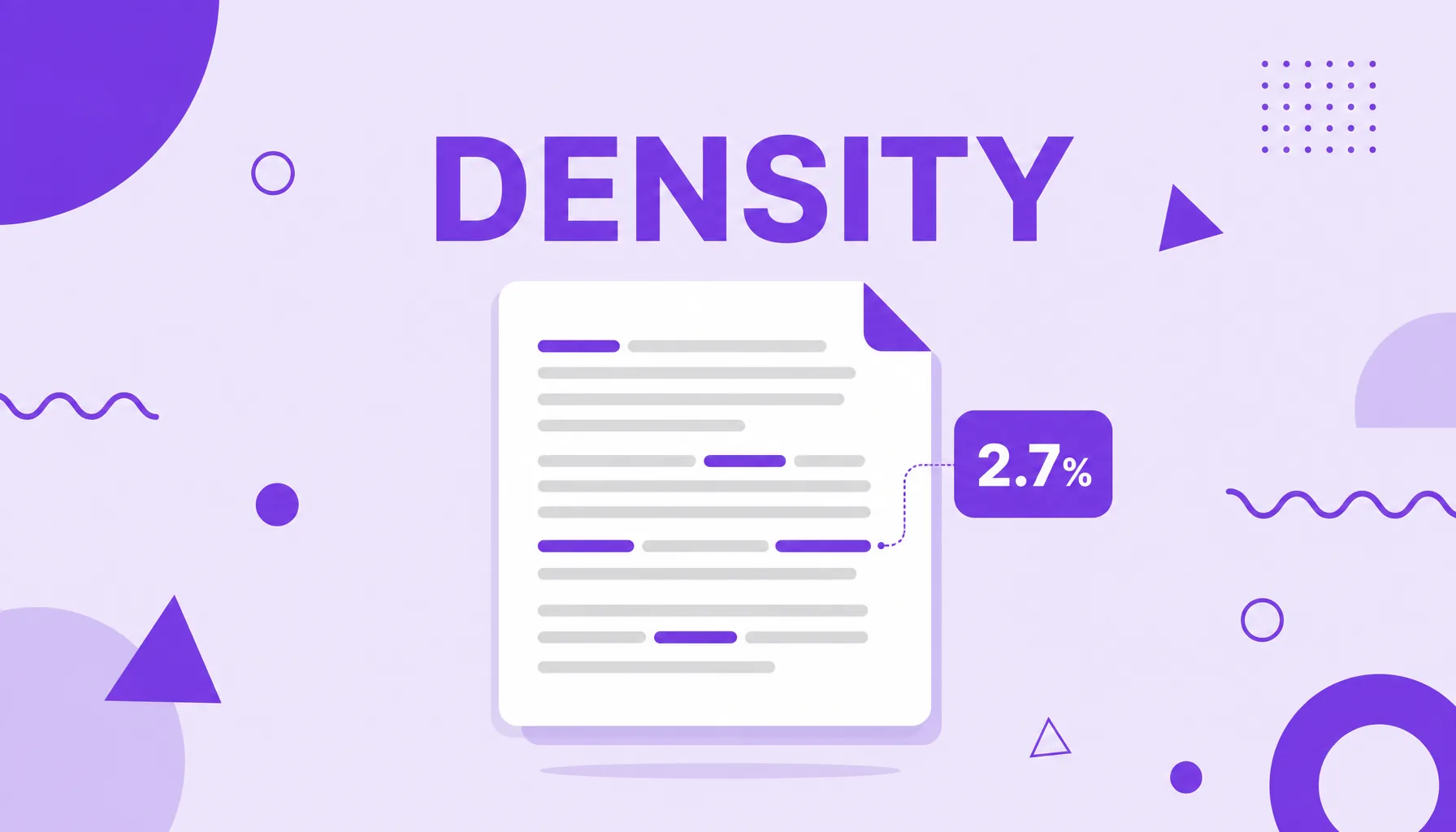
Keyword density is the proportion of times a keyword appears relative to the total number of words in a text, expressed as a percentage. It is calculated by dividing the number of appearances of the term by the total word count. For a long time people believed in an ideal density, but today Google understands context and synonyms, so there is no magic number: what matters is using the keyword naturally, without forced repetition.
Breadcrumbs
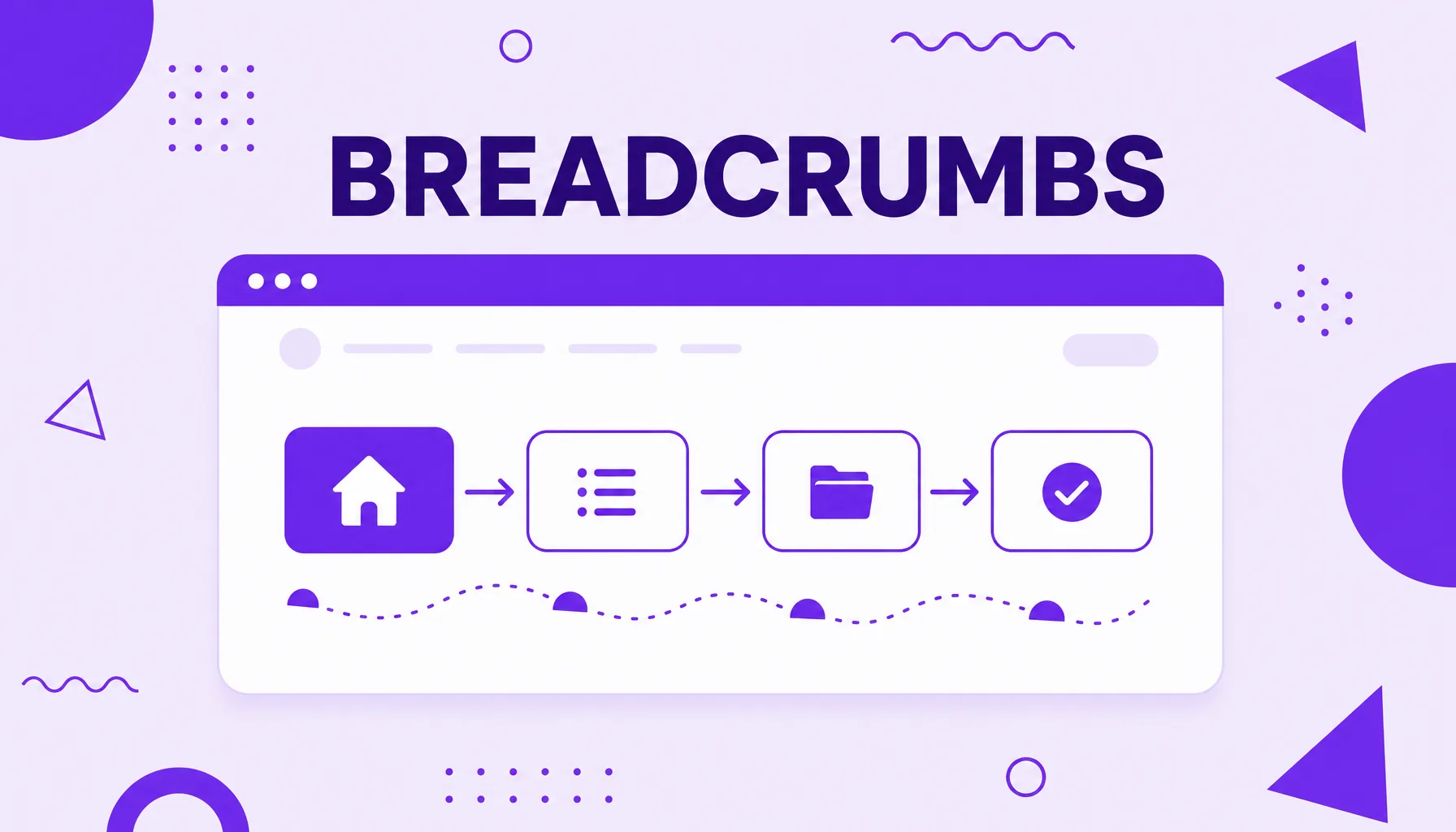
Breadcrumbs, or the navigation trail, are the row of links that appears near the top of a page and shows where it sits within the site hierarchy, in the format Home greater than Category greater than Current page. Besides helping the visitor get oriented and jump back to previous levels with one click, breadcrumbs organize the structure for search engines and can appear as a path in the Google result.
Technical SEO and SERP
The technical side of the site and the search results features.
Google Search Console
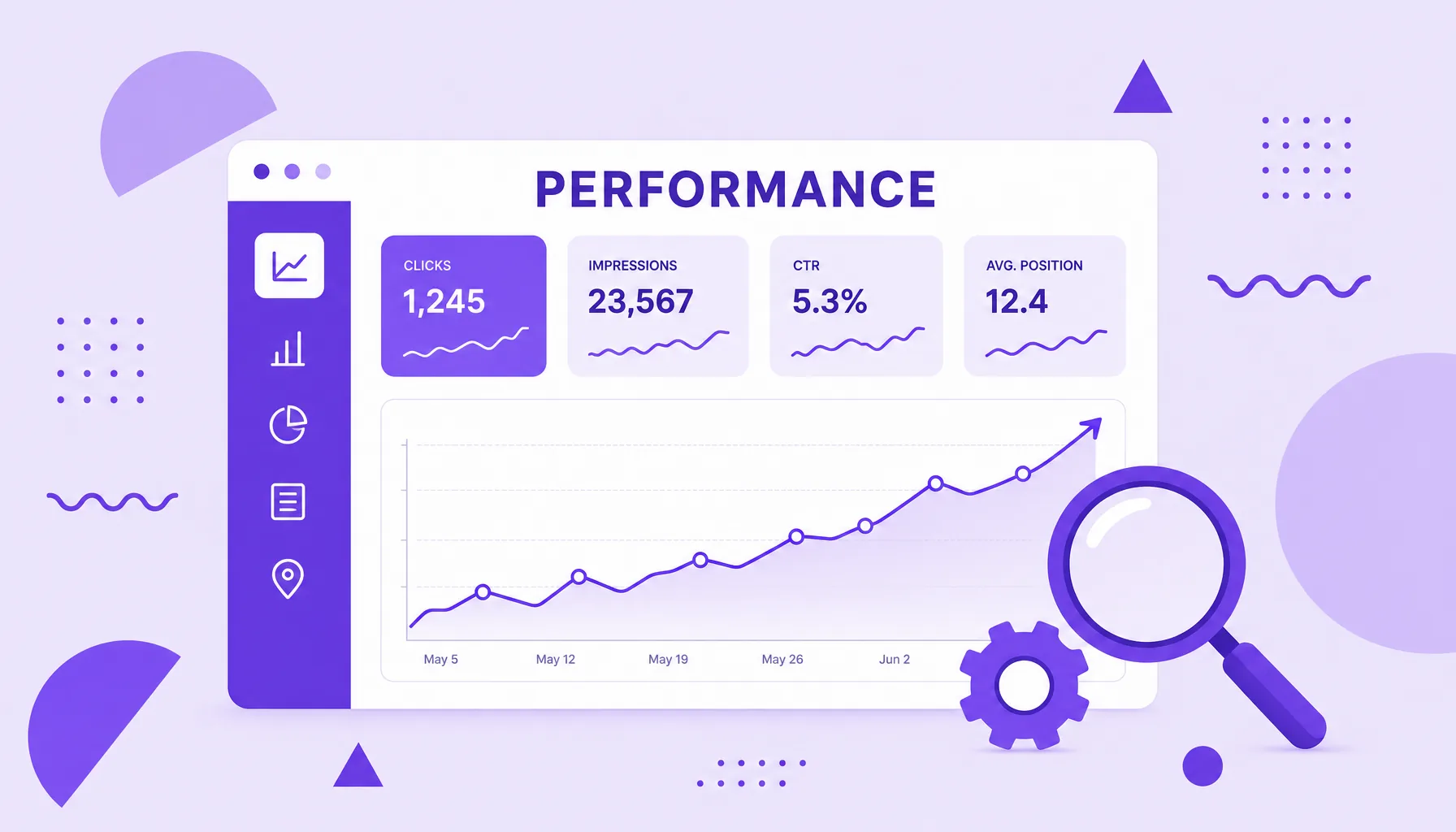
Google Search Console (GSC) is a free Google tool that shows how the search engine sees your site. In it you track which pages are indexed, how many clicks and impressions each piece of content gets in search, which keywords you show up for and which technical problems may be hurting your performance in organic results.

LCP
LCP, short for Largest Contentful Paint, is one of Google's Core Web Vitals metrics. It measures how long the largest visible element of the page, usually a hero image or a large text block, takes to appear on screen from the start of loading. The lower the LCP, the faster the user feels the page has loaded.
AMP
AMP is short for Accelerated Mobile Pages, an open format created by Google in 2015 to make web pages load almost instantly on mobile. In practice, AMP is a stripped down version of a page, written with strict HTML and JavaScript rules so it weighs less and renders faster, something that was once decisive for news and articles on the phone.
404 error
The 404 error is the HTTP status code that a server returns when the requested page is not found at the accessed address. It signals that the URL does not exist (or no longer exists), whether because it was mistyped, removed or had its address changed. On its own, a 404 is normal web behavior, but in excess and on important pages it hurts user experience and SEO.
500 error
The 500 error, or Internal Server Error, is an HTTP status code that signals an unexpected internal failure on the server, something that stops it from delivering the requested page. Unlike a 404 error, which points to a page that does not exist, the 500 means the address exists but something on the server broke along the way. It is a generic error, so it flags the problem without spelling out the exact cause.
INP
INP, short for Interaction to Next Paint, is one of Google's Core Web Vitals. It measures a page's responsiveness, that is, how long the page takes to respond visually after the user clicks, taps or types. The lower the INP, the faster and smoother the experience. INP replaced the old FID (First Input Delay) as the official responsiveness metric.

CLS
CLS, short for Cumulative Layout Shift, is the Core Web Vitals metric that measures the visual stability of a page while it loads. It quantifies how much elements jump around unexpectedly, that annoyance of trying to tap a button and watching the page shift. The lower the CLS, the more stable and pleasant the experience.
Crawler
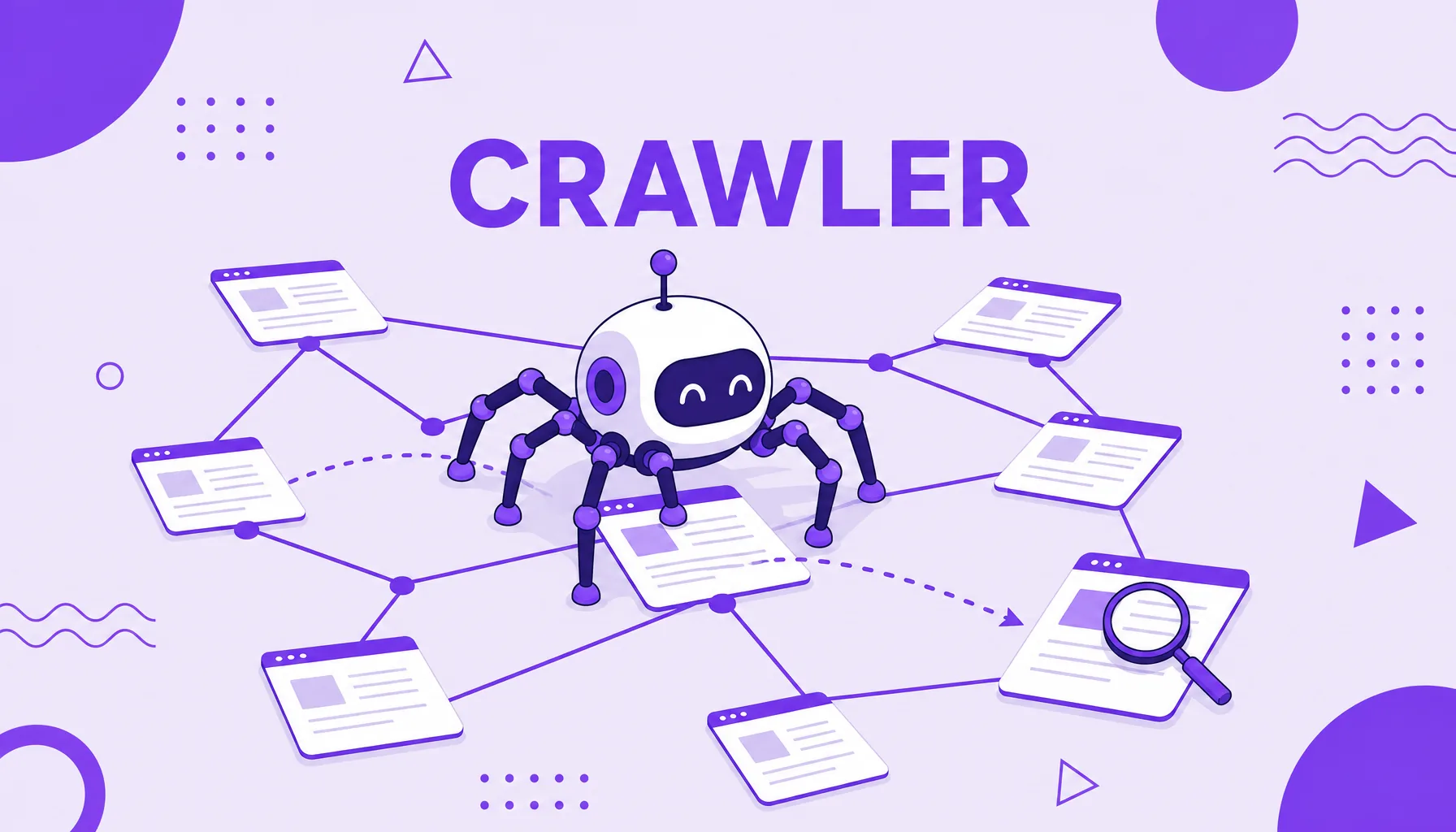
A crawler is a robot program that travels the web from link to link, downloading and reading pages to feed a search engine's index. Also called a spider, robot or bot, the best known example is Googlebot. The crawler is the first stage of search: before a page can be indexed and ranked, it has to be found and read by one of these crawlers.
XML Sitemap
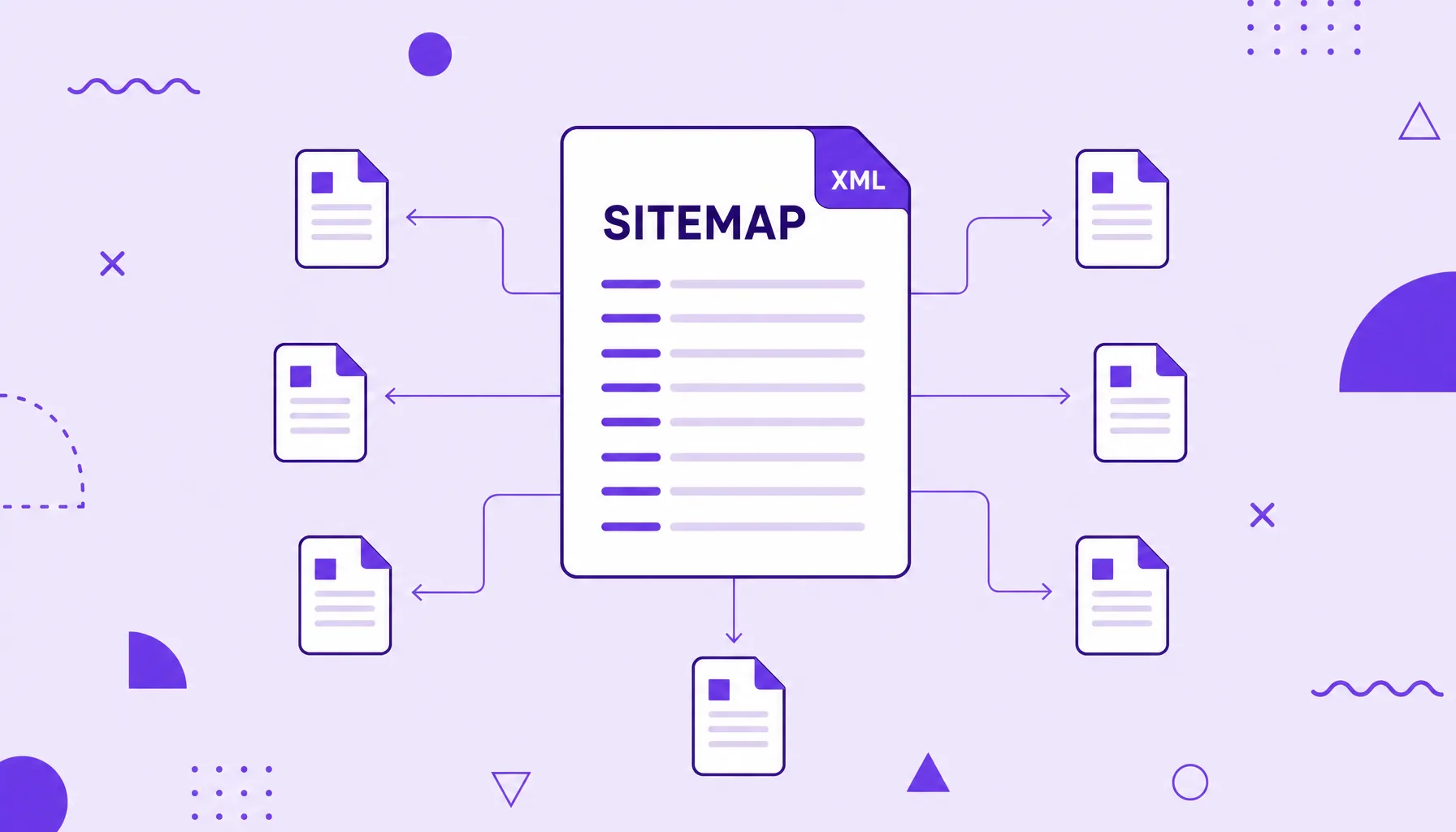
An XML sitemap is a file in XML format that lists the important URLs of a site to help search engines discover, crawl and prioritize those pages. It works as a site map handed to Google, telling it which addresses exist and, optionally, when they were updated, which is especially useful on large, new sites or ones with pages poorly connected by internal links.
JSON-LD
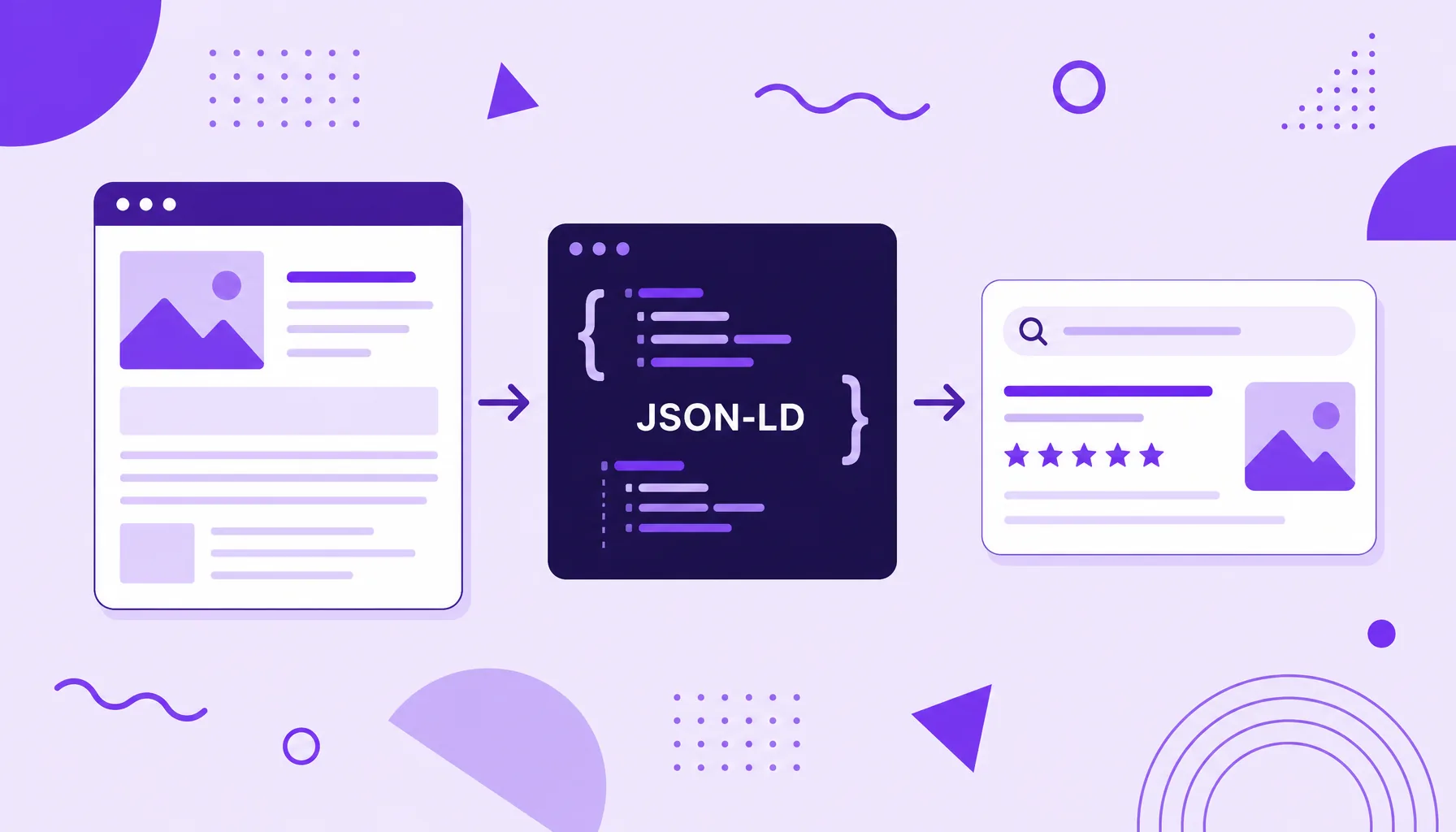
JSON-LD (JavaScript Object Notation for Linked Data) is the format Google recommends for adding structured data to a page, inside a script block kept separate from the visible content. Instead of scattering markup across the HTML, it gathers everything into a JSON object using the Schema.org vocabulary, telling the search engine explicitly what each piece of information represents (an author, a price, a rating, a date) to enable rich results in search.

410 error
The 410 error, or 410 Gone, is the HTTP status code that tells that a page was removed permanently and will not come back. Unlike the 404, which only says the page was not found right now, the 410 is an explicit signal of definitive removal. Because it is more categorical, it tends to speed up the deindexing of the address in search engines, which makes it useful when you want to take a piece of content out of Google's index for good.
Hreflang
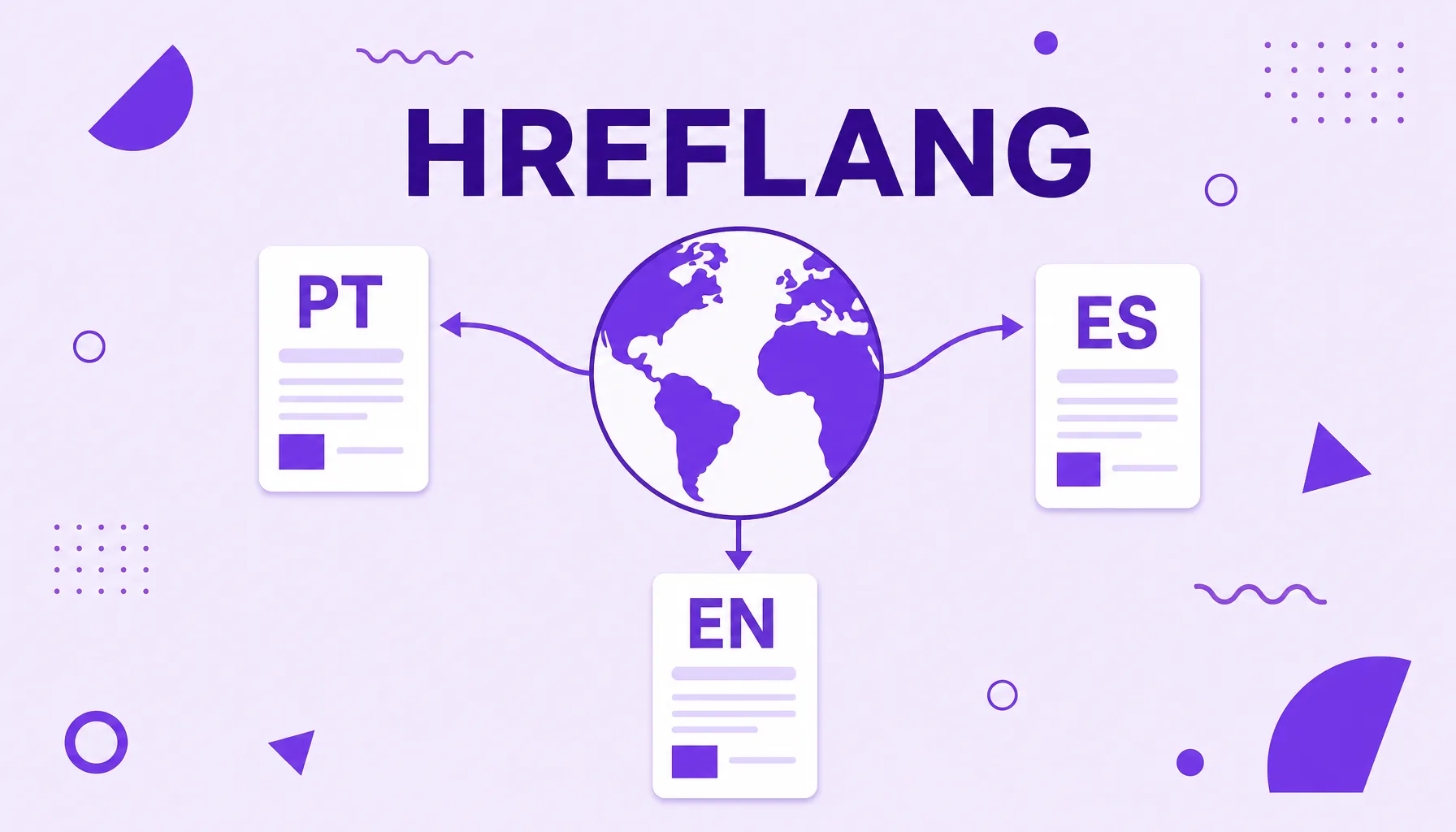
Hreflang is an HTML attribute that tells search engines the language and, optionally, the region of a page, so they show the right version to each user. On sites with content in several languages or aimed at different countries, hreflang tags connect the equivalent versions of the same page and prevent them from competing with each other or appearing to the wrong audience. It is a central piece of international SEO.
HTTP status code
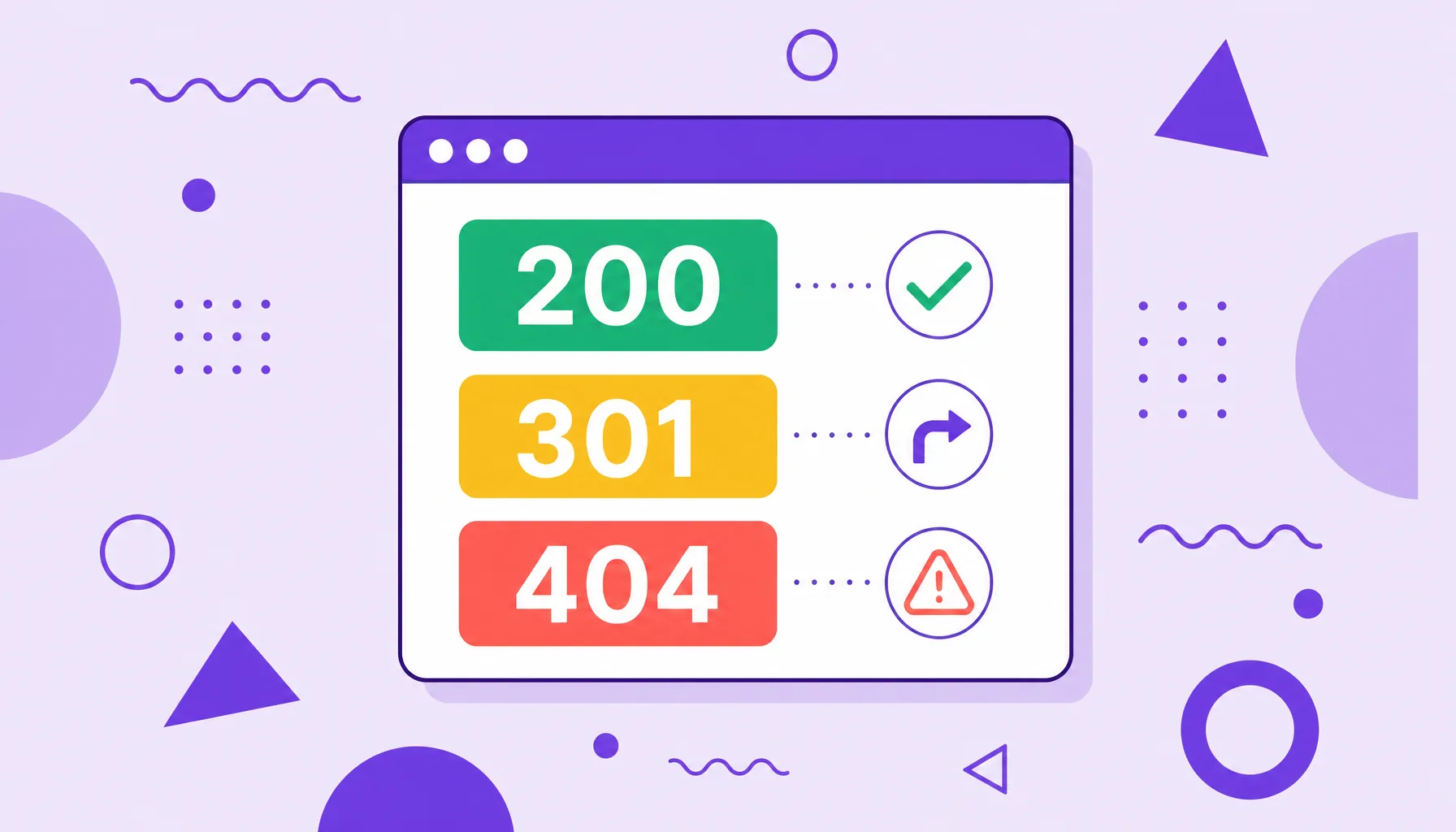
An HTTP status code is the three digit number a server returns for every request made by a browser or a search bot, reporting the outcome of that request. It is organized into five classes: 1xx (informational), 2xx (success, like 200), 3xx (redirection, like 301), 4xx (client error, like 404) and 5xx (server error, like 500). In SEO, these codes tell search engines whether a page can be indexed, was moved or went offline.
URL inspection
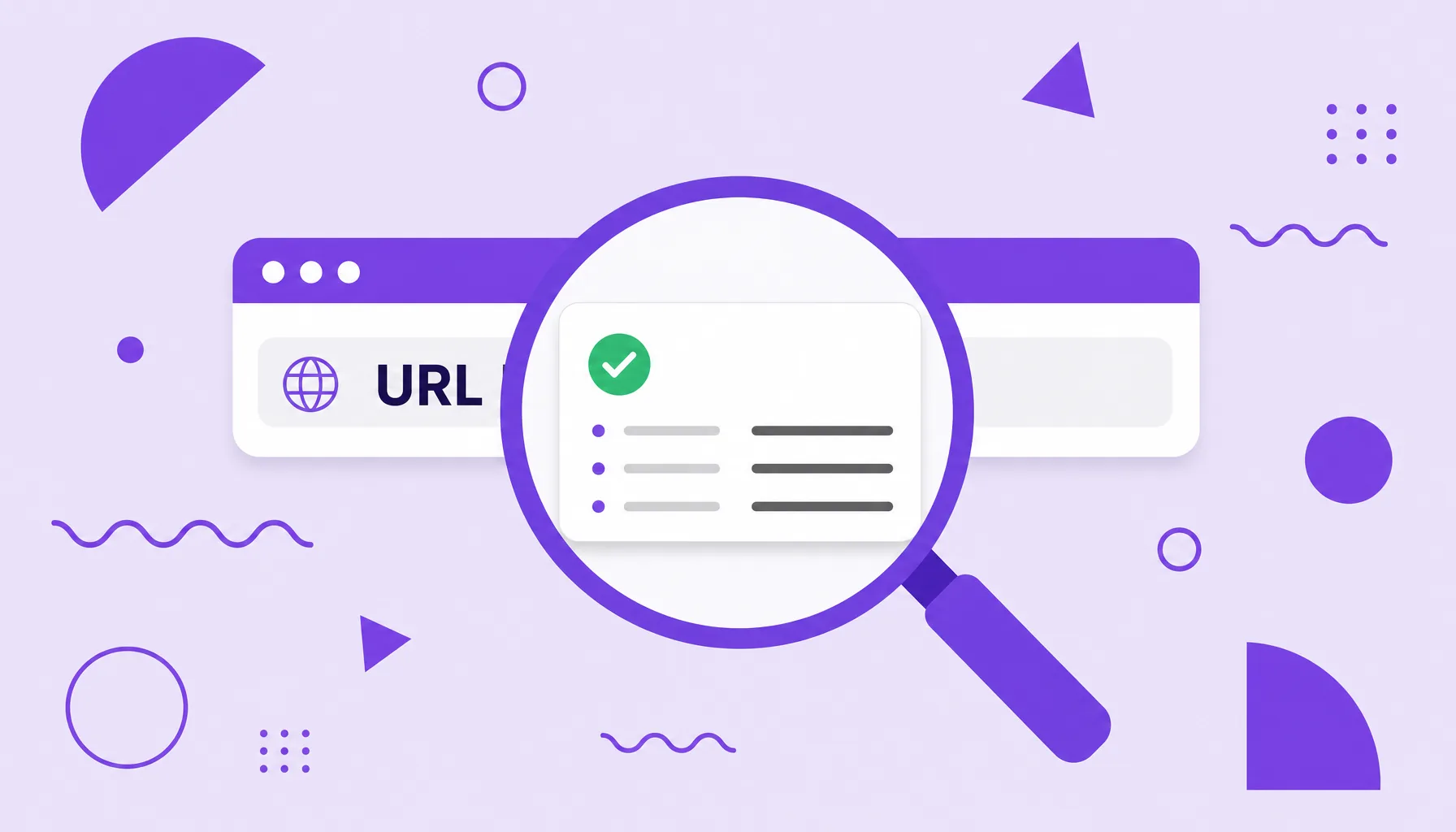
URL inspection is the Google Search Console tool that shows, for any page on your site, whether it is indexed, how Google crawled it, which URL was chosen as canonical and whether there are problems preventing the page from appearing in search. It is the page by page diagnostic exam, used both to check the current status and to request indexing of new or updated content.
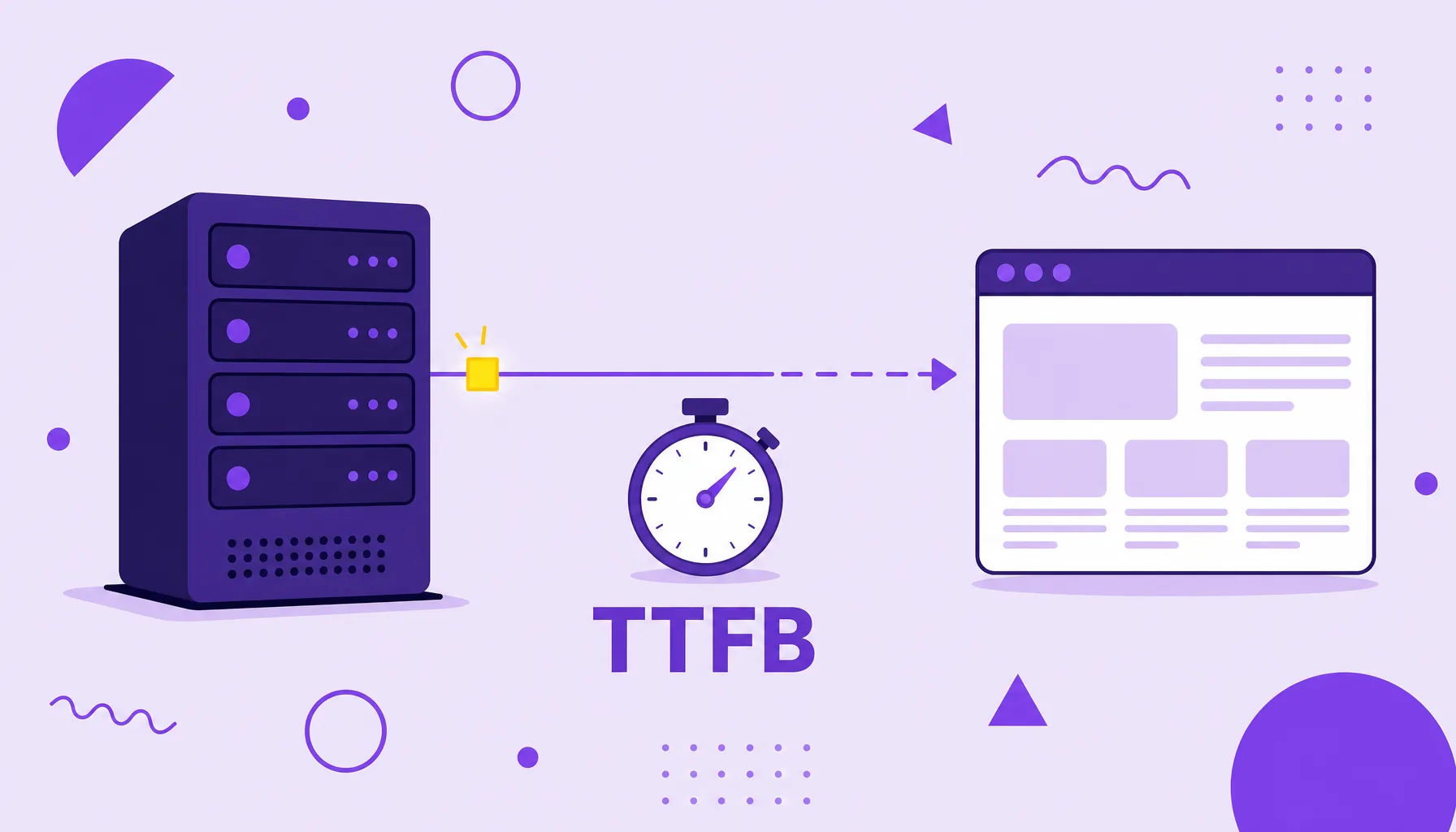
Time to First Byte
Time to First Byte (TTFB) is the time the browser waits from requesting a page until it receives the first byte of the server's response. It is an indicator of backend speed, that is, how fast the server processes and starts responding to the request. A high TTFB delays everything else in the load and is usually the first bottleneck to fix in web performance.
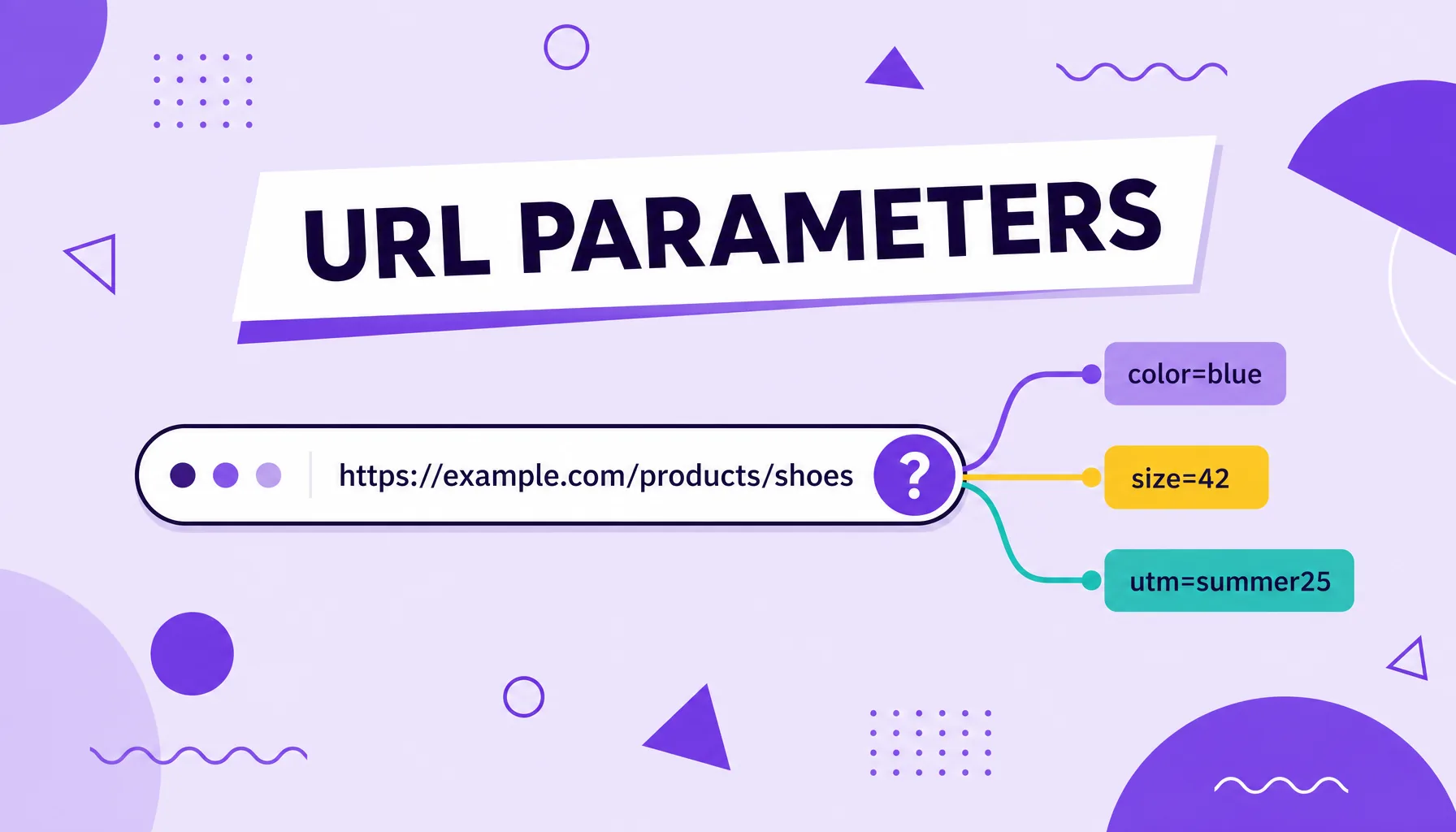
URL parameters
URL parameters are snippets added to the end of an address, after a question mark, that send extra information to the server, such as product filters, internal search terms, session identifiers or campaign tags (UTMs). They are useful for tracking traffic and organizing dynamic pages, but when poorly controlled they can create duplicate content, waste the search engine's crawling and dilute the ranking signals of a page.
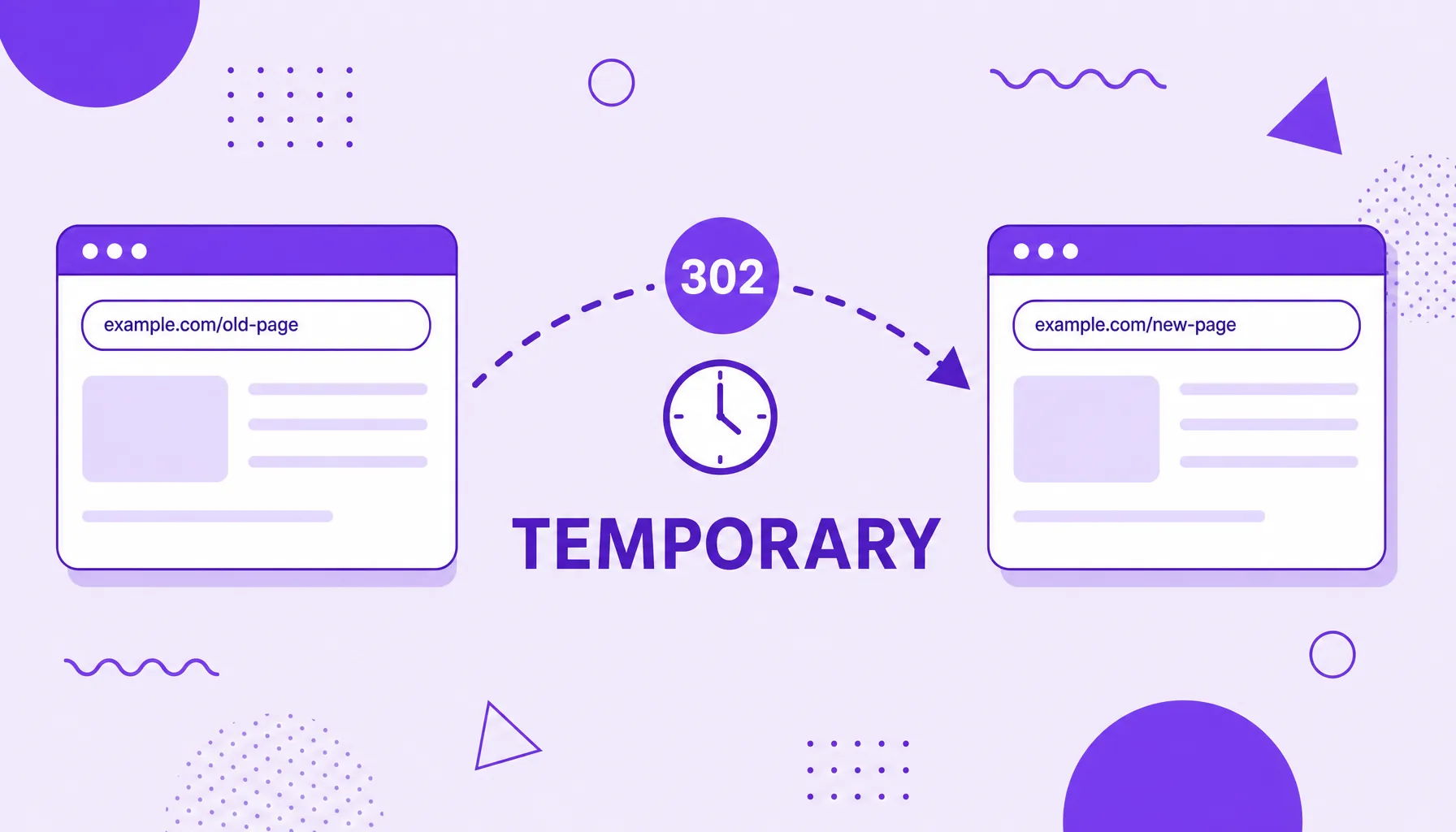
302 redirect
A 302 redirect is an HTTP status code that tells the browser and search engines that a page has been moved temporarily to another URL. Unlike the 301, which is permanent, the 302 signals that the original address will come back, so Google keeps the old URL indexed and does not pass authority permanently to the new address. It is the detour of choice for passing situations, such as tests, maintenance and promotions.
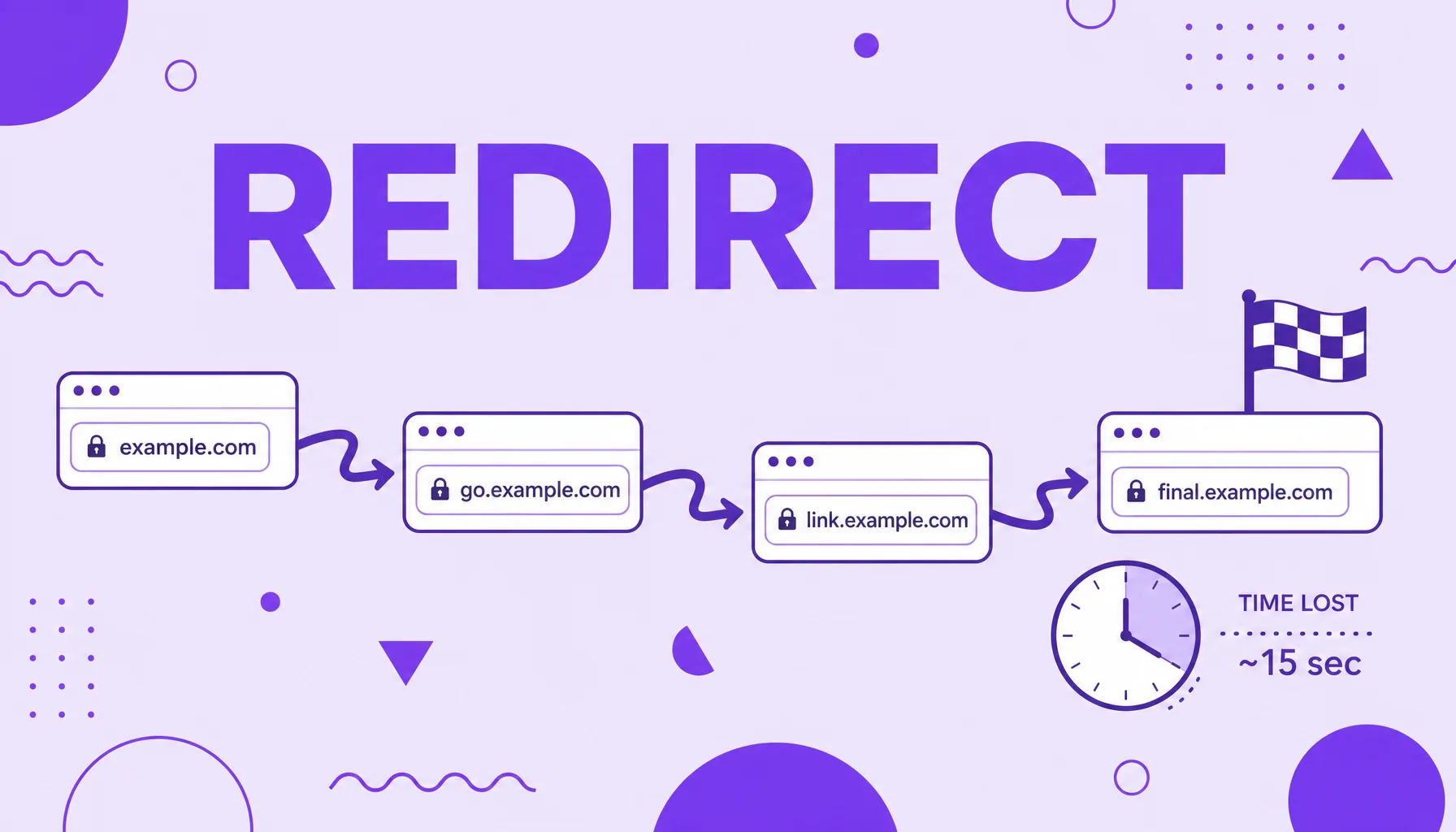
Redirect chain
A redirect chain is a sequence in which one URL redirects to another, which in turn redirects to a third, and so on, before reaching the final destination. Each extra hop adds load time, spends crawl budget and dilutes the authority passed by links. Ideally any URL should redirect only once, straight to the final address, with no intermediate steps.
JavaScript SEO
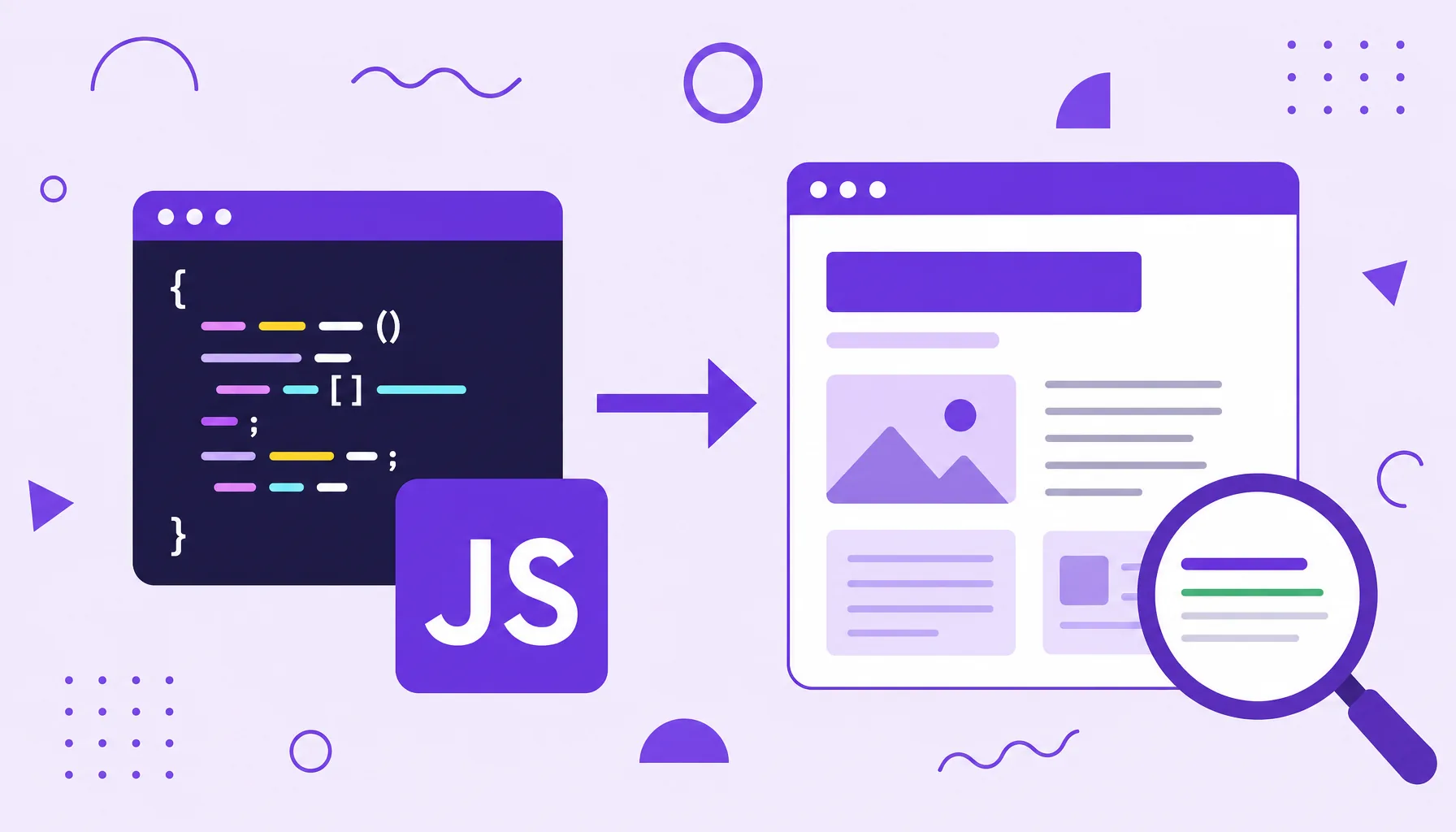
JavaScript SEO is the set of practices that ensures sites built with JavaScript are crawled, rendered and indexed correctly by search engines. Because JS content often only appears after the browser runs the code, Google needs an extra rendering step to see the page. Optimizing for JavaScript means making that content accessible to the search engine, without relying only on what the robot sees in the initial HTML.
Schema.org
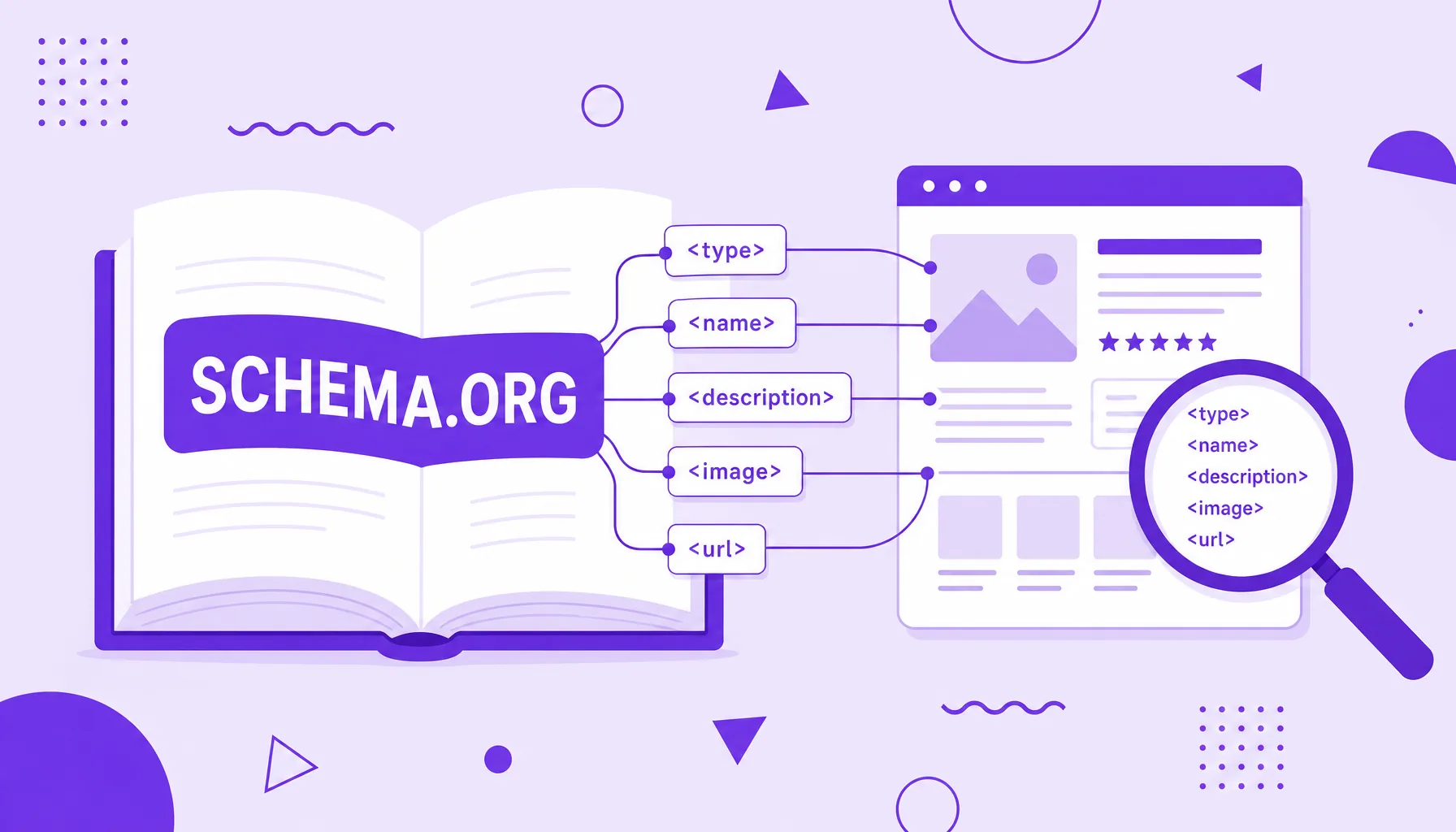
Schema.org is the standardized structured data vocabulary created jointly by Google, Microsoft, Yahoo and Yandex to describe page content in a way machines understand. It defines types (such as Product, Article, Event) and properties (such as name, price, author) that search engines recognize. It is not a piece of code you install, but the shared dictionary you use when marking up a page with structured data.
X-Robots-Tag header
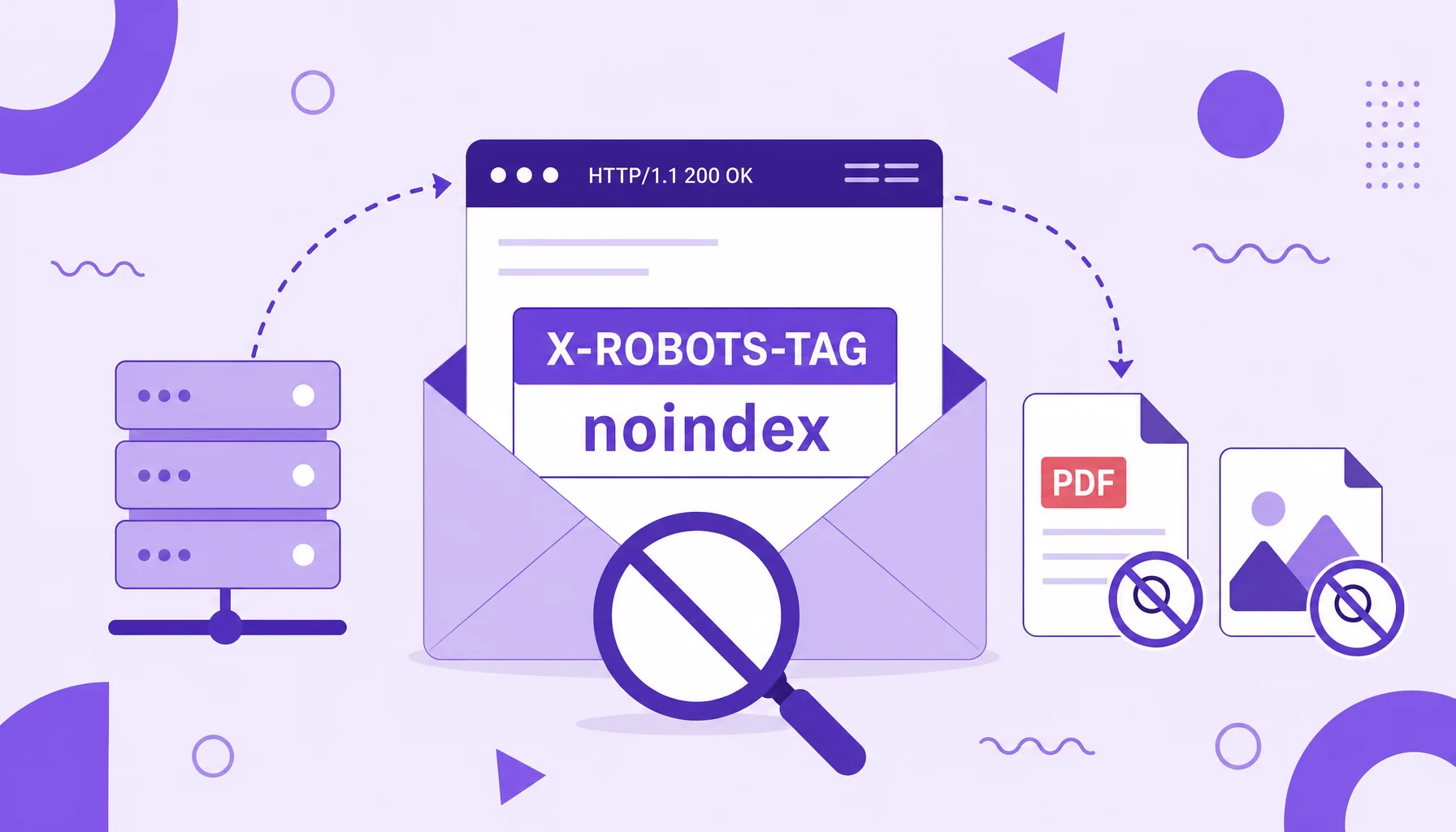
The X-Robots-Tag header is an indexing directive sent in the server's HTTP response, not in the page's HTML. It plays the same role as the meta robots tag (telling the search engine not to index, not to follow links or not to archive a URL), but with a decisive advantage: it works for any type of file, including PDFs, images and spreadsheets, where there is no HTML head to receive the meta tag.
Link building and metrics
Link building and the authority and performance metrics.
Link building
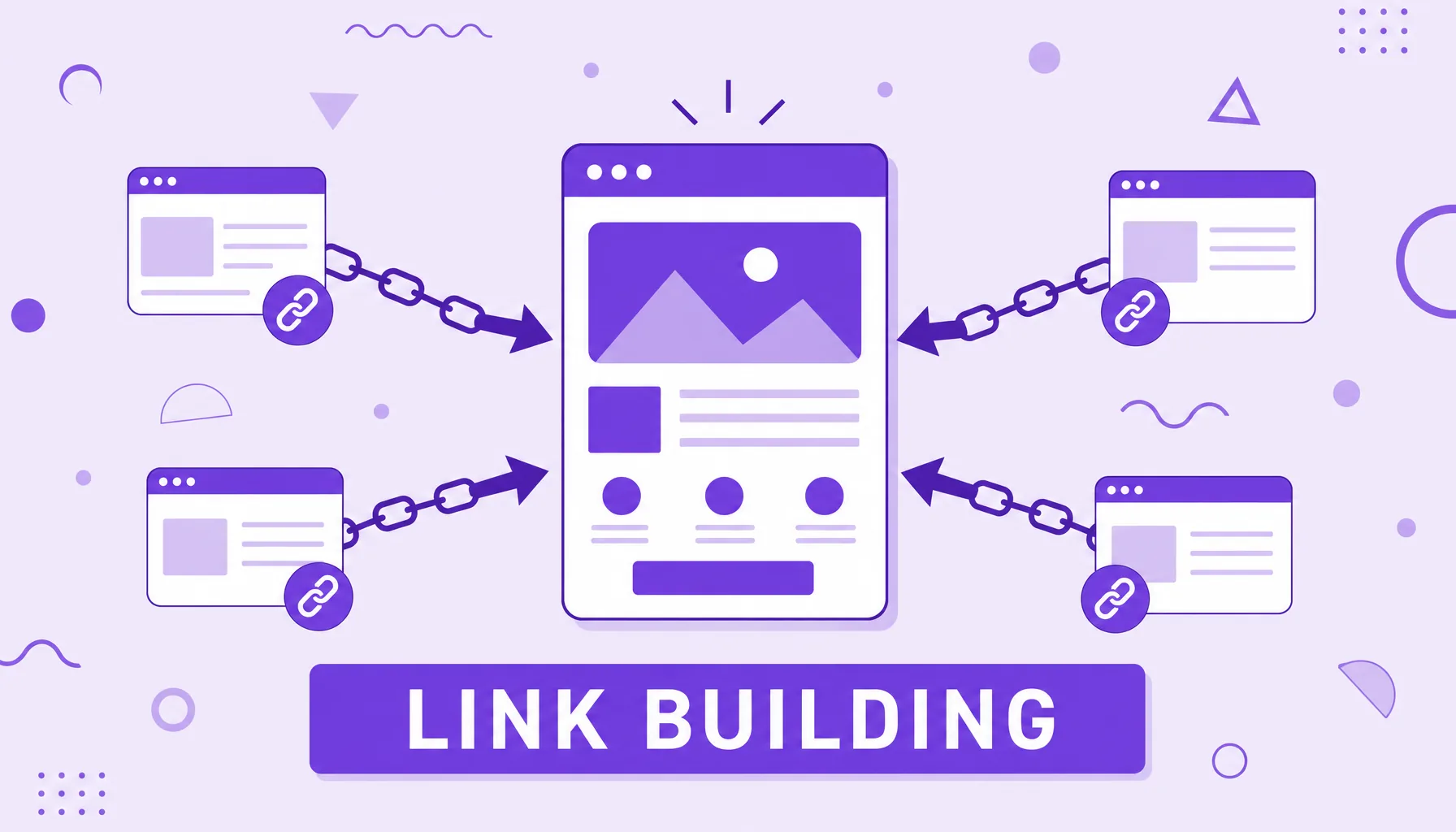
Link building is the set of strategies for earning backlinks, that is, links from other sites that point to yours. Each backlink works like a vote of confidence that helps Google understand that your pages are relevant and deserve visibility. Done with quality, link building raises domain authority, improves your position in search results and brings qualified referral traffic.
Disavow
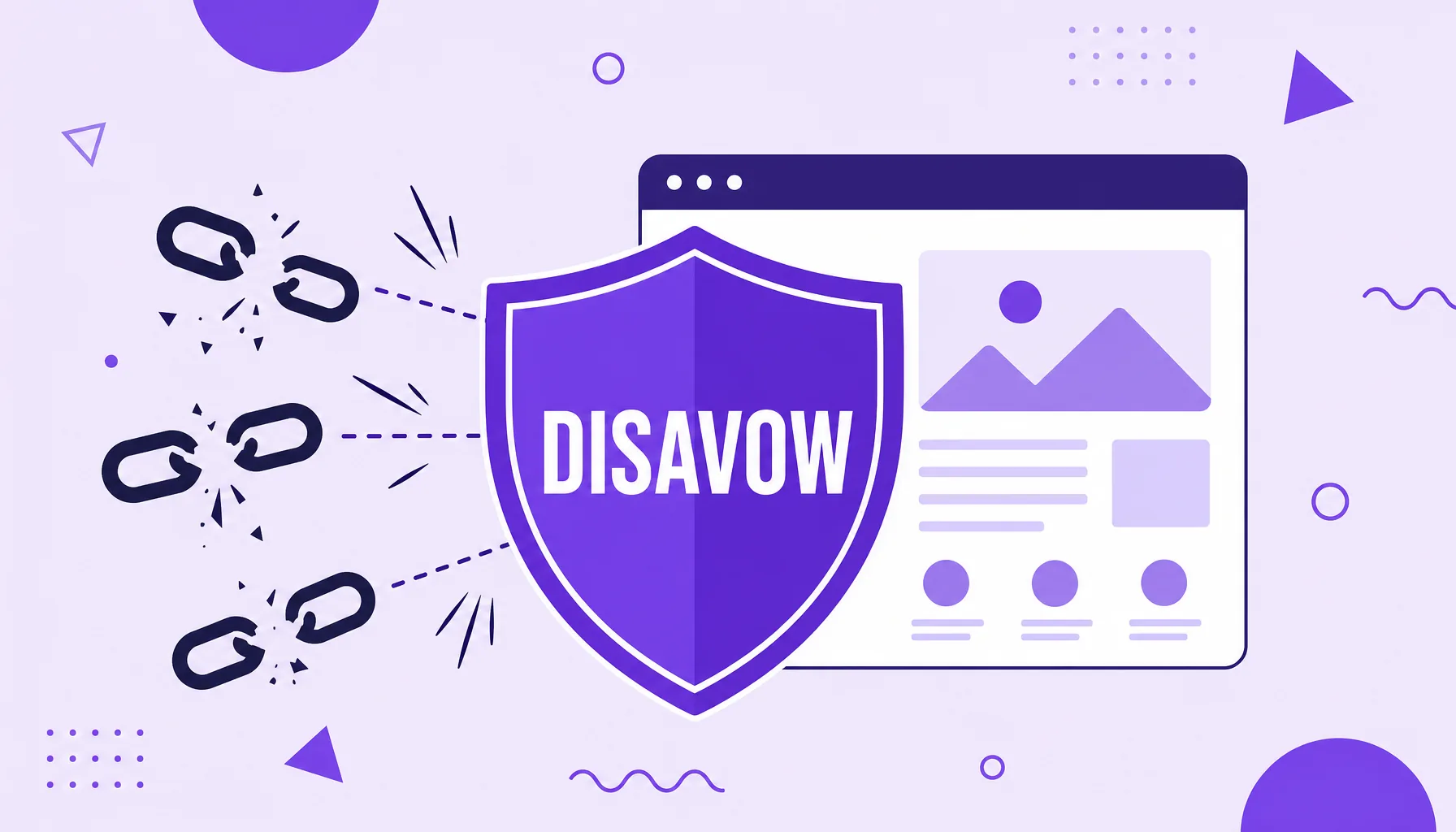
Disavow, or link disavowal, is a Google Search Console feature that lets you ask the search engine to ignore certain backlinks when evaluating your site. It was created for cases where a page has accumulated toxic or artificial links that cannot be removed manually and that can lead to a penalty. In practice, you submit a text file listing the domains or URLs that Google should disregard, without those links being deleted from the web.

Guest post
A guest post is an article you write and publish on someone else's site, rather than on your own blog, usually in exchange for a backlink pointing back to your pages. It is a classic link building tactic: you deliver relevant content to the partner's audience and, in return, gain exposure to a new audience and a vote of confidence that helps build authority and improve rankings in search engines.
PBN
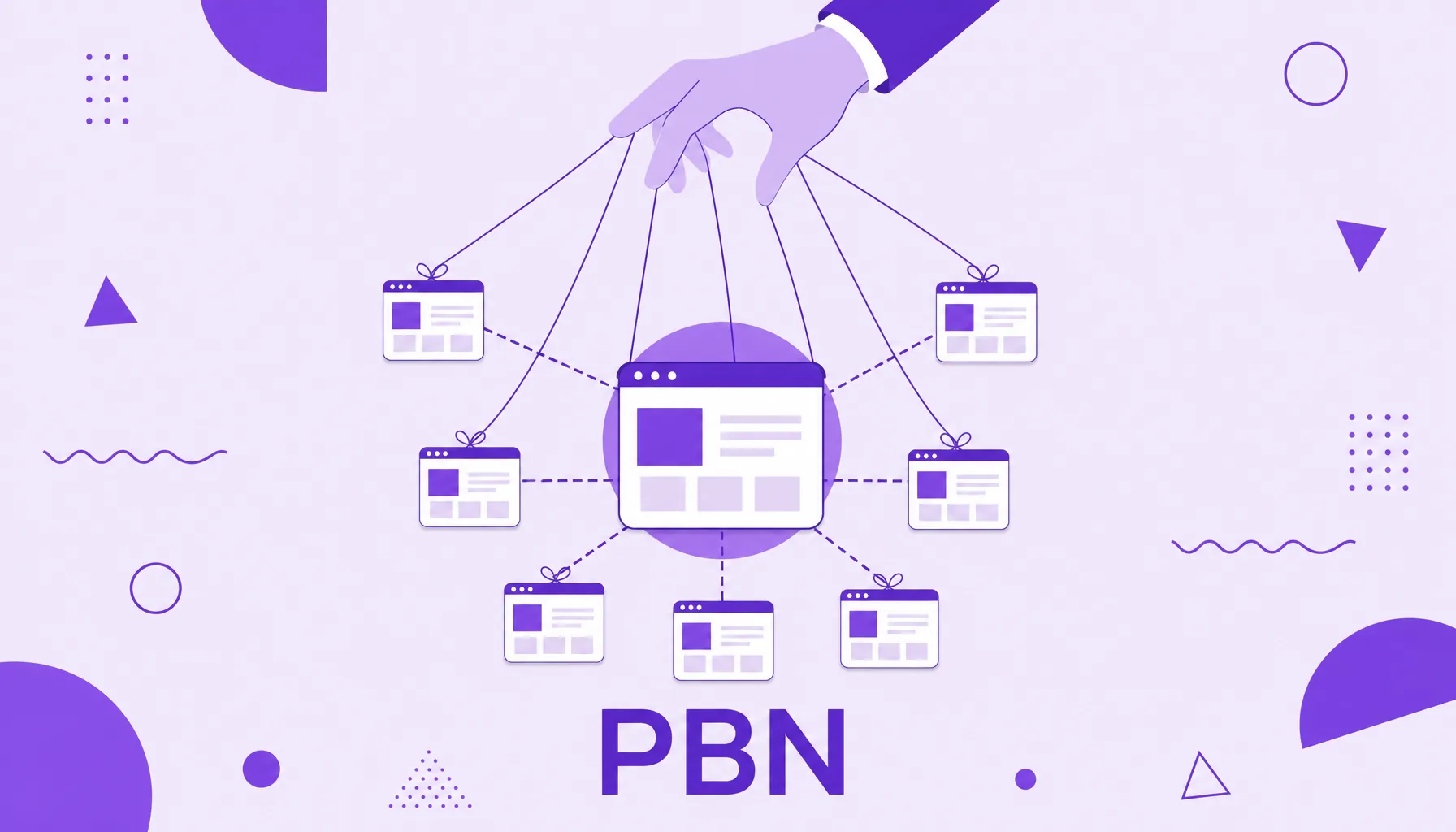
PBN stands for Private Blog Network: a group of seemingly independent sites, but controlled by the same person, created for the sole purpose of generating artificial links to a main site and manipulating rankings. It is a black hat SEO tactic that violates Google's guidelines and, when detected, exposes the site to manual penalties and to the loss of the entire investment.
Domain authority
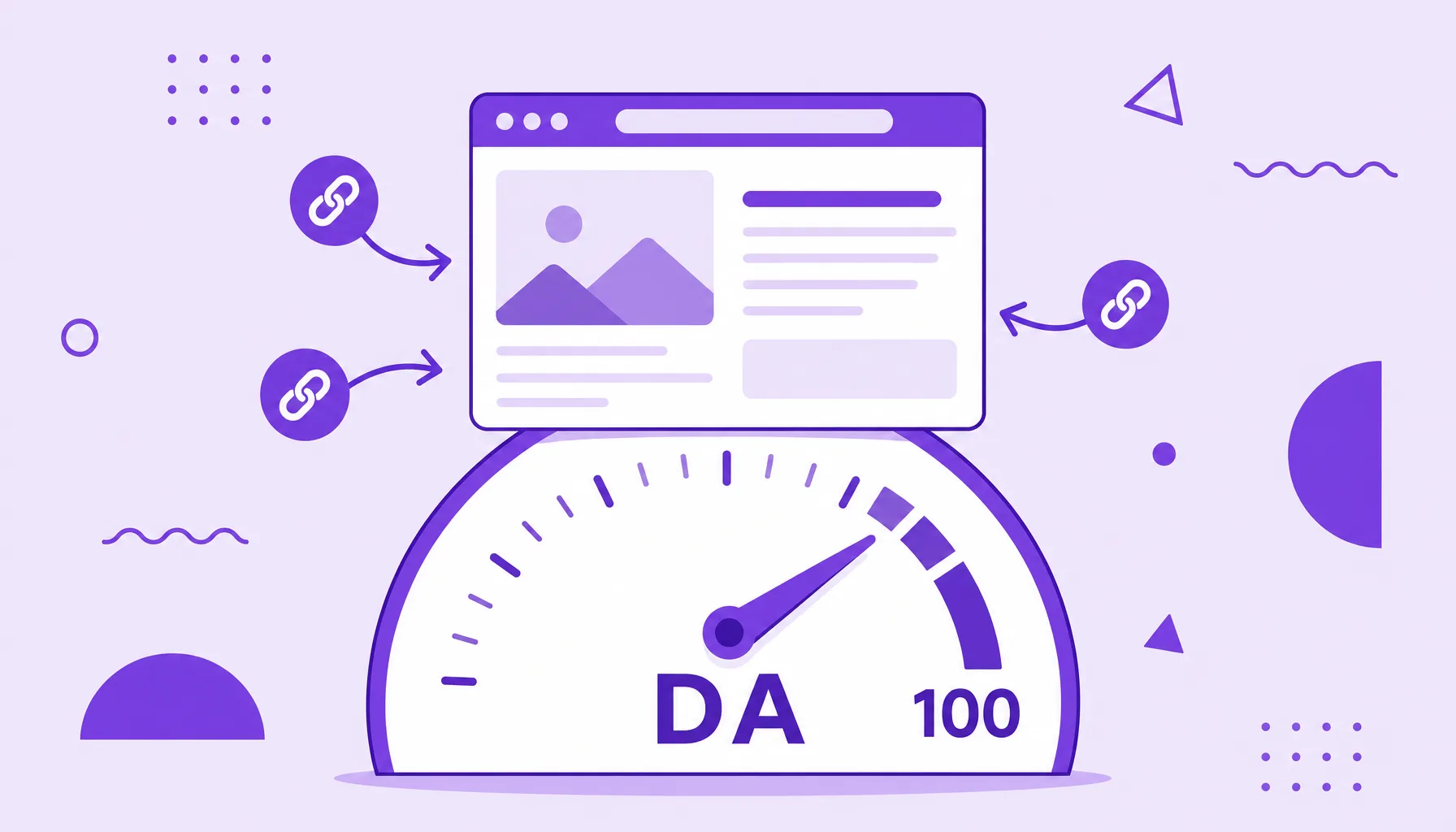
Domain Authority (DA) is a metric created by Moz that runs from 0 to 100 and estimates the strength of an entire site to rank in search engines. It is calculated mainly from the domain's link profile, works on a logarithmic scale (going from 20 to 30 is far easier than from 70 to 80) and is used to compare sites against each other. It is important to remember that domain authority is a third-party estimate, not an official factor used by Google.
Link juice
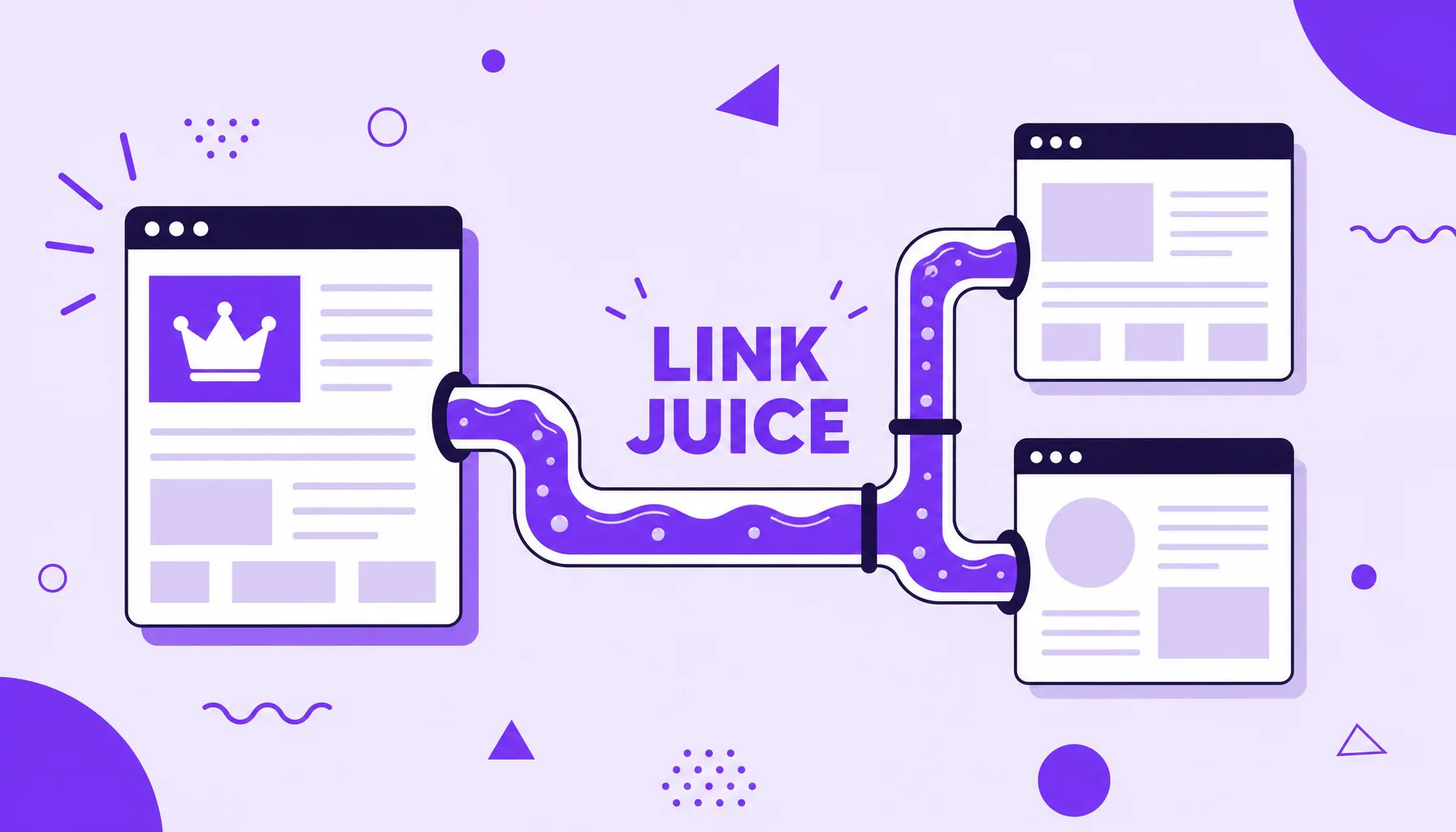
Link juice is the informal name for the authority that a link passes from one page to another. When a site links to your content, part of that page's value flows through the link and helps the destination page rank better. The stronger and more relevant the source, the more link juice it passes on, which is why quality backlinks remain one of the pillars of SEO.
Domain rating
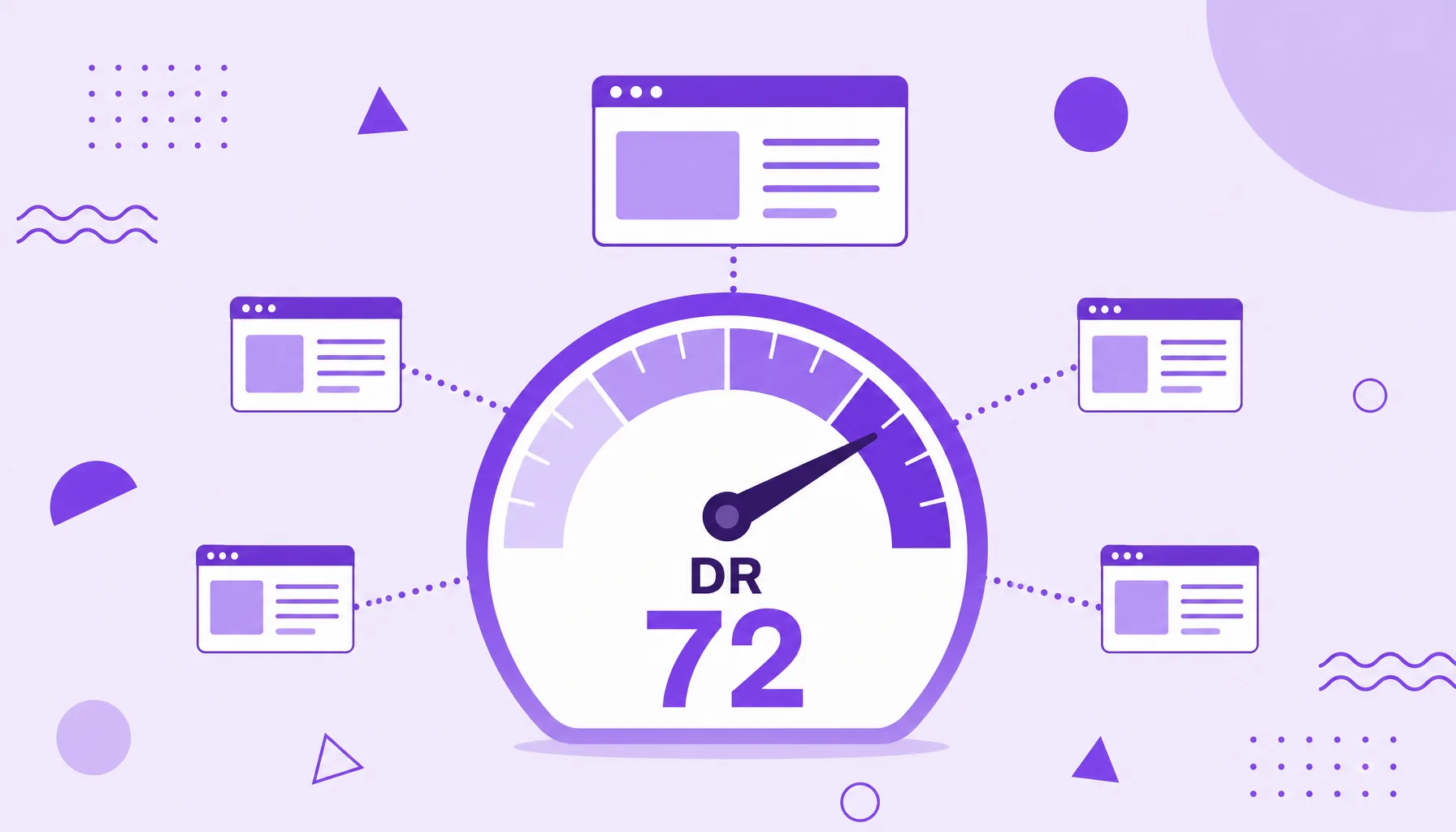
Domain Rating (DR) is a metric created by Ahrefs that estimates the strength of a domain's backlink profile on a scale from 0 to 100. The more unique and relevant sites point to yours, the higher your DR tends to be. It is important to remember that this is an Ahrefs score, not a Google one, and it works as a relative authority reference to compare domains, not as an official ranking factor.
Spam Score
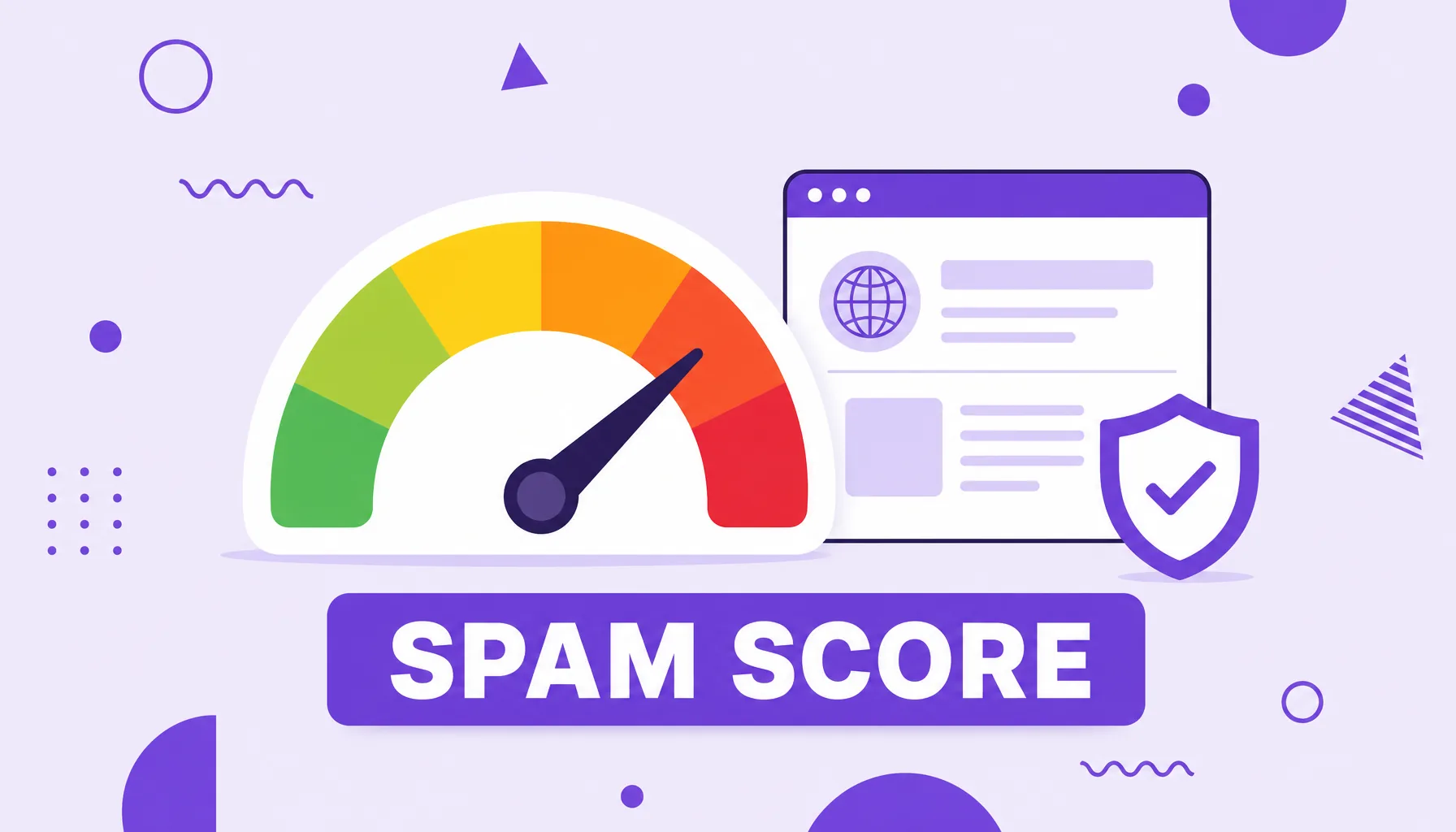
Spam Score is a metric created by Moz that estimates, as a percentage, the likelihood of a domain being penalized or banned by search engines. It works by comparing the site against a large database of pages that have already been penalized and counting how many suspicious signals it shares with them. The higher the Spam Score, the more the domain resembles problematic sites, which serves as an early warning about the health of your link profile, and not as a score used directly by Google.
Link farm
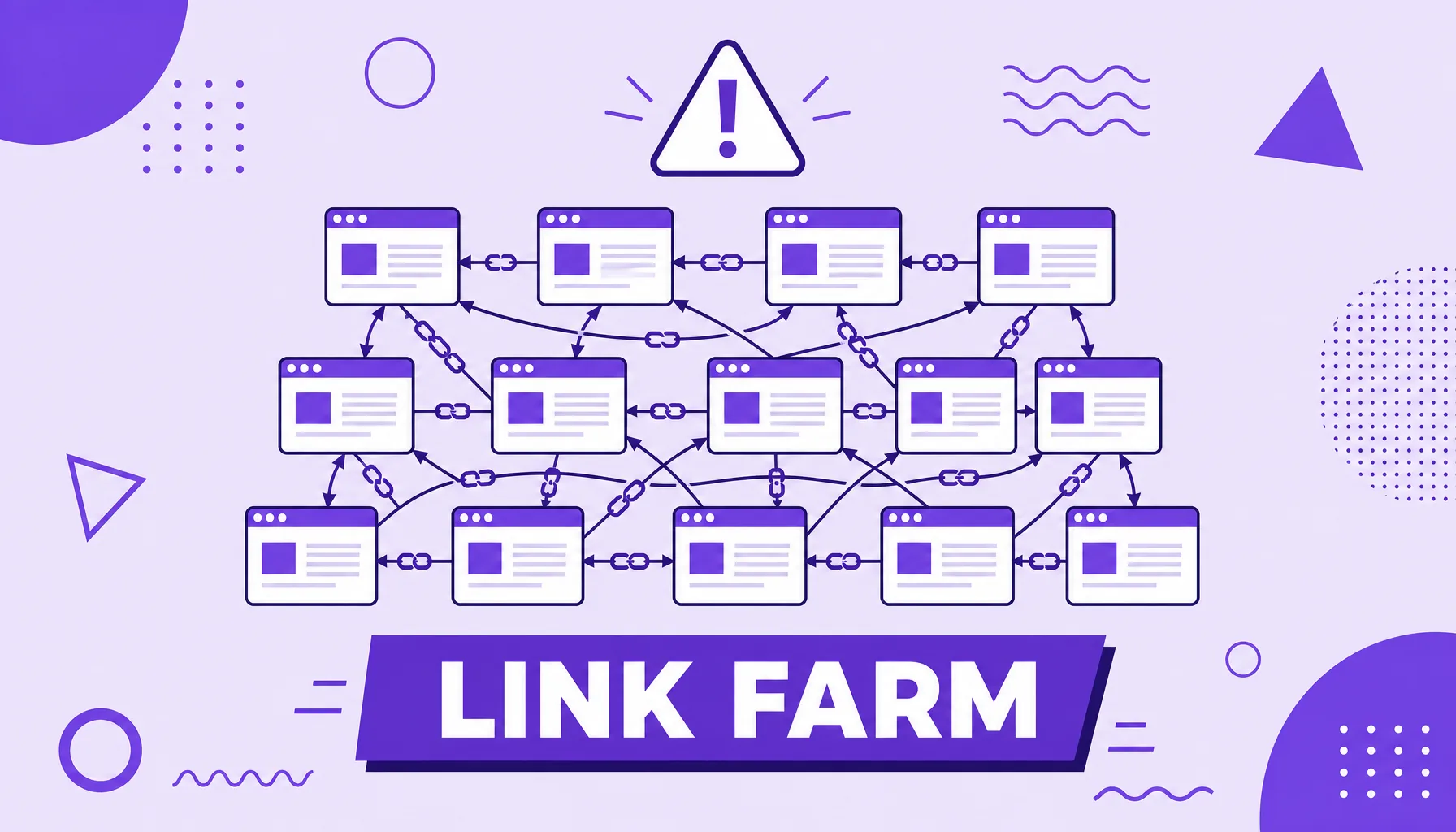
A link farm is a group of sites created or arranged to swap links with each other in high volume, with the sole purpose of artificially inflating authority and manipulating rankings in search engines. Because the links come from neither editorial merit nor real relevance, Google treats the practice as a link scheme that violates its guidelines. Sites involved with link farms run a serious risk of penalization and of losing positions and traffic from one moment to the next.
Content, strategy and local
Content marketing, funnel strategy and local SEO.

Google Business Profile
Google Business Profile, formerly Google My Business, is the free listing from Google that shows a company on Search and on Google Maps. With it, a business displays its address, phone number, opening hours, photos, reviews and website right in the results, at no cost, and starts competing for the local searches of people looking for services in the area.
Paid traffic
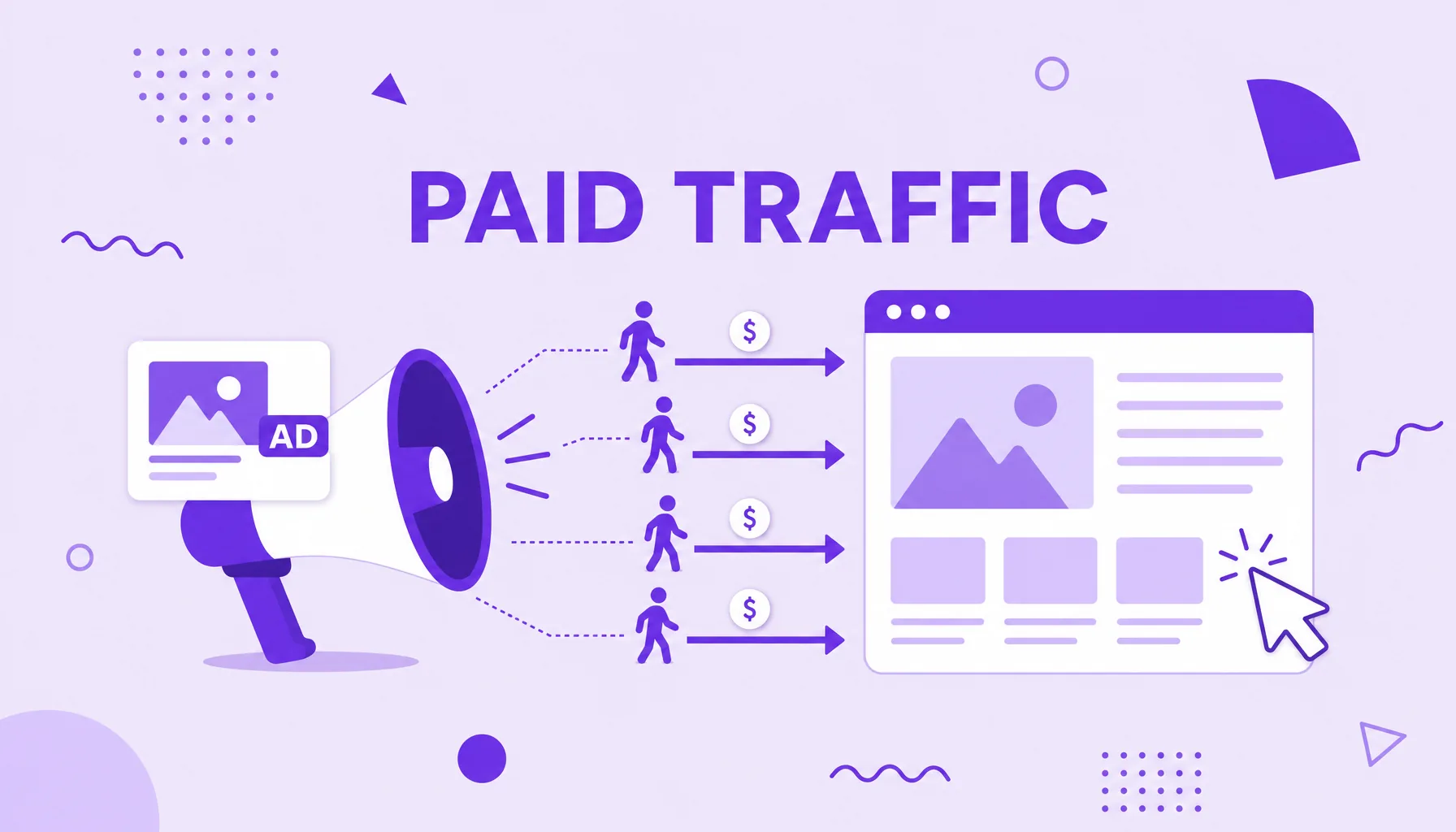
Paid traffic is the set of visits that reach your site, blog or profile through paid ads, such as those on Google Ads, Meta Ads (Facebook and Instagram), LinkedIn, TikTok or YouTube. Unlike organic traffic, which is earned with SEO over time, paid traffic is bought: you set a budget, choose the audience and pay for each click or per thousand ad views.

Lead
A lead is a contact who has shown interest in a company and, in exchange for something valuable, shared their details (such as a name, email or phone number). In digital marketing, generating leads means turning anonymous visitors into identifiable contacts that marketing and sales can nurture toward a purchase. Every lead is a business opportunity at the start of the journey.

Landing page
A landing page is a web page created with a single conversion goal, such as capturing a lead, selling a product or signing someone up for an event. Unlike a homepage full of menus and links, it concentrates the visitor's attention on one action, which makes it one of the most efficient pieces of a digital marketing strategy.

CTA
A CTA is short for call to action, the element (a button, link or line of copy) that invites the user to take the next desired step, such as buy now, download the ebook or talk to a consultant. In digital marketing, the CTA is the bridge between interest and conversion: without a clear instruction on what to do, most visitors simply leave.
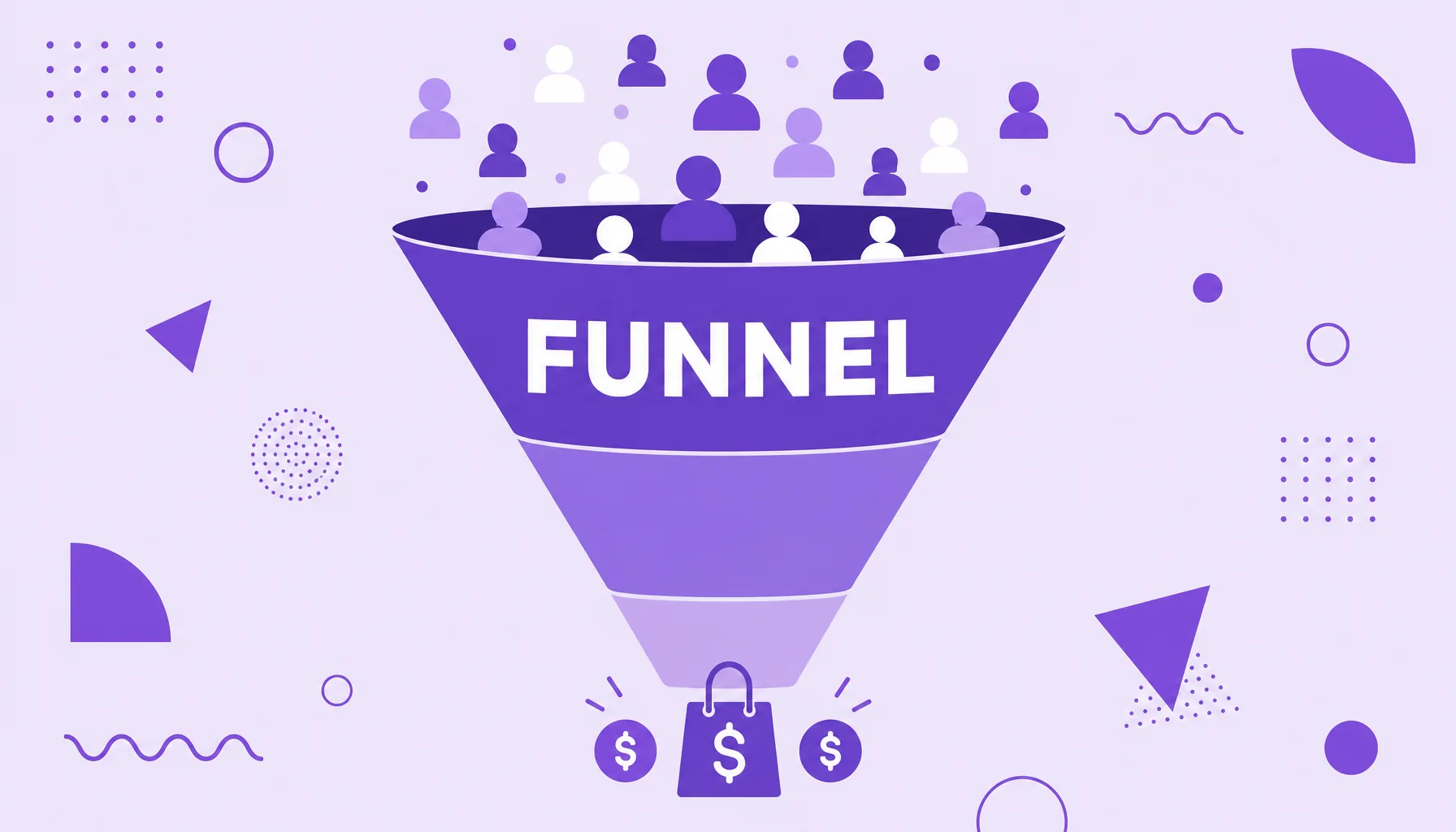
Sales funnel
A sales funnel is the representation of the stages a person goes through from the first contact with your company to the purchase, and often to loyalty. It organizes that journey into phases (usually top, middle and bottom) so marketing and sales know which content and approach to use at each moment, turning unknown visitors into customers in a predictable way.
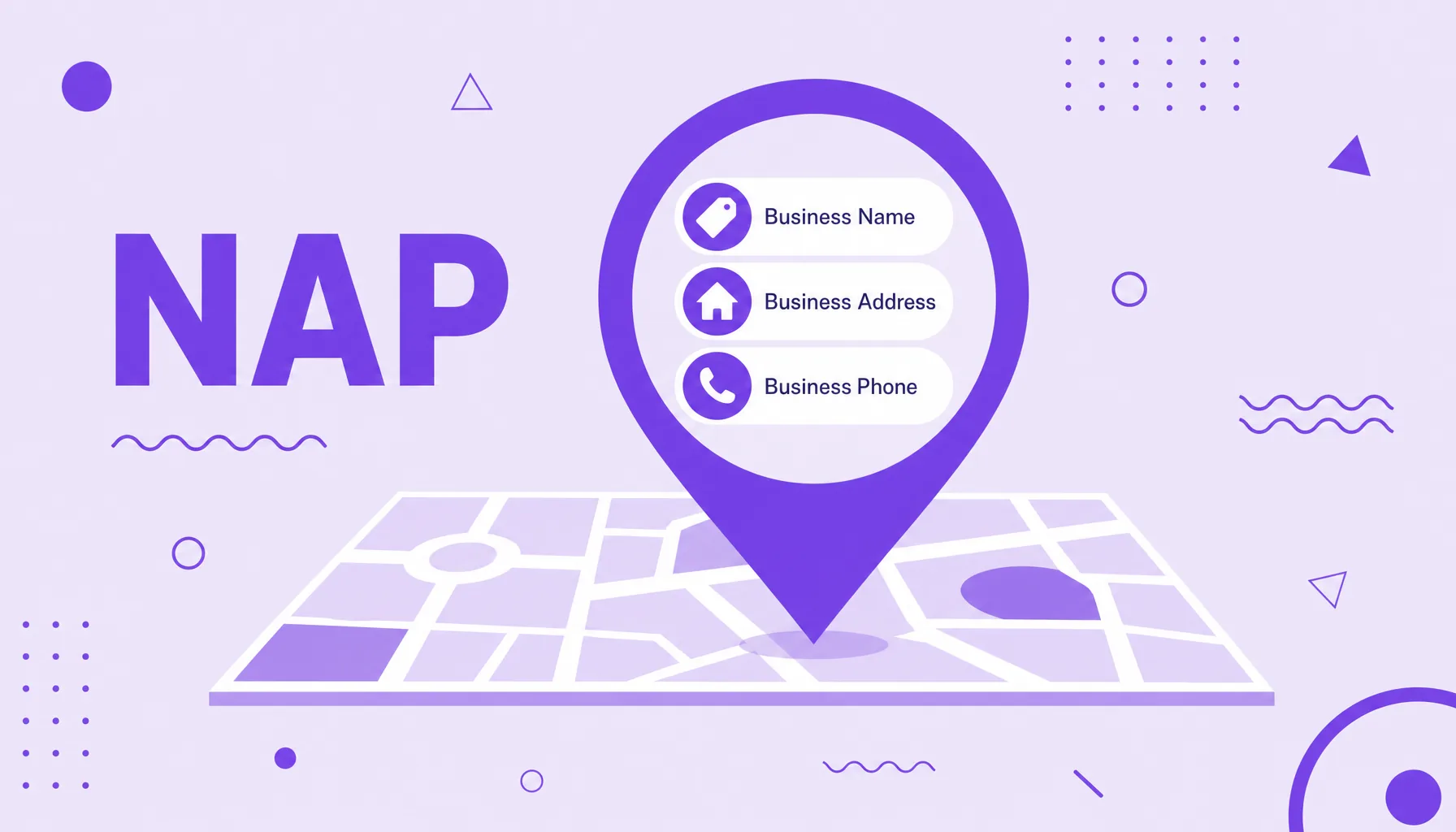
NAP
NAP is short for Name, Address, Phone, that is, the name, the address and the phone of a business. In local SEO, the central concept is NAP consistency: this information needs to appear exactly the same on the site, on the Google Business Profile and in every citation spread across the web, because that is how the search engine trusts it is the same business and shows it in searches with geographic intent.

Inbound marketing
Inbound marketing is a strategy that attracts customers by offering useful, relevant content instead of interrupting people with advertising. Rather than chasing the customer, the brand creates material (articles, videos, ebooks) that answers the audience's questions and leads them to reach the company on their own. The focus is on earning attention with value, nurturing the relationship and turning visitors into customers over time.

Content marketing
Content marketing is the strategy of attracting and keeping an audience by creating and distributing relevant, consistent content (articles, videos, e-books, newsletters) instead of interrupting people with direct ads. The goal is to deliver value first, earn trust and, over time, turn that audience into loyal customers.

Outbound marketing
Outbound marketing is the active approach in which the company goes after the customer, interrupting the audience with ads, calls, cold emails and direct prospecting to present its offer. It is the opposite of inbound, where the customer finds the brand on their own. Outbound delivers faster results, but tends to have a higher cost per lead and depends on volume and good targeting.

Buyer persona
A buyer persona is the semi fictional representation of a company's ideal customer, built from real data and customer interviews. It gathers traits such as goals, pains, buying behavior and preferred channels into a single, concrete profile that guides marketing, content, product and sales decisions by putting a face where there was an abstract audience.

Editorial calendar
An editorial calendar is the schedule that organizes the production and publishing of content by date, topic, format and channel. It turns loose ideas into a visible plan, defines who does what and when each piece goes live, and ensures consistency in publishing. It is the tool that brings predictability to a content strategy, from the blog to social media.
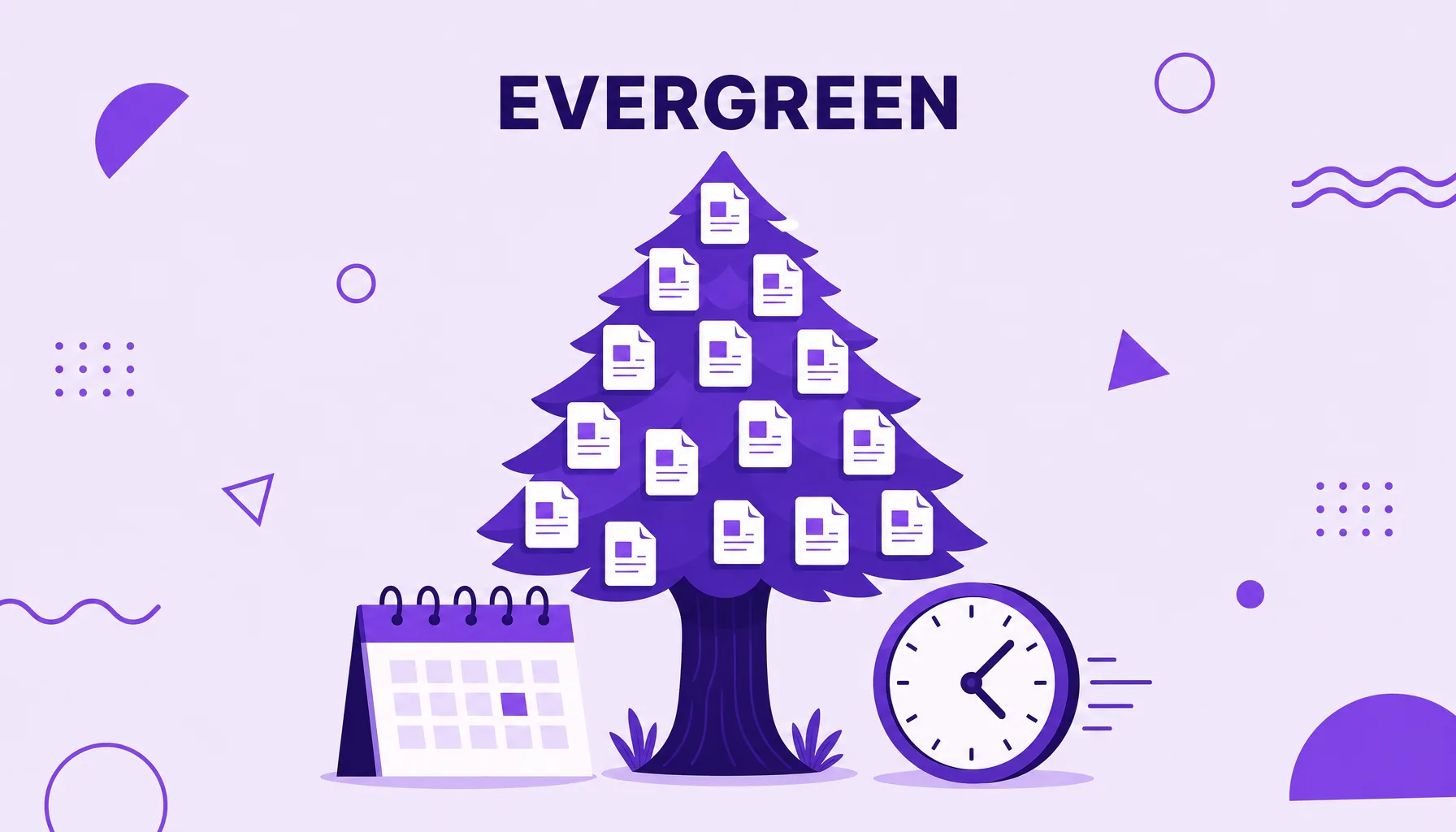
Evergreen content
Evergreen content is material that stays relevant and keeps attracting organic traffic for a long time, without depending on dates, trends or current news. The name comes from evergreen trees, which stay green all year, and it describes articles, guides and videos that answer the audience's lasting questions, aging slowly and needing only occasional updates to stay at the top.
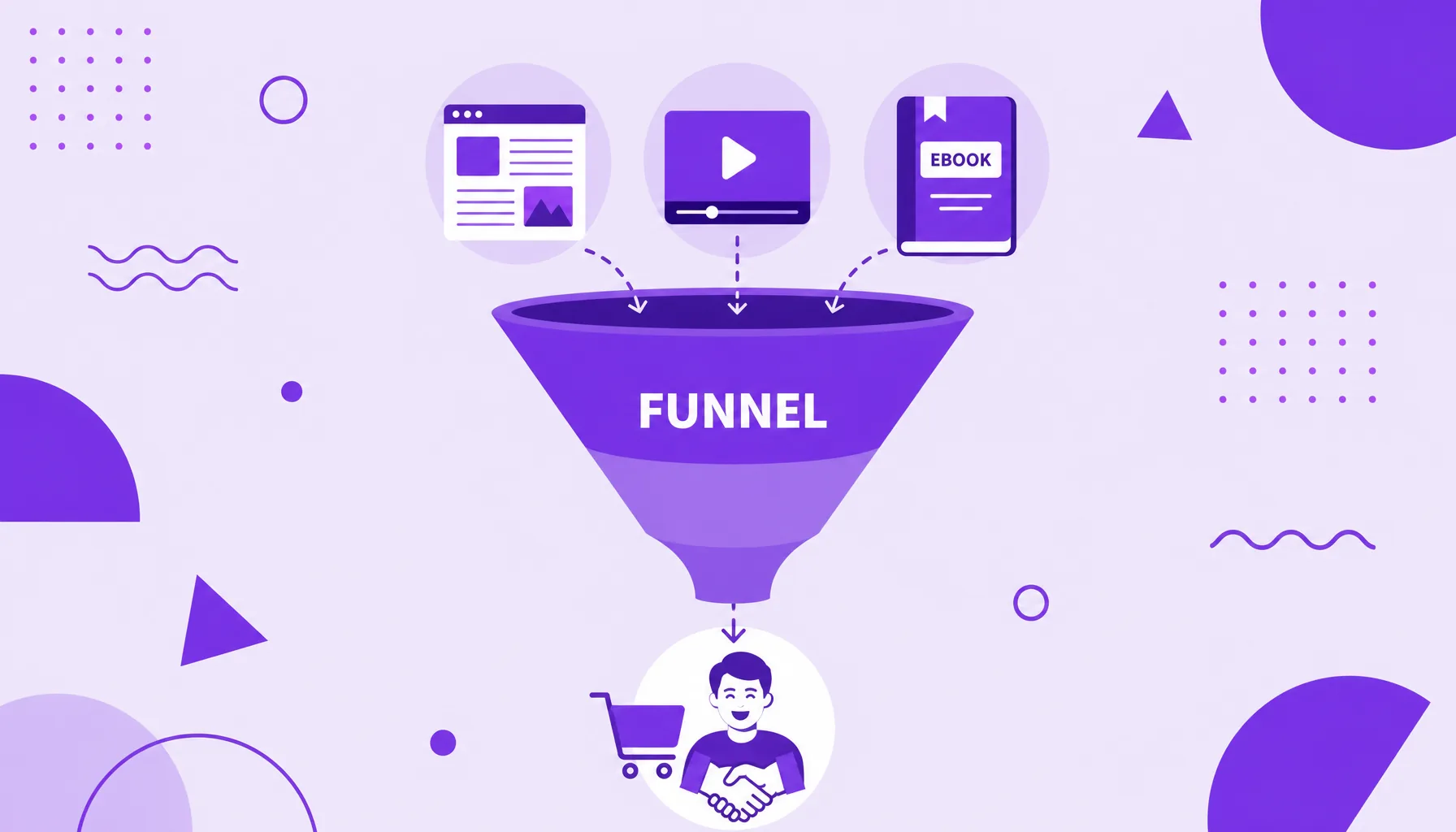
Content funnel
A content funnel is the strategy of planning and organizing content for each stage of the buying journey, from the first contact to the decision. Instead of treating every visitor the same way, it delivers the right material for each moment: discovery content at the top, consideration content in the middle and decision content at the bottom. That way, it guides the audience from stranger to customer gradually and predictably.

Top of the funnel
Top of the funnel (ToFu, from top of the funnel) is the first stage of the marketing and sales funnel, the phase of discovery and attraction. At this point the person is not looking for a product: they have just realized they have a problem or a need and are looking for information. Top of the funnel content is broad and educational, designed to attract as many qualified visitors as possible and introduce the brand, without trying to sell right away.

Buyer journey
The buyer journey is the path a person travels from the moment they realize they have a problem or a desire until the buying decision and the after sale. Also called the customer journey, it is usually divided into stages (awareness and discovery, problem recognition, solution consideration and decision) and works as a map for the company to deliver the right content at each phase.

Lead magnet
A lead magnet is a free, immediately useful resource (such as an ebook, checklist, template, webinar or tool) that a company offers in exchange for a visitor's contact details, usually the email. It turns anonymous traffic into identified contacts, feeding the base for the next stages of relationship and sales.
Bottom of funnel
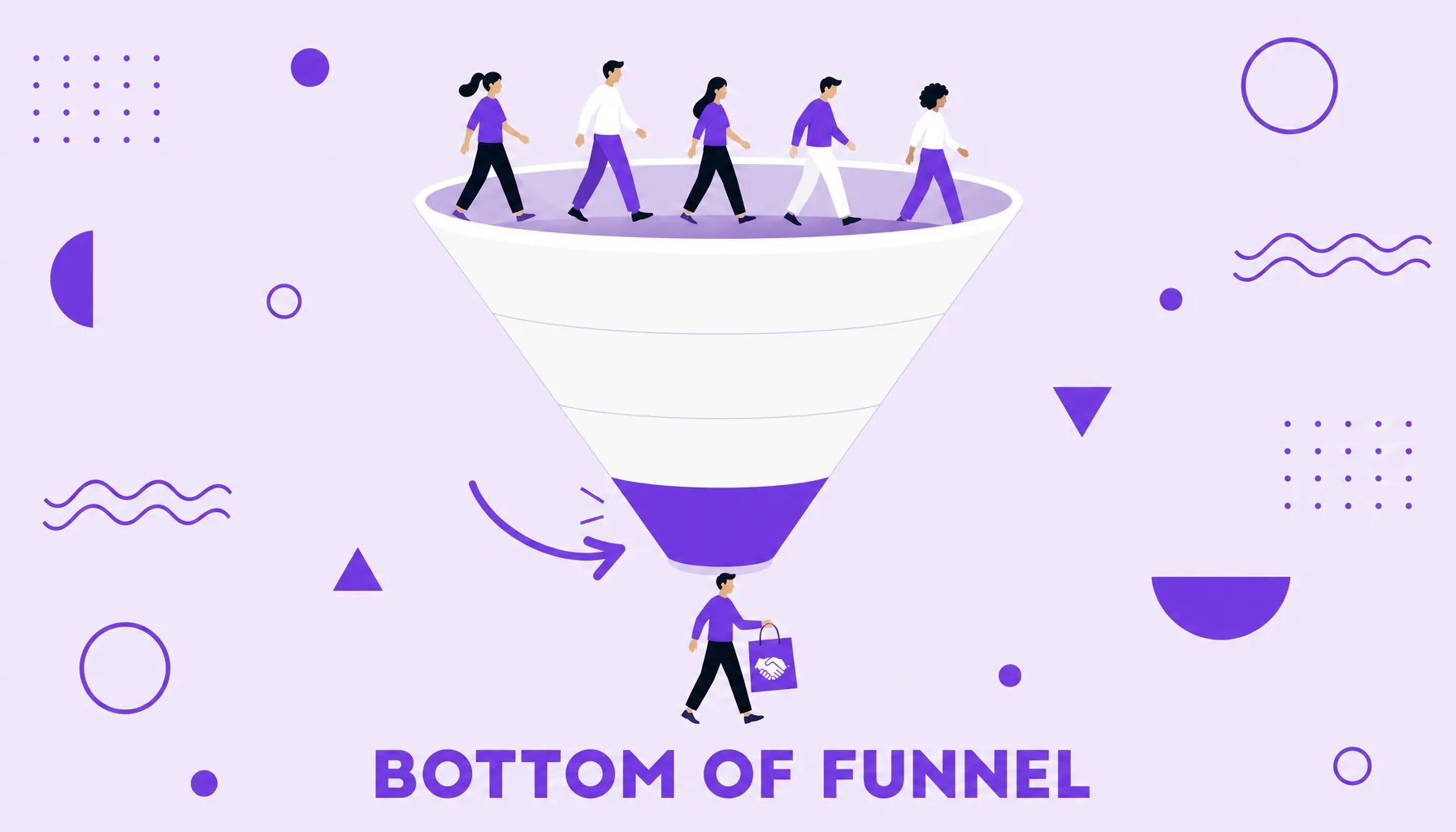
Bottom of funnel (or BoFu) is the last stage of the buying journey, the moment when the person has already recognized the problem, weighed the options and is ready to decide. Bottom of funnel content is focused on conversion: it clears the last doubts, shows why your solution is the best choice and guides the person to action, whether a purchase, a chat with sales or a signup.

Demand generation
Demand generation is the set of marketing actions that create interest and awareness for a product or service before a person starts actively looking for a solution. Instead of competing only for those already ready to buy, the goal is to educate the market, build authority and stay in the audience's memory, so the brand is remembered when the need arises.

Lead nurturing
Lead nurturing is the ongoing relationship a company keeps with its contacts to mature them along the journey toward a purchase. Instead of pushing a sale at the first contact, it delivers useful content at the right pace, by email and other channels, educating the lead and building trust. The goal is to take someone who is not yet ready to buy from the initial interest all the way to the decision, gradually and automatically.

Middle of the funnel
Middle of the funnel (MoFu, from middle of the funnel) is the consideration stage of the marketing and sales funnel, between the attraction of the top and the decision of the bottom. At this point the person already understands they have a problem and starts evaluating ways to solve it. Middle of the funnel content nurtures and qualifies the lead with deeper materials, such as ebooks, webinars and case studies, helping to compare solutions without forcing the sale.
Customer acquisition cost
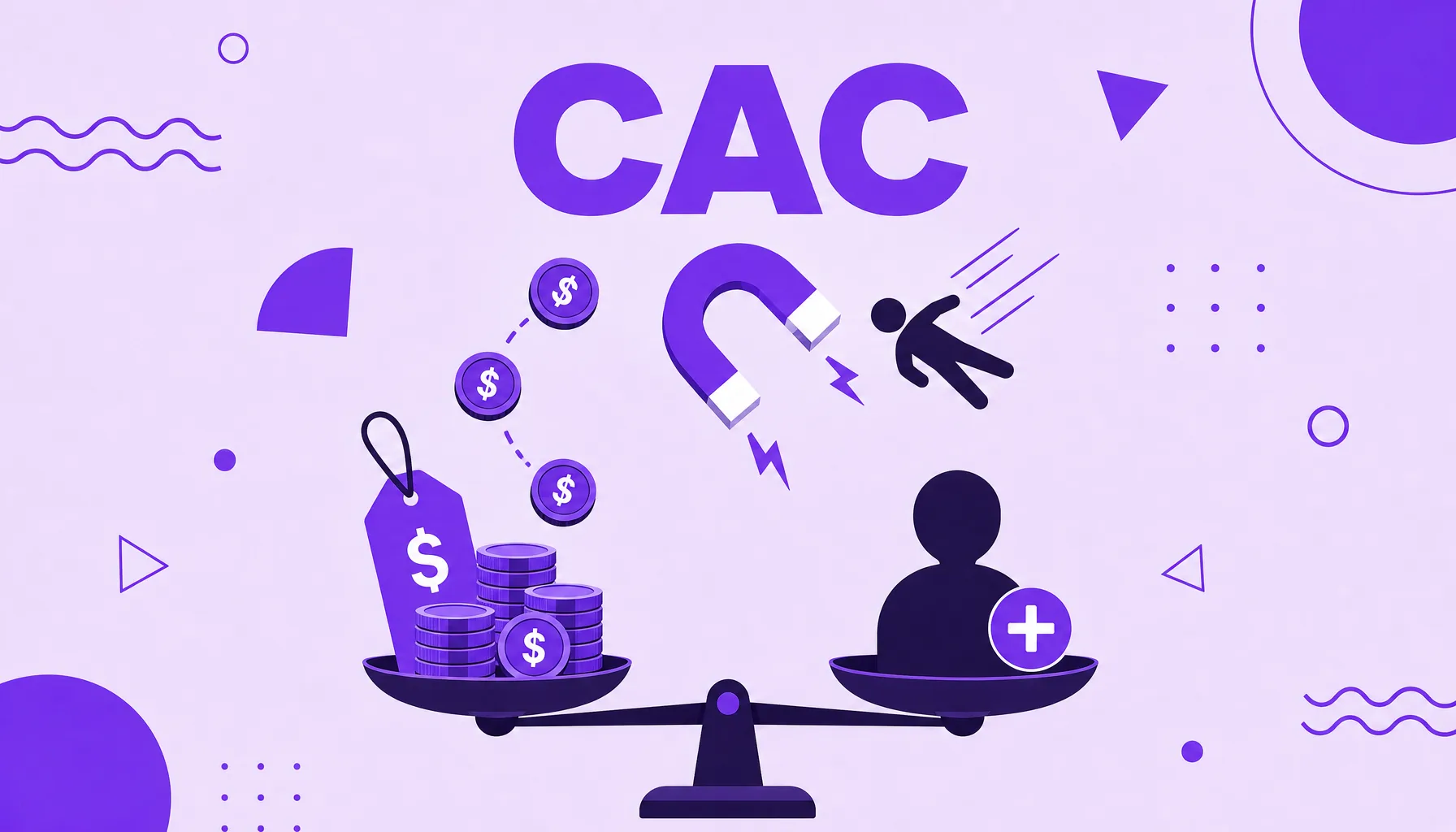
CAC stands for Customer Acquisition Cost, the metric that shows how much a company invests, on average, to win each new customer. It adds up all marketing and sales spending in a period and divides it by the number of customers acquired in that same period. It is a central efficiency indicator: the lower the CAC compared to the value the customer generates, the healthier the business growth.
Acquisition channels
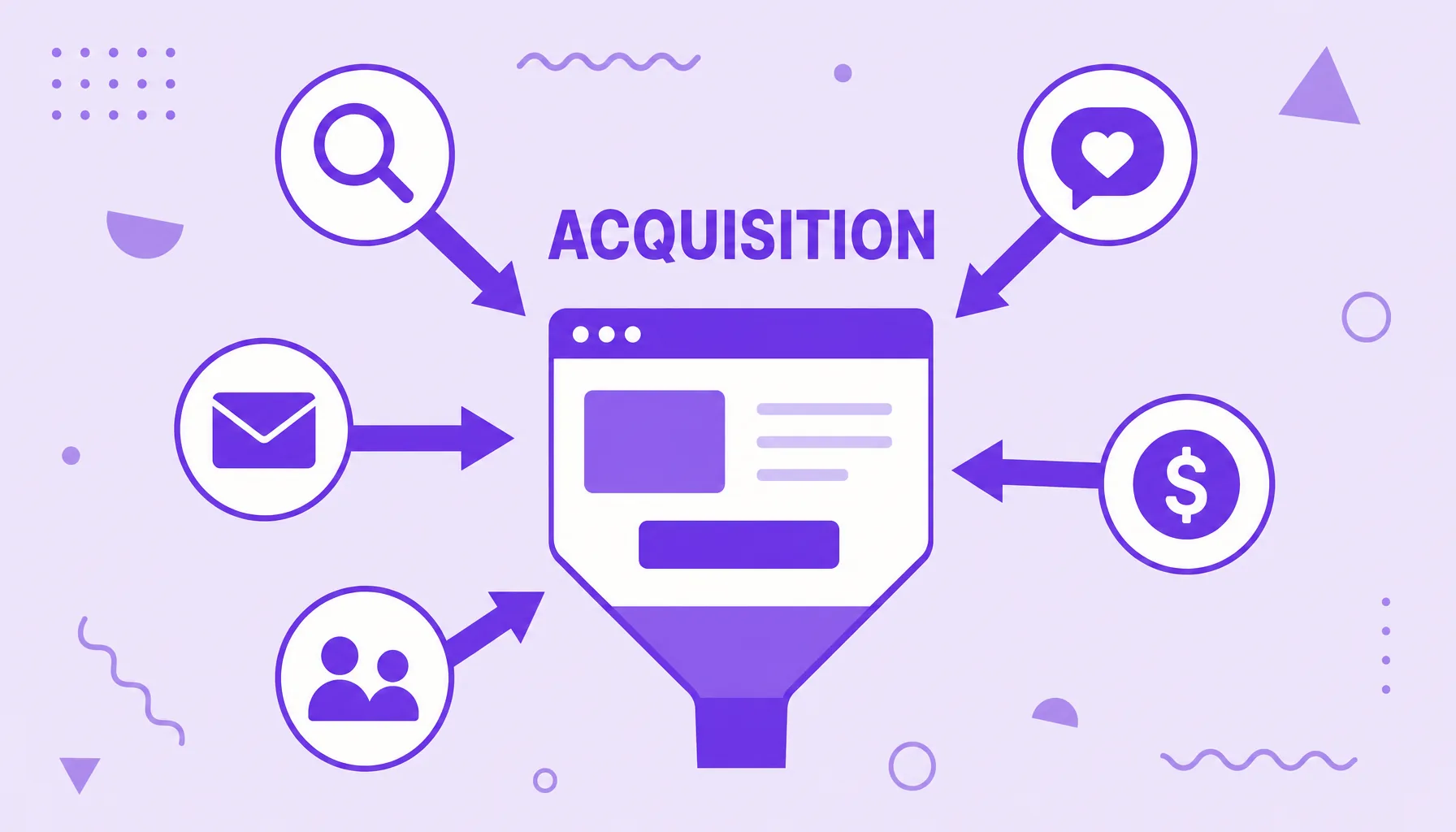
Acquisition channels are the different sources through which a company attracts visitors, leads and customers, such as organic search, paid media, social networks, email marketing, referrals and direct traffic. Each channel has a cost, a pace and a type of audience, and choosing the right ones for your business is what defines the predictability and efficiency of acquisition.
Content brief
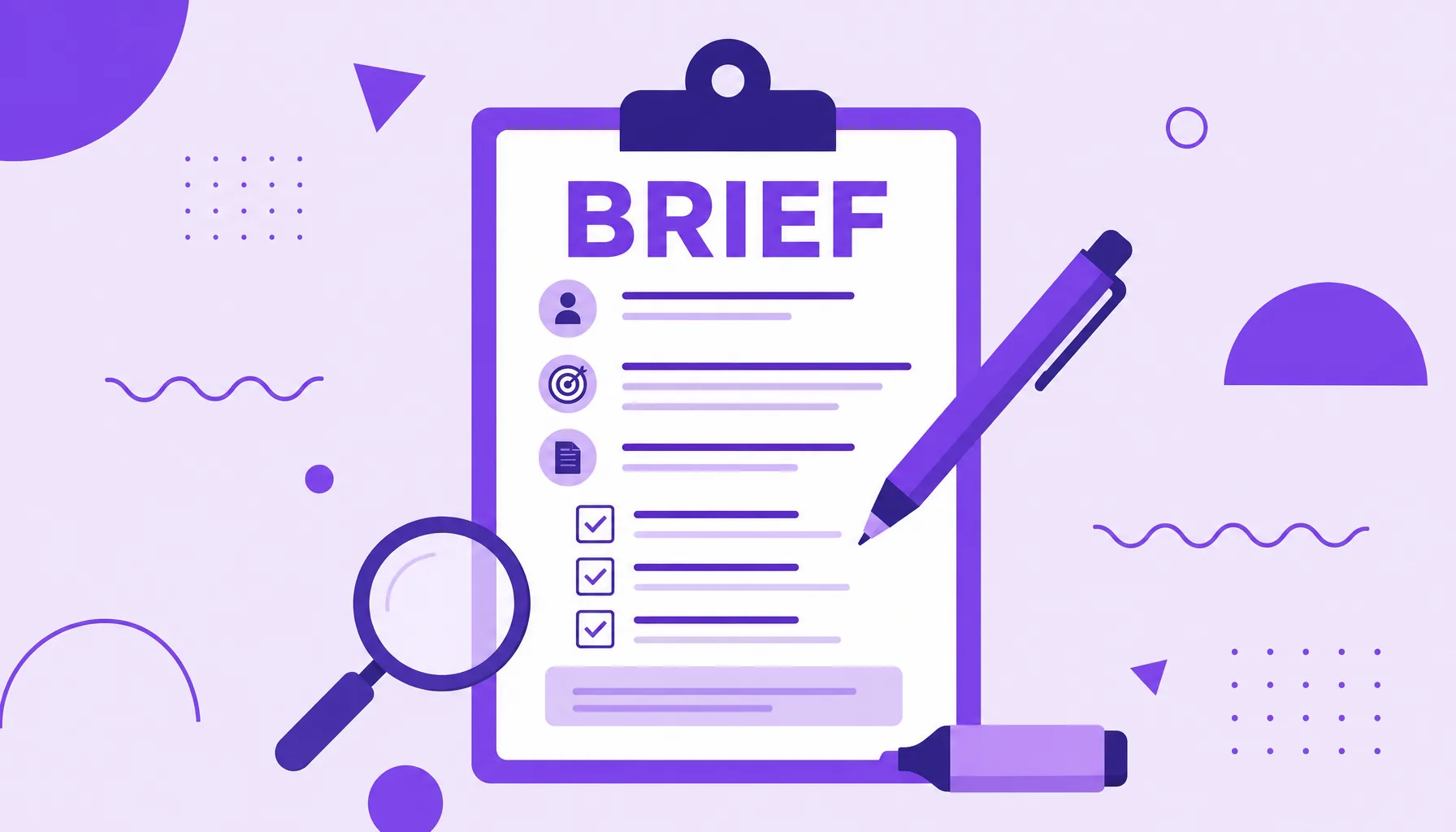
A content brief is the document that guides the production of a text before writing begins, gathering in one place the goal of the piece, the target keyword, the search intent, the audience, the topics to cover, the heading structure and the references. It works as a map that aligns strategist, writer and editor, reduces rework and makes sure the article is born optimized for SEO and consistent with the blog's strategy.
Thin content
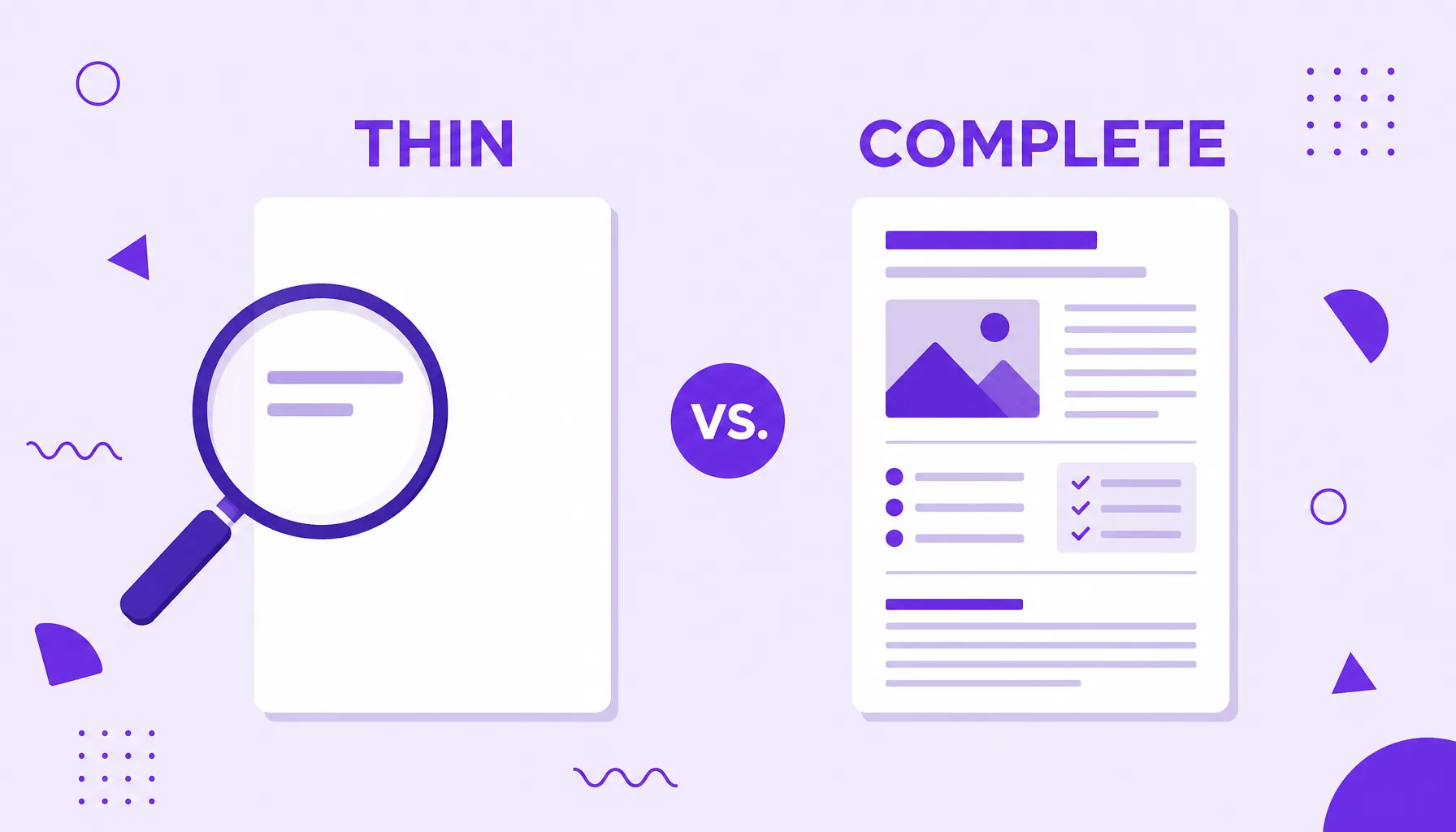
Thin content is the page that offers little or no real value to searchers: short, generic text, copies of other sites, mass-produced content with no review or pages created just to try to rank. For Google, this kind of material does not deserve good positions and, in excess, it can affect the assessment of the whole site. Fixing thin content means deepening, merging or removing these pages so each one truly answers the user's intent.
Content cluster
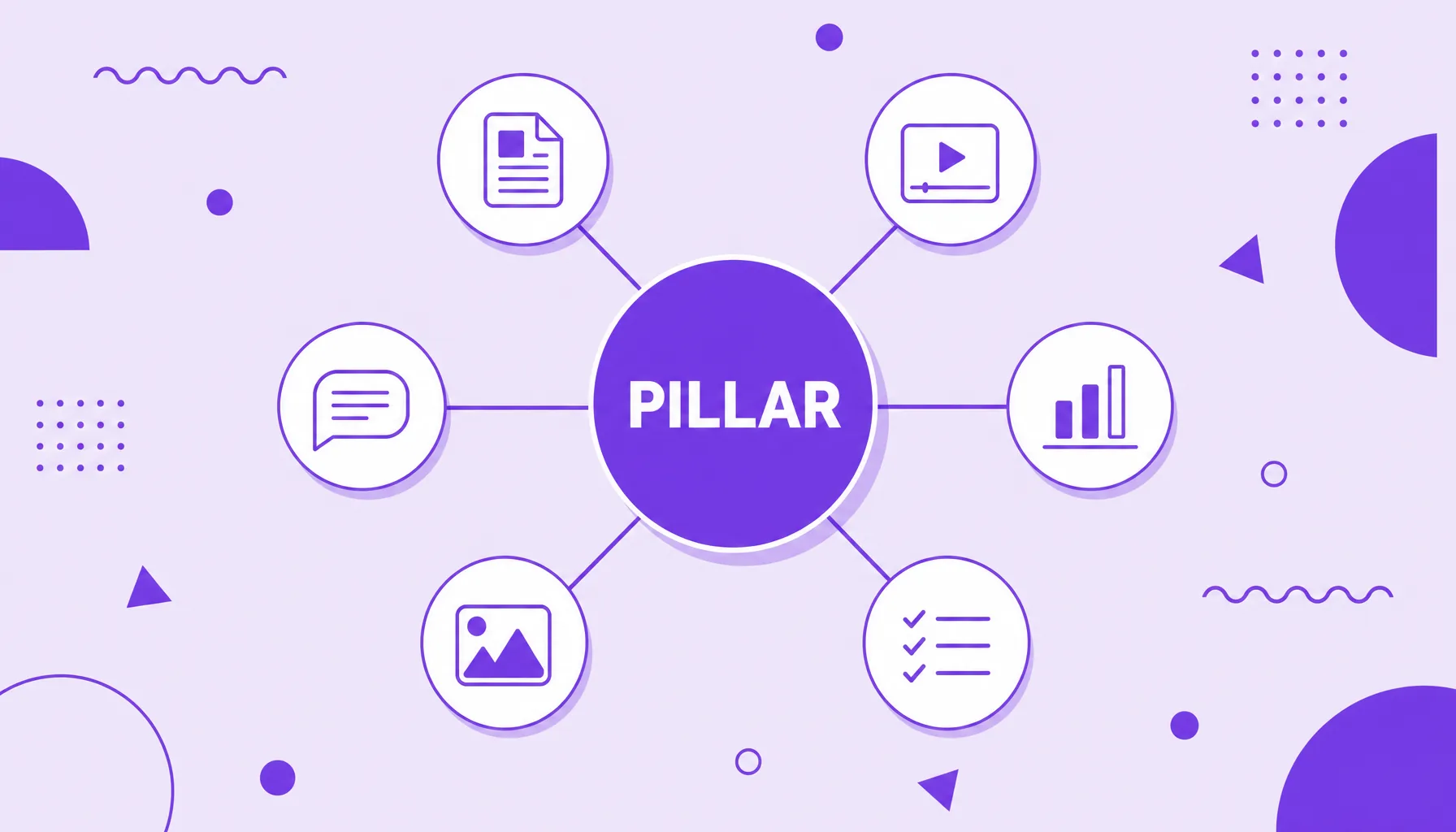
A content cluster is an organization strategy in which several pages about subtopics of the same subject are connected to a central page, called the pillar page. The pillar gives the broad view of the topic, while the supporting content goes deep on each angle, and they all link together through internal links. This architecture helps Google understand that the site covers a subject completely, which strengthens topical authority and the rankings of every page in the group.
Topic map
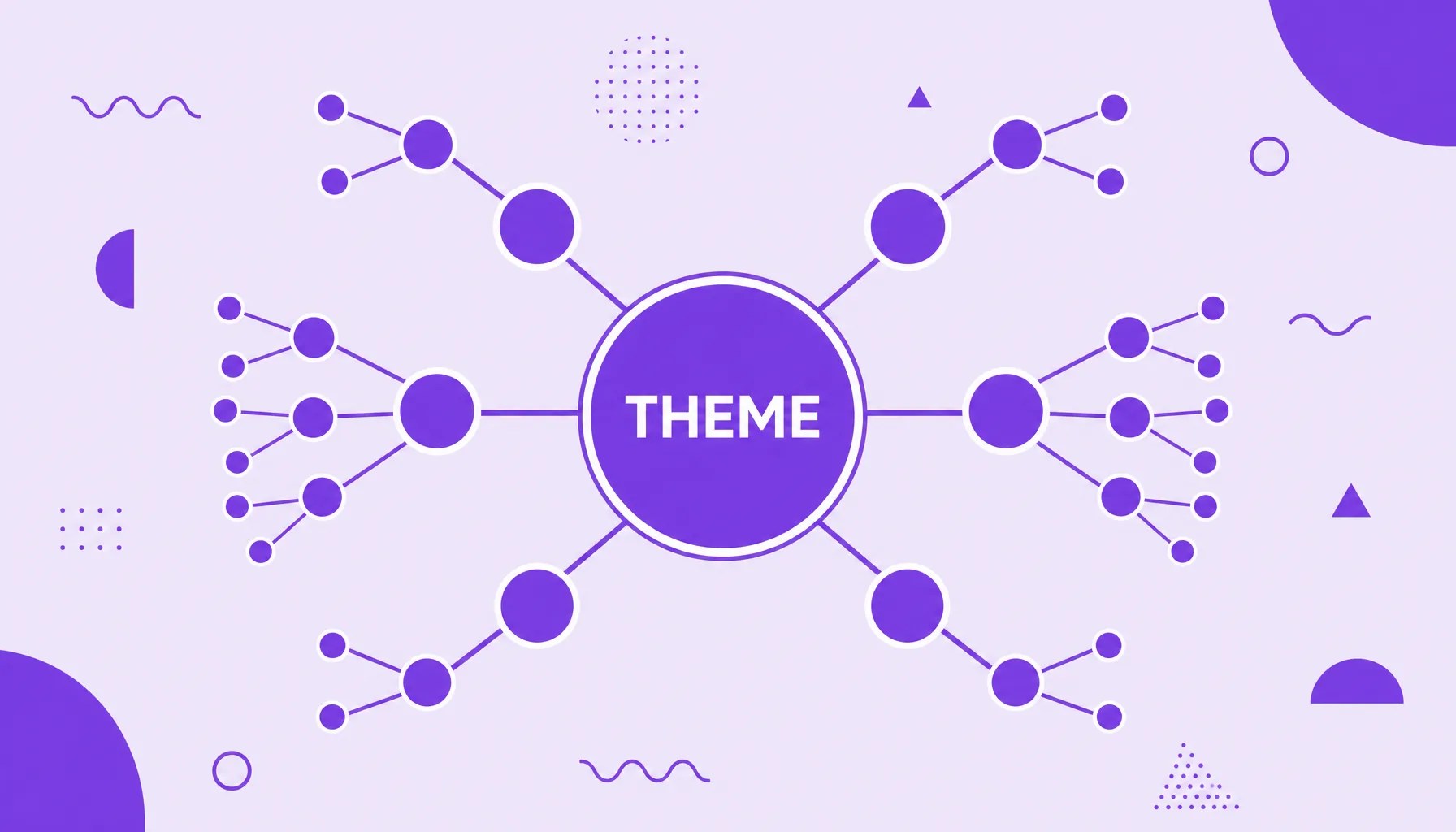
A topic map is the visual plan of every subtopic a site needs to cover in order to own a subject. It starts from a central theme and unfolds it into branches of questions, doubts and related angles, forming a map that guides content production. In practice, it is the skeleton that shows what to write, in what order and how the pages connect, and it is the planning step behind a well-built content cluster.

Cornerstone content
Cornerstone content is the set of the most fundamental and important pieces on a website, the pages the whole strategy rests on. They are broad, in depth articles that explain the core topics of your niche, concentrate internal links and tell Google what your greatest authority is. The idea is that of a foundation or keystone: the material you want to rank first and that supports all the smaller articles around it.
Demand capture
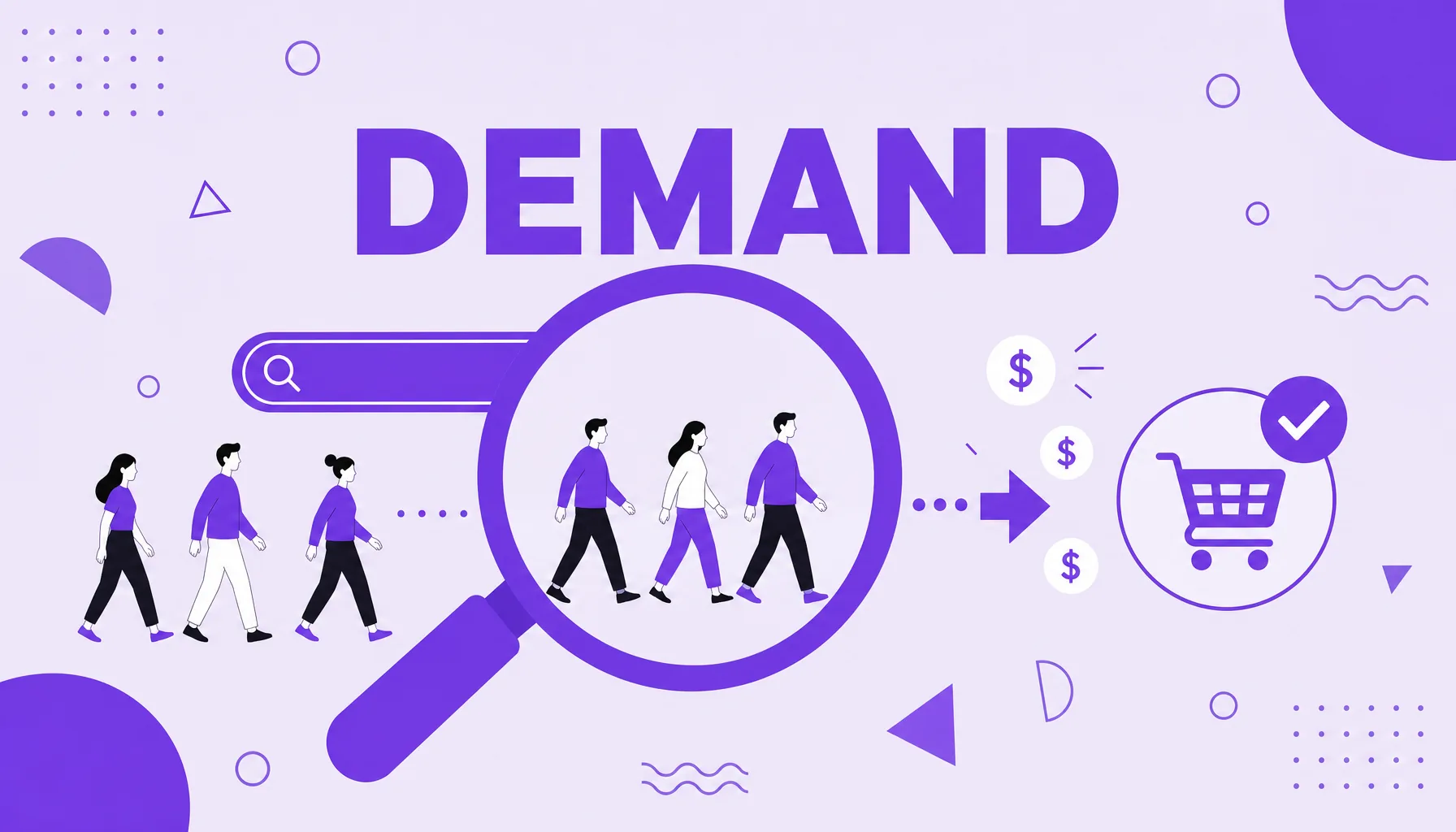
Demand capture is the set of marketing and sales actions aimed at converting into customers the people who are already actively searching for a solution. Instead of creating new interest, the focus is on serving the demand that already exists, showing up at the exact moment someone searches, compares or is ready to decide. It is the harvest of the strategy: while demand generation plants interest for the future, capture cashes in on the present, guiding those with clear intent toward the purchase.
Pillar page
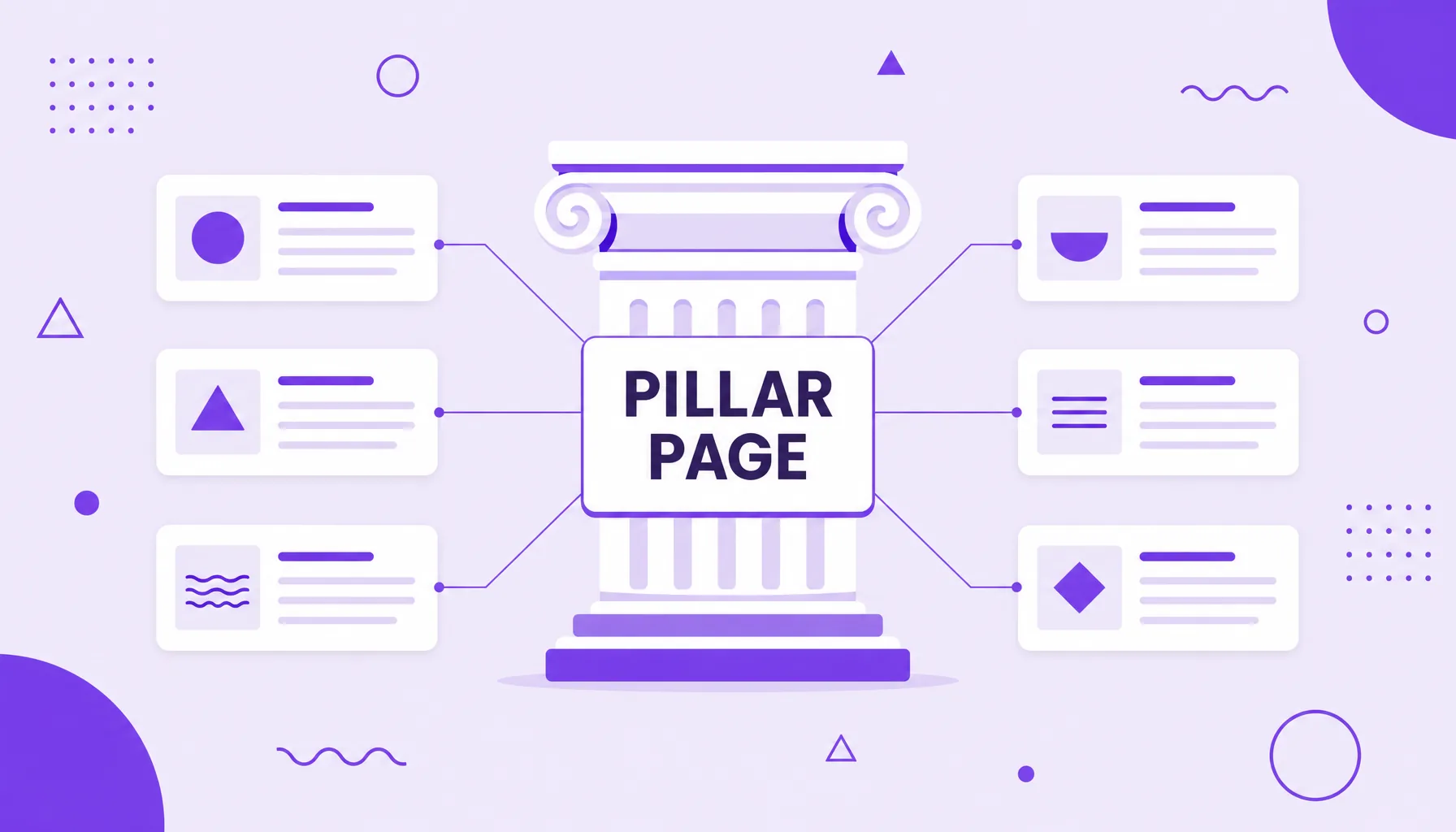
A pillar page is a broad page that covers a wide topic thoroughly and works as the center of a group of content. It gives an overview of the subject and connects, through internal links, to several more specific articles that go deeper into each subtopic. This structure organizes a site's content around themes, helps the user navigate and signals authority on the subject to search engines.

Content Gap
A content gap is any topic or keyword your competitors already cover and your site does not yet. Content gap analysis compares your domain against competitors and against search demand to reveal these missed opportunities, which become briefs for new articles able to capture the organic traffic that currently slips away to other pages.
CRO
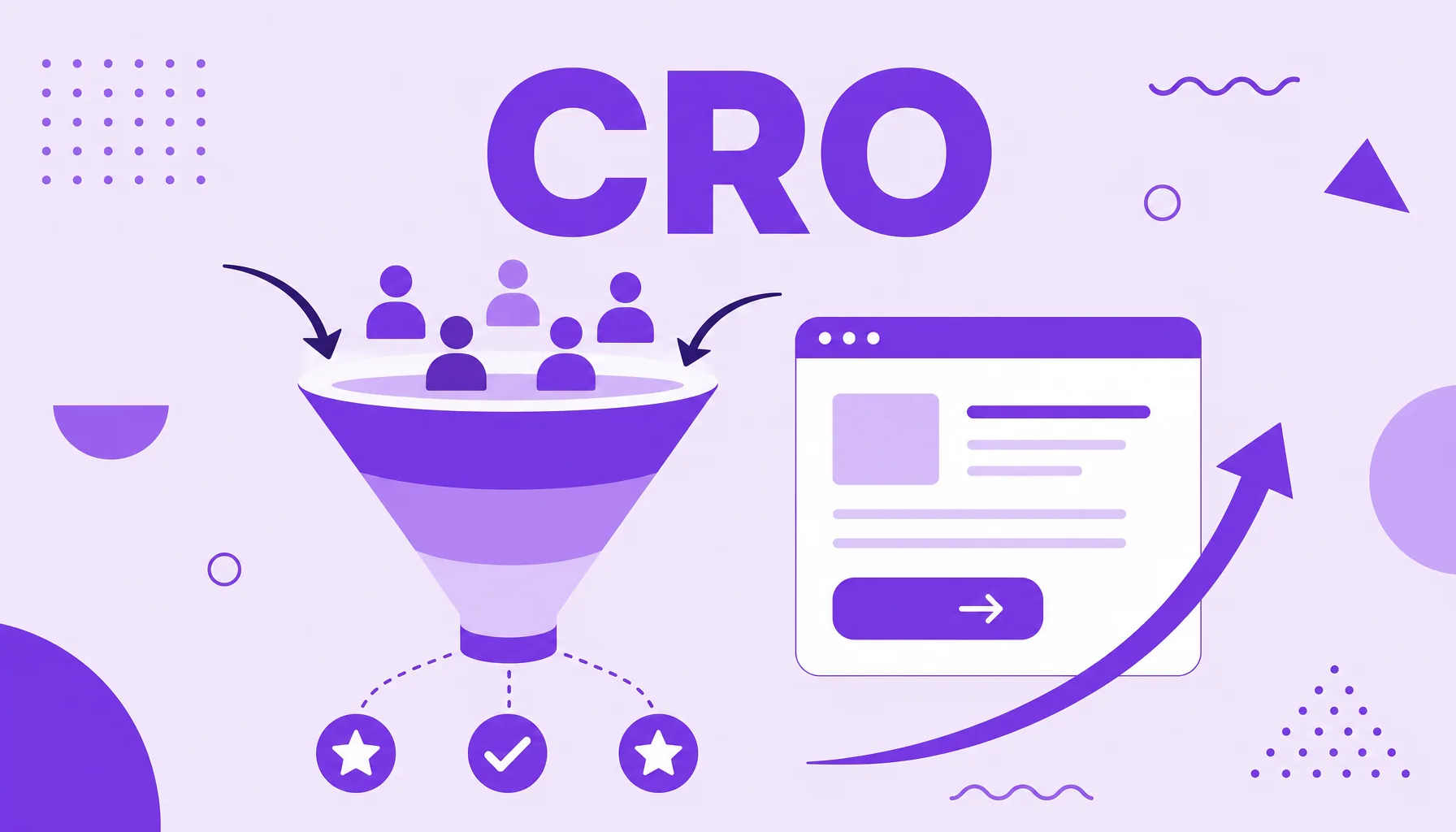
CRO stands for Conversion Rate Optimization. It is the set of practices that adjusts pages, copy and elements of a site so a larger share of visitors takes the desired action, such as filling out a form, subscribing to a newsletter or buying. Instead of chasing more traffic, CRO extracts more results from the traffic the page already receives.
GEO and AI in search
Optimization for AI engines and generative search.
SGE
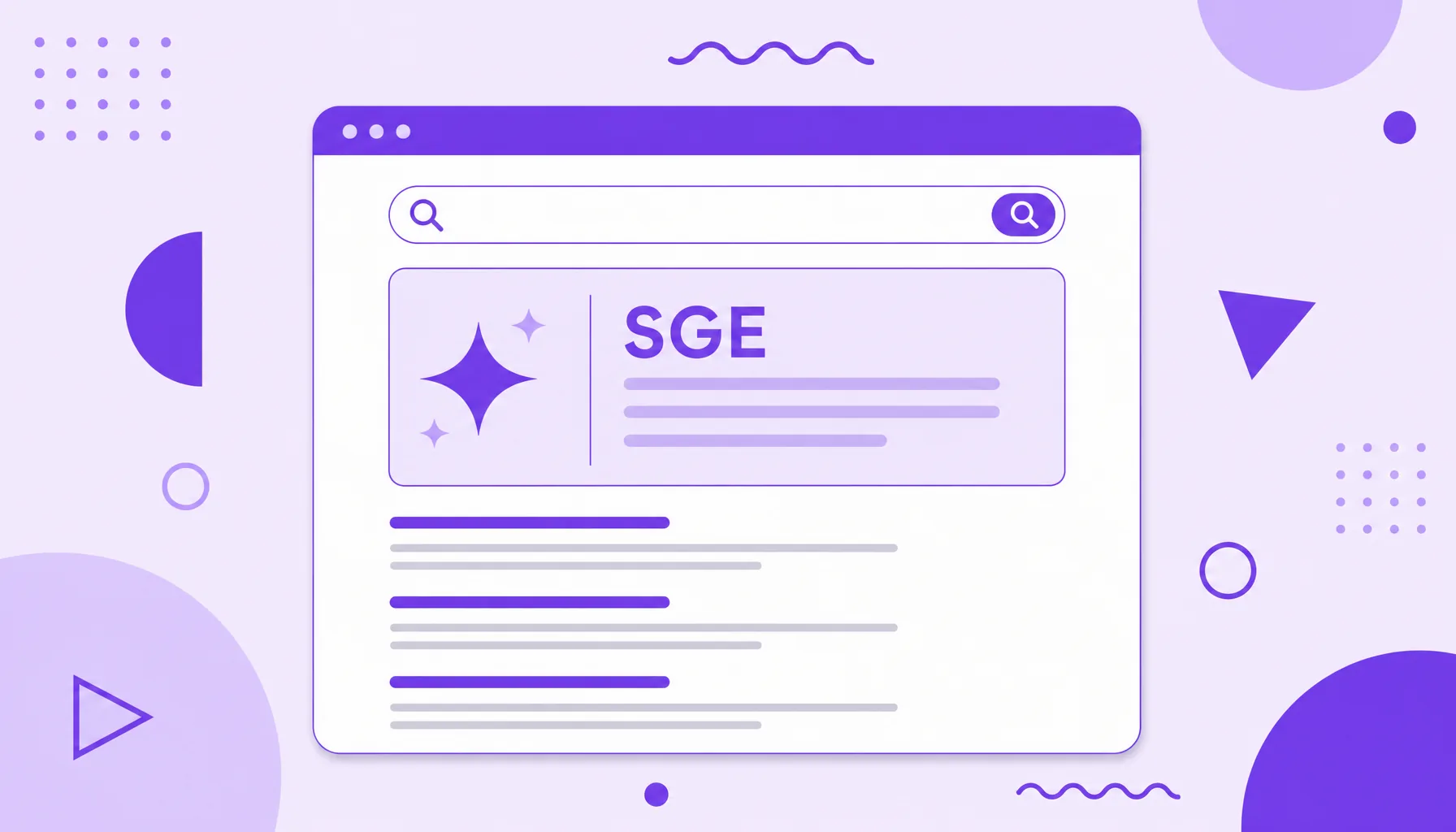
SGE (Search Generative Experience) was the name of Google's experiment that brought answers generated by artificial intelligence to the top of the results page. Launched in 2023 inside Search Labs, the feature stayed in a testing phase and, in 2024, left the lab and became AI Overviews, the AI summaries that now appear in a good share of searches. In practice, SGE was the seed of the generative search Google uses today.
AI Mode
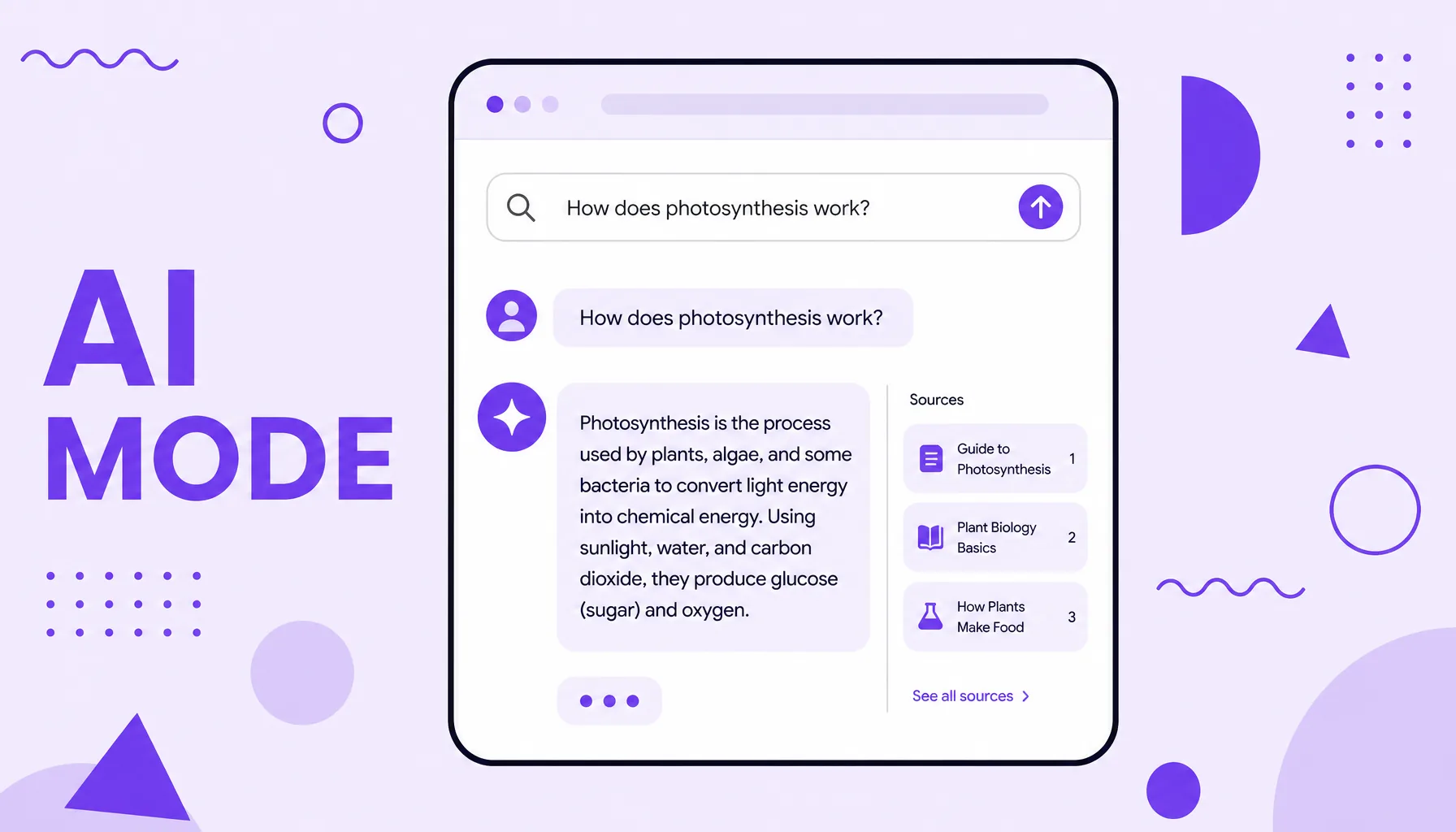
AI Mode is Google's conversational search mode powered by artificial intelligence, in which the search engine delivers a generated answer instead of just a list of blue links. Built on the Gemini model, it accepts long and follow up questions, assembles the answer from several sources and cites a few links, bringing the search experience closer to a conversation with an assistant.
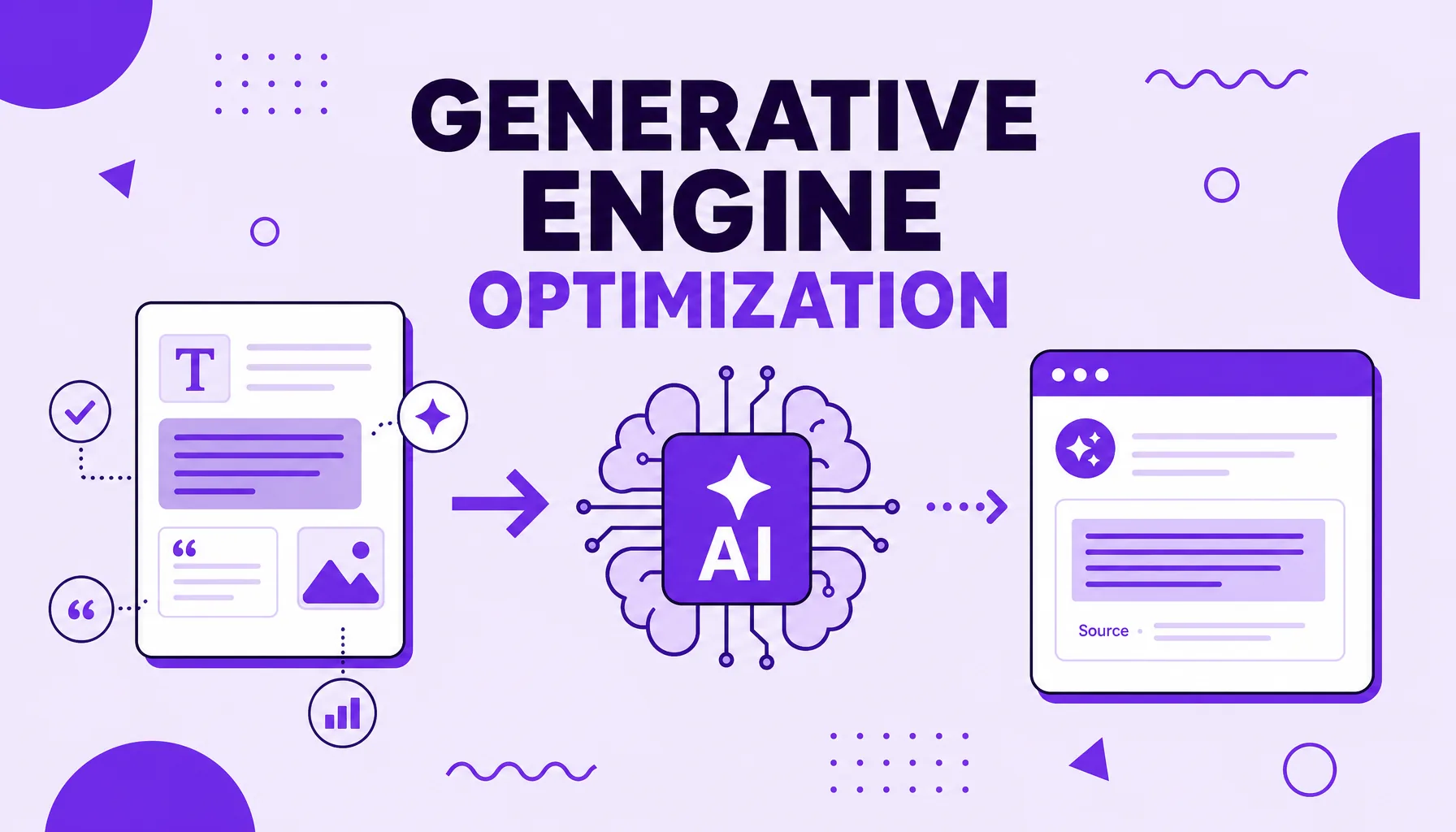
Generative engine optimization
Generative Engine Optimization (GEO), or optimization for generative engines, is the practice of adjusting a site's content so it is read, understood and cited by artificial intelligence search engines, such as ChatGPT, Perplexity, Gemini and Google's AI Overviews. Instead of aiming only for a position in the list of links, the goal is to become one of the sources the model uses to build the generated answer.
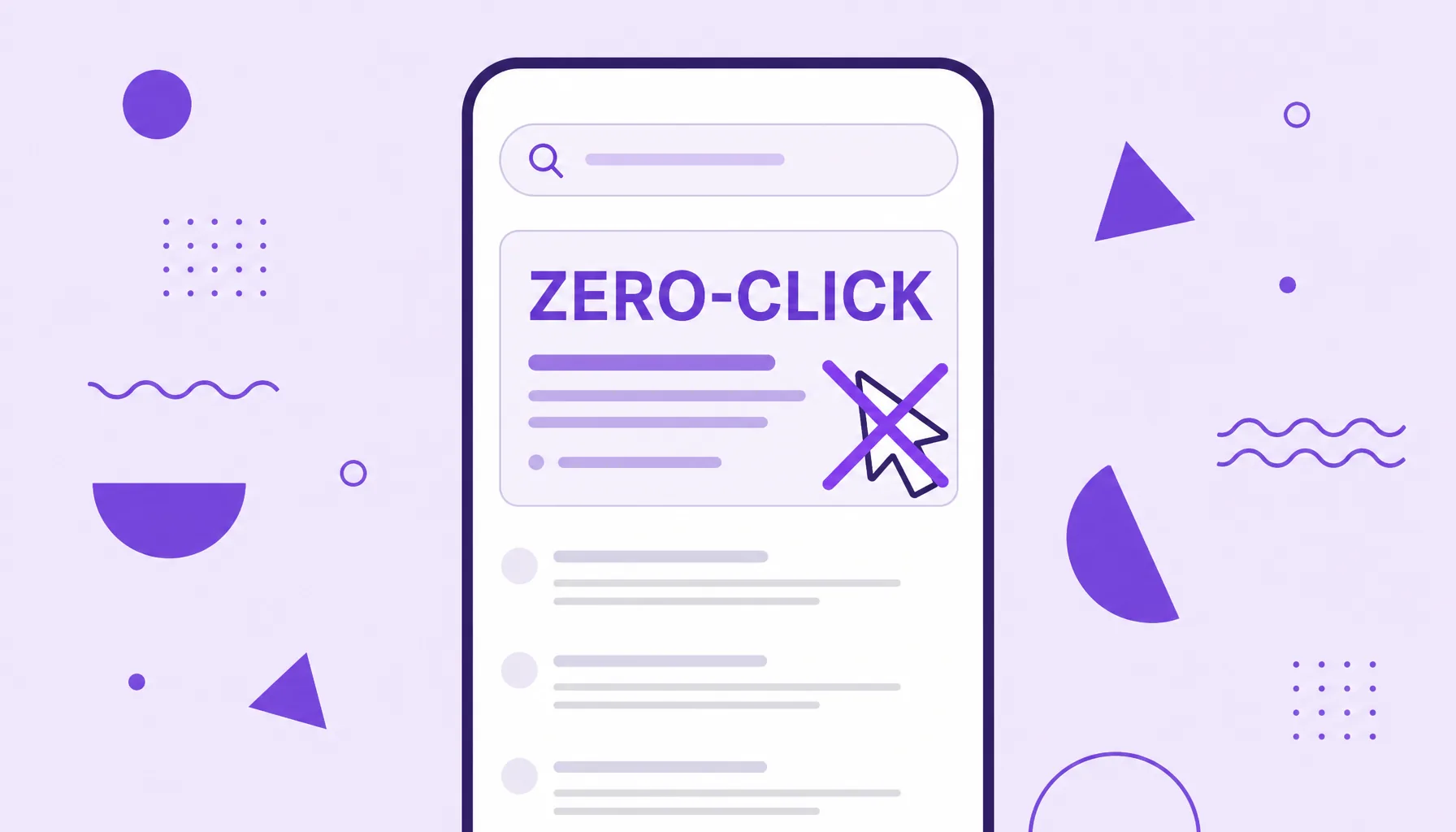
Zero-click
A zero-click search is a query that ends without the user clicking on any result, because the answer already appears on the search engine's own page or inside an AI generated summary. It became the norm for many searches as features like featured snippets, knowledge panels and AI Overviews answer the question right on the SERP. For content creators, the challenge stops being only about earning the click and starts being about appearing and getting cited inside those answers.
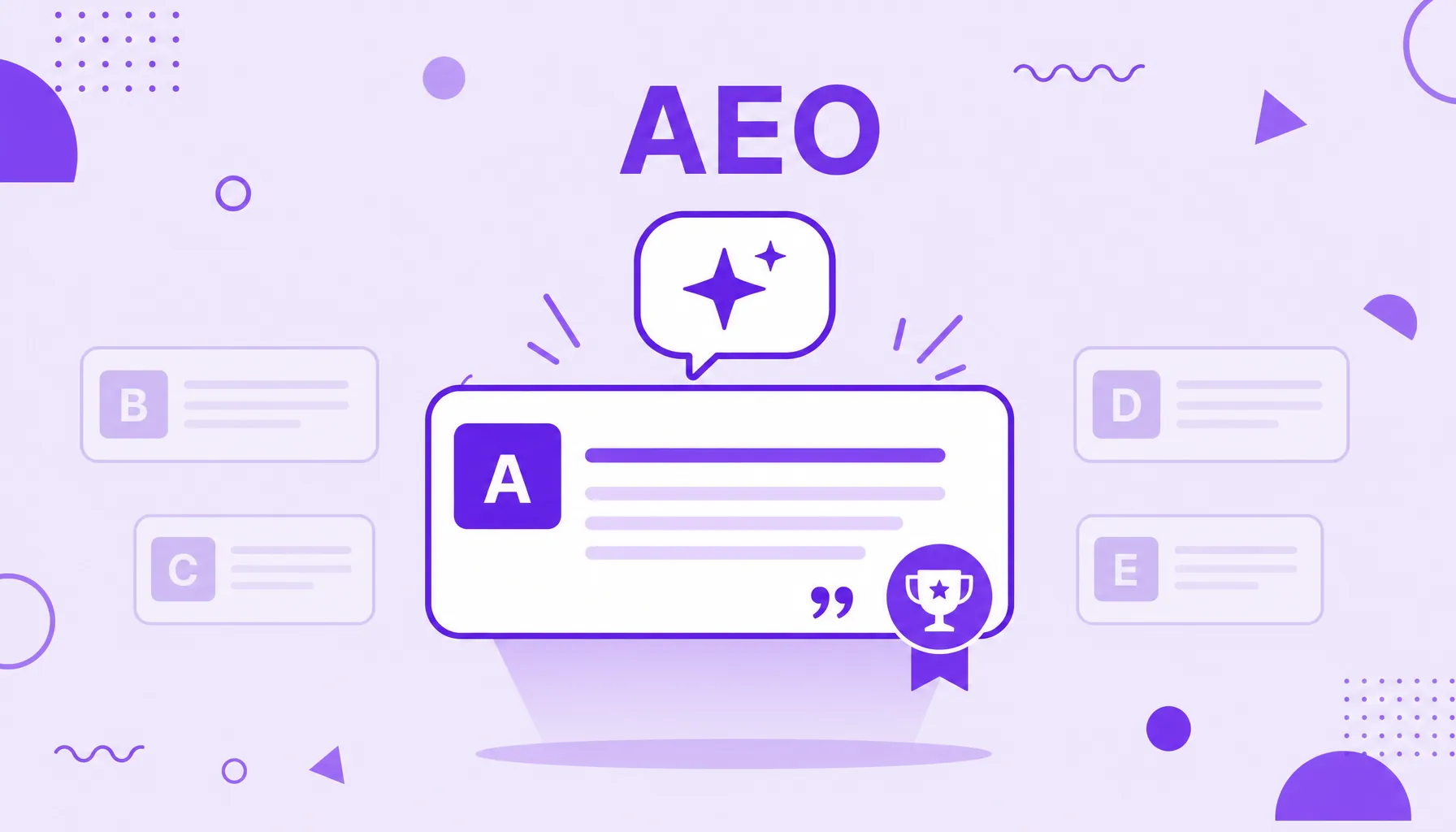
Answer engine optimization
Answer Engine Optimization (AEO) is the optimization of content so it gets selected as the direct answer an answer engine delivers to the user, instead of appearing only as a link in a list. Answer engines are systems like Google's AI Overviews, ChatGPT, Perplexity and voice assistants, which read several sources and return a single ready made answer. AEO works on structure, clarity and authority so your brand becomes the source chosen and cited in that answer.
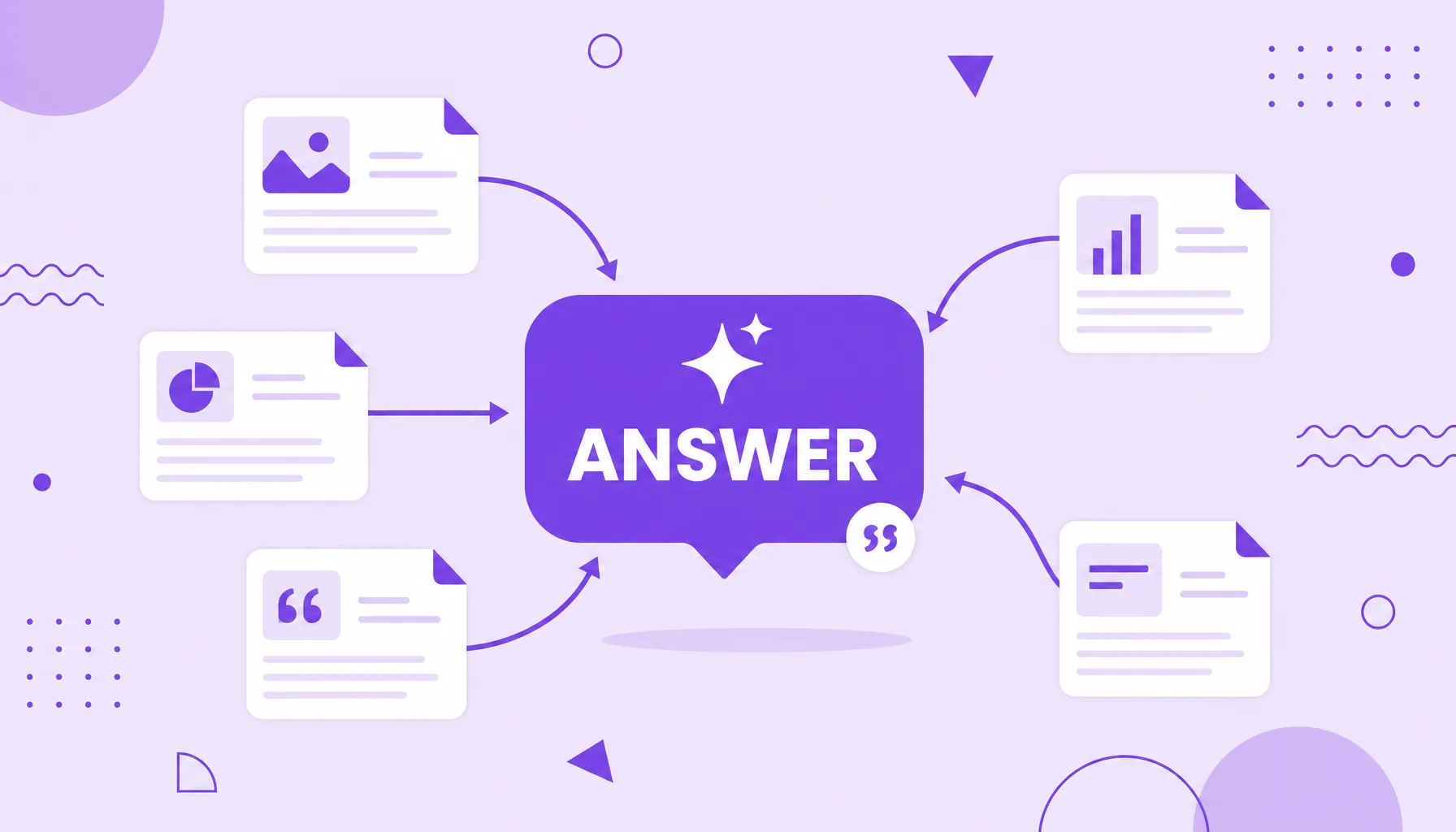
Answer engine
An answer engine is any search system that returns a direct, already synthesized answer instead of a list of blue links. Rather than making the person click through several results, it reads multiple sources, summarizes them and delivers the ready answer right there. This category includes Google's AI Overviews, AI assistants such as ChatGPT, Perplexity and Gemini, voice assistants and even traditional featured snippets. It is the shift that makes SEO evolve toward becoming a cited source, not just a clicked link.
Generative search
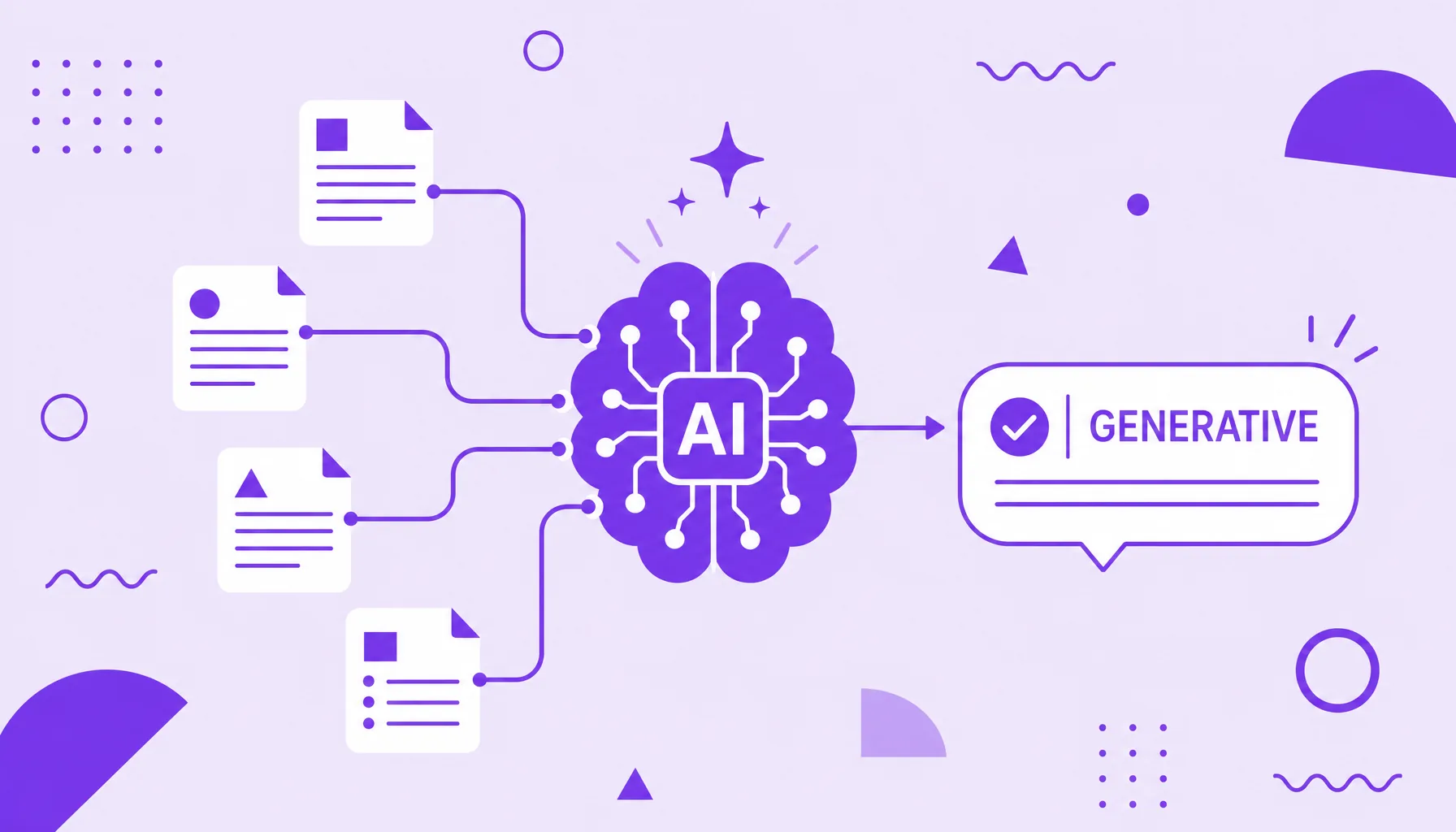
Generative search is the type of search in which artificial intelligence generates an original answer, written on the spot from several sources, instead of just listing pages for the user to click. Rather than ten blue links, it delivers a text that summarizes, compares and connects information from different sites, usually with the sources cited. It is what happens in Google's AI Overviews and AI Mode, in ChatGPT with web access and in Perplexity, and it is the shift redesigning SEO toward optimizing for AI.
LLMO
LLMO, short for Large Language Model Optimization, is the set of practices that prepares your content to be cited, used and recommended by AI models such as ChatGPT, Gemini, Claude and Perplexity. Instead of aiming only at a position in traditional search, LLMO works to make the brand appear inside the answers these models generate when someone asks for a recommendation.

Share of voice in AI
Share of voice in AI is the slice of mentions a brand earns in the answers generated by artificial intelligence assistants, such as ChatGPT, Gemini, Perplexity and Google's AI Overviews, compared with competitors. It measures, across all the times the AI answers about a topic, in how many your brand appears, working as a thermometer of competitive presence in the new search territory.
AI visibility
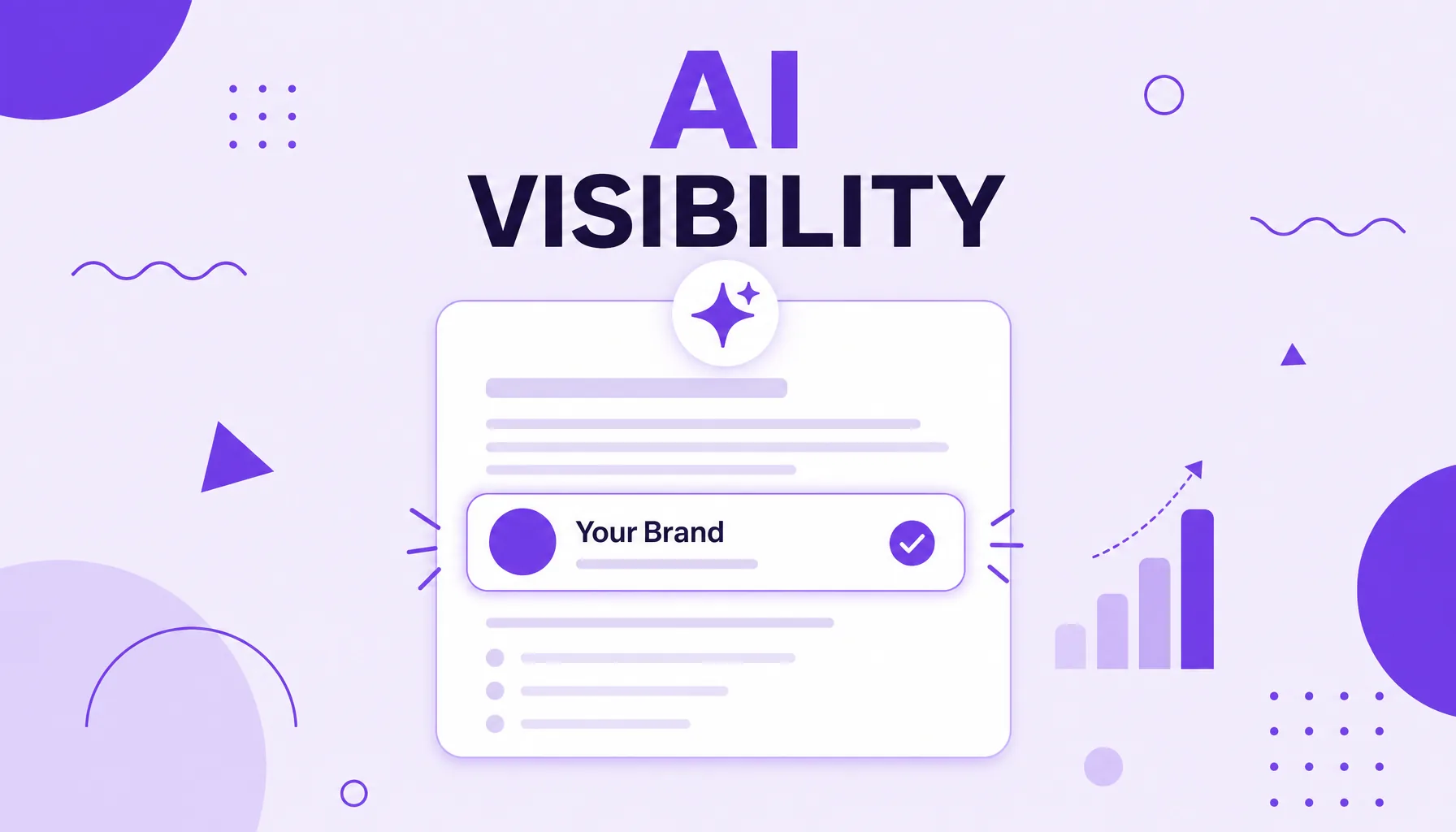
AI visibility is the degree to which a brand or a piece of content shows up in the answers generated by artificial intelligence search engines, such as ChatGPT, Google's AI Overviews, Perplexity and Gemini. While classic SEO measures positions and clicks, AI visibility measures how often the AI mentions, cites or recommends your brand when answering people, even when nobody clicks a link.
Brand mention in AI
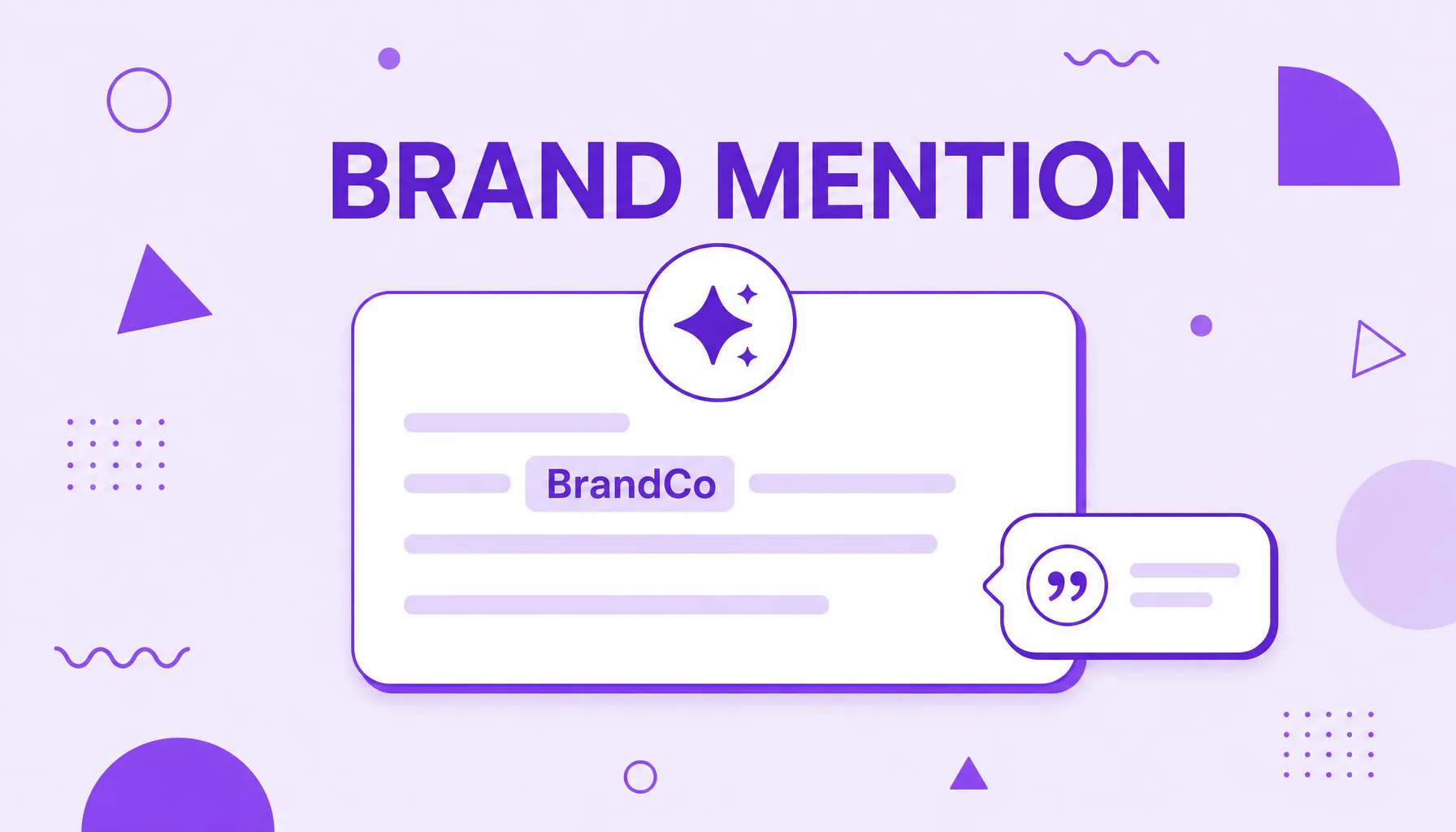
A brand mention in AI is the citation of a brand's name inside an answer generated by artificial intelligence, such as ChatGPT, Google's AI Overviews or Perplexity, with or without a link to the site. Unlike a backlink, which requires a clickable link, a brand mention counts simply because the name appears in the answer text, helping the brand be remembered, recommended and recognized as a reference on the topic.

AI citation
AI citation is the reference to a specific source that an artificial intelligence assistant, such as ChatGPT, Perplexity or Google's AI Overviews, lists as the origin of the answer it generated. In practice, it is your site appearing among the links or source notes the AI shows next to the text, crediting the content it used to answer. Being cited is one of the main goals of anyone optimizing content for AI search engines.
Llms.txt
llms.txt is a standardized text file, placed at the root of a website, that guides language models (LLMs) on which content to prioritize and how to use it. The proposal is to work like a kind of robots.txt for artificial intelligence: instead of letting the AI comb through the whole site, the file points, in a simple format, to the most important pages and a summary of what each one brings, making it easier for AI assistants and search engines to read.
ClaudeBot
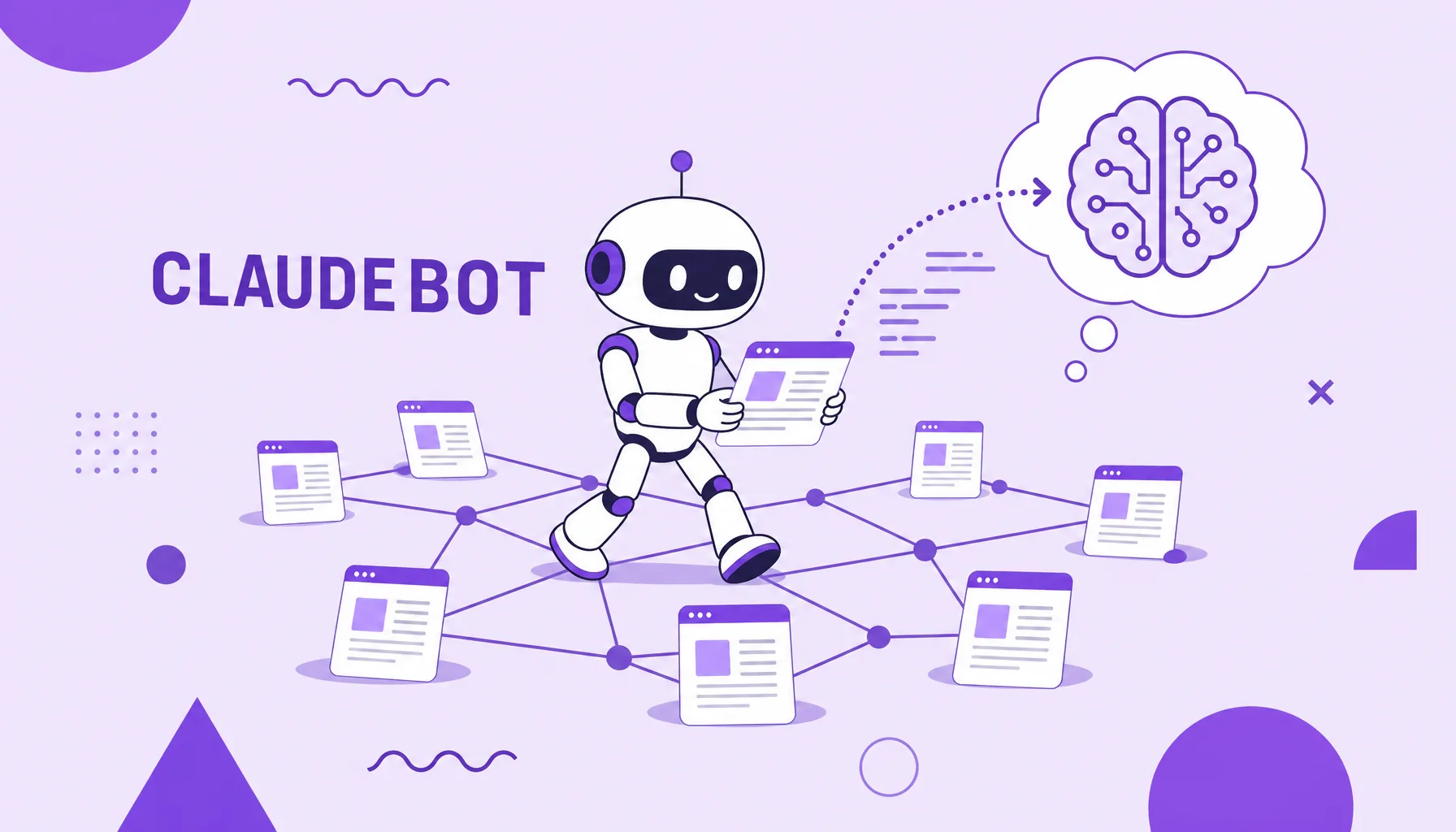
ClaudeBot is the crawler operated by Anthropic, the company behind the Claude AI assistant. It travels the public web to collect content that helps train and inform the Claude models. Just as Googlebot does for search, ClaudeBot identifies itself with its own user-agent, respects the robots.txt file and can be allowed or blocked by any site. Deciding what to do with it has become part of the strategy for anyone who does, or does not, want to appear in AI answers.
PerplexityBot
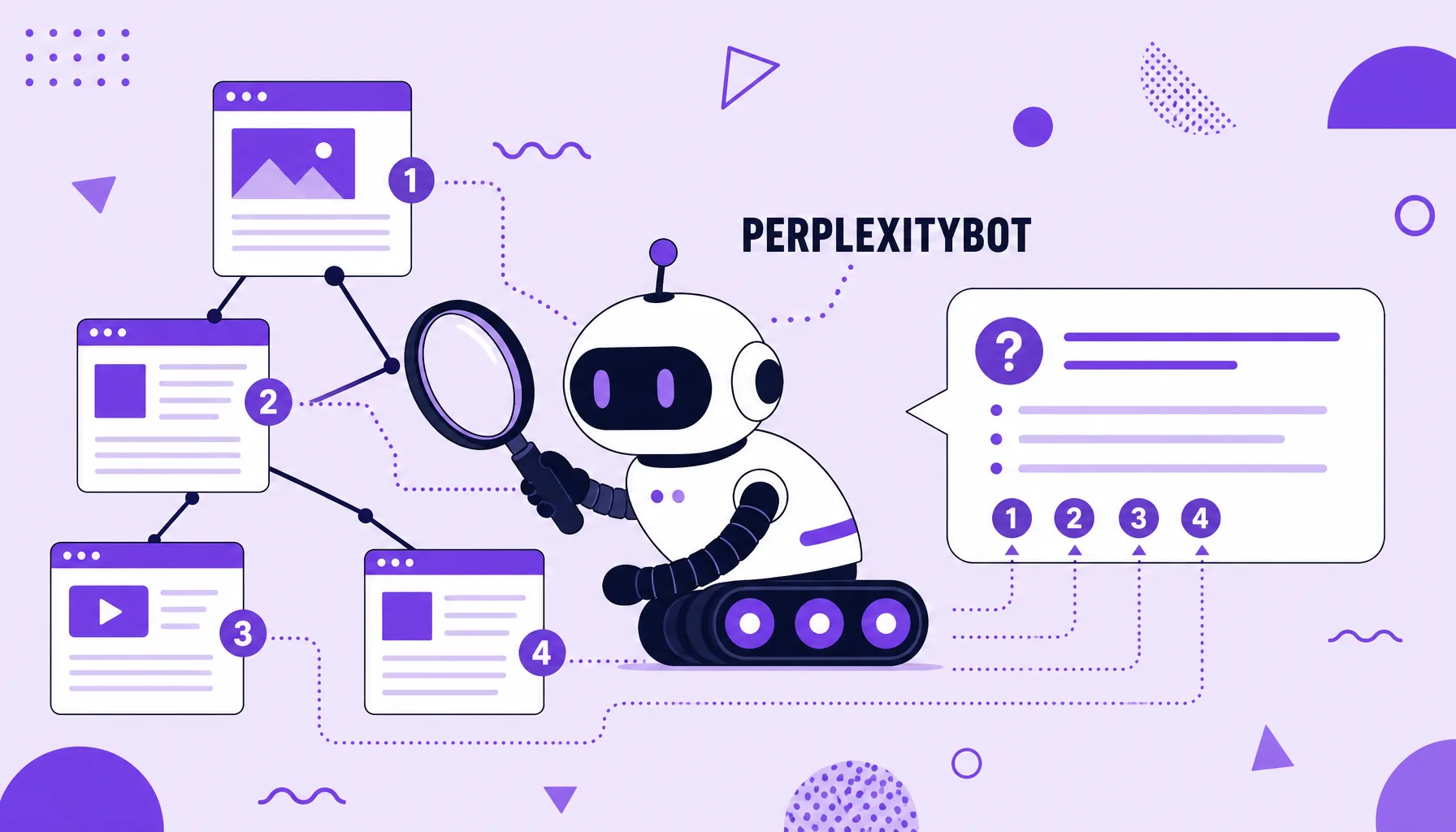
PerplexityBot is the crawler operated by Perplexity, the answer engine that blends search and AI to answer questions while citing sources. It visits public pages to build the index Perplexity queries when composing its answers. Unlike a pure training bot, PerplexityBot focuses on indexing current content and pointing back to the origins. It identifies itself with its own user-agent and, in theory, respects robots.txt, though Perplexity's crawling has already sparked controversy.
OAI-SearchBot
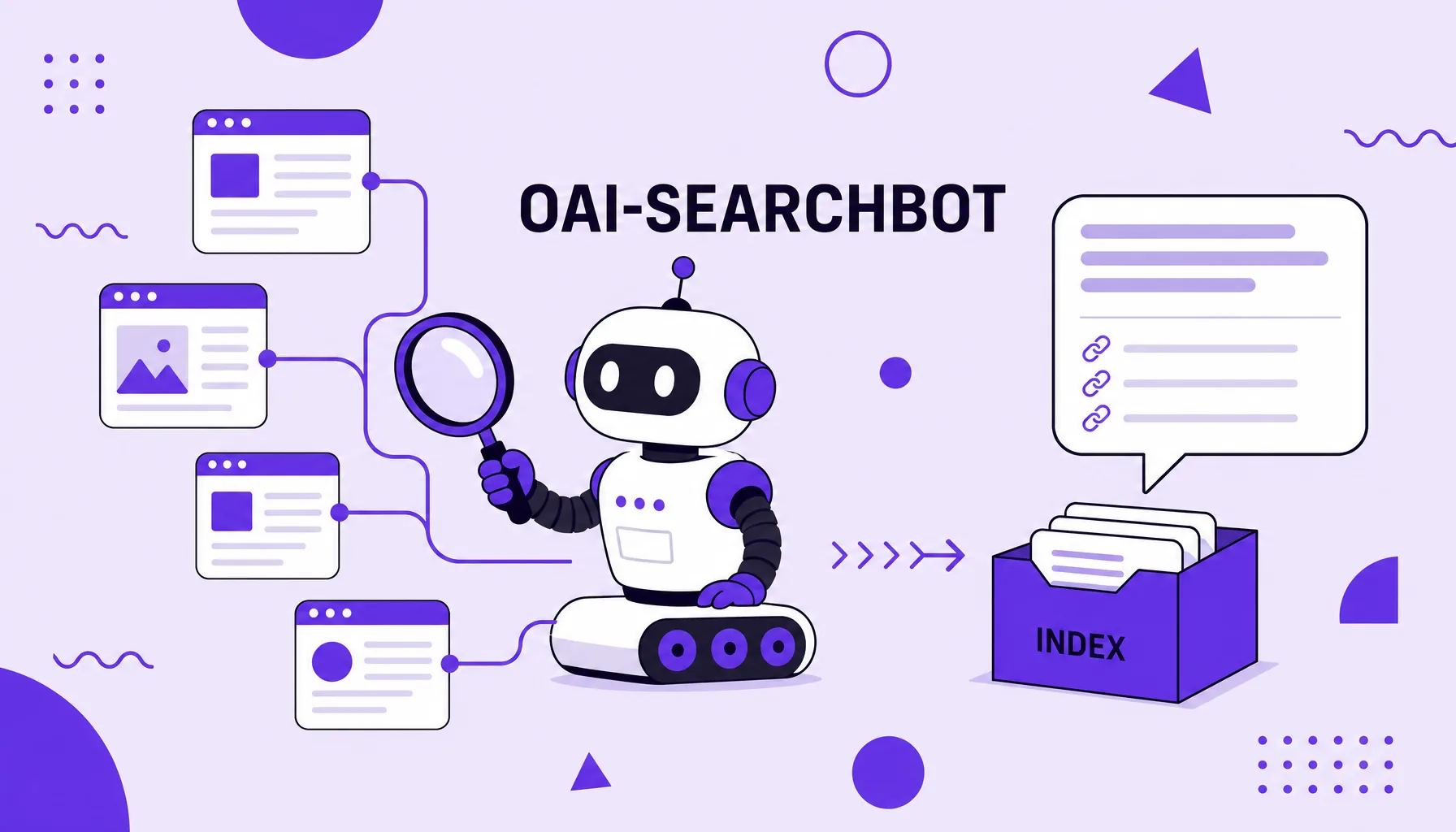
OAI-SearchBot is the crawler OpenAI uses to feed ChatGPT search, that is, to discover and index pages that can become a cited source in real time search answers. It is different from GPTBot, which collects content to train the models, and from ChatGPT-User, which acts when the user requests an action. Understanding this split is what lets you appear in ChatGPT search without necessarily allowing your content to be used for training.