
Fundamentals and algorithms
The base SEO concepts and how search engines and their algorithms work.
SERP
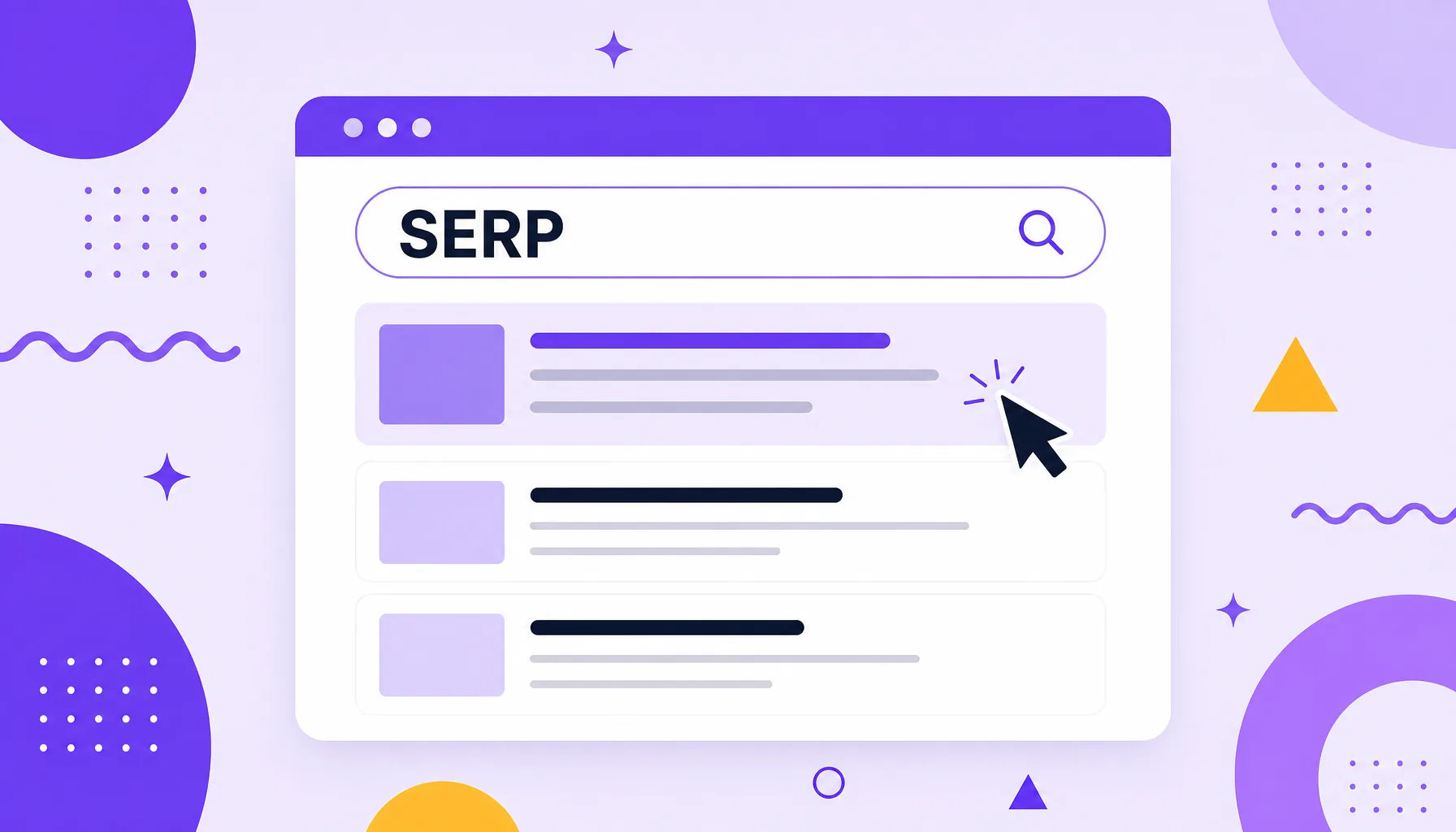
SERP is short for Search Engine Results Page, the results page that Google and other search engines display after a query. It brings together organic results, ads and features such as featured snippets, People Also Ask and, increasingly, AI generated answers (AI Overviews) about the searched term.
Search intent
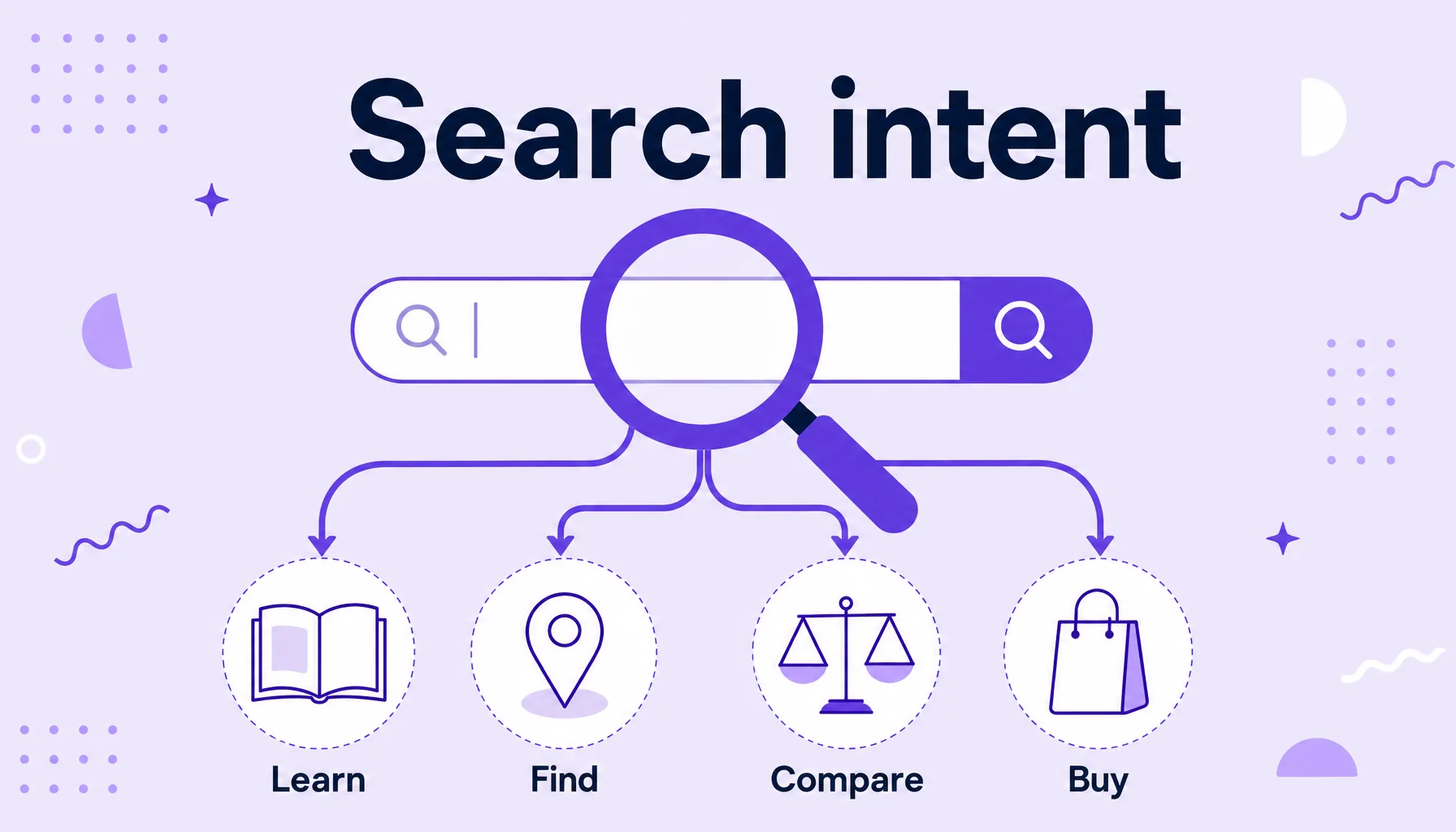
Search intent is the real goal behind a Google query: what the person wants to solve, learn or buy when typing that search. It splits into four main types (informational, navigational, commercial and transactional) and defines which content format has a chance to rank for each keyword.
Featured snippet
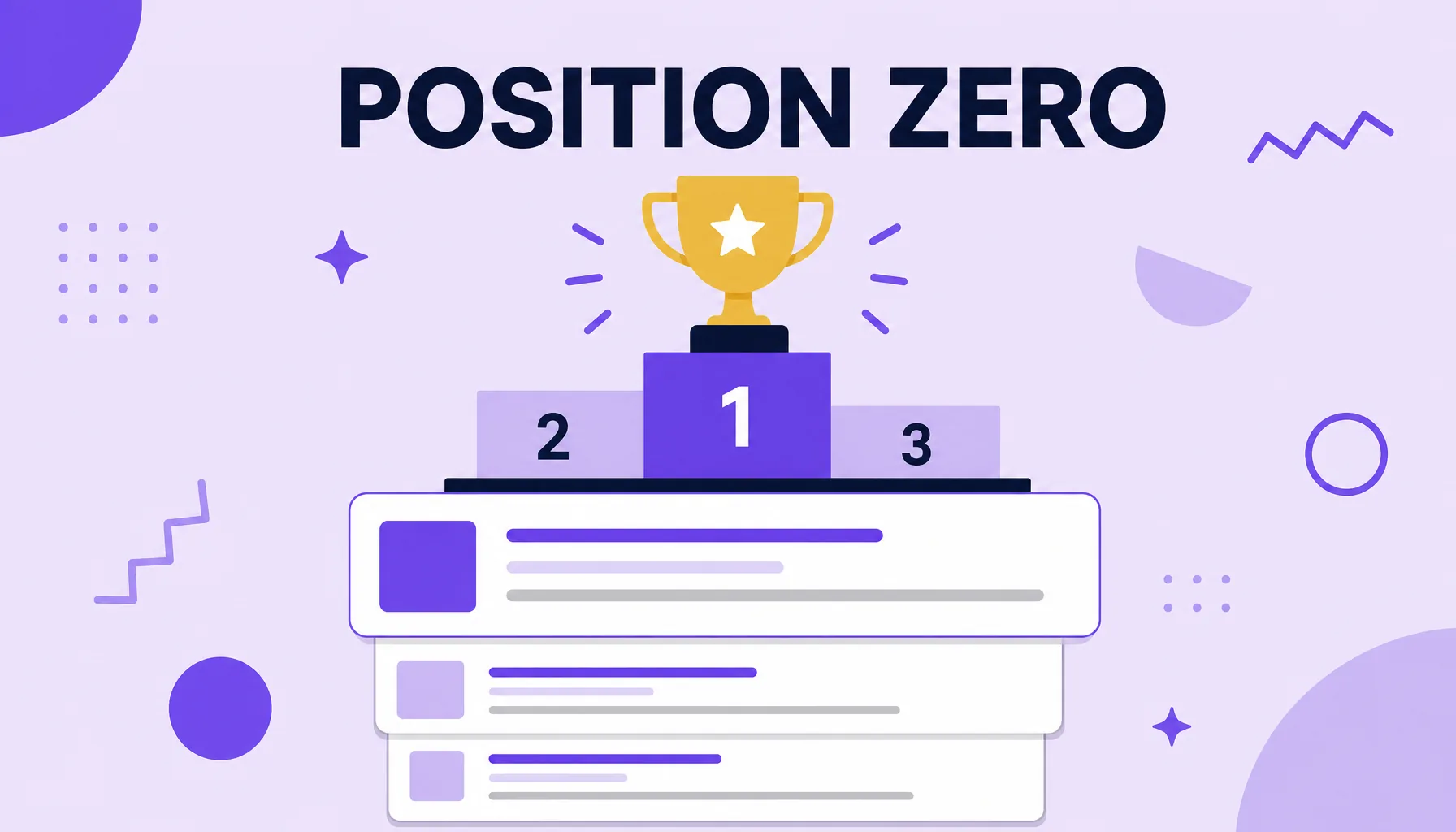
A featured snippet is the answer box Google displays at the top of the results page, above the first organic link, which is why it is nicknamed position zero. It pulls a passage from a page that already ranks well and highlights the answer as a paragraph, list, or table, solving the search right there, often without a click.
Meta description
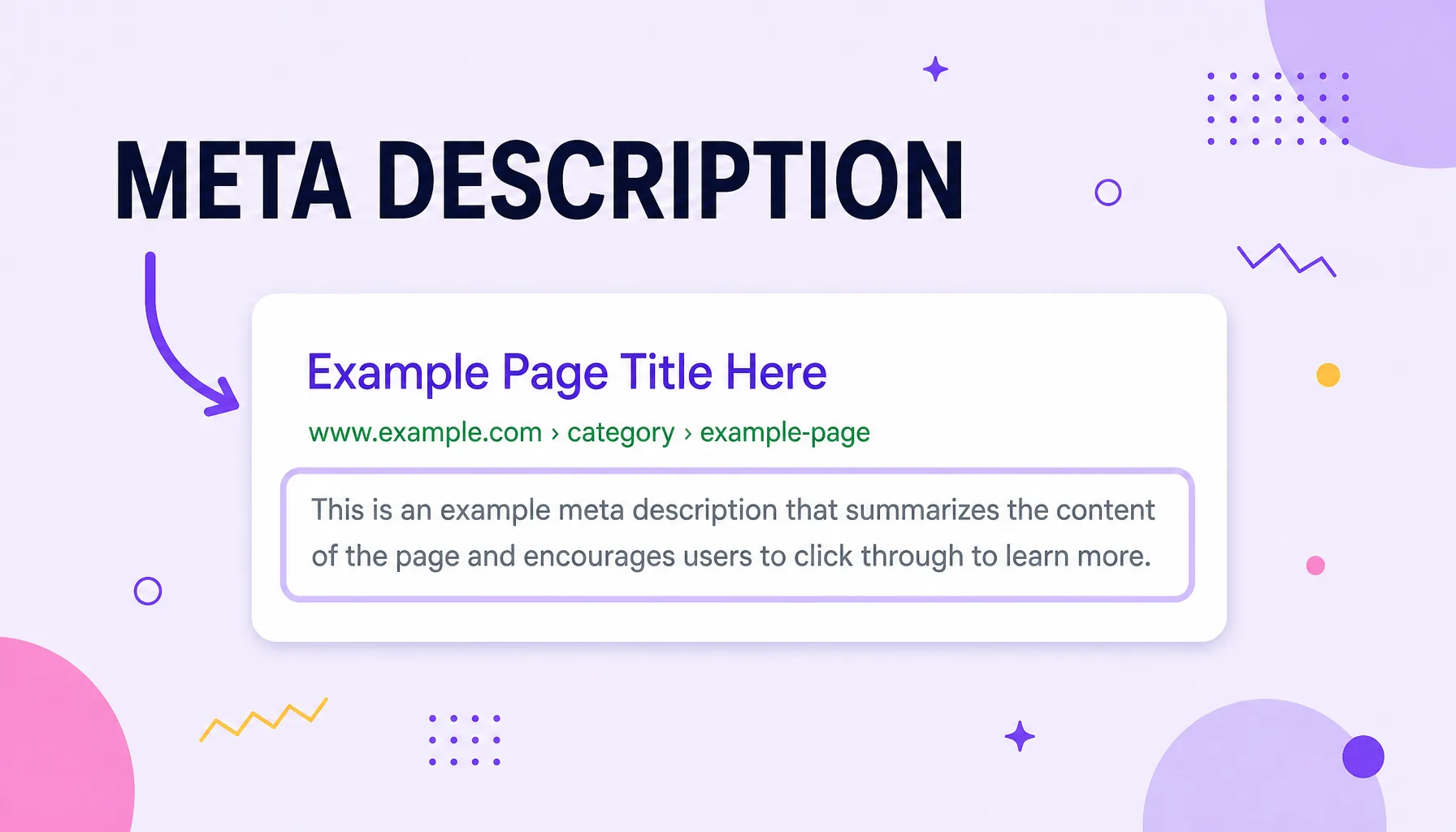
A meta description is the page summary shown on the SERP.
Title tag
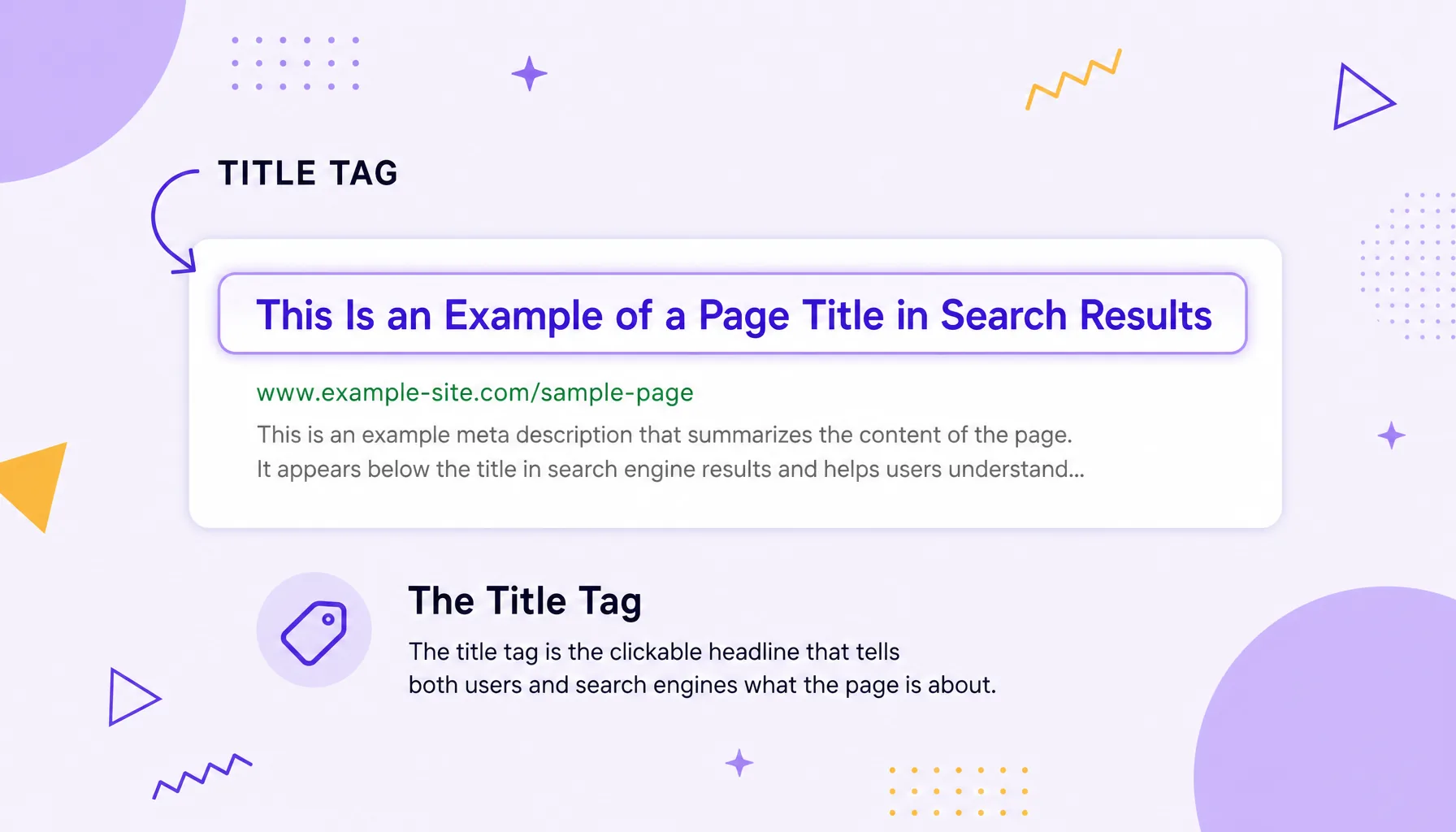
The title tag is the HTML element that sets a page's title and appears as the clickable blue link in Google's search results. It sits inside the tag, tells search engines what the page is about, and directly influences CTR. It's one of the most visible and important on-page SEO signals.
SEO
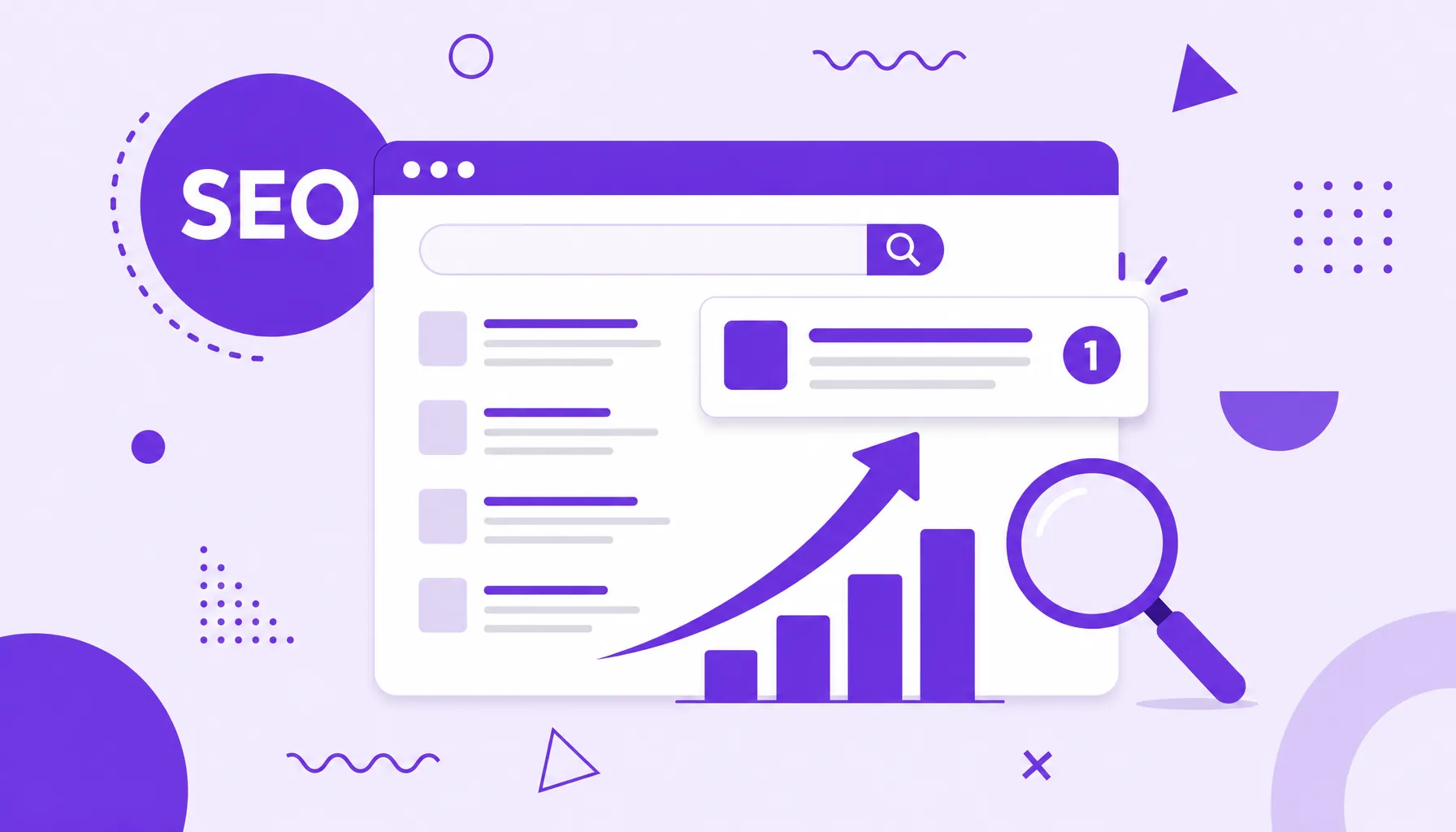
SEO (Search Engine Optimization) is the set of practices that improve a site's position in the organic results of search engines like Google. The idea is to make pages get found, understood and chosen by the search engine when someone searches for a related topic. Unlike paid media, the traffic earned with SEO has no cost per click and tends to compound over time.
GEO
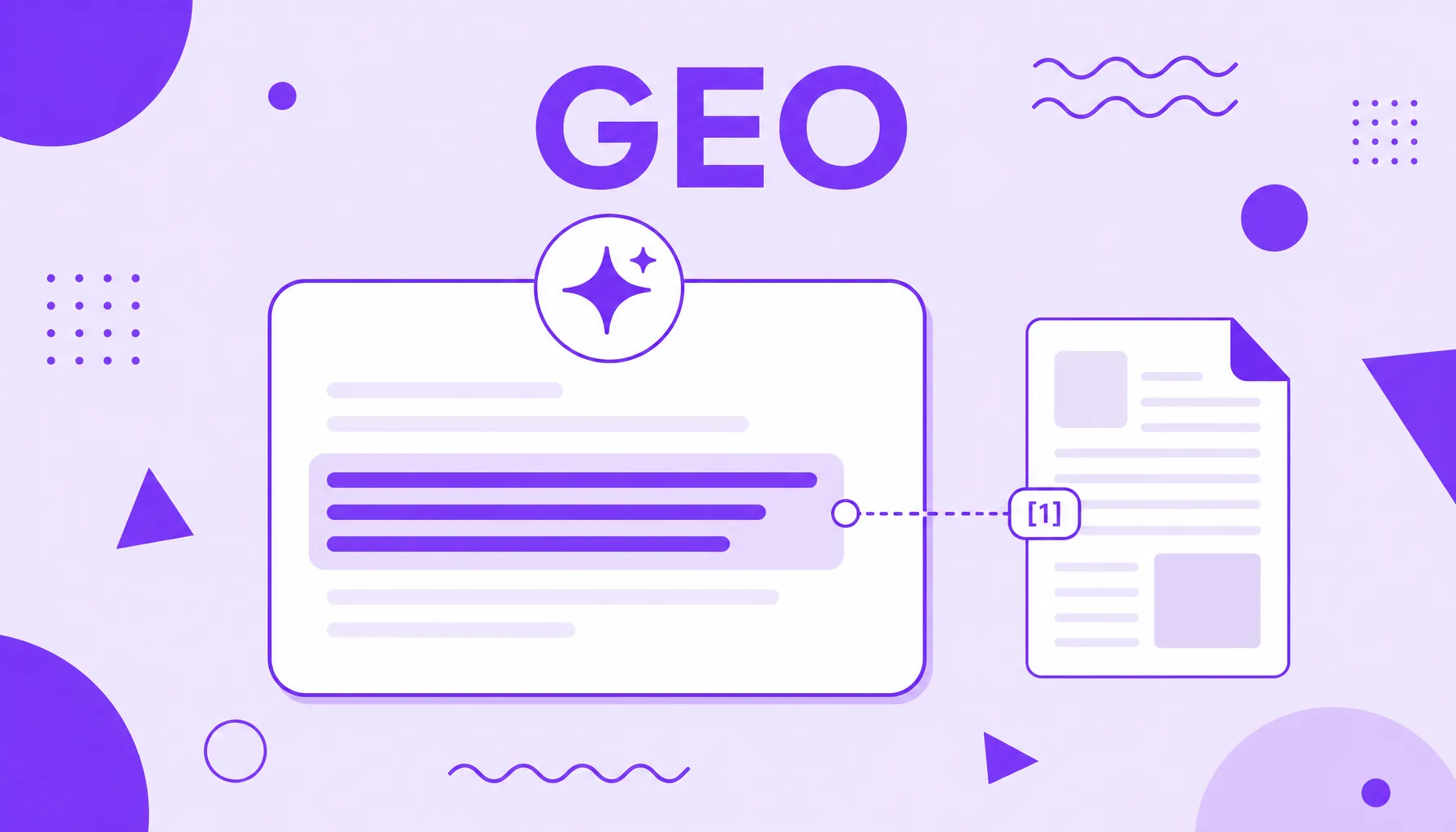
GEO, short for Generative Engine Optimization, is the set of practices that make your content get cited and used by artificial intelligence search engines, such as ChatGPT, Google's AI Overviews, Perplexity and Gemini. Instead of competing only for a position in the list of links, the goal of GEO is to become one of the sources the model chooses to build the generated answer.
Keyword
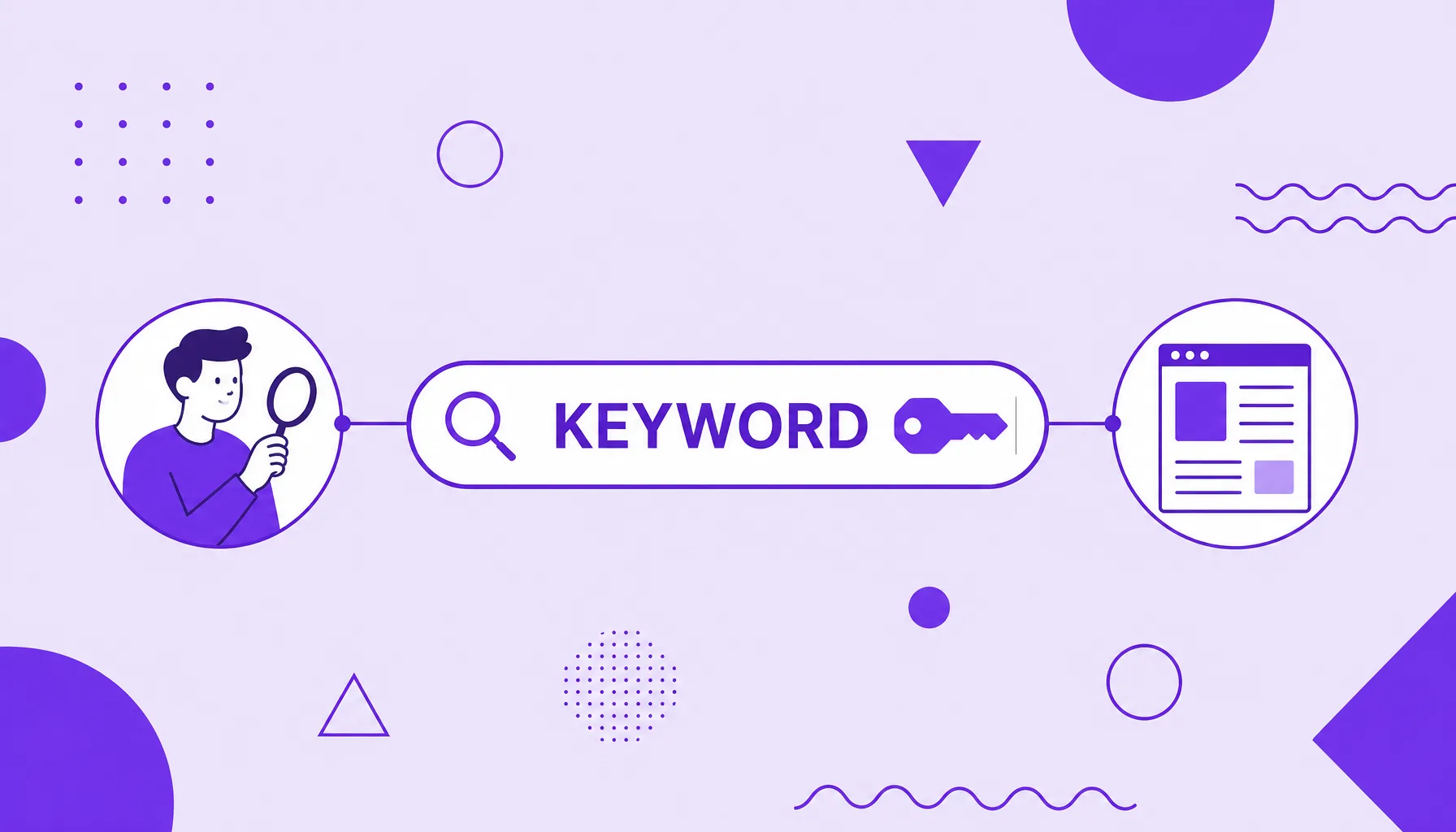
A keyword is the term or phrase a person types into a search engine and that a website chooses to target in order to appear in the results. In SEO, it is the bridge between what the audience is looking for and the content you publish: understanding which keywords your audience uses, with what intent and at what search volume is the starting point of any content strategy.
Black hat
Black hat SEO is the set of optimization techniques that break search engine guidelines to try to rank through manipulation rather than merit. These are forbidden practices such as keyword stuffing, hidden text, buying links and cloaking, all meant to fool Google's algorithm. They can bring quick gains, but they expose the site to penalties that can wipe out its traffic overnight.

Cloaking
Cloaking is a black hat SEO technique that consists of showing the search engine different content from what is displayed to the user, in order to manipulate the ranking. In practice, the server detects whether the visitor is Google's robot or a person and serves different versions of the same URL. Because it deceives both the search engine and the visitor, cloaking is forbidden by Google's guidelines and can lead to the page being removed from the results.
Indexing
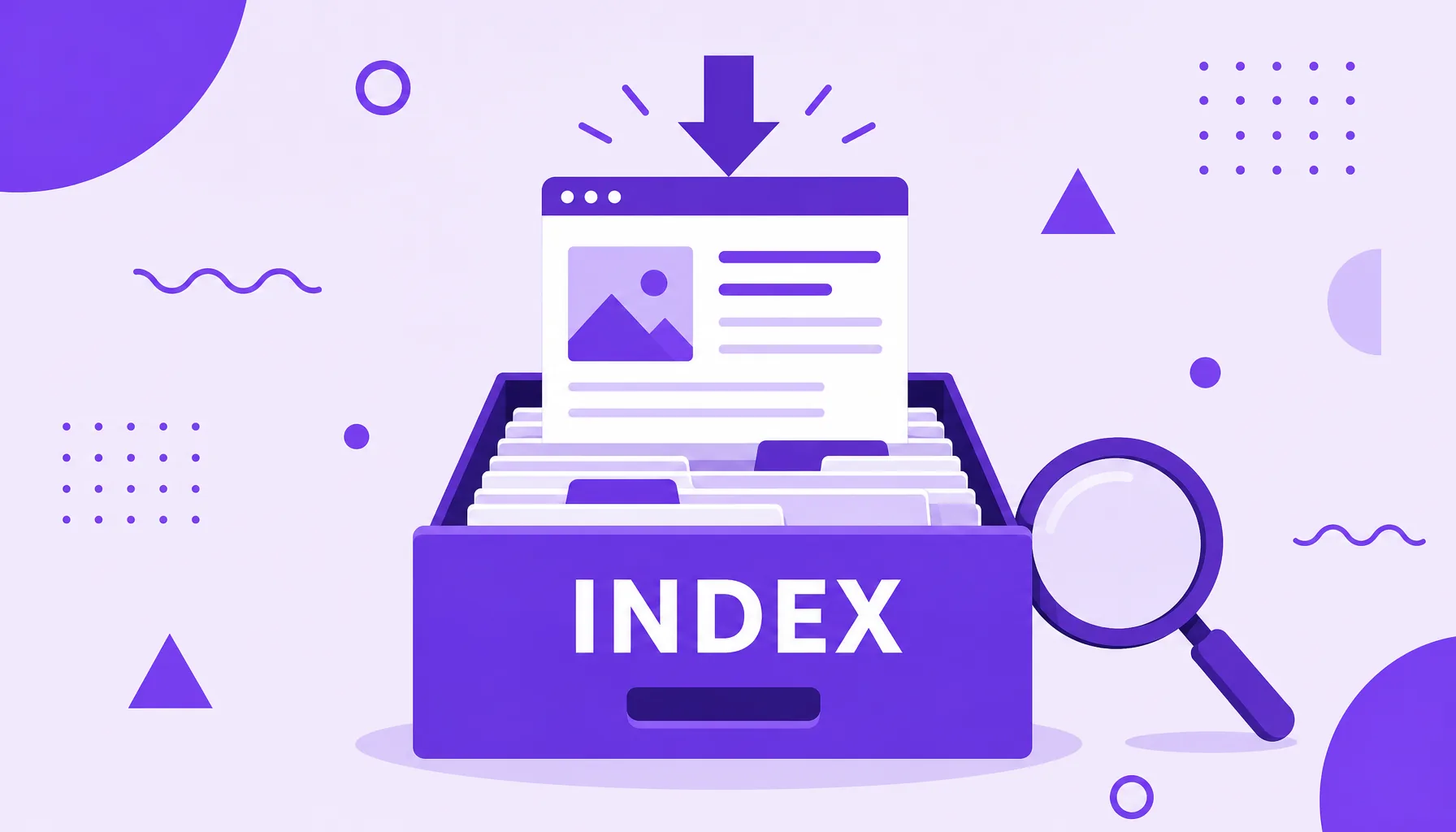
Indexing is the process by which a search engine adds a page to its index, the huge database it consults to answer queries. After crawling and analyzing the content, Google decides whether to store the page in the index, and only what is indexed can appear in the results. In SEO, ensuring indexing is the mandatory step before any attempt to rank: a page outside the index is, in practice, invisible to searchers.
Backlink
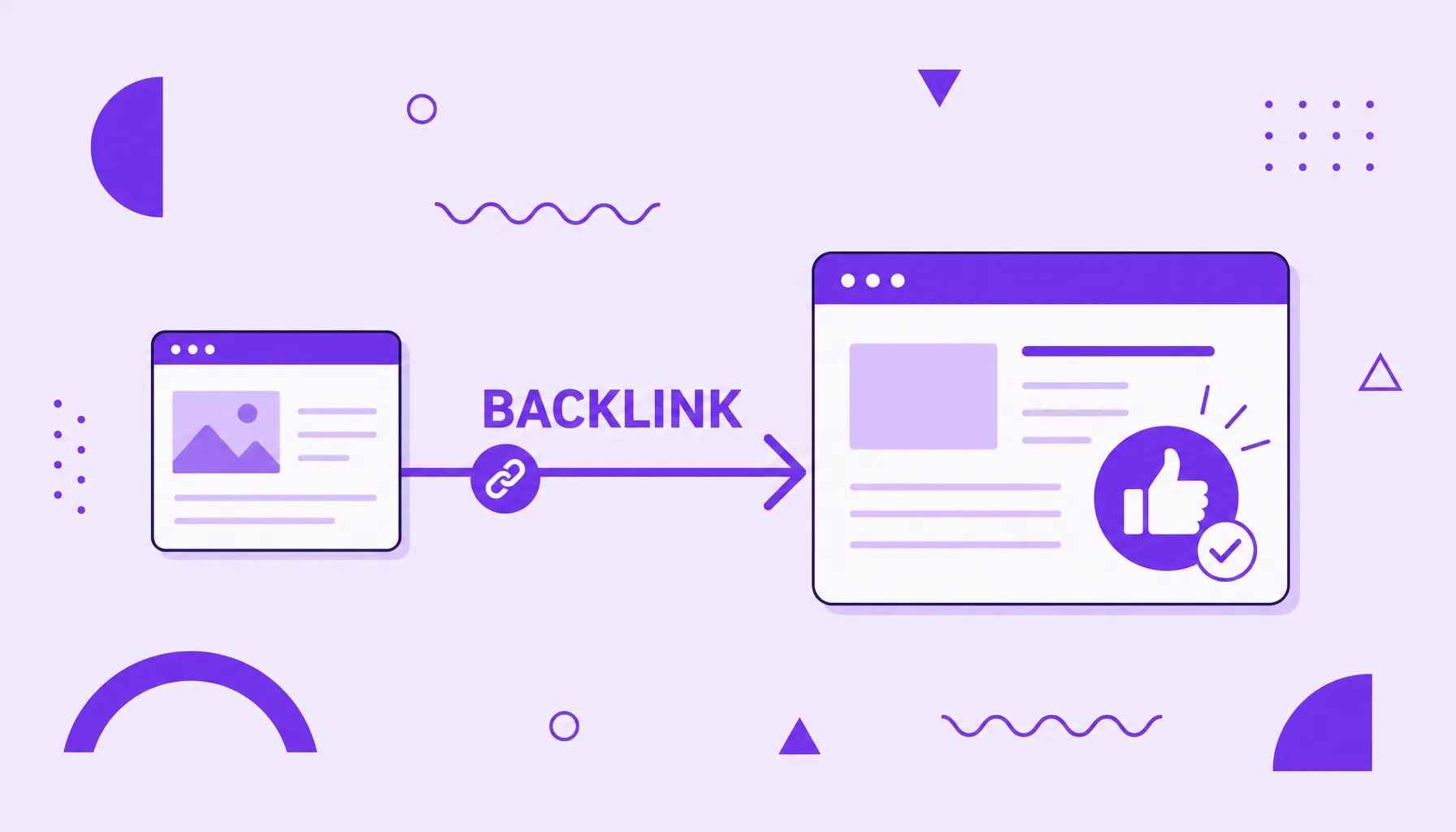
A backlink is a link on another website that points to a page of yours. To Google, each backlink works as a vote of confidence: the more relevant and trustworthy pages point to your content, the higher its authority tends to be in the eyes of the search engine. That is why backlinks are among the top ranking factors and the heart of off-page SEO.
AEO
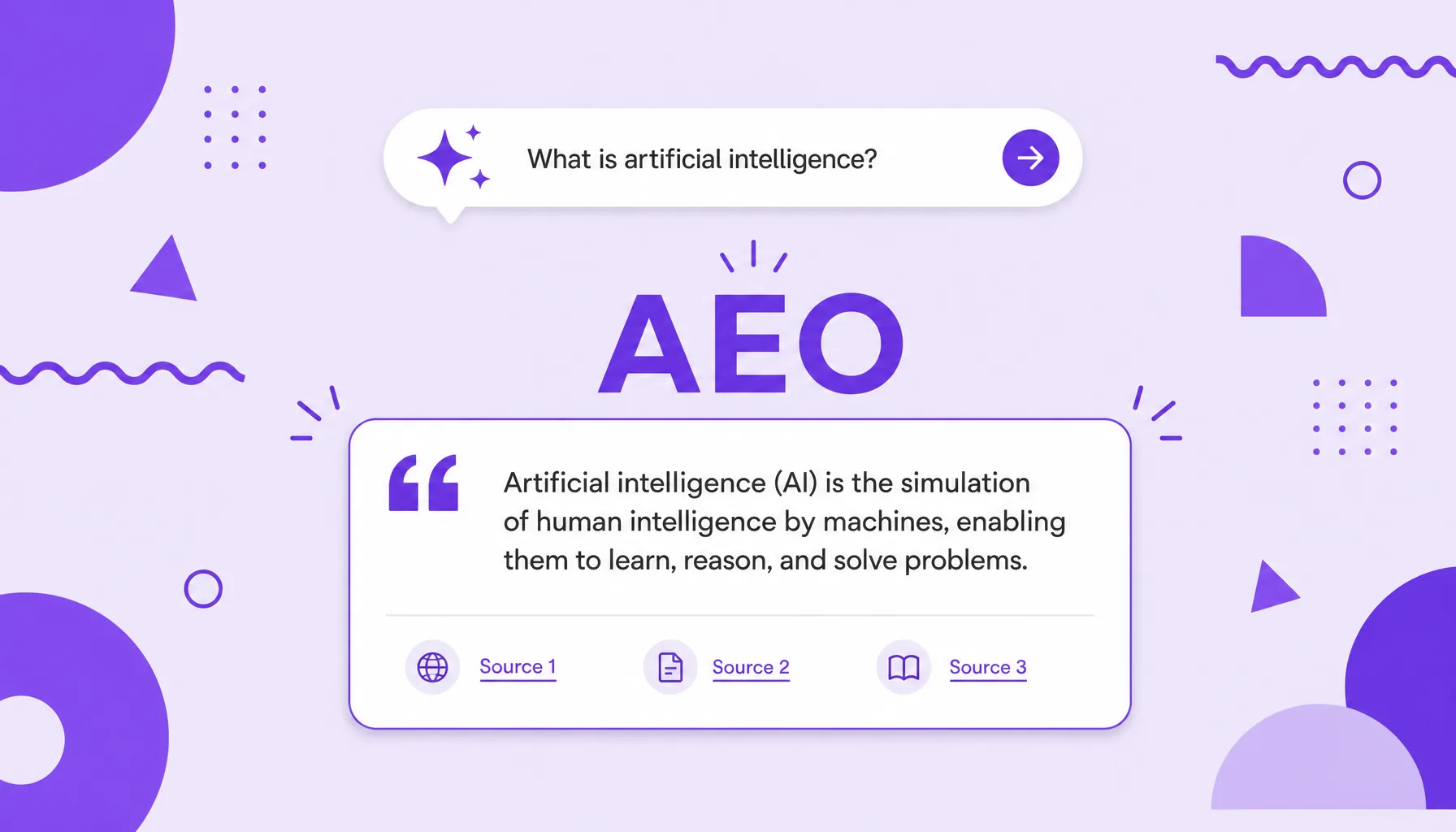
AEO (Answer Engine Optimization) is the optimization of content to appear as the direct answer in answer engines, the ones that deliver a ready made answer instead of a list of links. This includes Google's AI Overviews, assistants like ChatGPT, Perplexity and Gemini and voice search. Instead of aiming only for the first position, AEO tries to turn your content into the very answer that the machine reads, summarizes and cites.
Nofollow
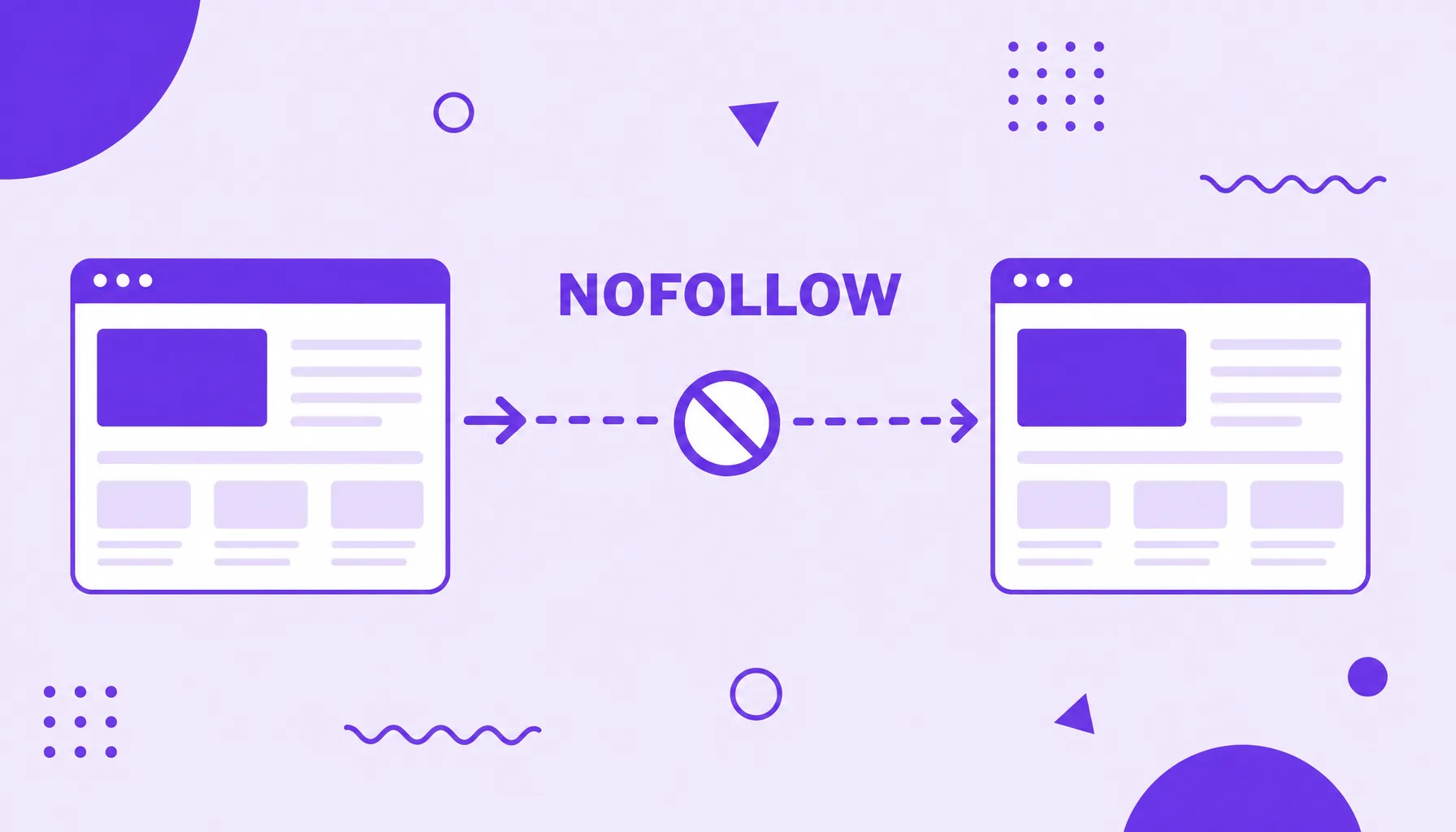
Nofollow is a link attribute, written as rel="nofollow" in the HTML code, that signals to the search engine not to transfer authority to the destination page. The link stays clickable and takes the user there normally, but it does not count as an SEO vote. It is used for paid links, user generated content and sources you do not want to endorse, helping keep a natural backlink profile within Google's guidelines.
Robots.txt
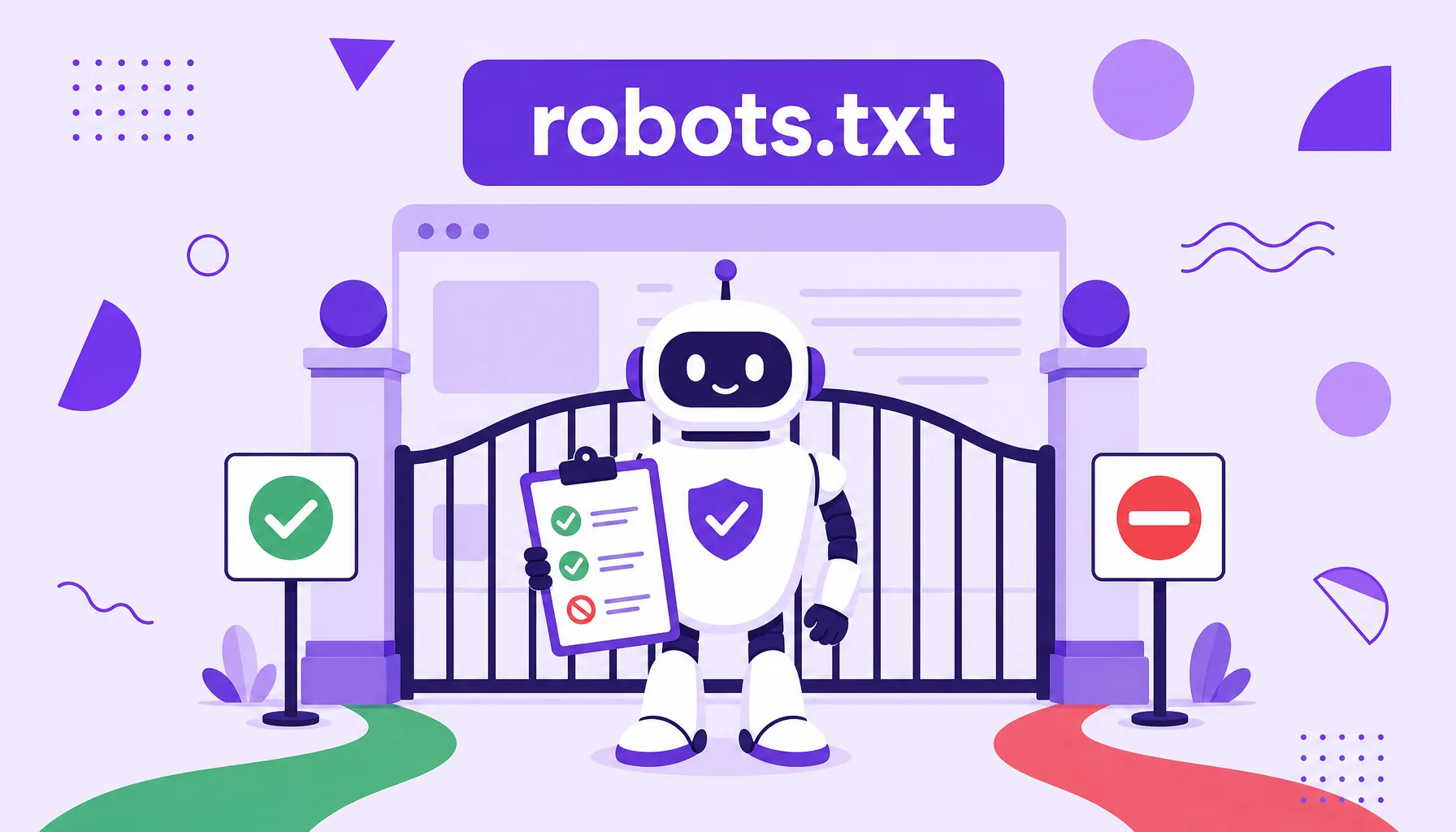
Robots.txt is a plain text file, saved in the root of a domain, that tells search engine crawlers which parts of a site they can or cannot crawl. It follows the Robots Exclusion Protocol and controls crawling, not indexing, so it is not the right tool to hide a page from search results.
Organic traffic
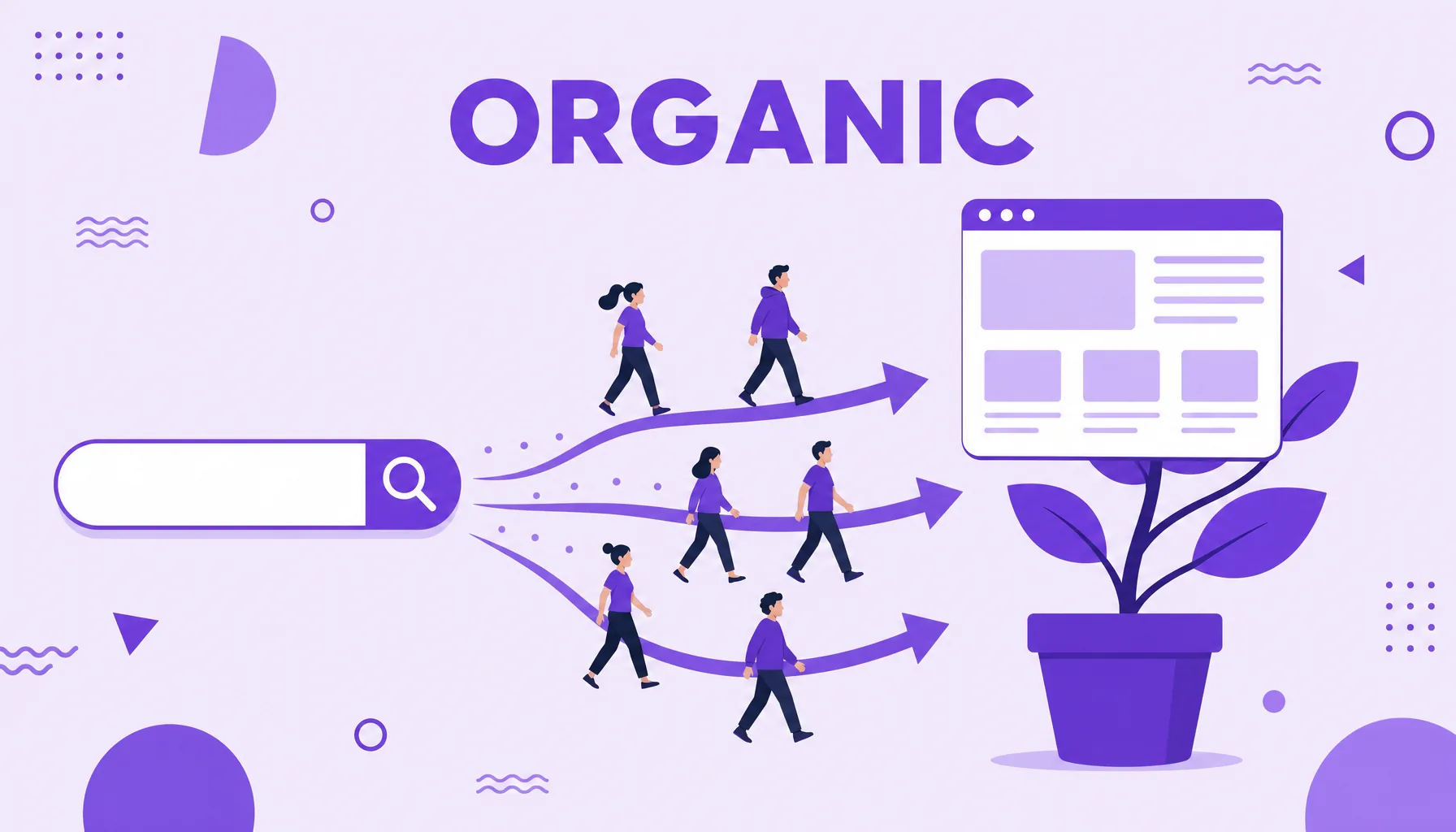
Organic traffic is the set of visits that reach your website through the unpaid results of search engines like Google. Unlike paid traffic, it has no cost per click: it is earned with SEO and good content, which makes it a more predictable and sustainable source of visitors over time.
Core web vitals
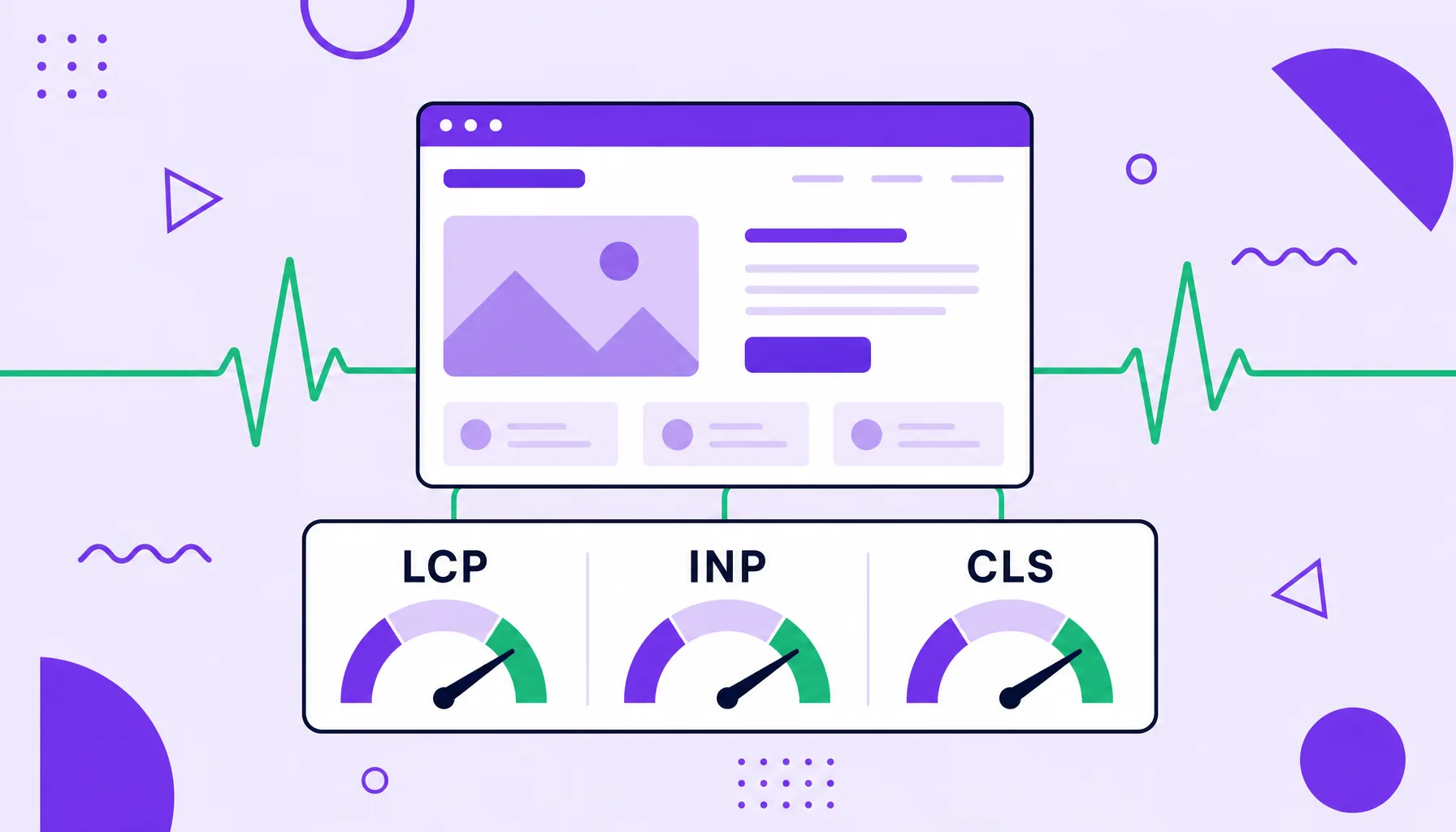
Core Web Vitals are a set of three Google metrics that measure the real experience of someone using a page: loading speed (LCP), responsiveness to interactions (INP) and the visual stability of the layout (CLS). They are part of the page experience signals and help Google assess whether a site offers pleasant navigation.
AI Overviews
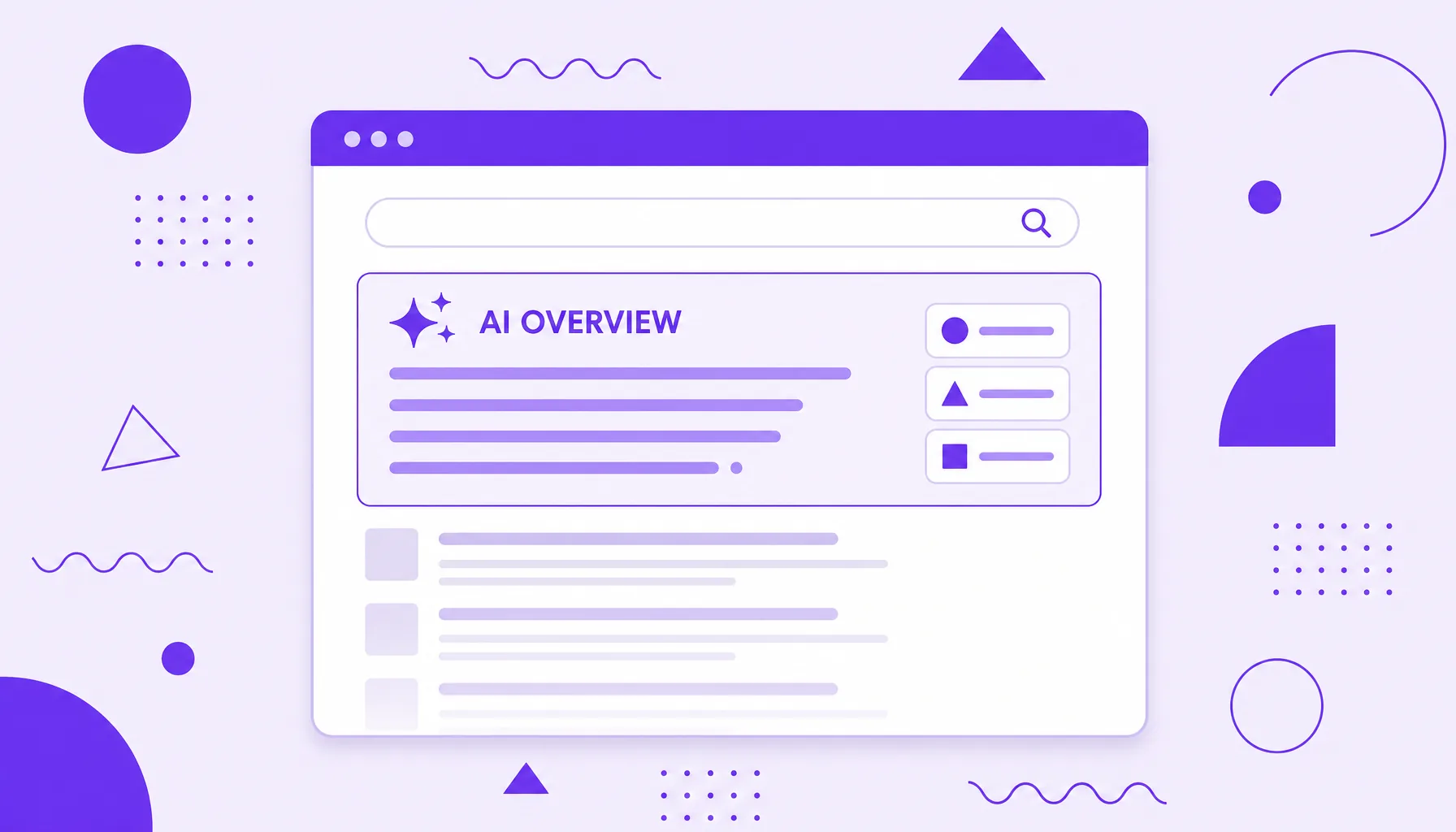
AI Overviews are answers generated by artificial intelligence that Google shows at the top of the results page, above the organic links. Instead of only listing pages, the engine reads several sources, synthesizes a short answer and shows the links it used, which pushes the traditional results down and fuels zero click search.
Search engine
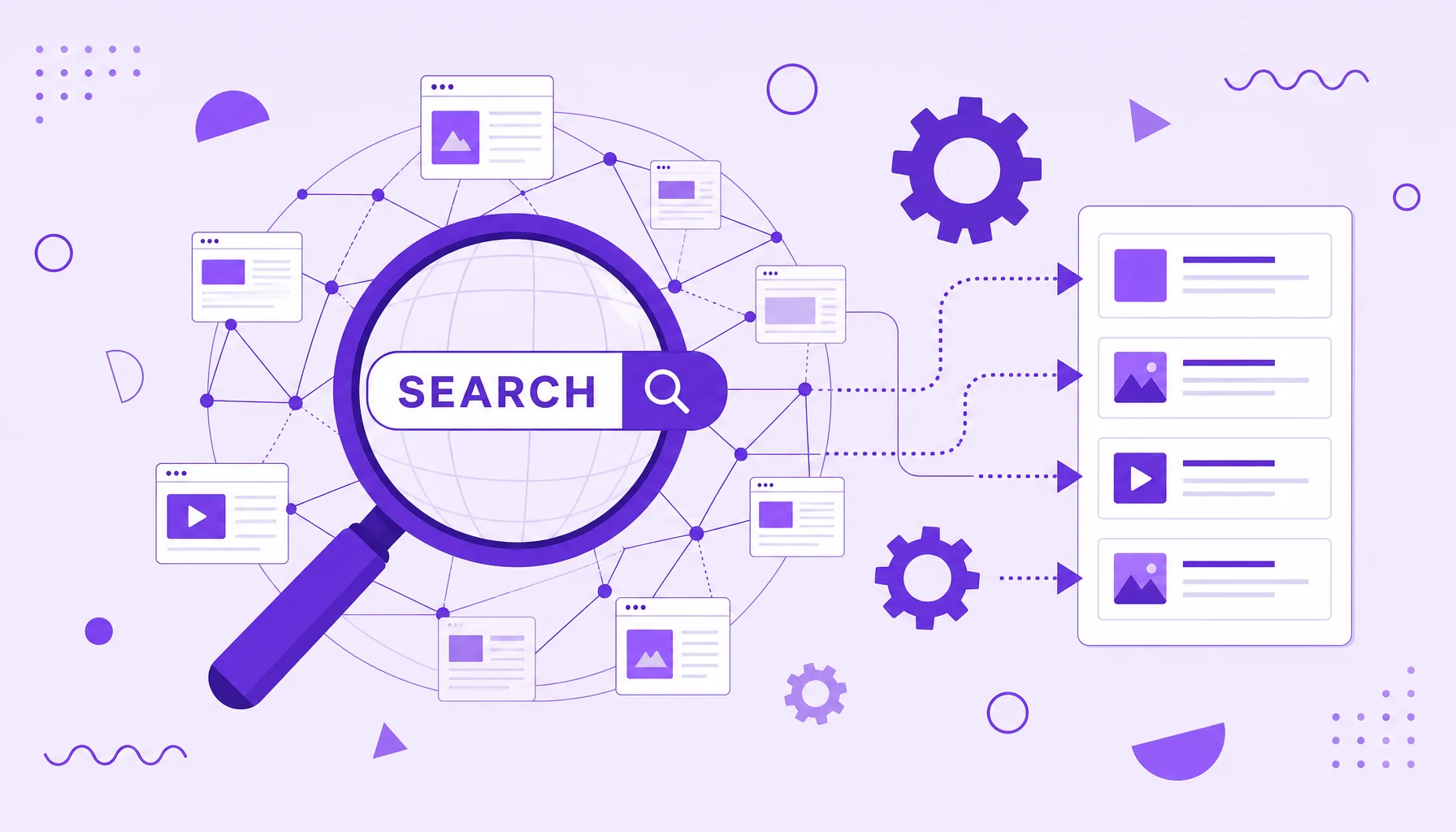
A search engine is an automated system, like Google, that crawls, indexes and ranks the pages of the internet to answer users' queries. It discovers web content with bots, stores everything in an index and, for each search, uses an algorithm to display an ordered list with the most relevant results for that query.

White hat
White Hat SEO is the set of optimization practices that follow the official guidelines of search engines and put the user first. Instead of trying to trick the algorithm, white hat relies on useful content, solid technical structure and links earned honestly, aiming for sustainable results with no risk of penalty. The name is the opposite of black hat, which manipulates the ranking with forbidden techniques.
Long tail
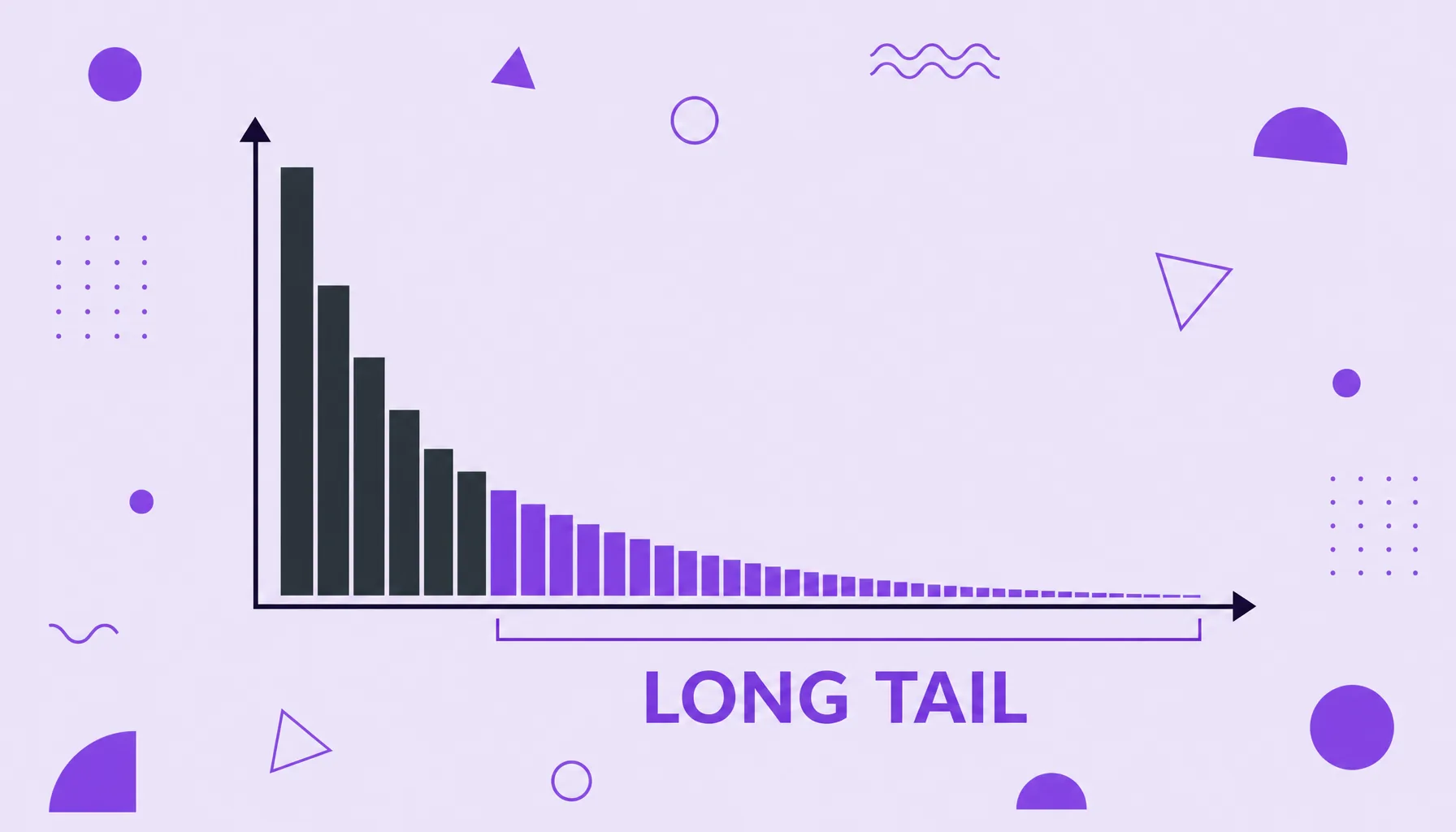
In SEO, long tail is the set of longer and more specific keywords, made up of three or more words, that have lower search volume but much clearer intent. Instead of fighting for generic, competitive terms, the long-tail strategy targets detailed queries like buy running shoes for overpronation, which attract fewer people but people who are much closer to deciding and converting.
PageRank
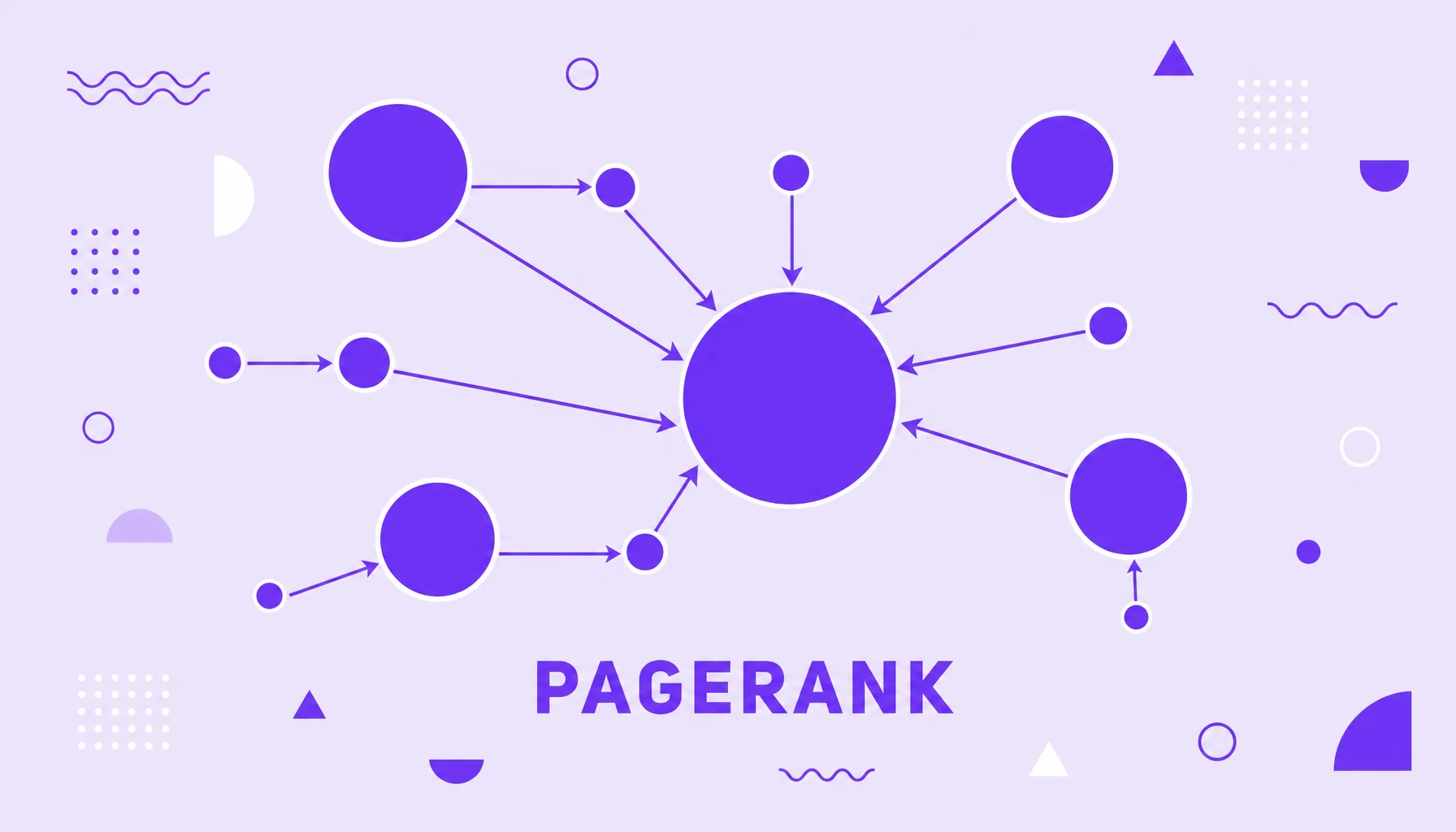
PageRank is Google's original algorithm that ranks a page's importance by the quantity and quality of the links pointing to it. Each link works as a vote of confidence, and votes from already important pages count more. Created by Larry Page and Sergey Brin at Stanford, it gave rise to the search engine and, although Google retired the public score in 2016, a version of PageRank is still used internally as one of the ranking signals.

E-E-A-T
E-E-A-T stands for Experience, Expertise, Authoritativeness and Trust. It is the set of quality criteria that Google's human raters use to judge whether a page is trustworthy. E-E-A-T is not a direct ranking factor, but it describes the qualities that the search engine's systems were trained to reward, with extra weight on sensitive topics.
Structured data
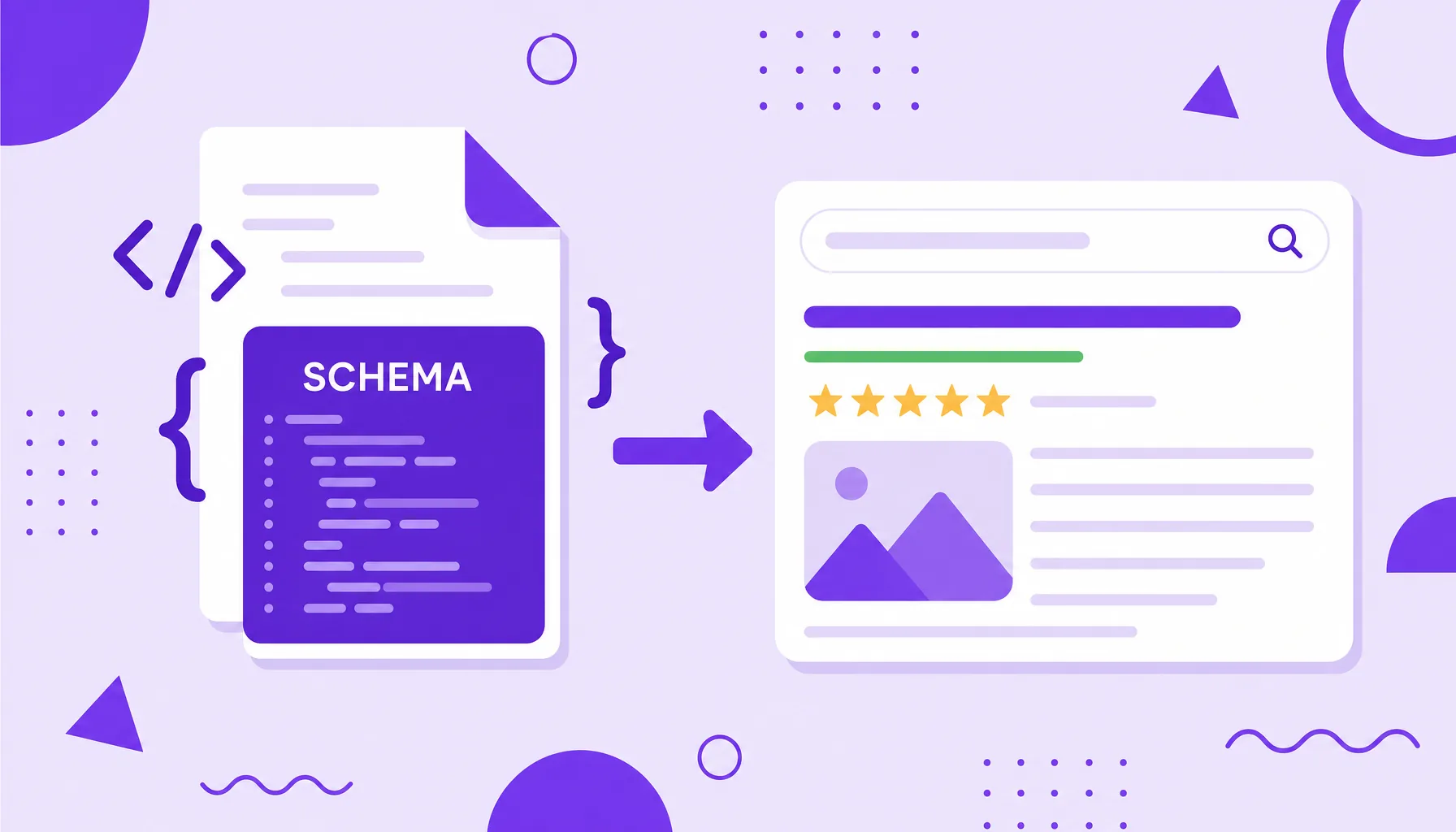
Structured data is a standardized code format that describes the content of a page for search engines, explicitly telling them what each element means (a price, a rating, a recipe, an event). Written with the Schema.org vocabulary, it helps Google interpret the page accurately and display rich results, such as review stars, frequently asked questions and images directly on the results page.
On-page SEO
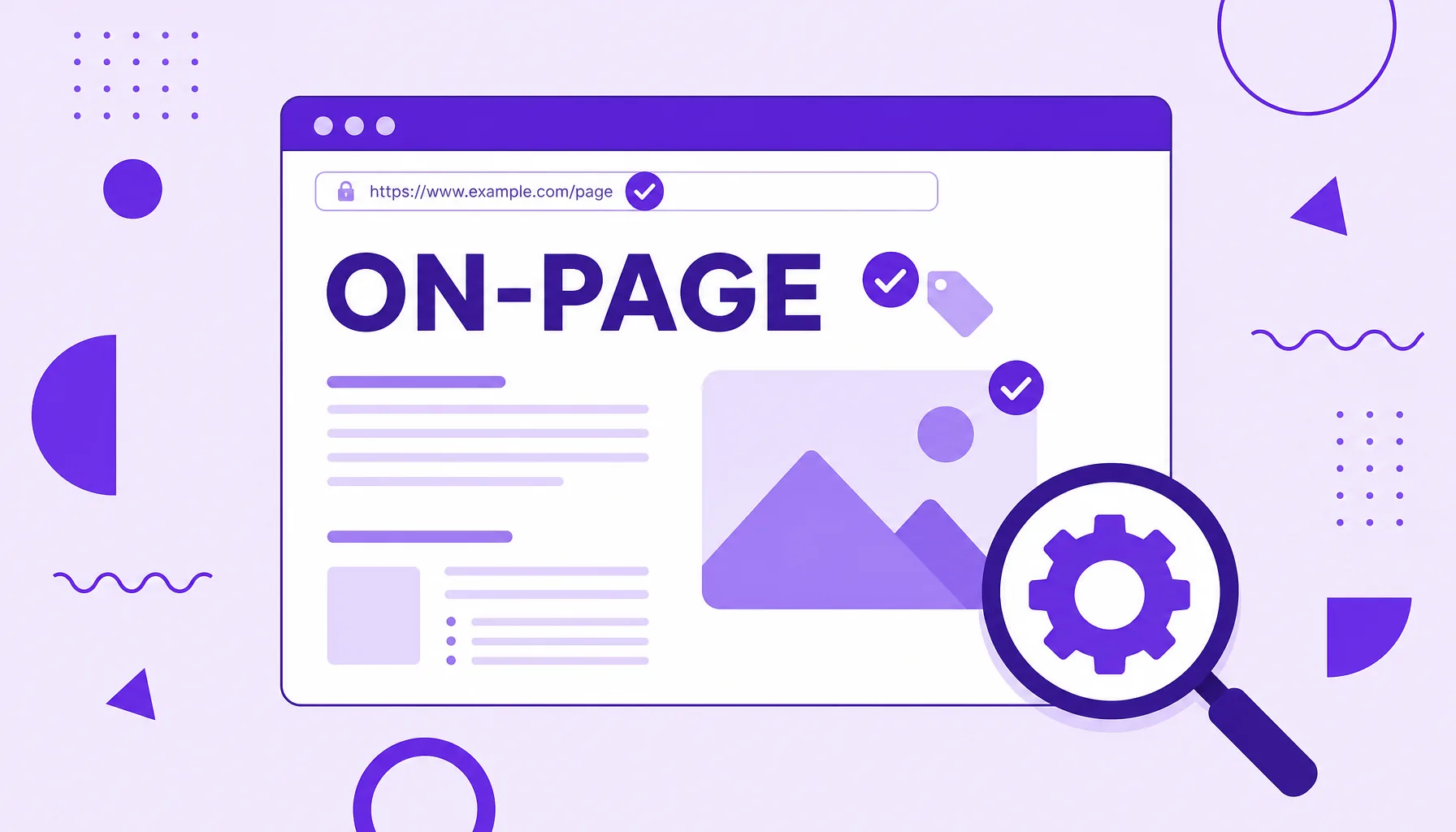
On-page SEO (or on page SEO) is the set of optimizations made within the page itself to improve its performance in search engines. It involves the content, the title, the headings, the meta tags, the images, the internal links and the URL structure, everything you control directly in the HTML and the text. It is one of the pillars of SEO, alongside off-page SEO (external factors) and technical SEO (site infrastructure).
Local SEO
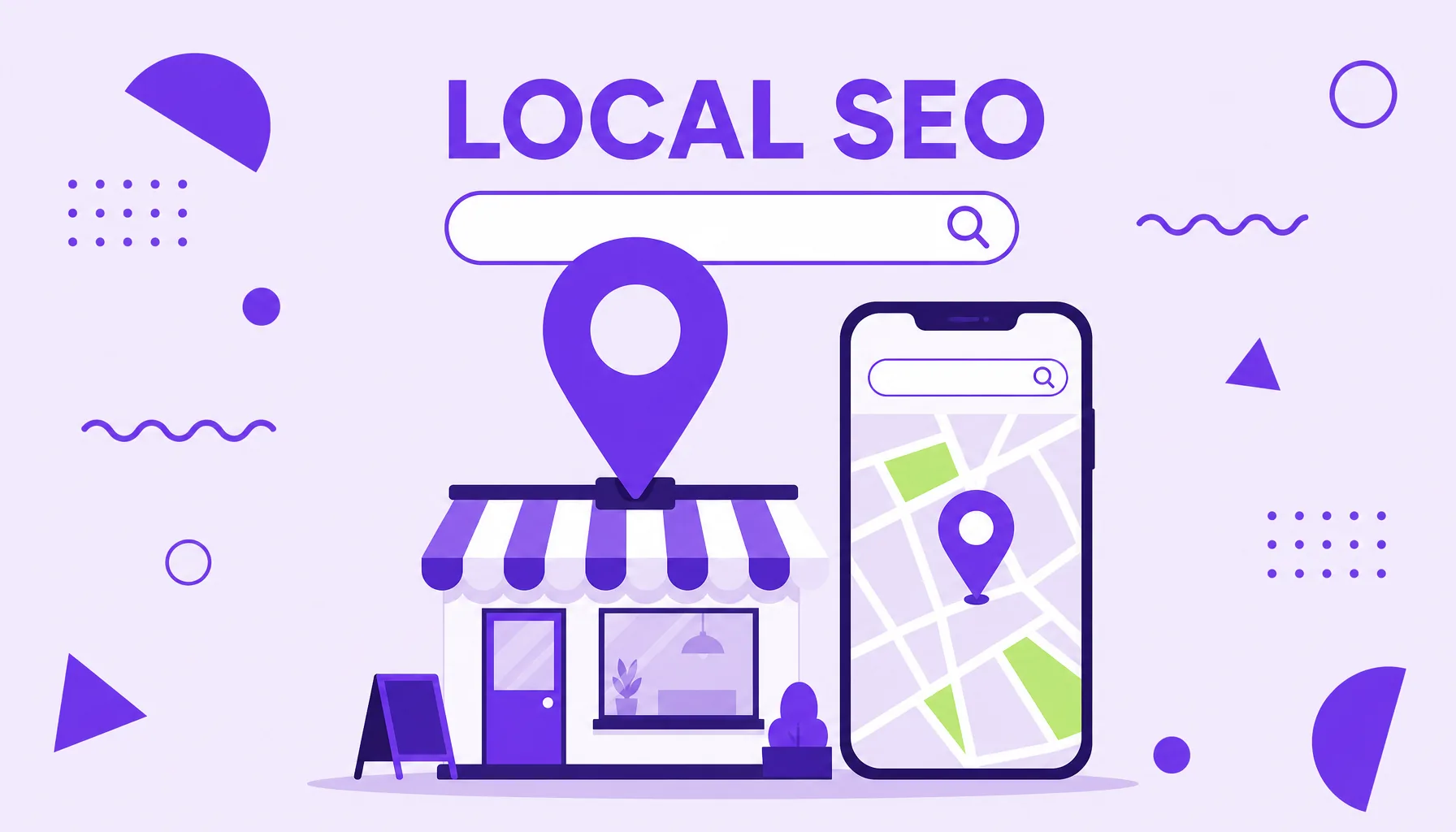
Local SEO is the set of optimization practices aimed at searches with geographic intent, the ones where a person looks for a product, service or business near them. The goal is to make your company show up on Google when someone searches for something in your area, mainly in the local pack (the block with the map and the three highlighted results) and on Google Maps. It combines signals such as the Google Business Profile listing, reviews, the consistency of the name and address and content optimized for the city or neighborhood.
Technical SEO
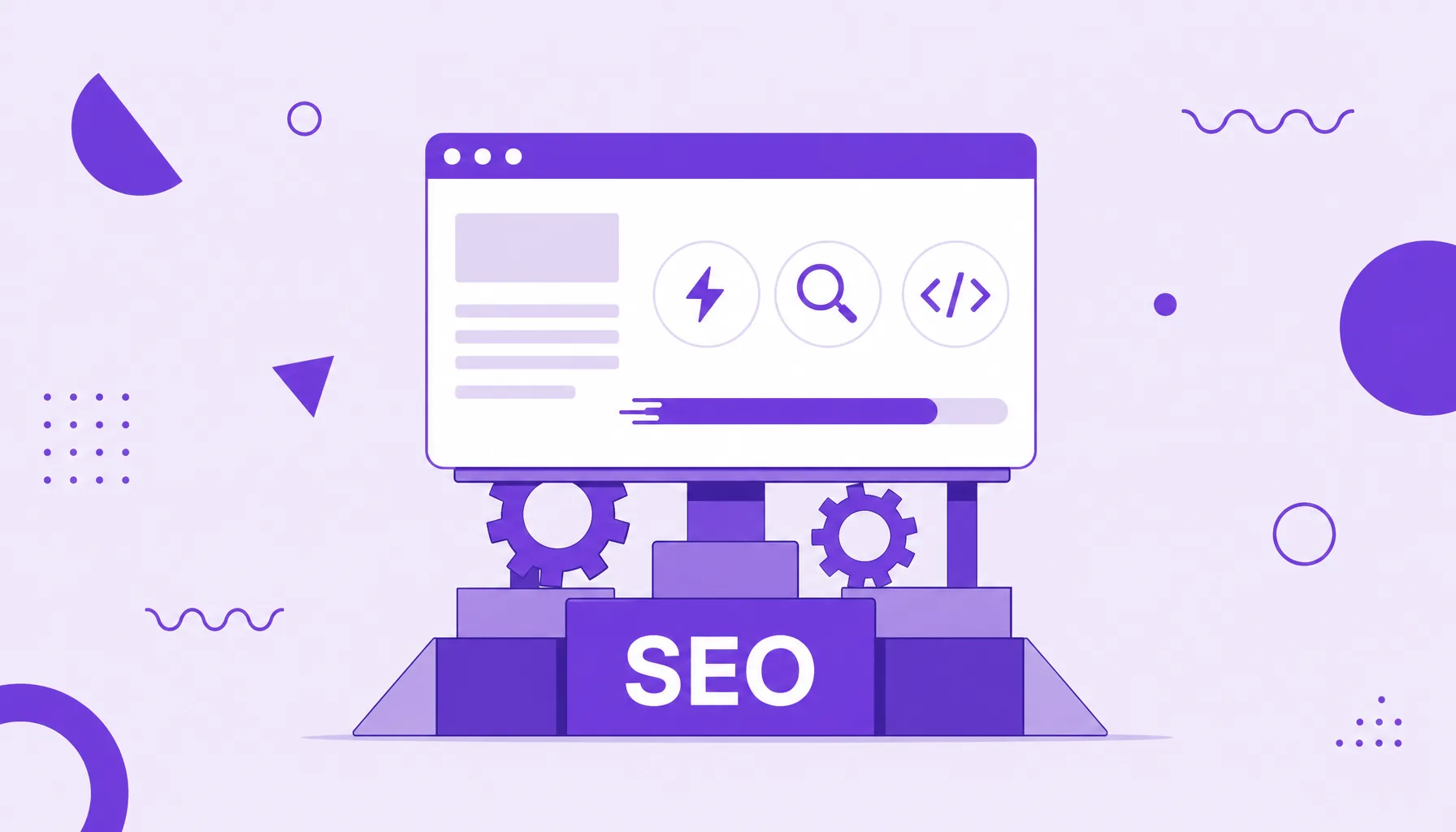
Technical SEO is the set of optimizations made to a site's infrastructure so that search engines can crawl, understand, index and display its pages efficiently. While content takes care of what the page says, technical SEO takes care of the invisible foundation that supports everything: loading speed, URL structure, internal link architecture, mobile version, security, structured data, indexing and status codes. Without that foundation in order, even the best content may never appear in search.
Knowledge Graph
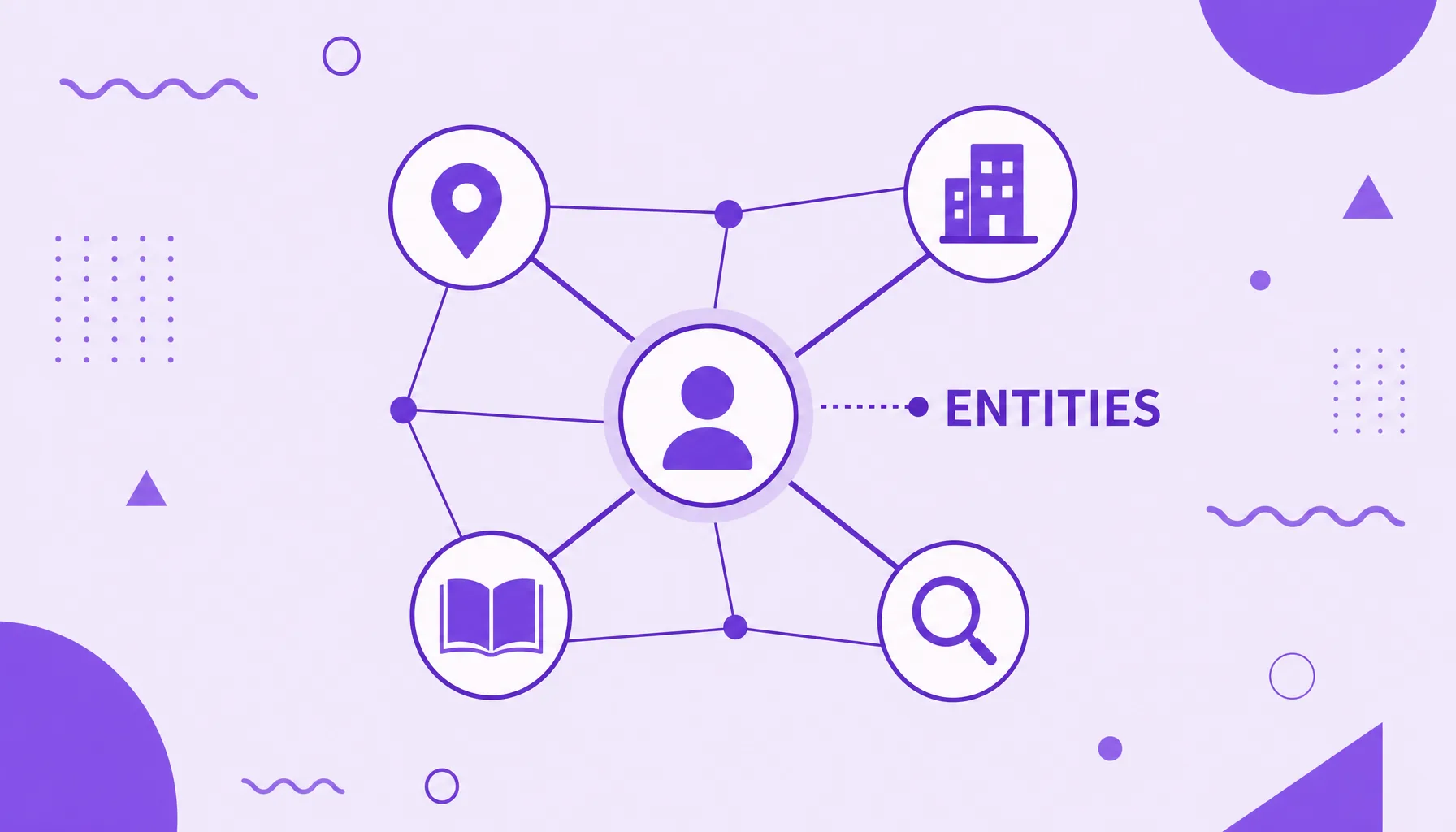
The Knowledge Graph is Google's database that organizes information about the world as a network of entities (people, places, companies, works, concepts) connected by facts and relationships. Launched in 2012, it lets the search engine understand the meaning behind words, not just compare text, which gives rise to direct answers, the knowledge panel on the side of search and, increasingly, AI generated answers. More broadly, a knowledge graph is also a data technology used by many companies to model knowledge as graphs.
Off-page SEO
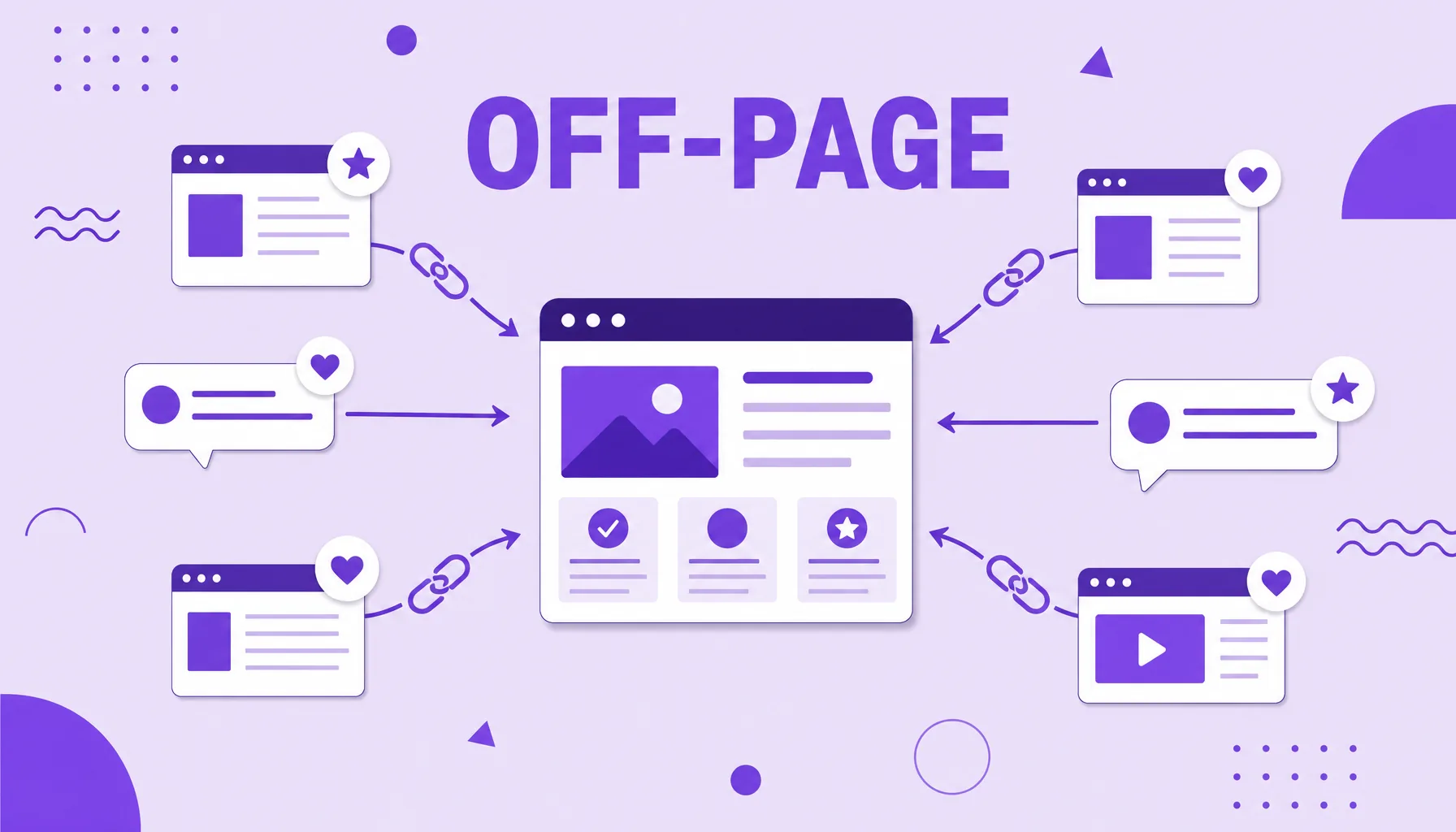
Off-page SEO is the set of optimization actions carried out outside your site to increase its authority and relevance in the eyes of search engines. The main factor is backlinks, links from other sites that point to yours, but brand mentions, social signals and the reputation built across the web also count. While on-page SEO takes care of what is inside the page, off-page works on the perception of trust that comes from outside.
Sitelinks
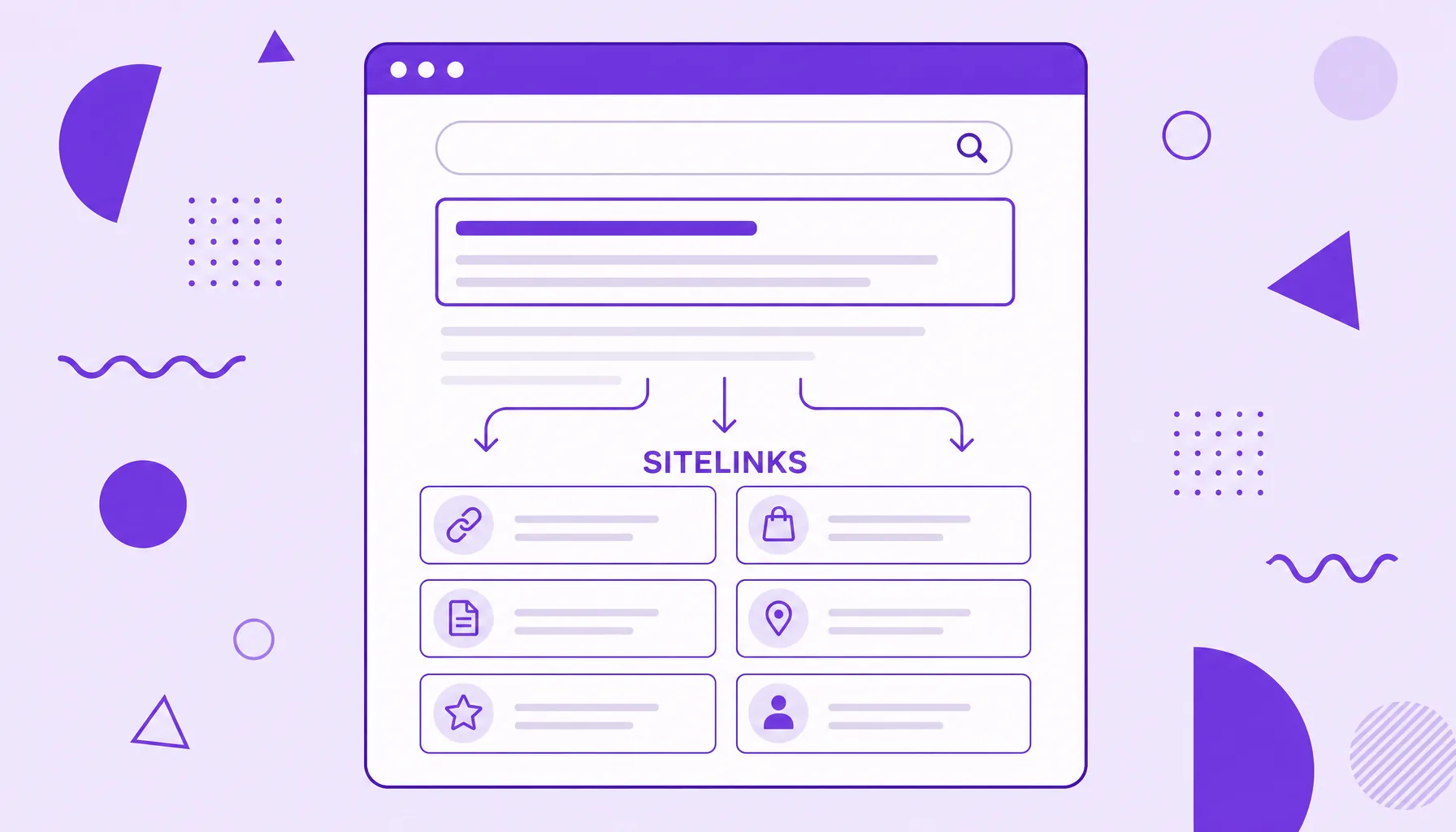
Sitelinks are the additional links that Google shows right below a site's main result, pointing to relevant internal pages such as contact, pricing, login or popular categories. They appear most often on brand or domain name searches, help the user go straight to what they want and are generated automatically by the algorithm, at no cost and with no button to switch them on.
Dofollow
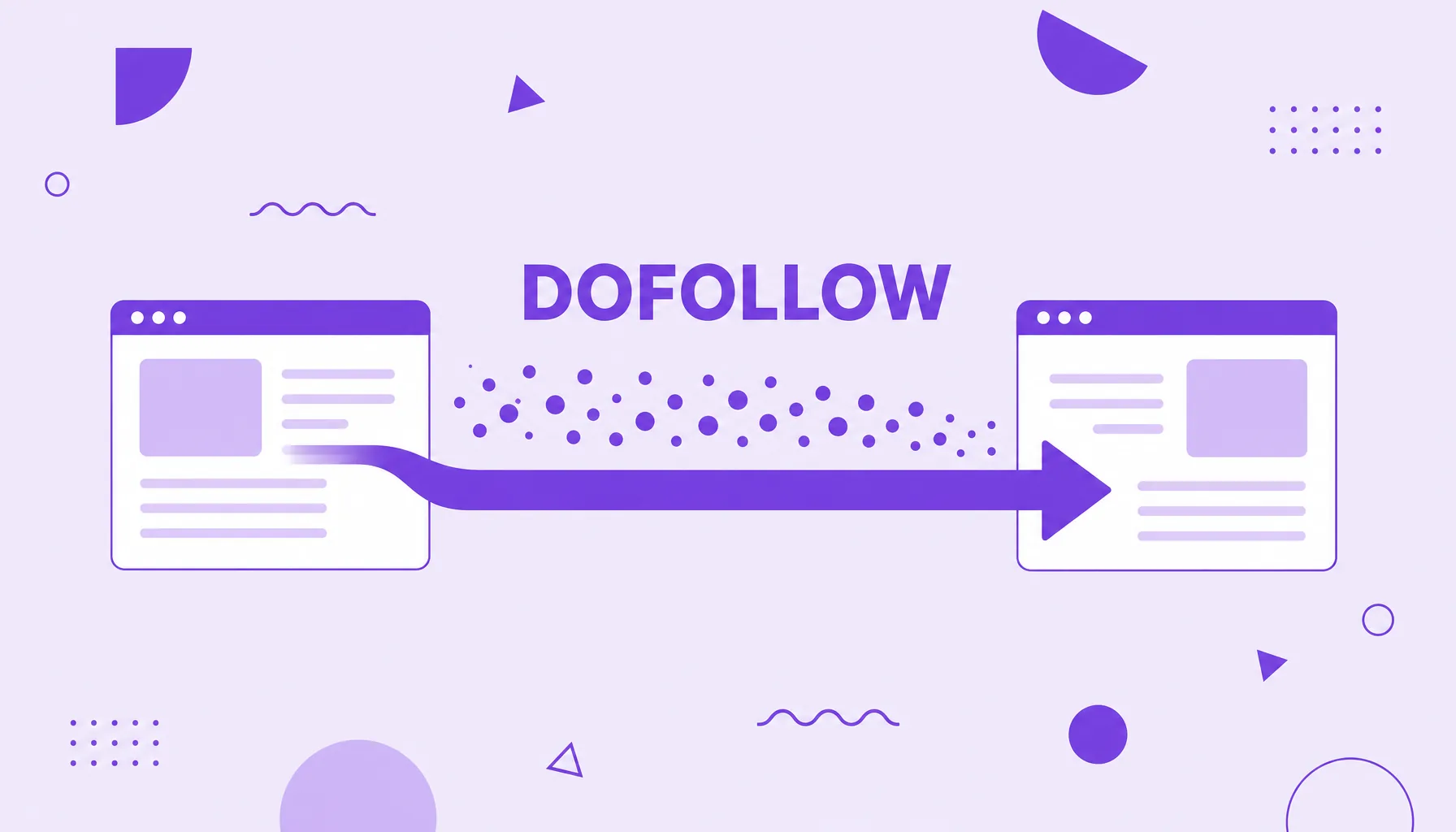
Dofollow is the default link of the web, the one that, by carrying no restriction, passes authority from the source page to the destination page. Every link is dofollow by default, unless it receives the rel="nofollow" attribute. In SEO, dofollow links are valuable because they work like votes of confidence that help the linked page rank better in search engines, making them the main fuel of link building.
301 redirect
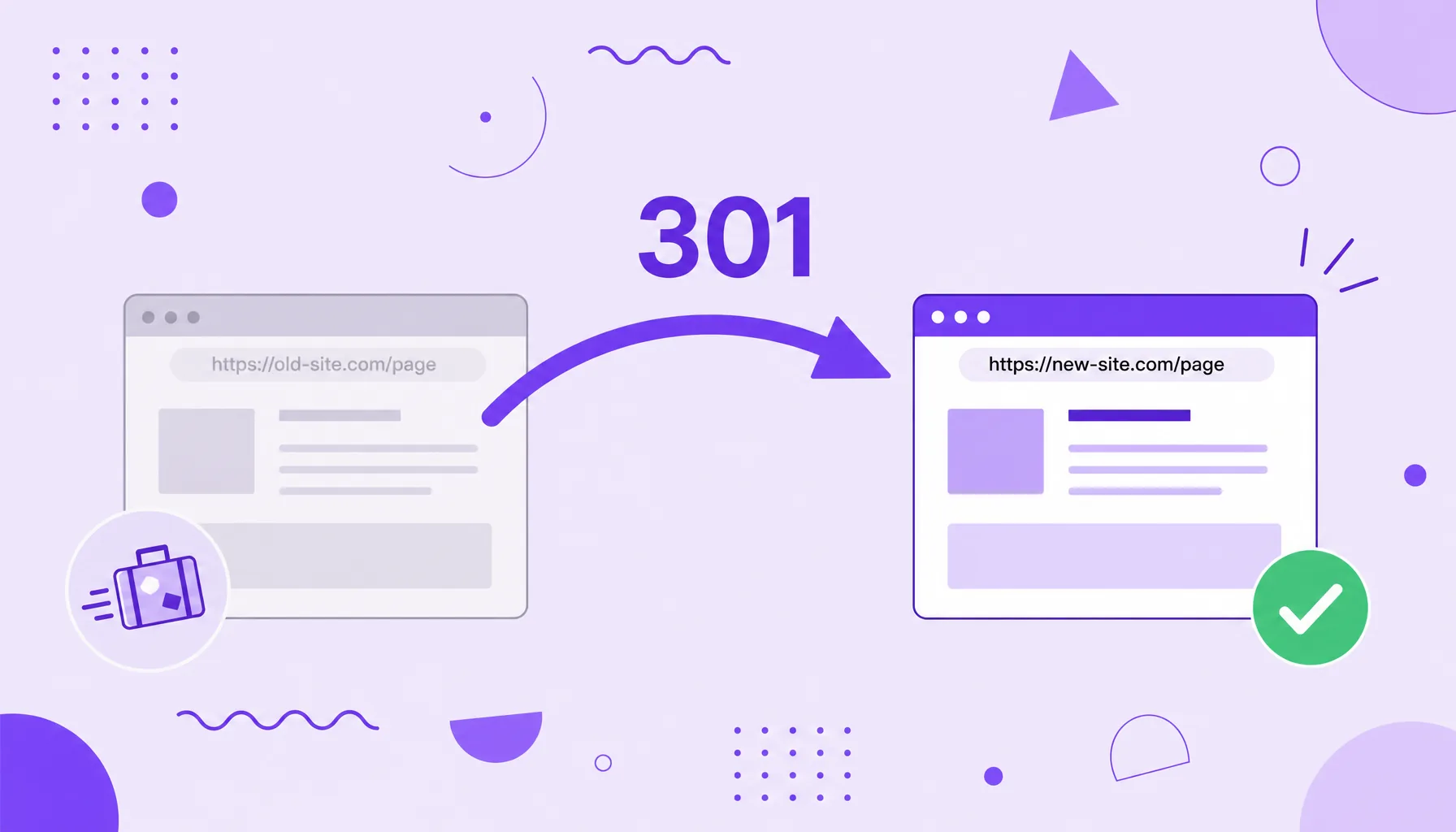
The 301 redirect is the type of permanent redirect that sends both the visitor and the search engine from an old URL to a new address, signaling that the change is definitive. Besides keeping people from landing on a nonexistent page, it passes most of the authority accumulated by the original URL to the new one, which makes it the correct way to change address, domain or site structure without losing positions on Google.
Keyword stuffing
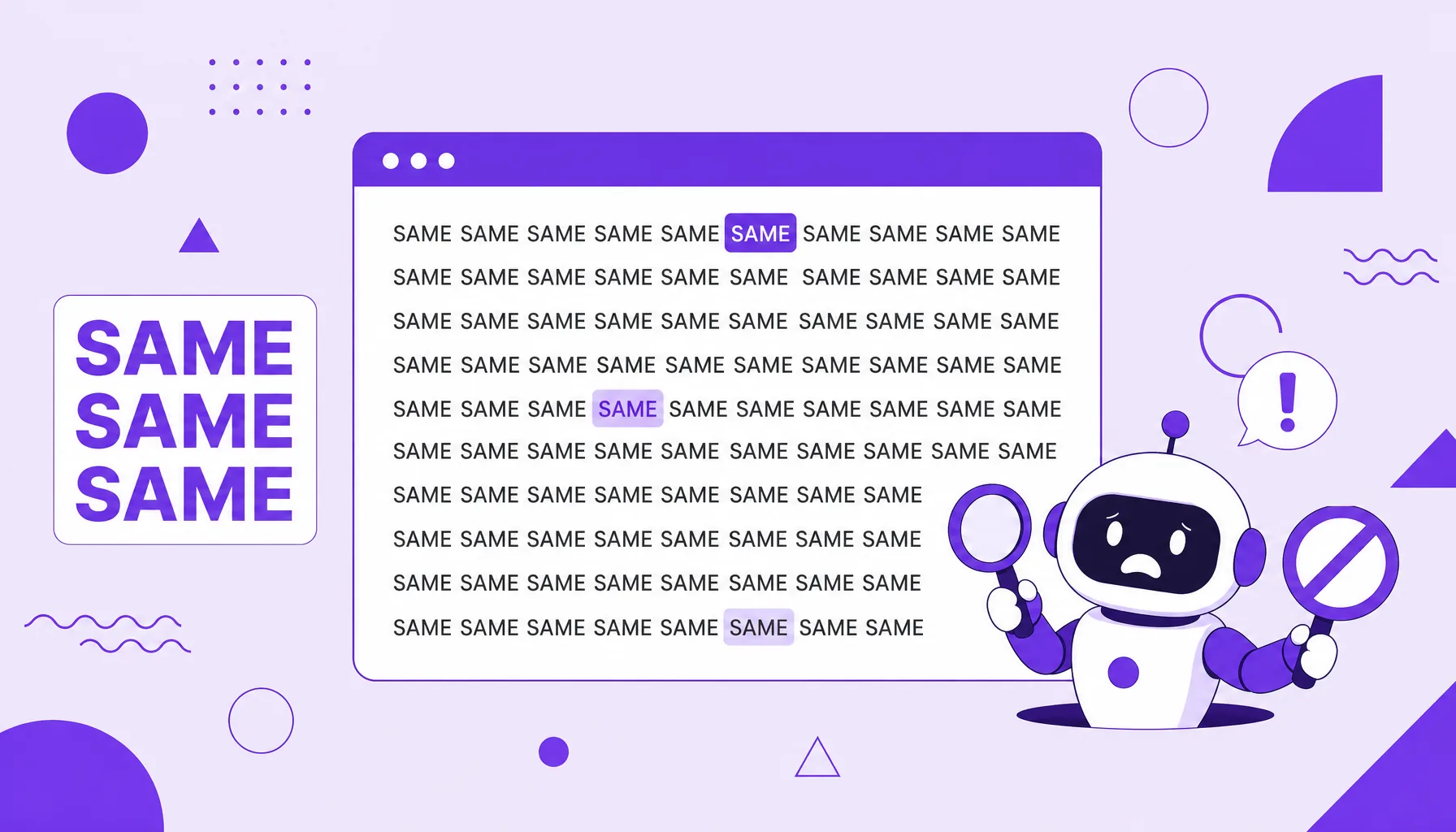
Keyword stuffing is the practice of repeating a keyword in an excessive, artificial way inside a page, trying to manipulate Google rankings. Instead of helping, that forced repetition hurts readability, signals spam to the search engine and can trigger a penalty. Today it is seen as an outdated black hat technique, since the algorithms understand the context of the text and reward content written for people.

Bounce rate
Bounce rate is the percentage of visits that land on a site and leave without any interaction, such as opening another page, clicking a link or completing an action. In traditional Google Analytics, a bounce was any single-page visit; in GA4, it became the opposite of the engagement rate, counting sessions that were not engaged. A high rate can point to an experience problem, but it is not always bad: it depends a lot on the type of page and the intent of whoever arrived.
YMYL
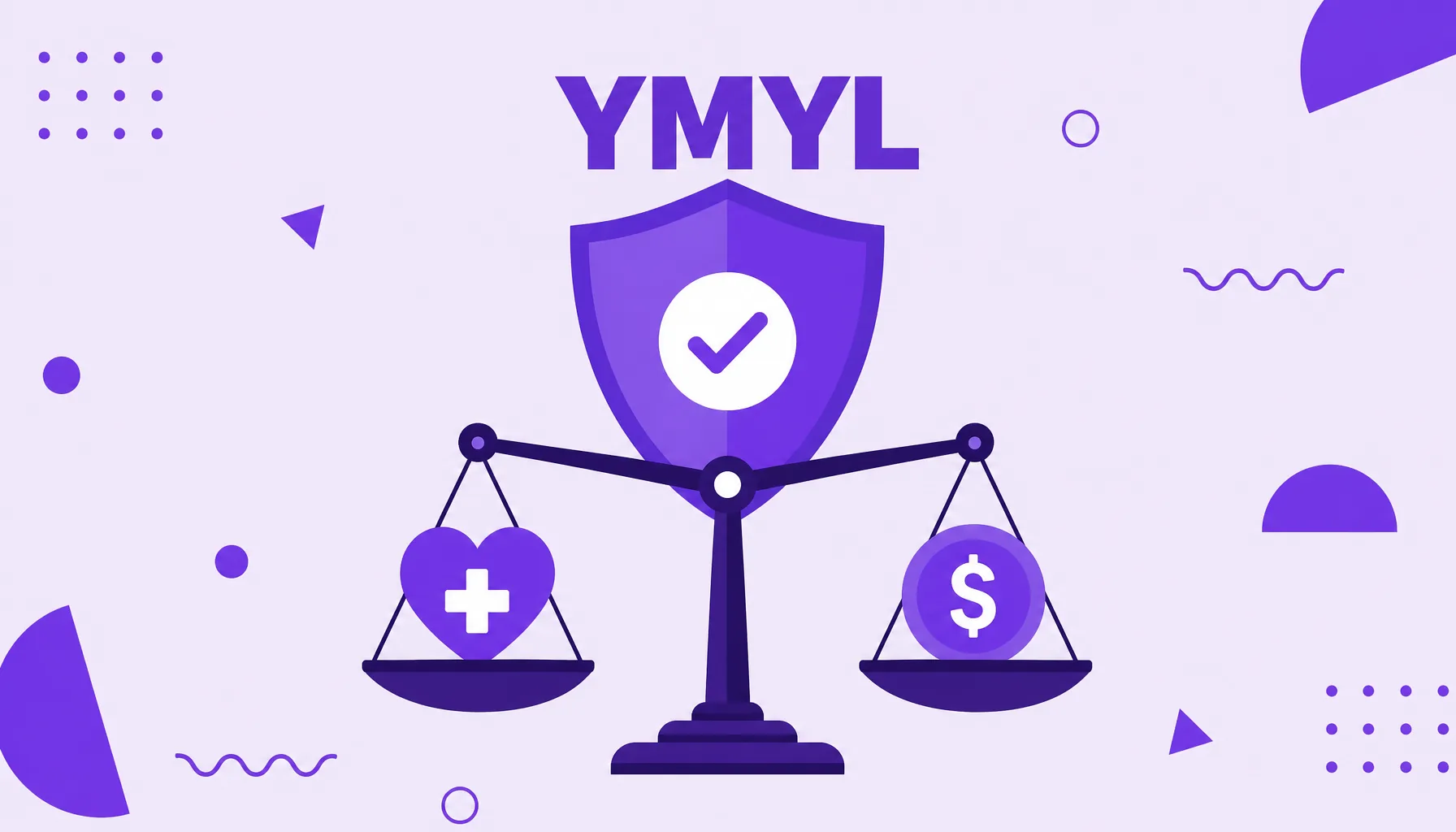
YMYL stands for Your Money or Your Life and names pages whose content can seriously affect people's health, safety, financial stability or well-being. Because of that potential to cause harm when the information is wrong, Google evaluates YMYL pages against a much higher quality standard, giving extra weight to signals of experience, expertise, authoritativeness and trust. Topics such as medicine, finance, law and news are typical examples of YMYL content.
Internal link
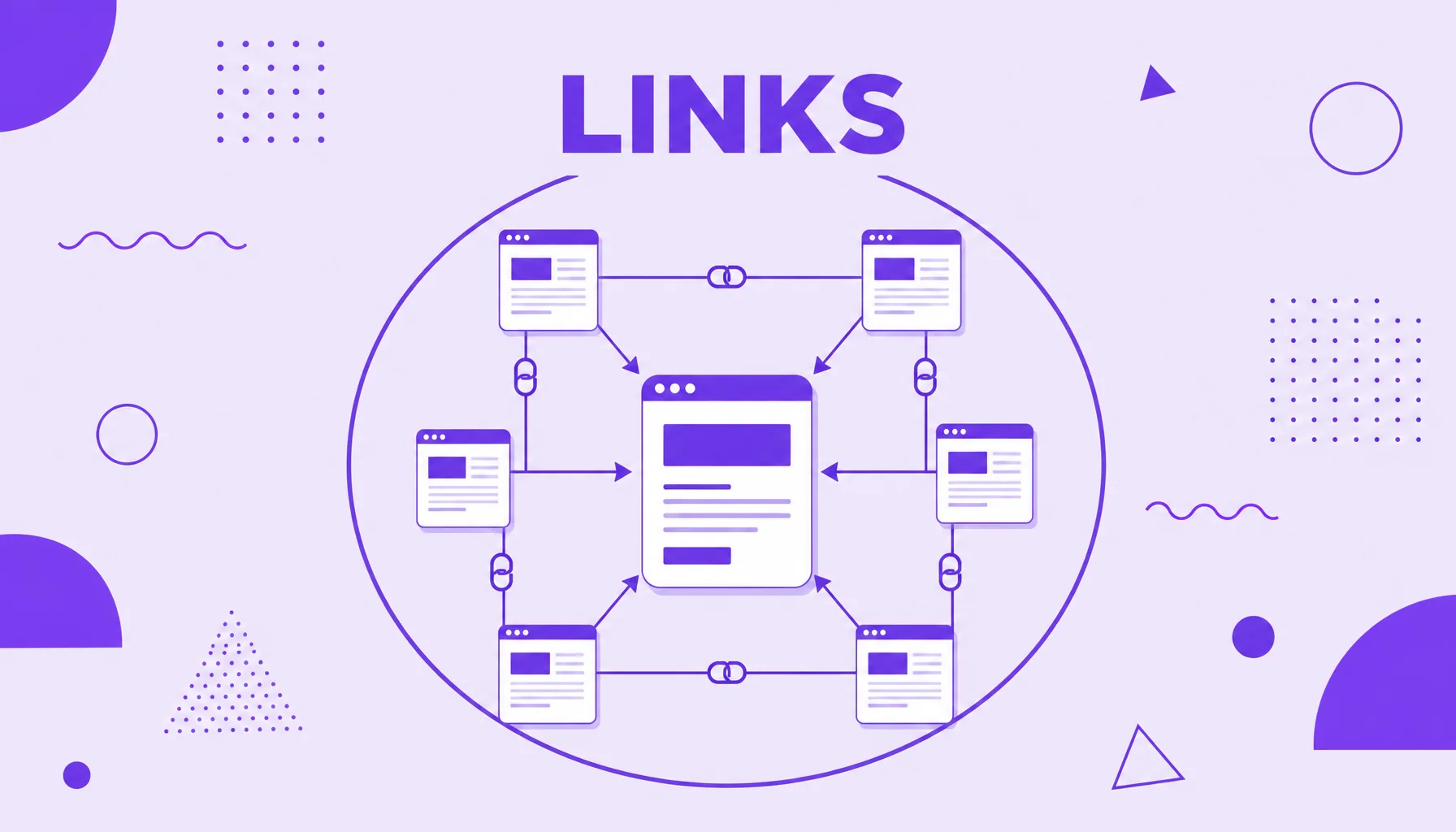
An internal link is the link that connects two pages within the same domain, taking the visitor from one piece of content to another on the site itself. Besides helping navigation, it distributes authority between pages, helps search engines discover and crawl new content and gives context about the topic of each page through the anchor text used. It is one of the simplest and, at the same time, most underrated on-page SEO tactics.

Anchor text
Anchor text is the visible, clickable part of a link, that is, the words a person clicks to go to another page. Besides guiding the reader, it works as a label that describes the destination: both the user and search engines use this text to predict what they will find on the other side of the link. That is why anchor text is a relevant SEO signal, used by Google to understand the topic and relevance of the linked page.
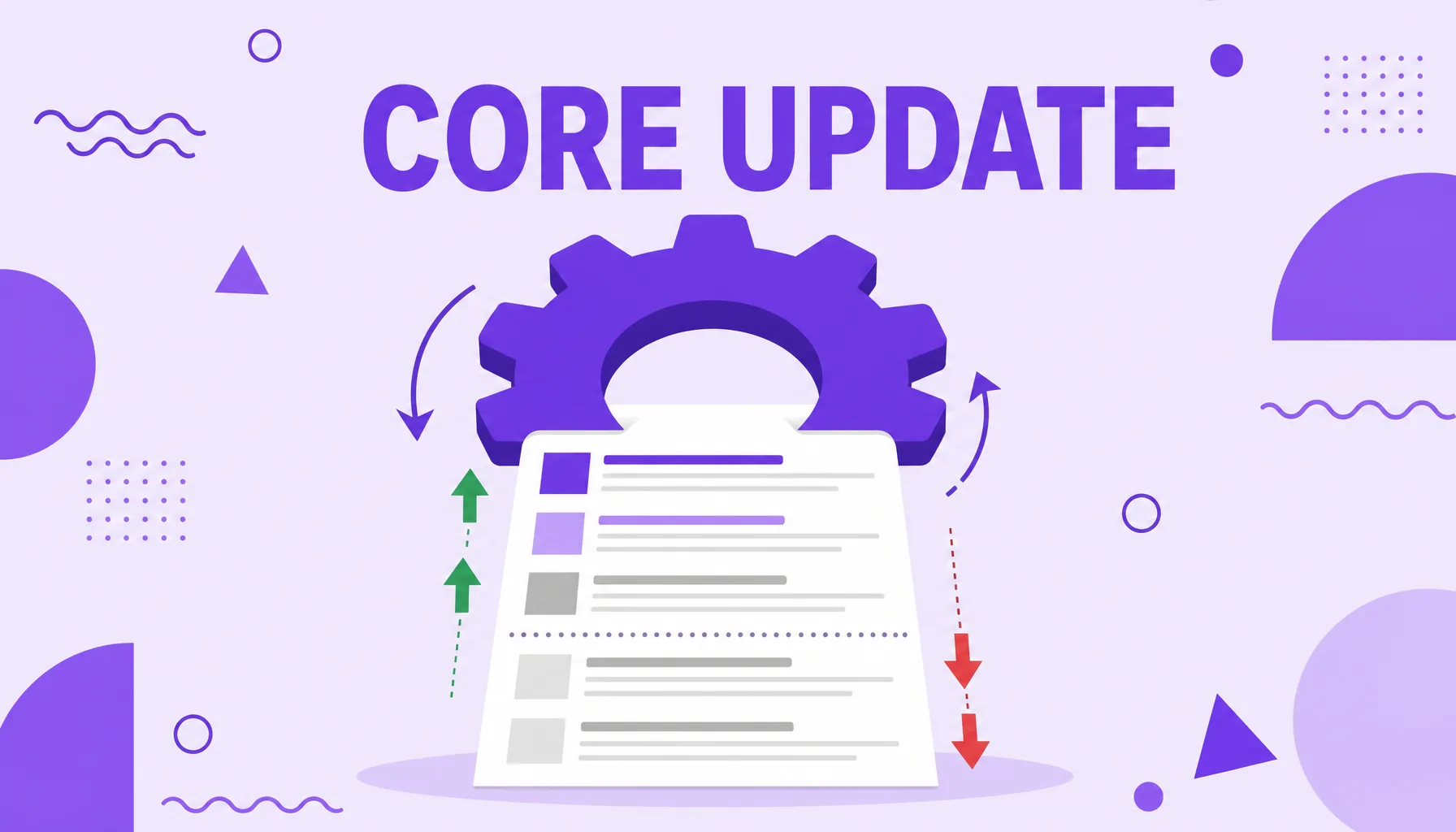
Core update
A core update (or main update) is a broad, periodic change Google makes to its ranking algorithm, capable of reshuffling search results across almost every niche at once. Unlike small tweaks, it reassesses how the search engine judges the relevance and quality of pages, which can make a site gain or lose positions even when nothing changed on the page itself.
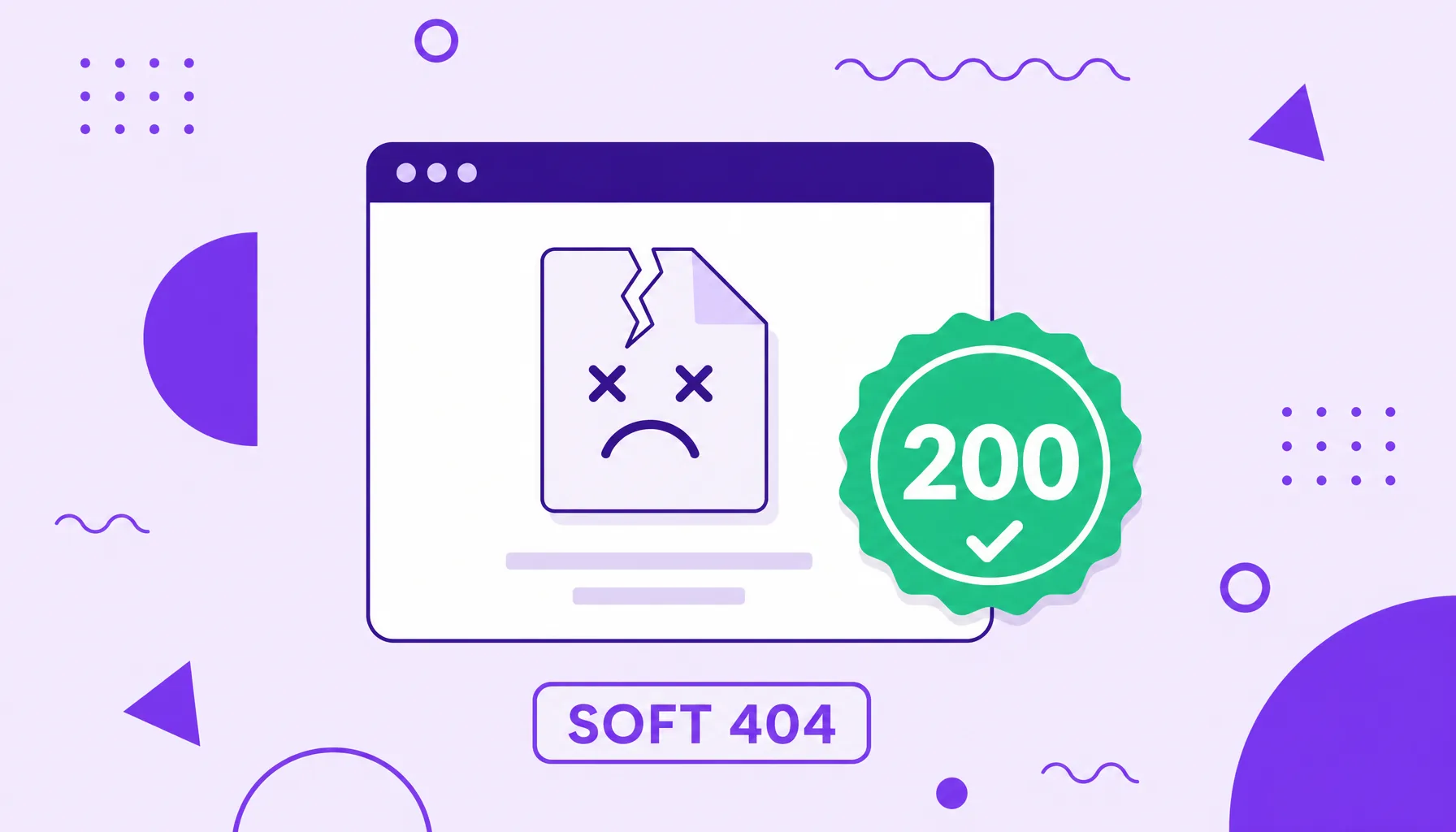
Soft 404
A soft 404 is the name Google gives to a page that responds with the success code 200, as if everything were fine, but in practice shows error or empty content, such as a page not found message. The search engine notices the contradiction between what the server says and what the page actually delivers, marks the URL as a soft 404 and avoids indexing it, which wastes crawling and can hurt the site's SEO.
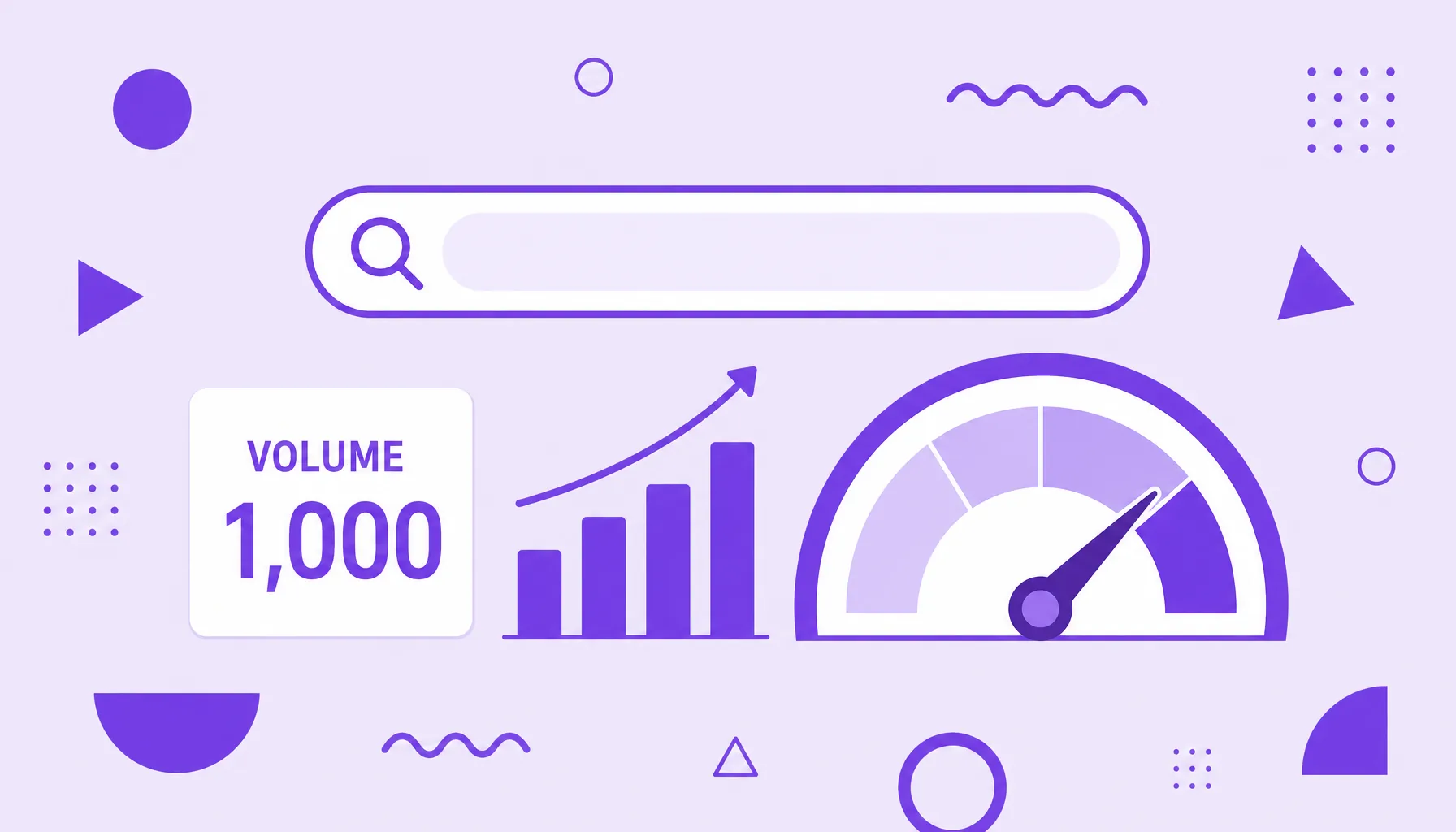
Search volume
Search volume is the estimated number of times a keyword is searched in a search engine, usually calculated as a monthly average. It shows the size of the demand for a term and is one of the first data points analyzed in keyword research, since it helps decide which topics are worth producing content for. Because it is an estimate, it should be read alongside difficulty and search intent, not in isolation.
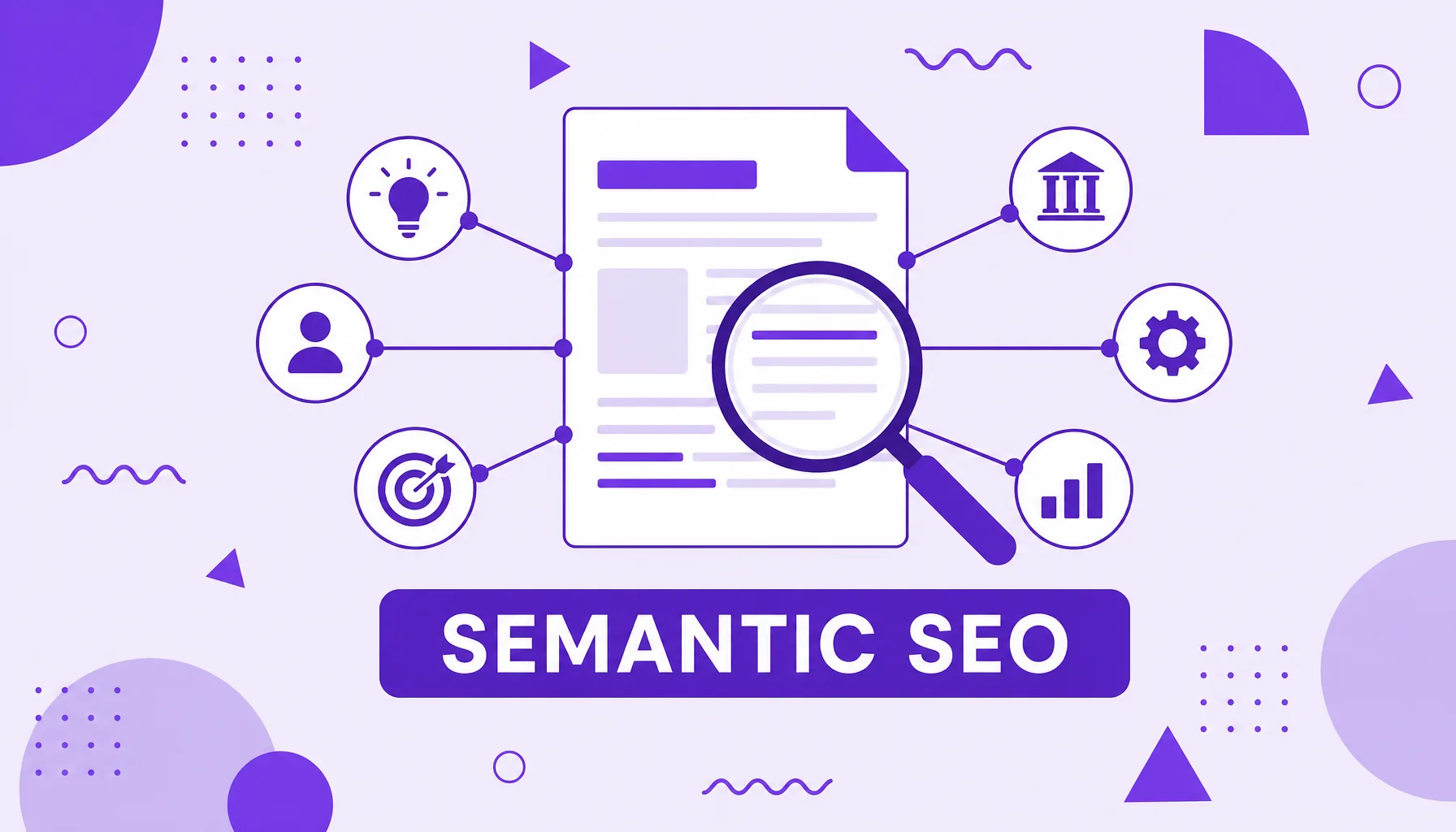
Semantic SEO
Semantic SEO is the practice of optimizing content around its meaning, the entities it mentions and the topics it covers, rather than around the repetition of an exact keyword. The goal is to help search engines like Google understand the full context of a subject, the relationships between themes and the intent behind a search. When content covers a topic with depth and clarity, it answers many variations of the same question at once and earns relevance in the eyes of an algorithm that now reads meaning, not just isolated words.
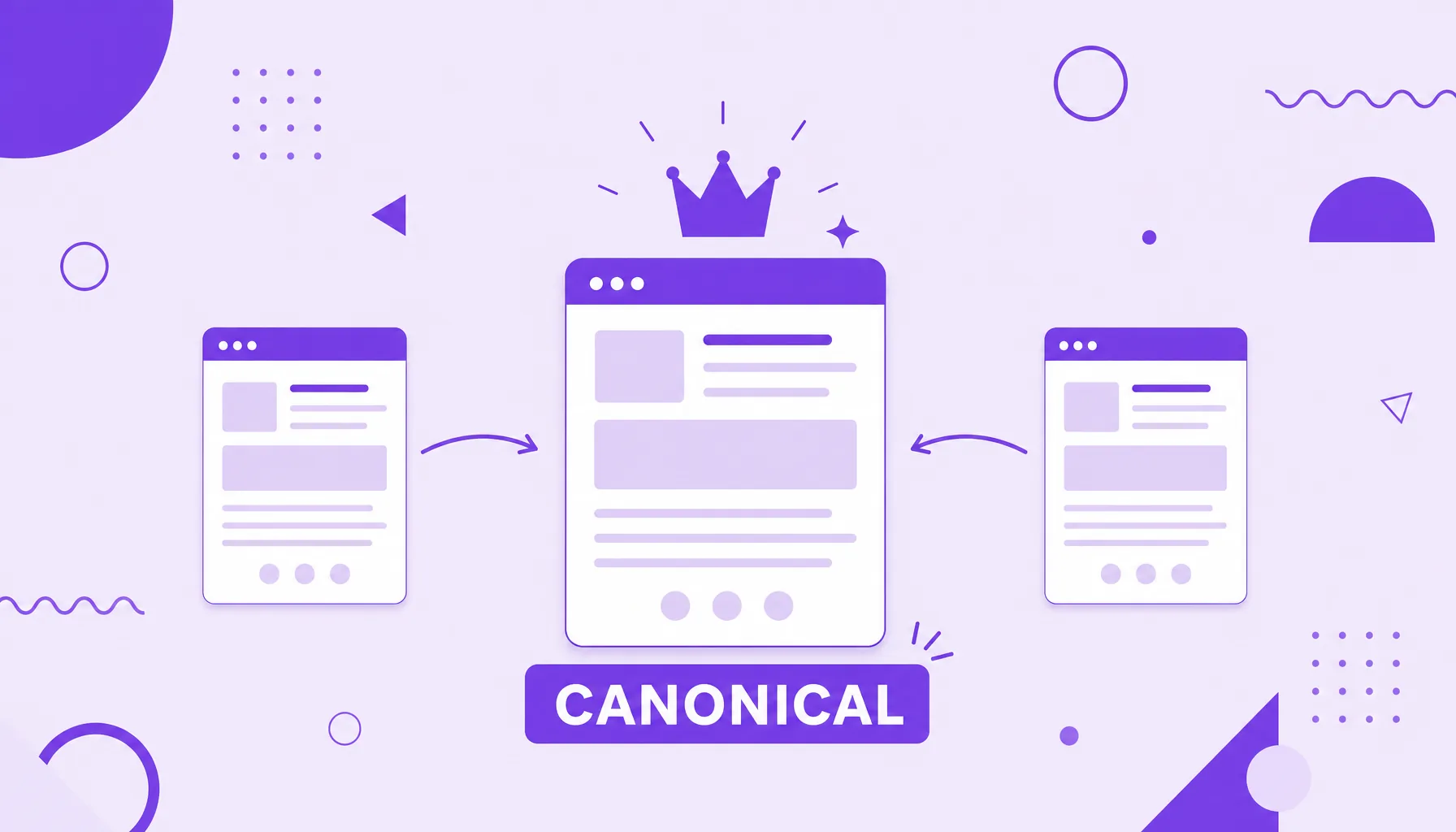
Canonical URL
A canonical URL is the preferred version of a page when several addresses hold identical or very similar content. It is signaled to the search engine by a canonical tag (rel=canonical) in the HTML or by other signals, telling it which URL should be treated as the original, the one that appears in search and concentrates the authority of the links. It is the main tool for solving duplicate content without deleting pages or harming the user experience.

Spam update
A Google Spam Update is an update in which Google strengthens its automatic anti-spam systems, targeting pages and sites that violate the search engine's spam policies. Unlike a core update, which reassesses the general quality of results, the spam update focuses on specific manipulative practices, such as mass-produced content, site reputation abuse, cloaking and link schemes. Hit sites usually lose positions until they fix what broke the rules.
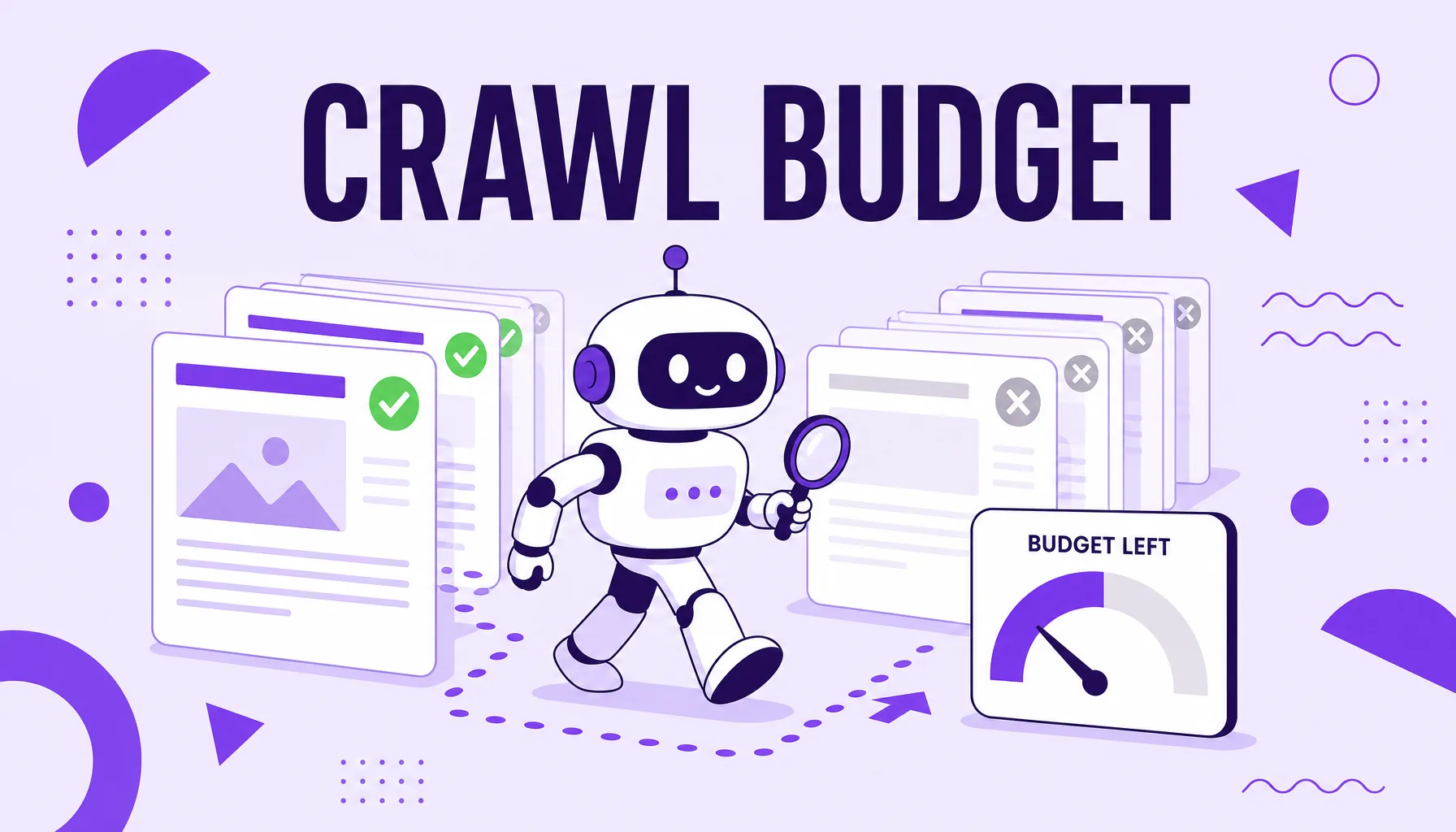
Crawl budget
Crawl budget is the number of pages a search engine like Google is willing to crawl on a site within a given period. It comes from the combination of how much your server can handle the robot's visits and how interested Google is in revisiting that content. On small sites it is rarely a problem, but on large sites every visit from the crawler becomes a scarce resource worth managing.
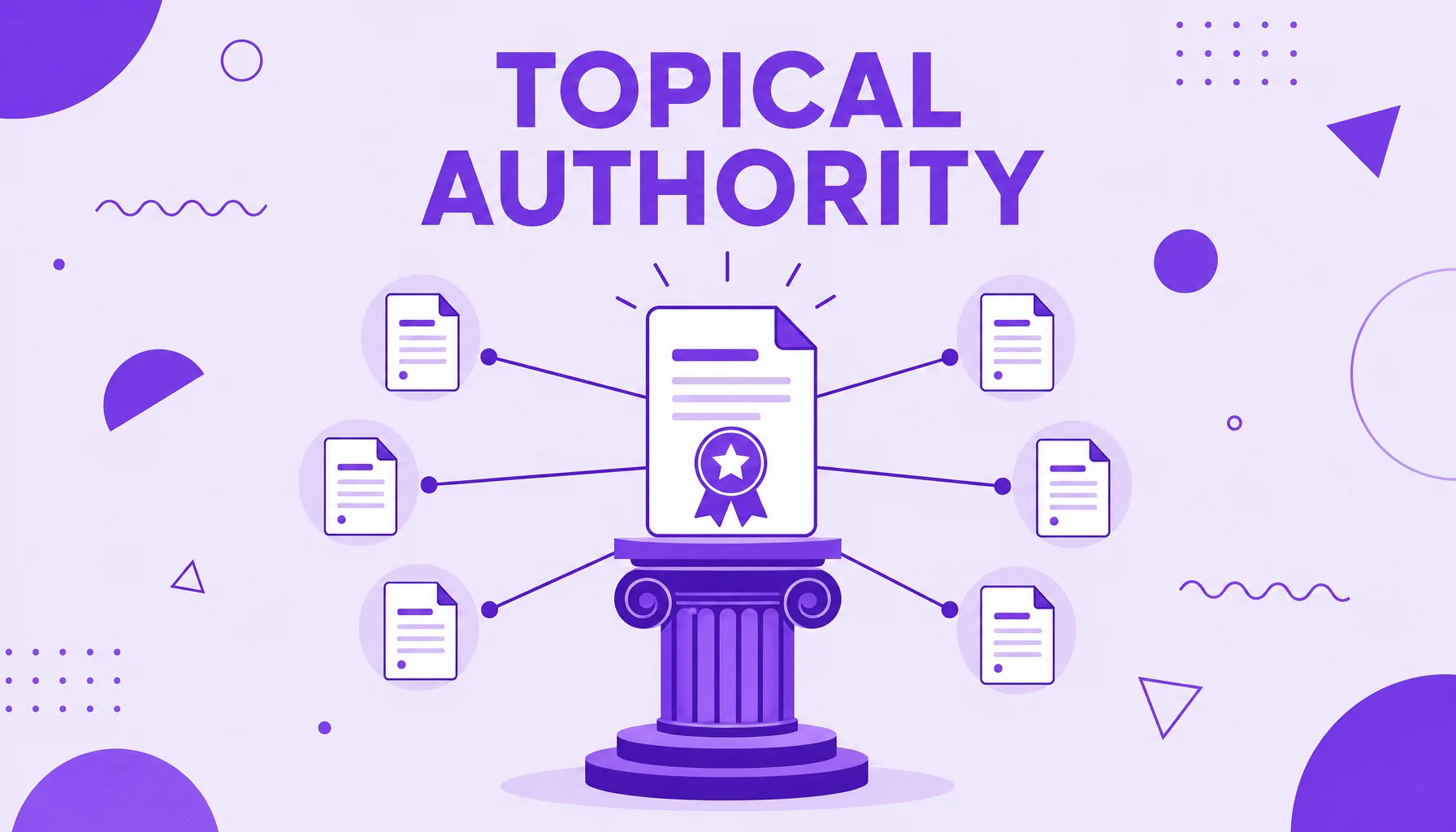
Topical authority
Topical authority is the reputation a site earns by covering a theme broadly and deeply, to the point where the search engine starts treating it as a reference on that subject. Instead of aiming at a single keyword, the site works the whole topic, with many connected pieces that answer questions end to end. The more complete and consistent that coverage, the more Google trusts the domain to rank its pages on the topic.
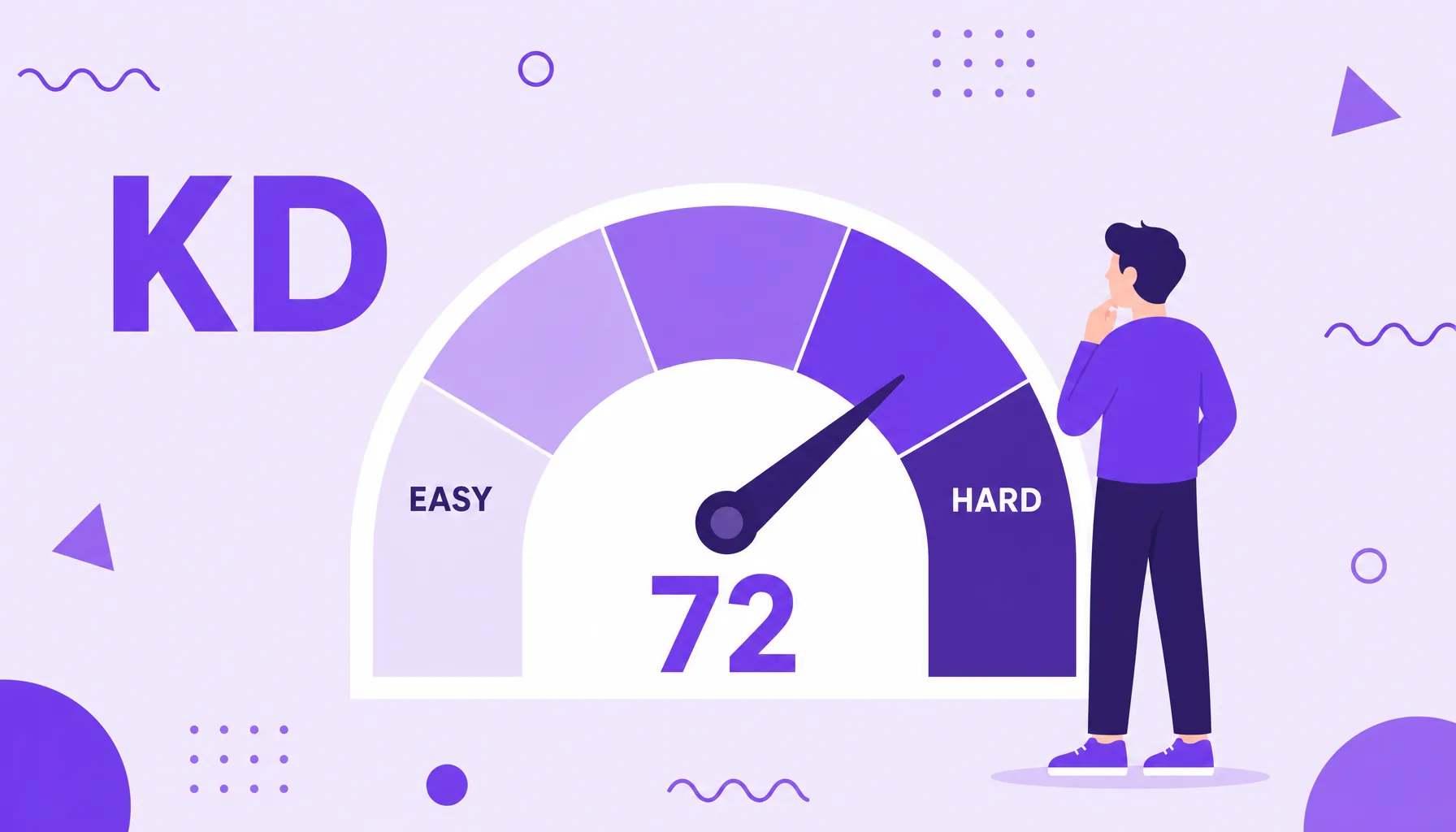
Keyword difficulty
Keyword difficulty (KD) is the estimate of how much effort it takes to rank among the top results for a term, given the competition already holding those positions. SEO tools sum up that contest in a score from 0 to 100: the higher the number, the stronger the sites you would have to beat. It is a compass for choosing battles worth fighting, not a final verdict.
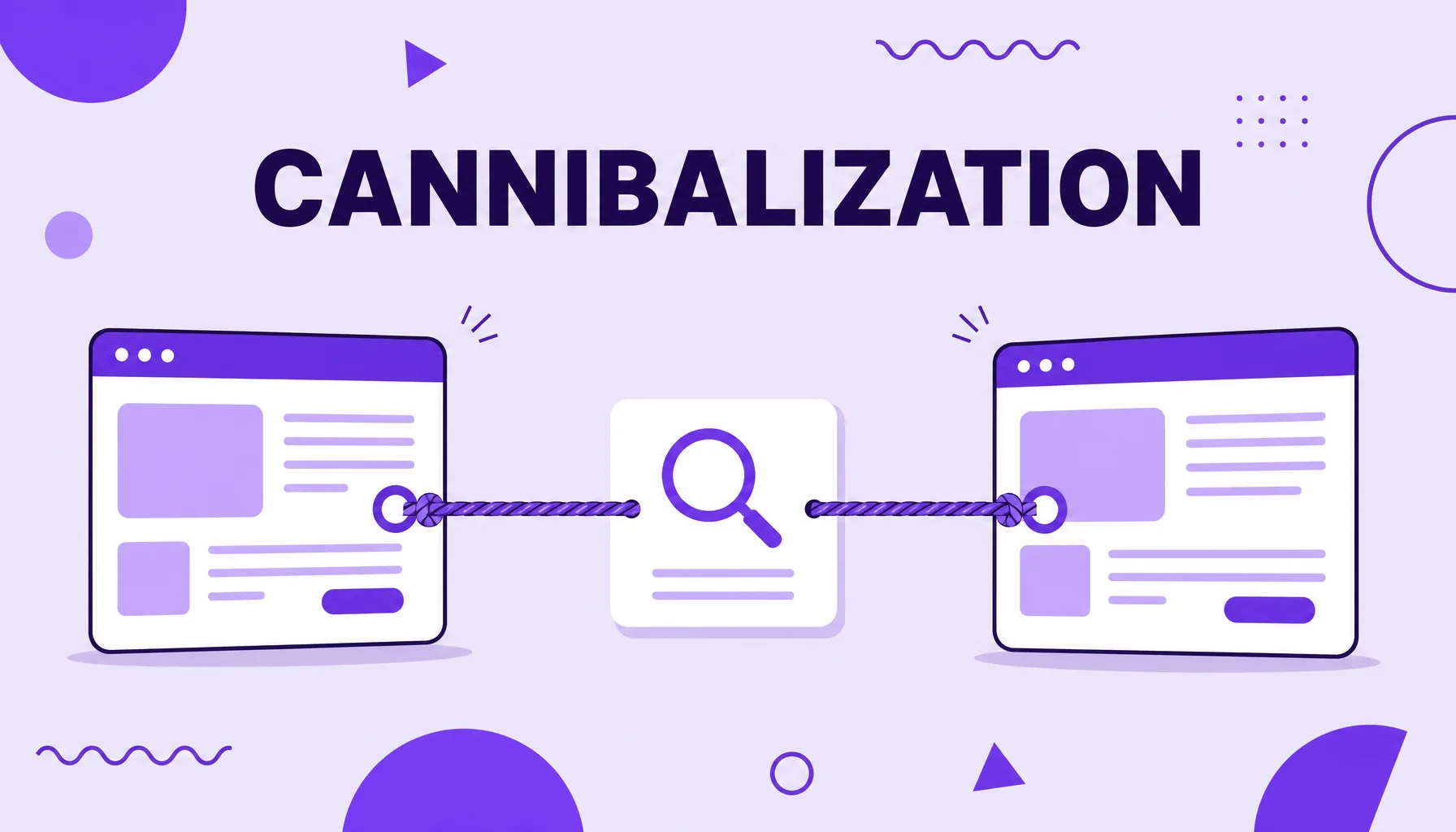
Keyword cannibalization
Keyword cannibalization happens when two or more pages on the same site compete against each other for the same query on Google. Instead of joining forces, they split the relevance signals and the clicks, and the search engine gets unsure which one to show. The result is usually worse positions and less traffic than a single strong page would have on its own. Fixing cannibalization means reorganizing content so every search has a clear owner.