
GEO (Generative Engine Optimization): what it is and how to optimize for AI
By Tiago CostaUpdated on July 2, 2026
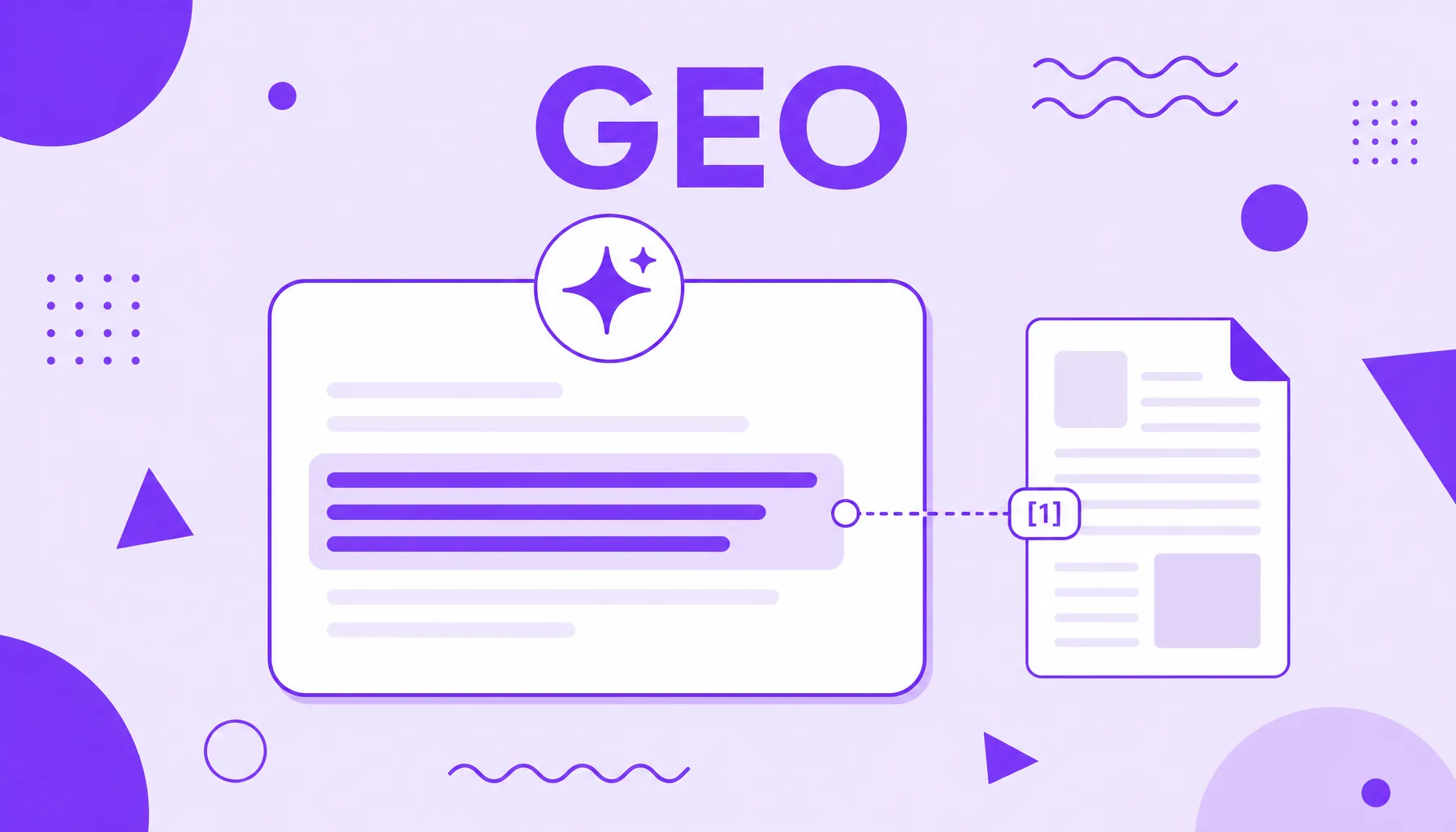
GEO (Generative Engine Optimization) is optimizing content to be cited by AI search engines. In practice, it involves:
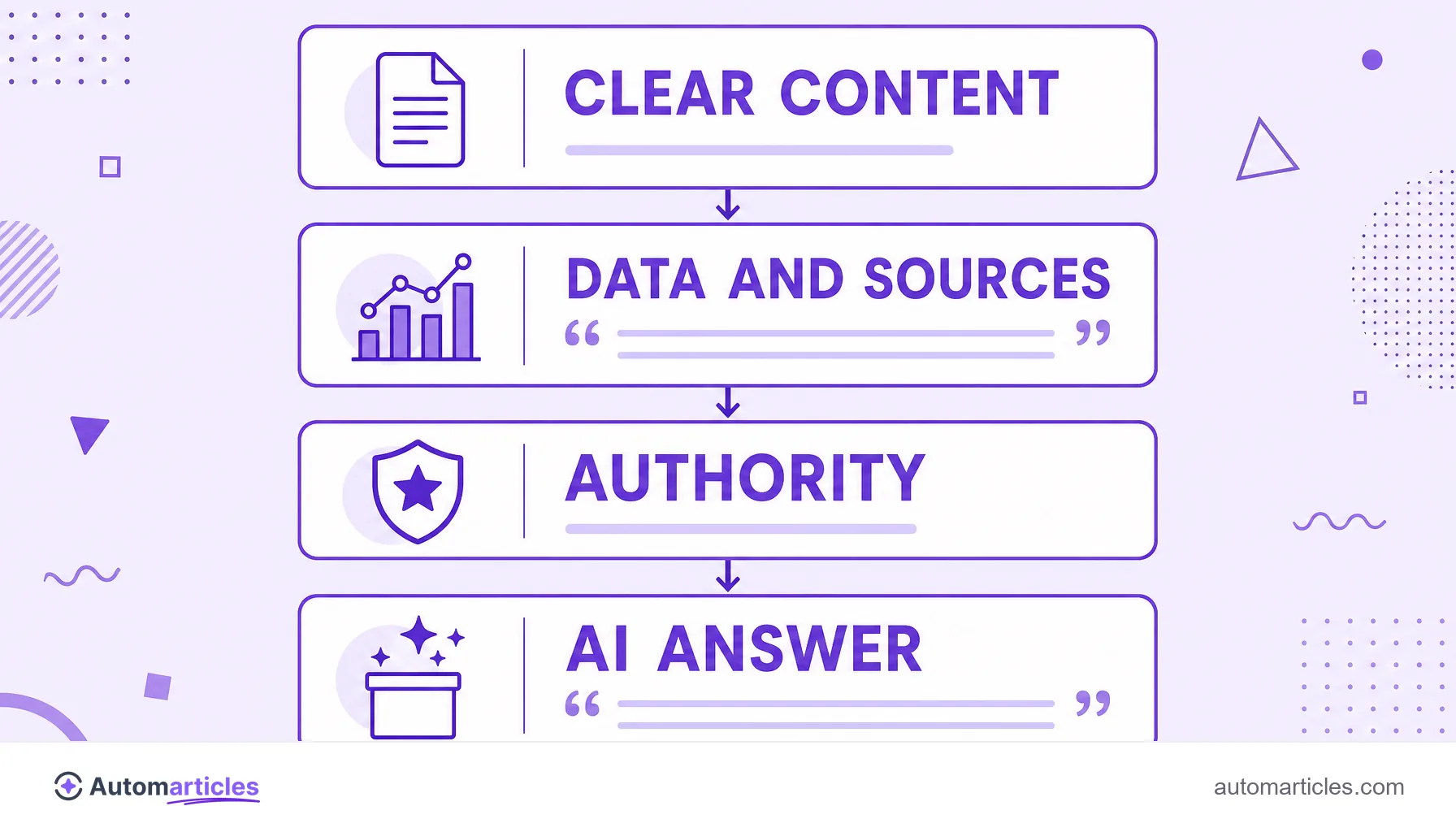
- answering questions in a direct, objective way;
- including data, sources and trustworthy citations;
- structuring the text in a clear, scannable way;
- reinforcing the brand's authority on the topic.
What GEO (Generative Engine Optimization) is
GEO is short for Generative Engine Optimization. It is the discipline that adapts content so it can be understood, cited and reused by artificial intelligence search engines, such as Google's AI Overviews, ChatGPT, Perplexity and Gemini.
The logic changes compared to traditional search. In classic search engines, the goal is to rank among the ten blue links. In generative engines, the answer comes ready, assembled by the AI from several sources. GEO works to make your page one of those sources, increasing the chance the brand is mentioned inside the answer.
That is why GEO usually walks alongside the broader concept of optimizing for generative engines and is seen as the natural evolution of SEO for a scenario where part of the searches ends without a click.
GEO and SEO: what is the difference
GEO does not replace SEO, it builds on it. The difference is in where the content goes and the format of the answer:
| Aspect | SEO | GEO |
|---|---|---|
| Goal | Rank among the links | Be cited in the AI answer |
| Result | List of pages | Single generated text |
| Metric | Position and clicks | Mentions and citations |
| Focus | Keyword and relevance | Clarity, data and authority |
In practice, whoever already does good SEO starts ahead in GEO: clear, well-structured and trustworthy content is exactly what the models prefer to cite. The difference is that, in GEO, success is not measured only by clicks, but by the brand's presence inside the generated answers, something tracked through AI visibility metrics.
How optimization for generative engines works
Generative engines read many pages, extract useful snippets and assemble an answer in natural language, usually citing a few sources. GEO aims to increase the probability that your content is one of those chosen snippets.
There is evidence that this can be worked on. The study that coined the term, conducted by researchers from Princeton and presented at the KDD 2024 conference, showed that Generative Engine Optimization techniques can increase a content's visibility in AI-generated answers by up to 40%. The highest-impact tactics were adding statistics, adding citations and referencing trustworthy sources.
This shift gains urgency with zero-click search. A study by the Pew Research Center showed that, when there is an AI summary on the page, users click on a link in only 8% of visits. If the answer already solves the question, being cited inside it becomes as valuable as ranking.
How to apply GEO in practice
Optimizing for generative engines is, to a large extent, writing in a way the AI can understand and trust. A good starting point:
- Answer directly: open each section with an objective answer to the question, easy to extract.
- Use data and citations: numbers with a named source increase the chance of citation, as the Princeton study showed.
- Structure the content: clear headings, lists and structured data help the AI interpret the page.
- Reinforce authority: E-E-A-T signals (experience, expertise, authoritativeness and trust) weigh on the choice of sources.
- Cover the topic in depth: answering the neighboring questions too increases relevance in the model's eyes.
Notice that none of this contradicts good SEO. GEO just shifts the focus from the click to the citation, demanding answers that are even clearer and more trustworthy.
GEO, AEO and SEO: how the acronyms fit together
The vocabulary of AI optimization grew fast and the acronyms get mixed up. It is worth separating them:
- SEO: optimization for traditional search engines and their links.
- GEO: optimization to be cited in the answers of generative search engines.
- AEO (Answer Engine Optimization): optimization to become the direct answer in assistants and answer boxes.
In practice, GEO and answer engine optimization overlap a lot, and many people use the terms as synonyms. What matters is the shared idea: with AI mediating search, being the chosen source matters as much as holding the first position.

Does GEO have other meanings? A note on the acronym
A heads up for anyone searching. The acronym GEO has other popular uses that have nothing to do with marketing. It often appears as an abbreviation of geography and, in Brazil, names school management platforms and teaching systems called GEO.
In this glossary, however, GEO always means Generative Engine Optimization, the concept tied to SEO and to optimization for artificial intelligence. Whenever you find the acronym in a context of content, search or digital marketing, this is the GEO being referred to.