
Generative Engine Optimization (GEO): what it is and how to be cited in AI search
By Tiago CostaUpdated on July 2, 2026
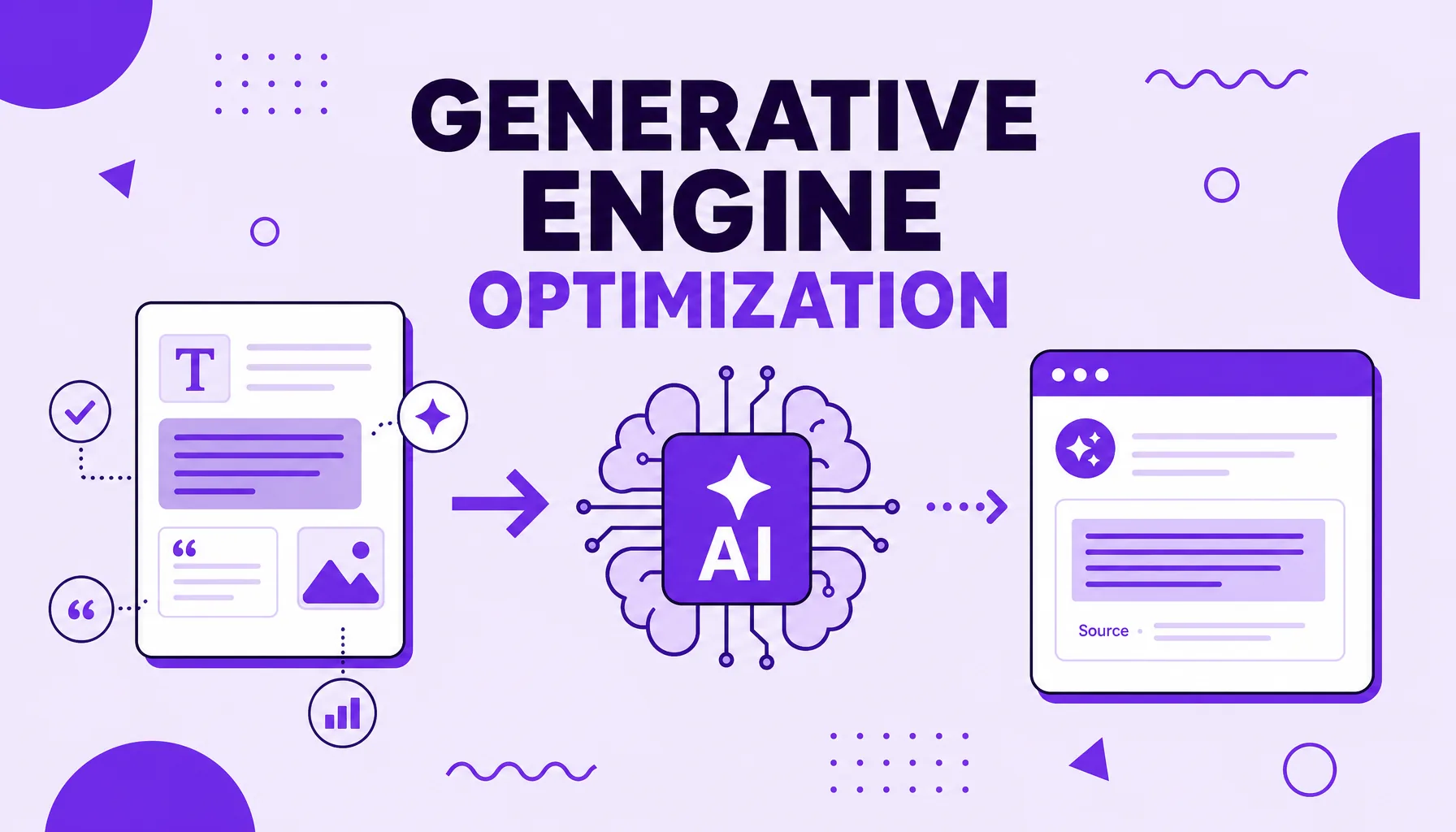
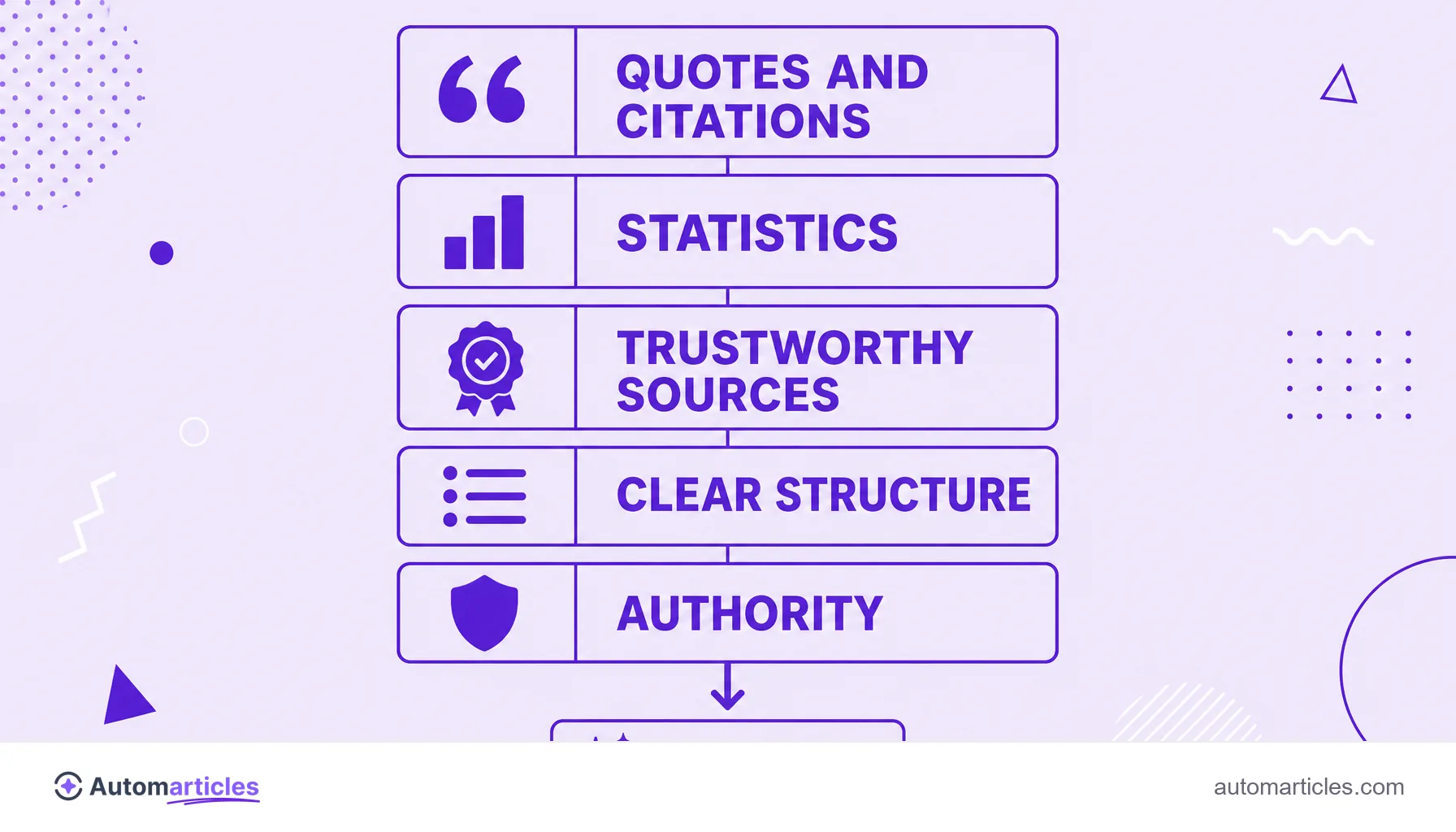
Generative Engine Optimization (GEO) is optimizing content to be cited by AI search engines. In practice, it combines:
- direct answers that are easy to extract;
- statistics, citations and trustworthy sources;
- clear structure, with headings and lists;
- signals of authority and brand reputation.
What Generative Engine Optimization is
Generative Engine Optimization, or optimization for generative engines, is the set of practices that increases the chance of a piece of content being used and mentioned in answers generated by artificial intelligence. It is the full name behind the acronym GEO, the short term you find in most texts on the subject.
The difference from traditional search is in the format of the answer. In a classic search engine, the user gets a list of links and decides where to click. In a generative engine, the AI reads many pages and returns a single text, citing a few sources. GEO works to make your page one of those cited sources.
That is why the concept usually appears alongside generative search and neighboring acronyms like AEO and SEO, all revolving around the same shift: AI now mediates a large share of searches.
Where the term Generative Engine Optimization came from
The term was born in academia. It was coined in a study presented at the KDD 2024 conference, with authors from Princeton, Georgia Tech, the Allen Institute for AI and IIT Delhi, who tested ways to increase a content's presence inside AI answers.
The results were encouraging. According to the original Generative Engine Optimization paper, specific techniques raised a content's visibility by up to 40% in generated answers. The highest-impact tactics were adding statistics, including citations and referencing trustworthy sources.
The topic gained urgency with the change in search behavior. Gartner projected that traditional search volume should drop around 25% by 2026, as AI assistants and chatbots absorb part of the queries. If fewer people type into the search box, being cited inside the AI answer becomes worth gold.
GEO, SEO and AEO: how the acronyms fit together
The vocabulary of optimization grew fast and the acronyms get confused. It is worth separating each one:
| Acronym | Focus | Goal |
|---|---|---|
| SEO | Traditional search engines | Rank among the links |
| GEO | Generative engines | Be cited in the generated answer |
| AEO | Answer engines and assistants | Become the direct answer |
In practice, GEO and answer engine optimization overlap a lot. What matters is the shared idea: good SEO remains the foundation, and GEO adds a layer of clarity, data and authority aimed at the way models read and reuse content.
Generative Engine Optimization strategies
Optimizing for generative engines is, to a large extent, writing in a way the AI can extract and trust. The strategies with the best return, according to the study that created the term, were exactly the ones that reinforce credibility:
- Answer directly: open each section with an objective answer, easy to lift as a citation.
- Include statistics and data: numbers with a named source increase the chance of the snippet being used.
- Cite trustworthy sources: references and expert quotes raise the perception of authority.
- Structure with structured data: clear headings, lists and markup help the AI interpret the page.
- Reinforce E-E-A-T: experience, expertise, authoritativeness and trust weigh on the choice of sources.
Notice that none of this fights with good SEO. GEO just shifts part of the focus from the click to the AI citation, demanding answers that are even clearer and more verifiable.
How to measure GEO visibility
Unlike SEO, GEO success is not measured only by position and clicks, but by the brand's presence inside the generated answers. A few indicators help track this:
- AI visibility: how often the brand appears in answers from ChatGPT, Perplexity and the like.
- AI share of voice: how much of the answer space you occupy versus competitors.
- Brand mentions: when the model cites your name, even without a link.
AI monitoring tools already track these signals by running the same questions across several models and recording who gets cited. It is the generative world's equivalent of tracking keyword position in traditional SEO.

How generative engines access your content
To cite a page, the model first needs to be able to read it. Much of AI search uses its own crawlers, such as OpenAI's OAI-SearchBot, the PerplexityBot and Anthropic's ClaudeBot.
Making sure these agents can reach the content is the technical foundation of GEO. Some sites now also publish an llms.txt file, designed to guide language models on what is most relevant. There is no point in having the best answer if the AI crawler never even reaches it.