
Google Core Update: what it is and how it works
By Tiago CostaUpdated on July 2, 2026
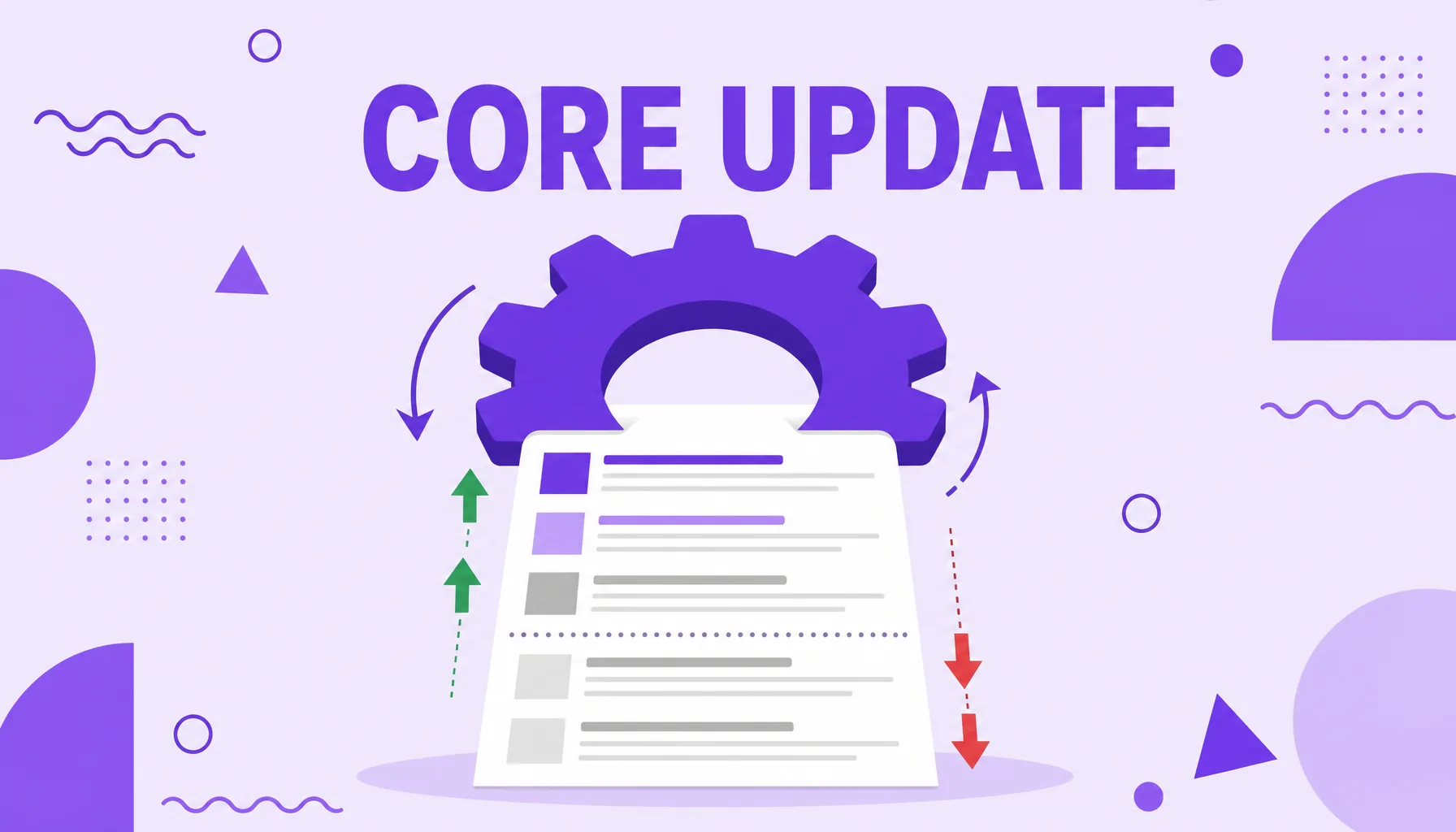
A core update is a major change to Google's core algorithm, rolled out a few times a year. In practice, it:
- reassesses the quality and relevance of pages across the web;
- reshuffles the results of many niches at the same time;
- is not a penalty, but a new way of scoring content;
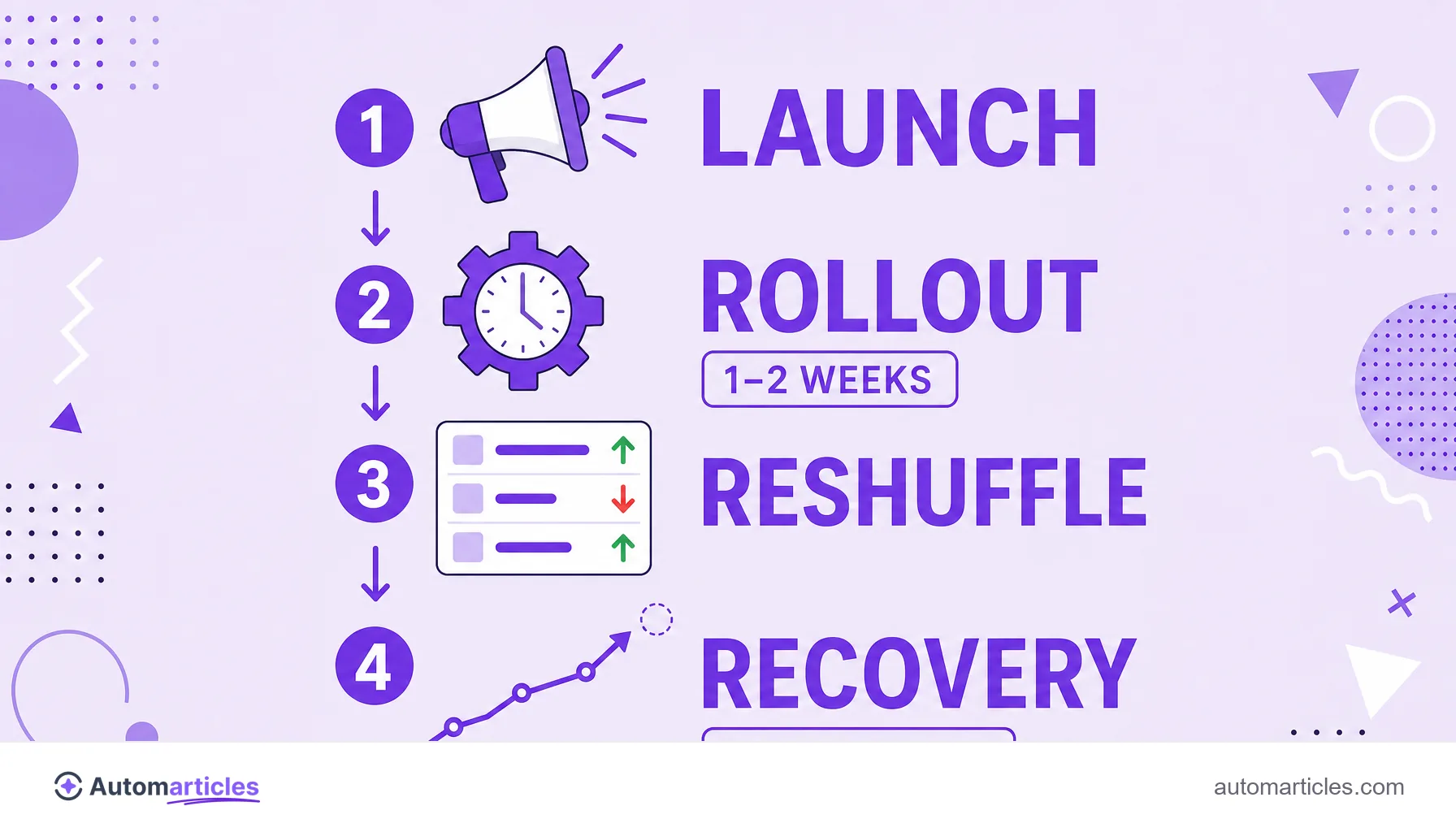
- usually takes one to two weeks to finish rolling out.
What a Google core update is
A core update, or main update, is a broad revision Google makes to its core ranking systems. Instead of touching a single isolated detail, the search engine recalibrates how it judges whether a page is useful, trustworthy and relevant for each search. The effect shows up all at once across many sectors.
The point that confuses many people is that the affected site often did nothing wrong. A page can drop simply because Google started considering other pages better answers for that query. It is a reshuffle of the scoreboard, not a fine applied to your domain.
These rollouts are publicly confirmed by Google and named by month and year, such as the March 2026 Core Update. Each one reopens the race for positions and can heavily change the amount of organic traffic a site gets from search.
Why Google runs broad algorithm updates
The stated goal of a core update is simple: to improve the average quality of the results. The web changes all the time, new content appears, search habits evolve and manipulation tactics emerge. Main updates exist so the search engine can keep up with that movement and keep delivering the best answers.
In practice, a core update tends to reward pages that show real experience, depth and trustworthiness, the signals Google sums up in the acronym E-E-A-T (experience, expertise, authoritativeness and trust). Shallow content, produced only to rank, usually loses ground.
It is worth separating two types of rollout. A core update reassesses the overall quality of content, while a spam update specifically targets pages that break the guidelines with manipulative practices. Both can shake the ranking, but for different reasons.
Core update and other updates: the differences
Not every change at Google is a core update. Understanding the type of update helps you diagnose what happened to your site:
| Type | What it does |
|---|---|
| Core update | Broadly reassesses the quality and relevance of content across the web. |
| Spam update | The spam update reinforces the antispam systems against pages that break the guidelines. |
| Specific system update | Adjusts a single signal, such as product reviews or helpful content. |
| Continuous tweak | Small daily changes Google makes without announcing them. |
The practical difference is big. After a spam update, recovery means removing the practice that broke the rules. After a core update, there is no infraction to fix: the path is to raise the quality of the content until it becomes the best answer again.
How to know if a core update affected you
The first sign is usually a drop (or a jump) in traffic that lines up with the rollout date. So the first thing to do is compare the dates of the swings with the calendar of updates Google has confirmed.
Core updates tend to move the ranking a lot. According to Semrush Sensor data, the March 2026 core update recorded a peak volatility of 9.5 out of 10, and around 24% of the pages that were in the top 10 fell out of the top 100. In other words, big reshuffles are expected during these periods.
To investigate calmly, use the Google Search Console and look at which pages and queries lost position. If the drop is concentrated in one type of content, that already points to what to improve. If it came together with a technical error, check whether the cause is something else, such as pages that turned into soft 404s and stopped being indexed.
How to recover from a core update
There is no undo button for a core update. Google itself advises that recovery comes from improving content consistently, and the result usually shows up only in the following core update. A routine that works:
- Do not panic or revert everything: rushed changes can make things worse.
- Run an honest content audit: ask whether each page really delivers the best answer for the search.
- Reinforce E-E-A-T signals: clear authorship, sources, data and genuine experience with the topic.
- Cut or improve shallow content: thin, repetitive pages weigh against the whole site.
- Mind the intent: rewrite texts that do not match what the person expects to find.
Recovering from a core update is a marathon, not a sprint. The quality work done today tends to be recognized in the next major update, not the next day.

How to prepare for the next core update
The best defense against a core update is building a site that already plays by the quality rules, all the time. Those who do this usually come out ahead when the dust settles, because the search engine starts rewarding exactly the kind of content they already publish.
In practice, that means producing deep, original material, with clear authorship and sources, covering a topic with topical authority instead of loose texts, and keeping the technical base in order so everything gets crawled and indexed. It is also worth watching performance reports closely to react quickly to any swing.
In short: do not treat the core update as a surprise event every few months, but as a constant reminder that useful, trustworthy content is what sustains rankings over the long term.