
Organic traffic: what it is and how to attract more visitors
By Tiago CostaUpdated on July 2, 2026
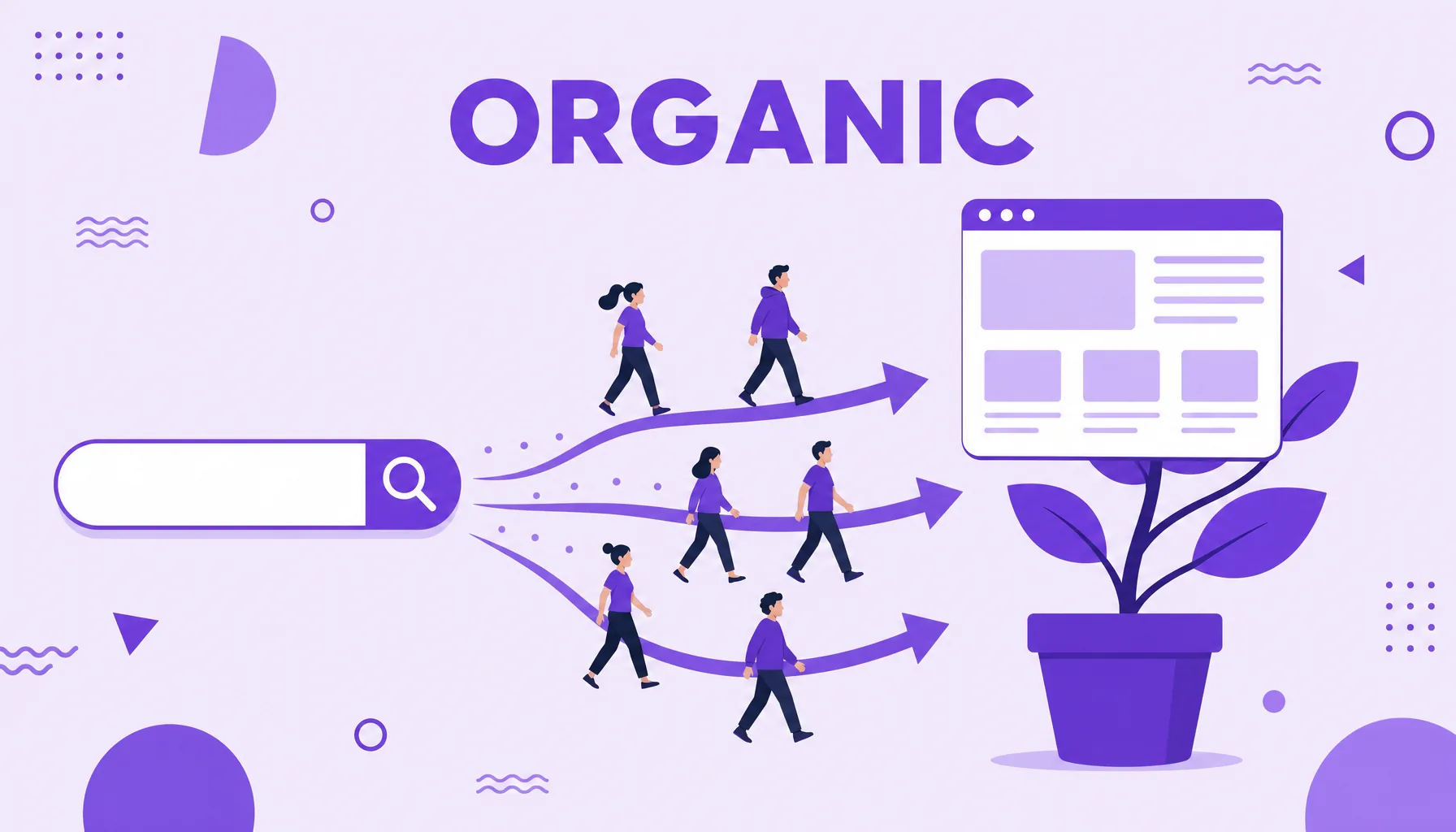
Organic traffic is the visit that reaches a site through the unpaid results of a search engine, with no ad in between. It usually comes from:
- search results on Google and Bing;
- content optimized with SEO (articles, guides, pages);
- keywords that answer the user's question;
- links and authority that raise the position on the SERP.
What organic traffic is
Organic traffic is every visitor who reaches your site through an unpaid result of a search engine. The person types a question into Google, clicks one of the links in the list and lands on your content, without you paying anything for that click.
This is the opposite of paid traffic, where the visit comes from an ad. In organic, the spot on the SERP is earned with relevance: the search engine understands that your page answers the query well and shows it to whoever is looking.
Because it does not depend on paid media, organic traffic works like an asset. A well ranked article can attract visits every day, for months or years, with no extra cost per visitor.
Organic traffic and paid traffic: what is the difference
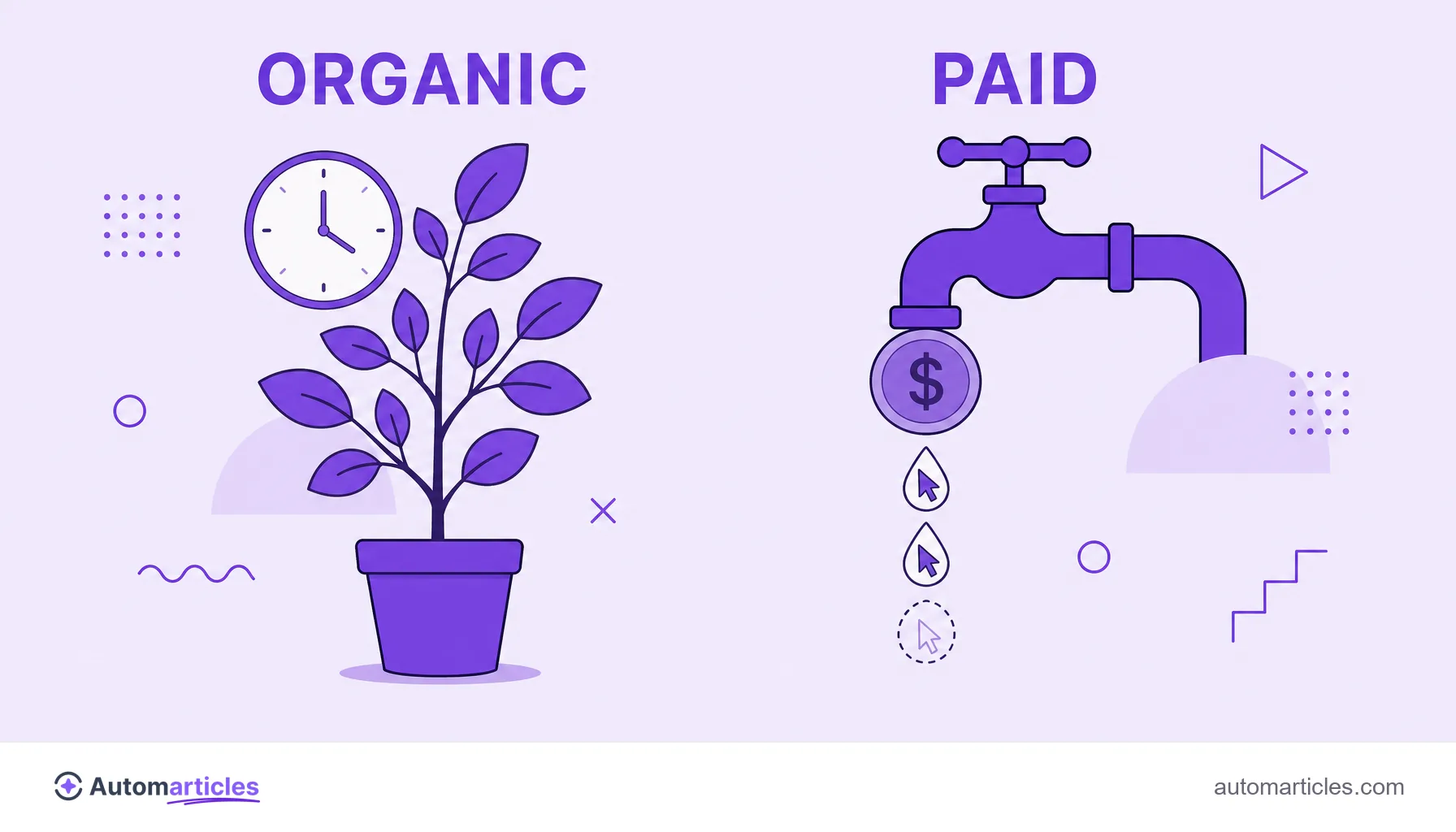
Organic and paid are two ways to bring people to a site, with quite different logics. The table sums it up:
| Aspect | Organic traffic | Paid traffic |
|---|---|---|
| Cost per click | Zero | You pay for each click |
| Time to results | Weeks to months | Immediate |
| Durability | Lasts after the effort | Stops when the budget ends |
| Basis | SEO and content | Ads (Google Ads, social) |
The two complement each other, but the weight of organic is huge. According to research by BrightEdge, organic search accounts for around 53% of all traffic on the analyzed sites, far above any other channel. In other words, ignoring organic means giving up the largest source of visits on the web. If you want to go deeper, it is worth comparing with paid traffic in detail.
What are the main types of traffic
Beyond organic, a digital operation usually measures other acquisition channels. The four big types are:
- Organic traffic: visits from the unpaid results of search engines.
- Direct traffic: those who type the site address or use a bookmark.
- Paid traffic: visits coming from ads, such as paid traffic from Google Ads and social networks.
- Referral traffic: clicks on links from other sites that point to yours.
Many reports still separate social traffic (social networks) and email traffic. But in almost every business, organic is the channel that scales the most without raising the cost per visit in the same proportion.
Why investing in organic traffic is worth it
Organic traffic has a compounding effect that is rare in marketing. Each piece of content that ranks becomes a permanent entry door, attracting visits without you paying for them again. It is the engine of evergreen content, which keeps paying off long after it is published.
The trade off is that it demands consistency and technique. A study by Ahrefs shows that around 96.55% of pages receive zero traffic from Google, almost always because they have no backlinks, do not target the right intent or were not built to rank. Doing the basics well already puts you ahead of most.
The result, when the method is followed, is predictability: a steady flow of qualified visitors looking for exactly what you offer.
How to build organic traffic step by step
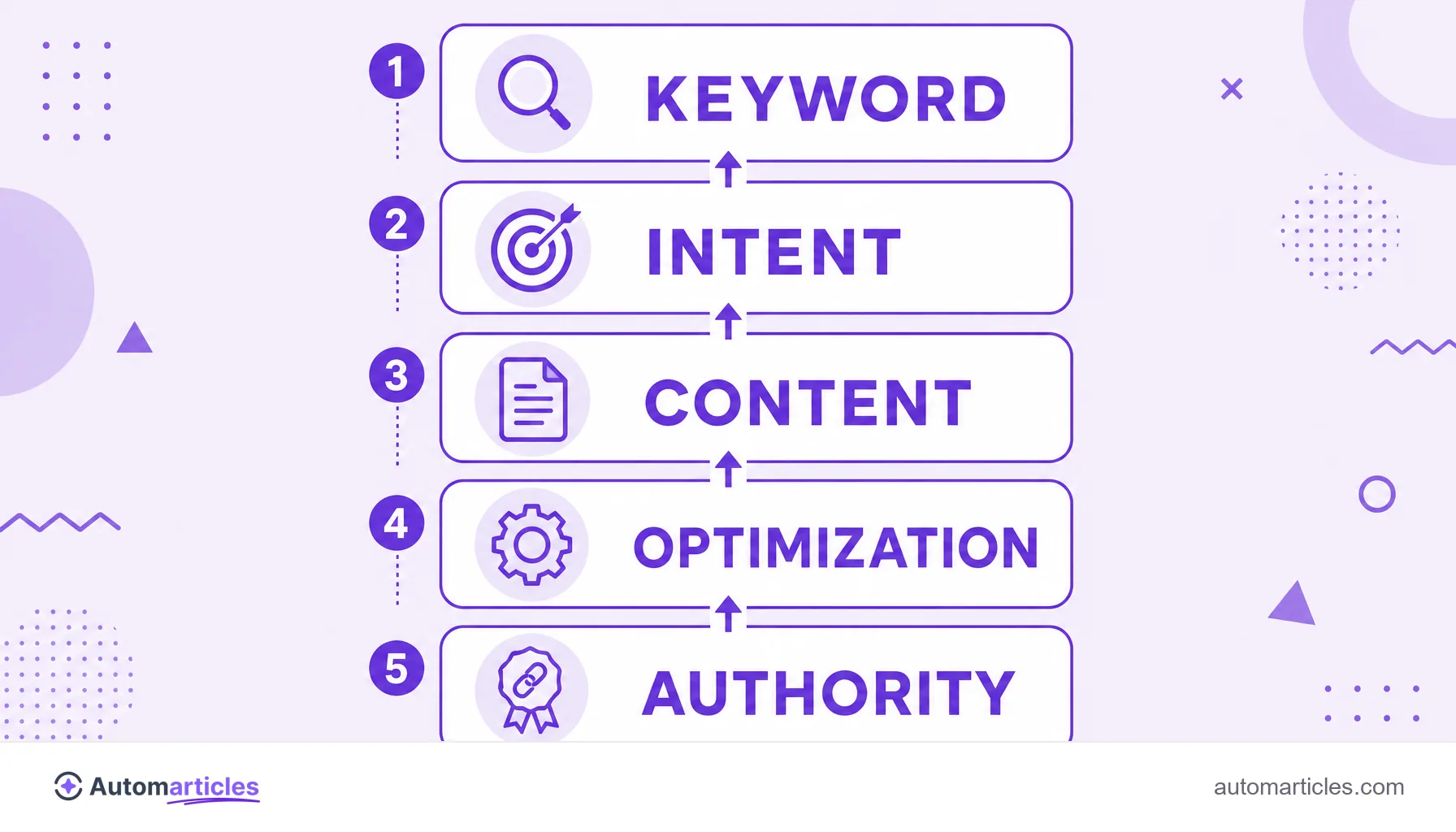
Building organic traffic follows a sequence that repeats with each piece of content:
- Do keyword research: discover what the audience searches for with solid keyword research.
- Understand the intent: analyze the search intent behind the term and deliver the format it asks for.
- Produce content better than the top: answer the question with depth, examples and clarity.
- Optimize the page: take care of the title, headings, images and the technical SEO basics (speed, indexing).
- Earn authority: gain mentions and links with honest link building.
There is no magic shortcut. Organic traffic grows by accumulation: the more useful, well optimized content you publish, the larger the site's surface in search.
Can you make money with organic traffic
Yes, and it is one of the most profitable models precisely because it has no cost per click. The key is turning the visit into a result. Organic traffic alone is attention; the money comes from what happens after the click.
The most common paths are selling your own product or service, earning commission as an affiliate, showing advertising or capturing contacts to nurture and convert. For that, the visitor arriving from search needs to find a well built content funnel that takes them from the question to the decision.
Directing that audience to a landing page focused on a single action is usually the step that closes the deal and turns traffic into revenue.