
LLMO (Large Language Model Optimization): what it is and how to make AI recommend your brand
By Tiago CostaUpdated on July 2, 2026
LLMO (Large Language Model Optimization) is optimizing content so AI models cite and recommend your brand. In practice, it:
- answers questions in a clear, objective way;
- reinforces the brand with data, sources and authority;
- structures the content for the machine to extract;
- aims at citation and recommendation, not just the click.
What LLMO (Large Language Model Optimization) is
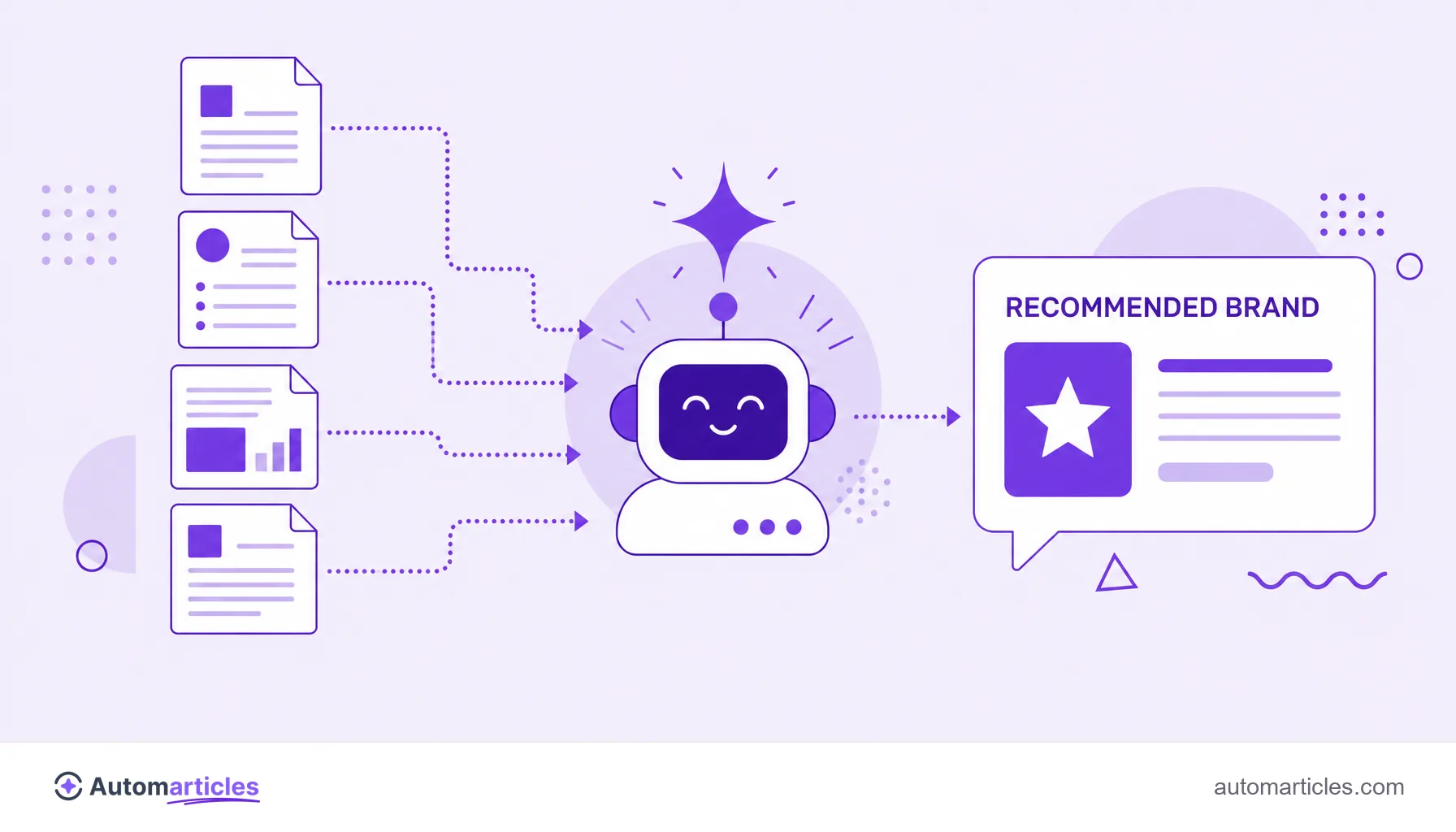
LLMO stands for Large Language Model Optimization. It is the practice of preparing content so AI models like ChatGPT, Gemini, Claude and Perplexity understand, trust and cite your brand when they generate an answer.
The shift in mindset is the central point. In classic search, the goal is to rank and win the click. In LLMO, the goal is to be the source the model chooses to build the answer, and even better, the brand it recommends when someone asks "what is the best tool for X".
In practice, LLMO is a facet of optimization for generative engines. While SEO handles position in search engines, LLMO handles presence inside the text generated by AI, a territory that grows fast as more people swap the search box for a conversation with an assistant.
LLMO vs LLM: what is the difference
It is easy to confuse the two acronyms, but they name different things:
- LLM (Large Language Model): it is the AI model itself, the engine trained on huge volumes of text that generates answers in natural language. ChatGPT, Gemini and Claude run on LLMs.
- LLMO (Large Language Model Optimization): it is the work of optimizing your content for those models, so they cite and recommend your brand.
An analogy helps: the LLM is the search engine, and LLMO is the SEO of that search engine. Just as you do not control Google's algorithm but optimize for it, in LLMO you do not change the model, you adjust the content to increase the chance of being used by it.
LLMO, GEO and AEO: the same movement with different names
The vocabulary of AI optimization grew fast, and several terms coexist pointing at almost the same idea:
- LLMO: focuses on large language models and on being recommended by them.
- GEO (Generative Engine Optimization): focuses on being cited in the answers of generative search engines.
- AEO (Answer Engine Optimization): focuses on becoming the direct answer in assistants and answer boxes.
In practice, LLMO, GEO and answer engine optimization overlap so much that many people use the terms as synonyms. What matters is the shared logic: with AI mediating discovery, being the chosen source is worth as much as holding the first position.
How to do LLMO in practice
Optimizing for language models is, to a large extent, writing in a way the AI can understand and trust. A good starting point:
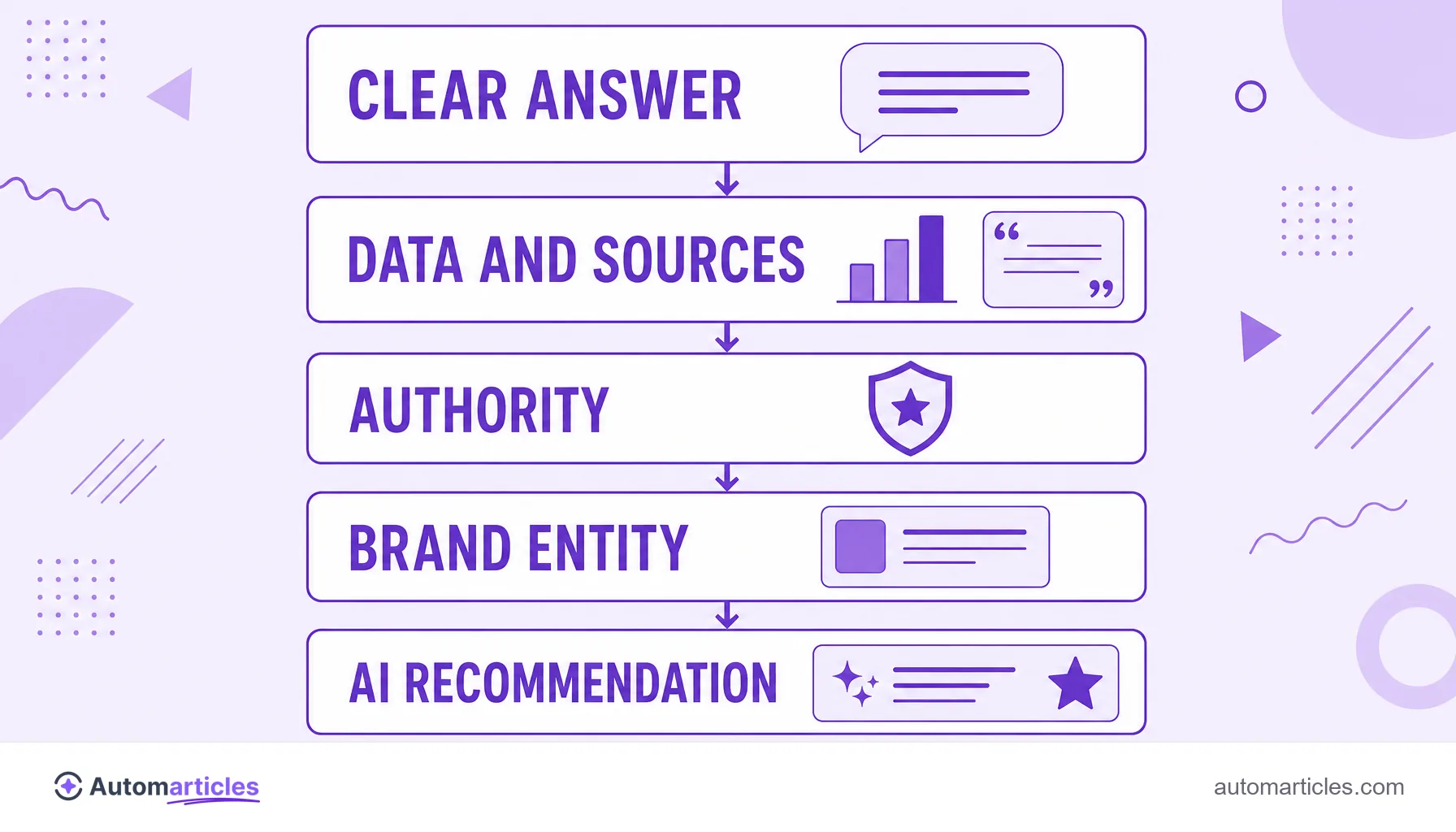
- Answer directly: open each section with an objective answer, easy to extract and reuse.
- Use data and citations: numbers with a named source greatly increase the chance of citation.
- Structure the content: clear headings, lists and structured data help the model interpret the page.
- Prove authority: E-E-A-T signals (experience, expertise, authoritativeness and trust) weigh on the choice of sources.
- Reinforce the brand entity: be consistent about who your company is across every channel, so the model associates your name with the topic.
There is evidence that this works. The study that coined the concept of optimization for generative AI, conducted by researchers from Princeton, showed that optimization techniques can increase visibility by up to 40% in generated answers. The highest-impact tactics were adding statistics, adding citations and referencing trustworthy sources.
How to measure LLMO results
Measuring LLMO is harder than measuring clicks, because much of the value happens inside the AI answer, without a visit to the site. Even so, you can track clear signals:
- AI citation: test questions from your niche in ChatGPT, Gemini and Perplexity and see if your brand appears as a source. That is the basis of AI citation.
- AI visibility: AI visibility tools monitor how often you are mentioned in answers.
- Share of voice in AI: the share of voice in AI shows your slice of mentions compared to competitors.
- Referral traffic: watch the visits that come from AI assistants when they link the cited source.
The goal changed in a subtle but important way: beyond counting clicks, you now track how much your brand becomes the answer and the recommendation people trust.
LLM in programming and other uses of the acronym
The acronym LLM appears in contexts that have nothing to do with marketing, and it is worth separating them to avoid confusion:
- LLM in programming: it is the language model integrated into software, usually via API, to generate text, summarize or answer inside a product.
- LLM course (Master of Laws): in law, LLM is the acronym of a master's degree in law, a completely different meaning from the AI model.
- ChatGPT's LLM: it is the model behind the assistant, that is, the engine that generates the answers you read on screen.
In this glossary, whenever we mention LLMO we are talking about optimizing content for large language models, the strategy that makes AI cite and recommend your brand.