
GEO and AI in search
Optimization for AI engines and generative search.
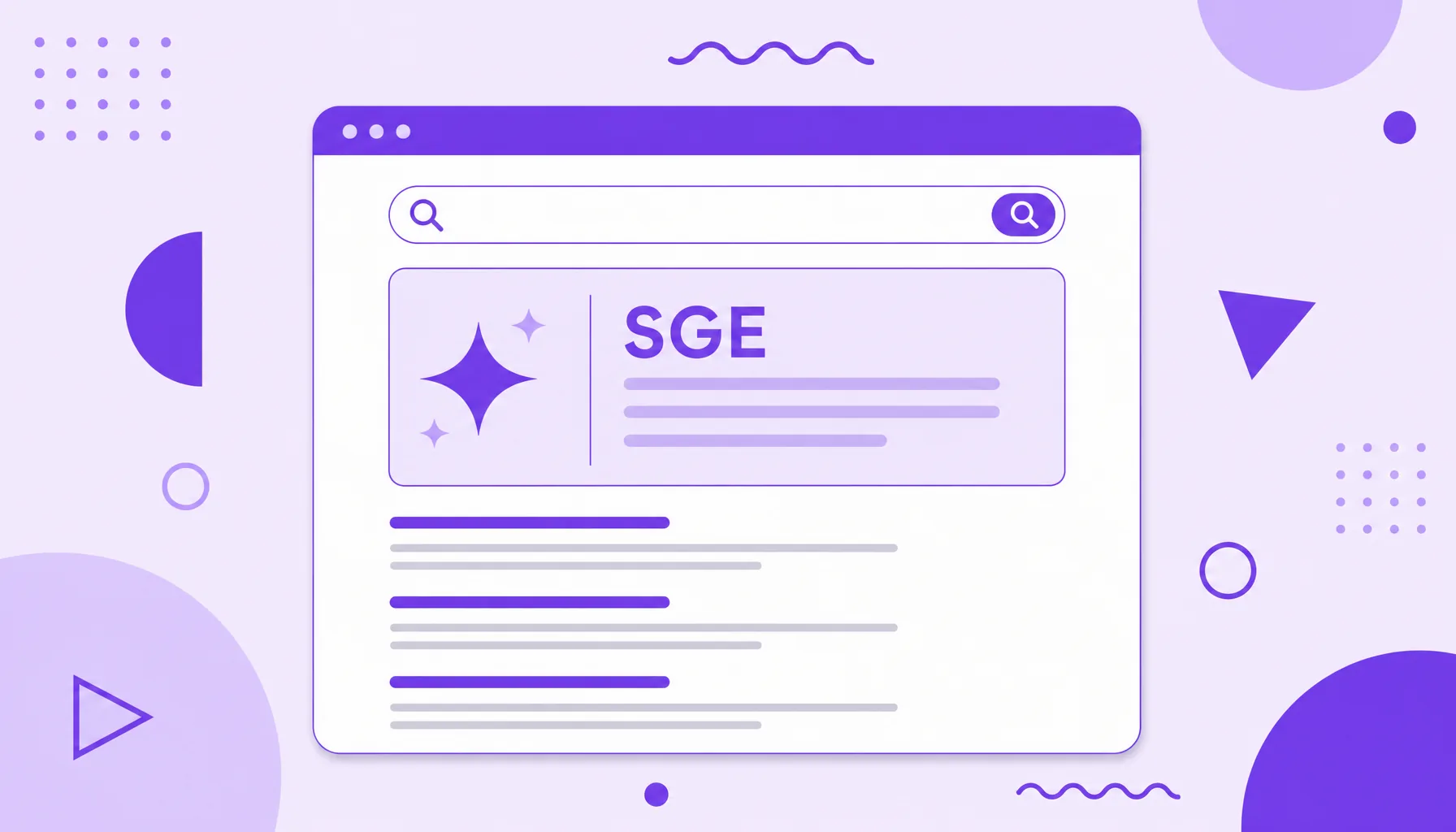
SGE
SGE (Search Generative Experience) was the name of Google's experiment that brought answers generated by artificial intelligence to the top of the results page. Launched in 2023 inside Search Labs, the feature stayed in a testing phase and, in 2024, left the lab and became AI Overviews, the AI summaries that now appear in a good share of searches. In practice, SGE was the seed of the generative search Google uses today.
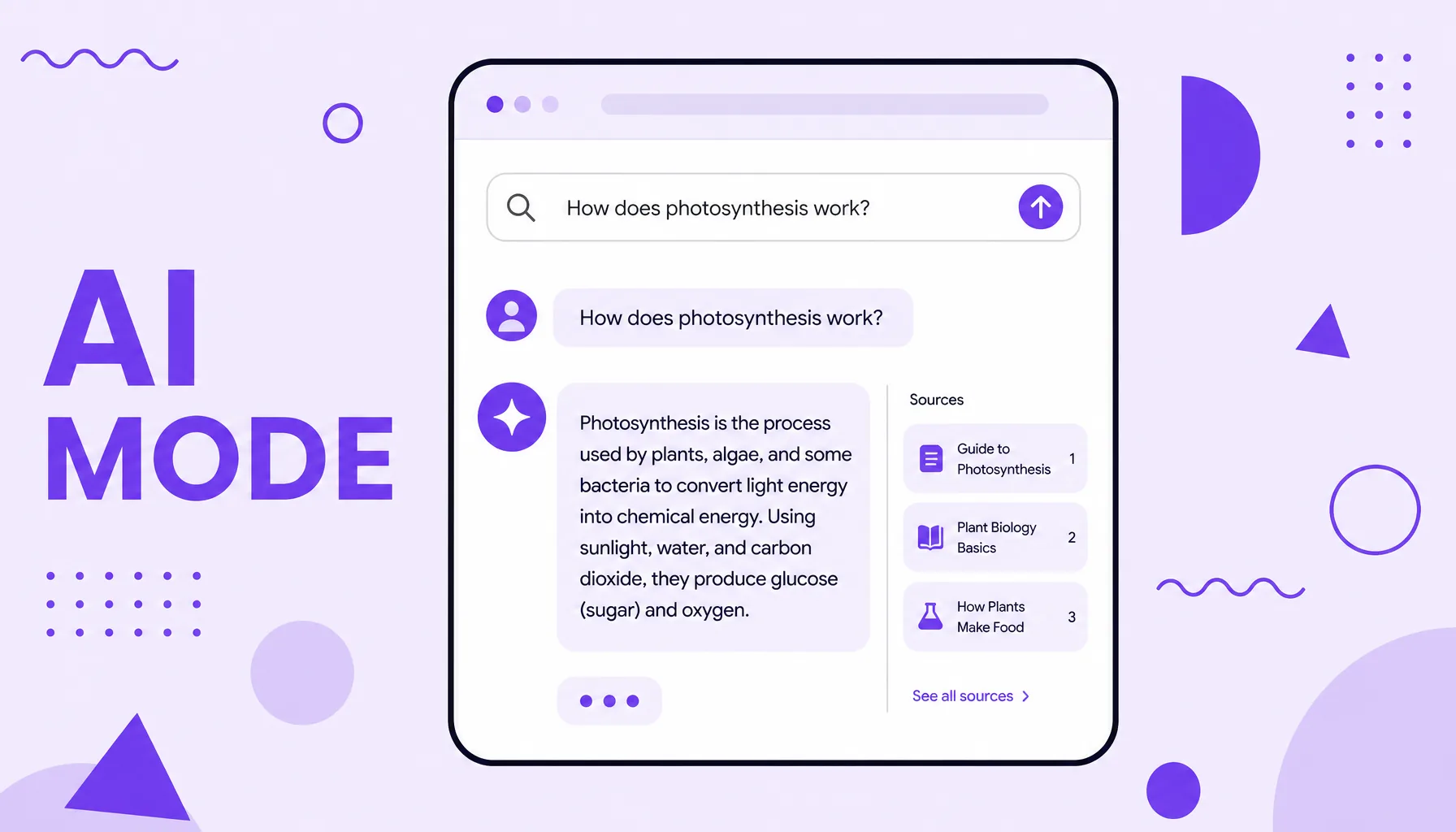
AI Mode
AI Mode is Google's conversational search mode powered by artificial intelligence, in which the search engine delivers a generated answer instead of just a list of blue links. Built on the Gemini model, it accepts long and follow up questions, assembles the answer from several sources and cites a few links, bringing the search experience closer to a conversation with an assistant.
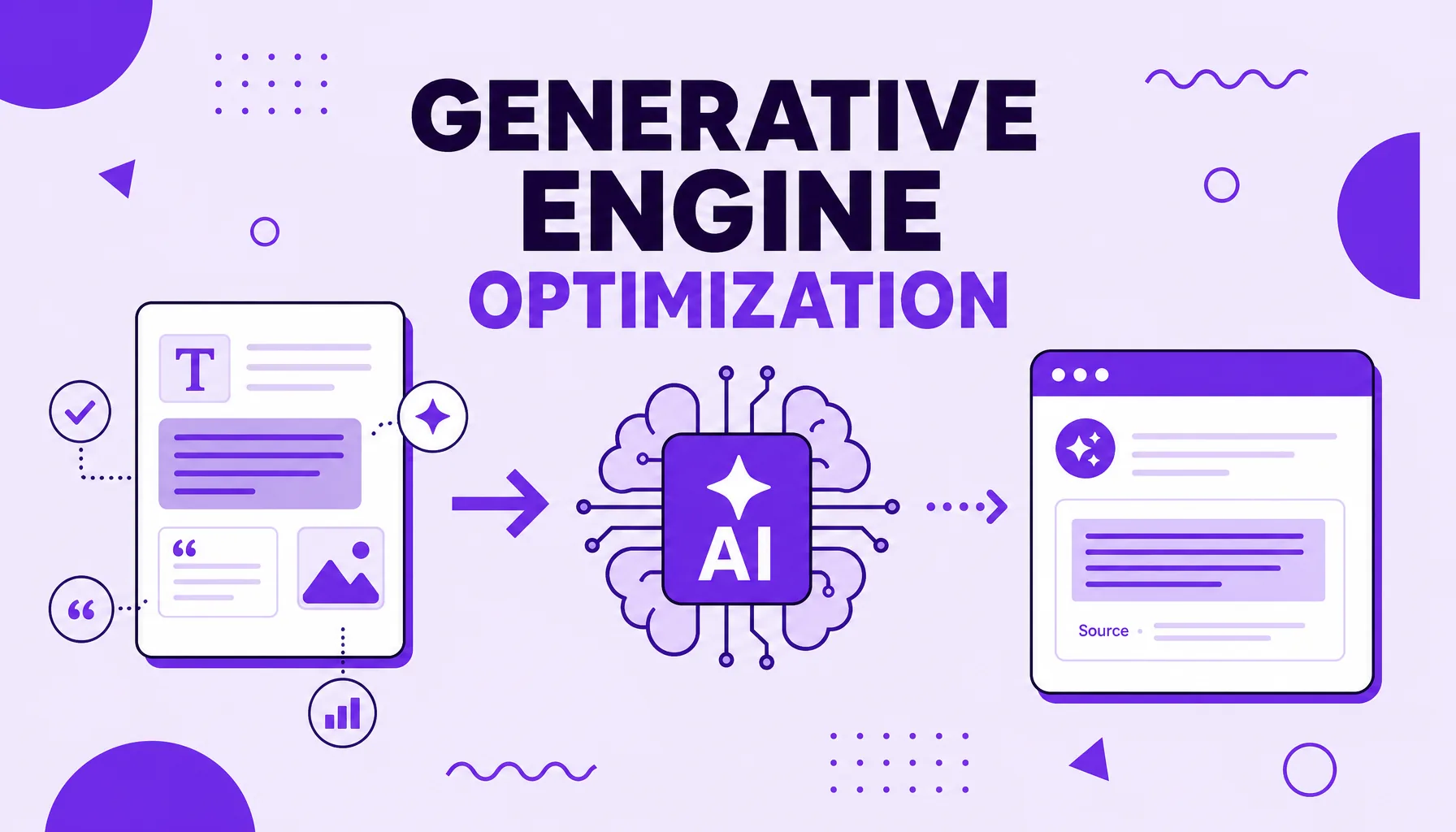
Generative engine optimization
Generative Engine Optimization (GEO), or optimization for generative engines, is the practice of adjusting a site's content so it is read, understood and cited by artificial intelligence search engines, such as ChatGPT, Perplexity, Gemini and Google's AI Overviews. Instead of aiming only for a position in the list of links, the goal is to become one of the sources the model uses to build the generated answer.
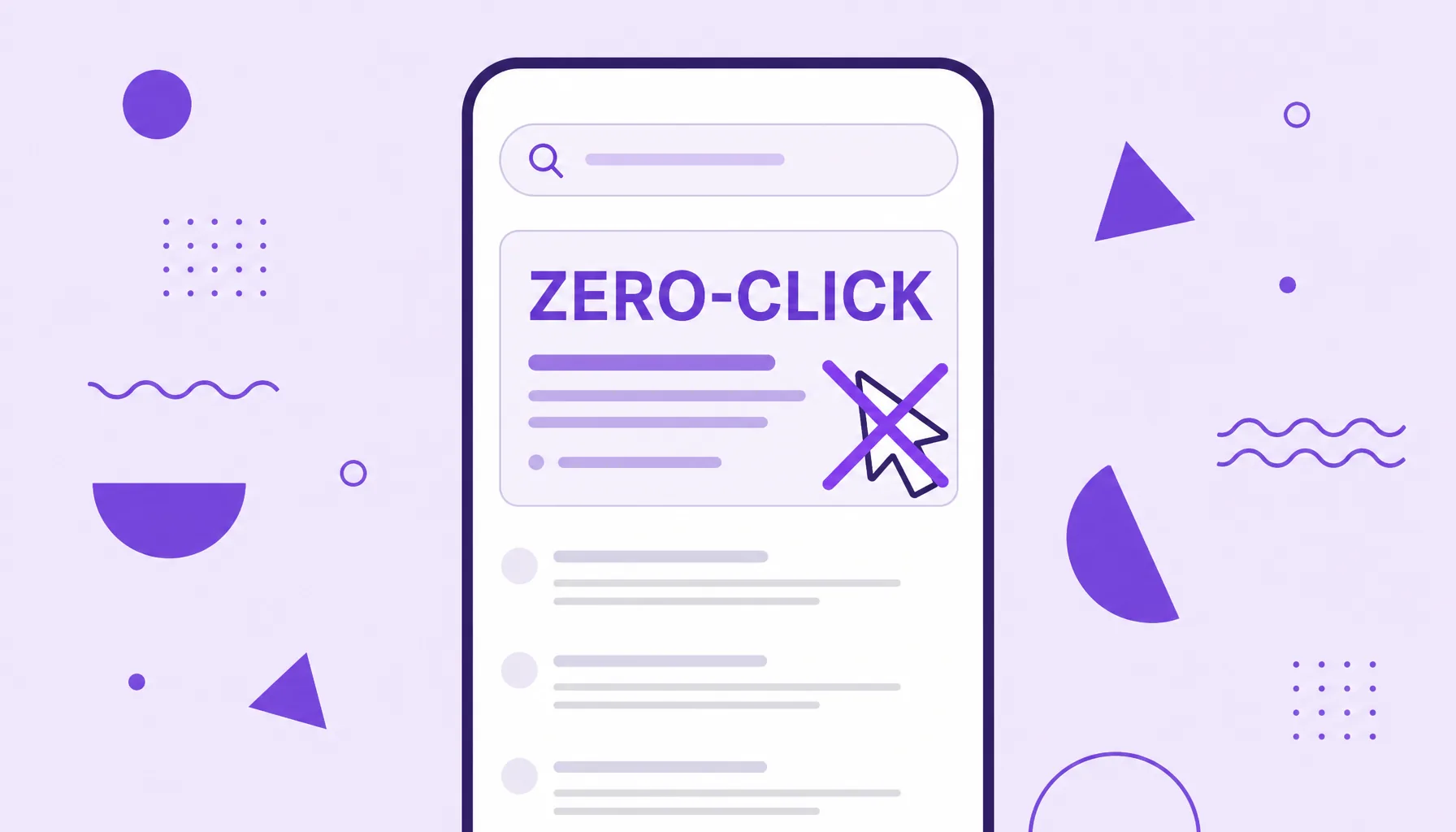
Zero-click
A zero-click search is a query that ends without the user clicking on any result, because the answer already appears on the search engine's own page or inside an AI generated summary. It became the norm for many searches as features like featured snippets, knowledge panels and AI Overviews answer the question right on the SERP. For content creators, the challenge stops being only about earning the click and starts being about appearing and getting cited inside those answers.
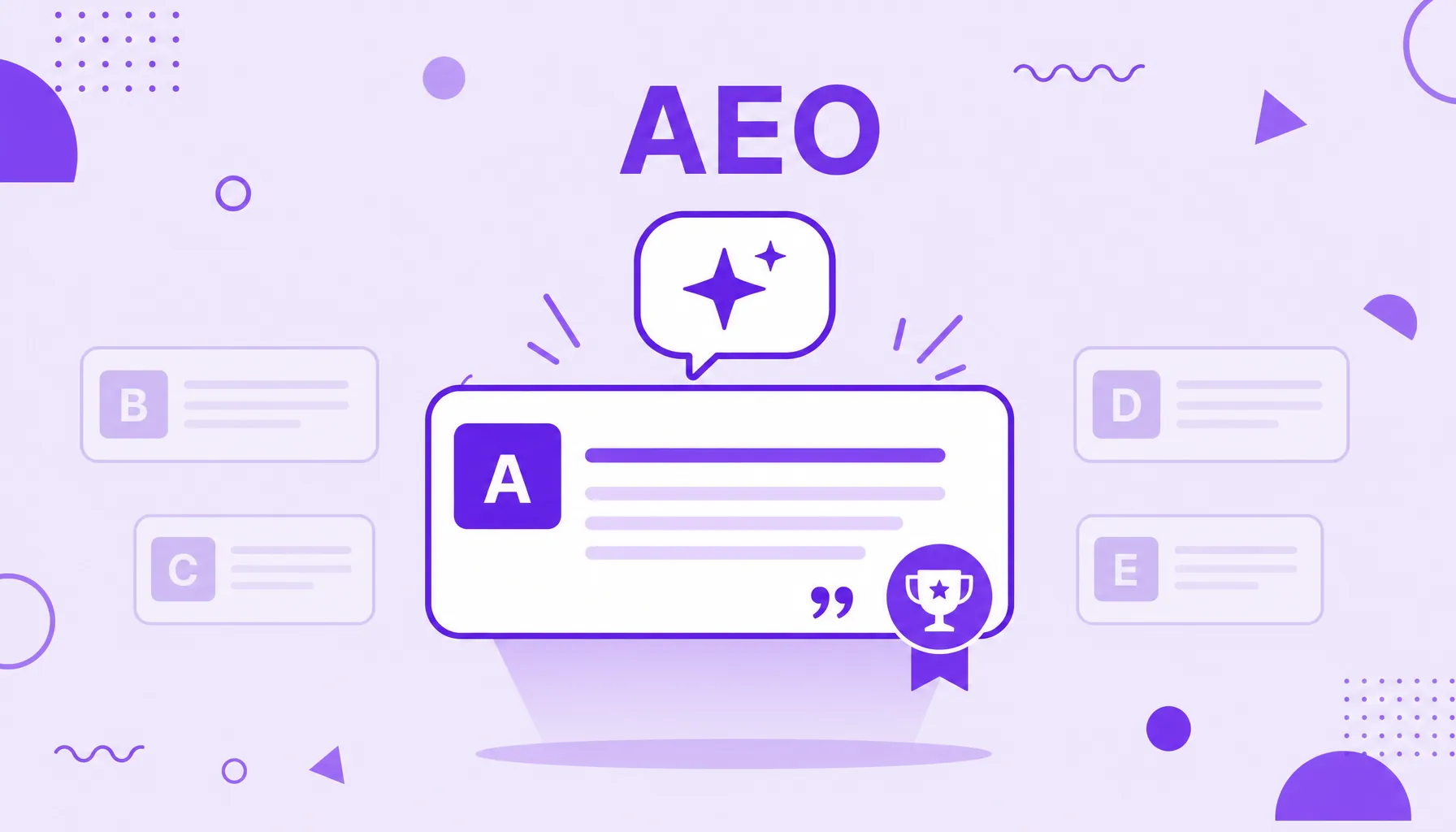
Answer engine optimization
Answer Engine Optimization (AEO) is the optimization of content so it gets selected as the direct answer an answer engine delivers to the user, instead of appearing only as a link in a list. Answer engines are systems like Google's AI Overviews, ChatGPT, Perplexity and voice assistants, which read several sources and return a single ready made answer. AEO works on structure, clarity and authority so your brand becomes the source chosen and cited in that answer.
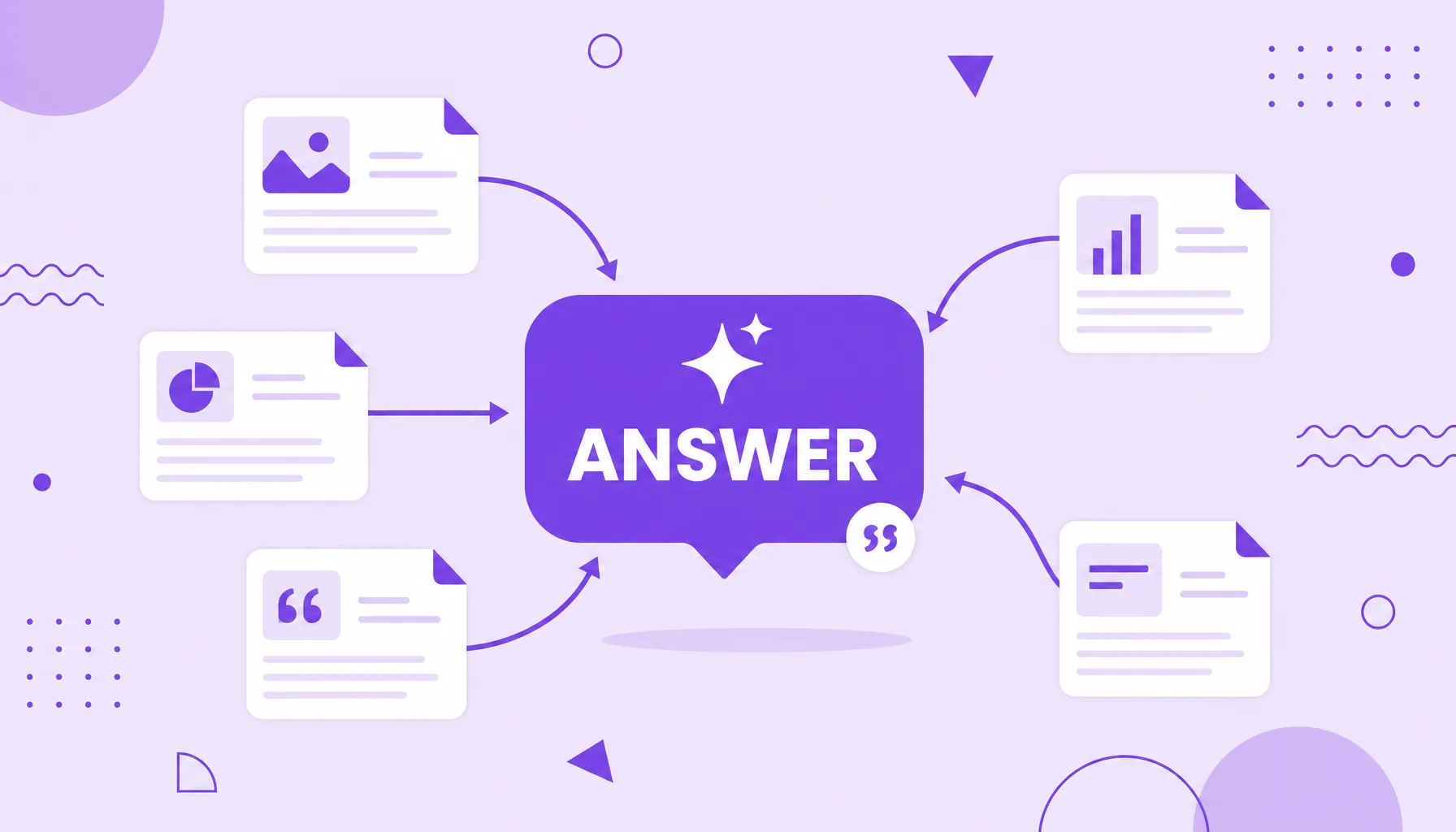
Answer engine
An answer engine is any search system that returns a direct, already synthesized answer instead of a list of blue links. Rather than making the person click through several results, it reads multiple sources, summarizes them and delivers the ready answer right there. This category includes Google's AI Overviews, AI assistants such as ChatGPT, Perplexity and Gemini, voice assistants and even traditional featured snippets. It is the shift that makes SEO evolve toward becoming a cited source, not just a clicked link.
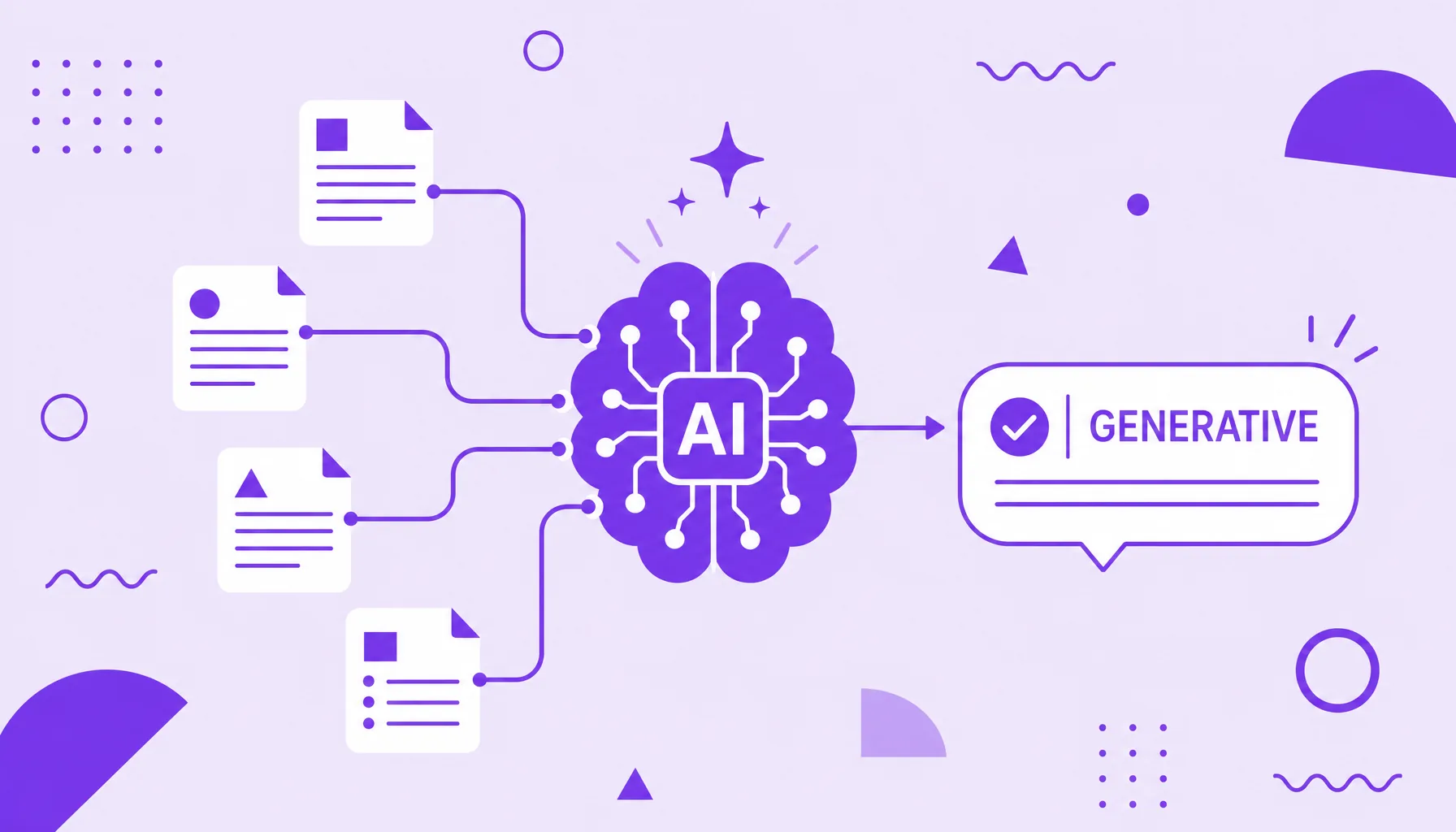
Generative search
Generative search is the type of search in which artificial intelligence generates an original answer, written on the spot from several sources, instead of just listing pages for the user to click. Rather than ten blue links, it delivers a text that summarizes, compares and connects information from different sites, usually with the sources cited. It is what happens in Google's AI Overviews and AI Mode, in ChatGPT with web access and in Perplexity, and it is the shift redesigning SEO toward optimizing for AI.
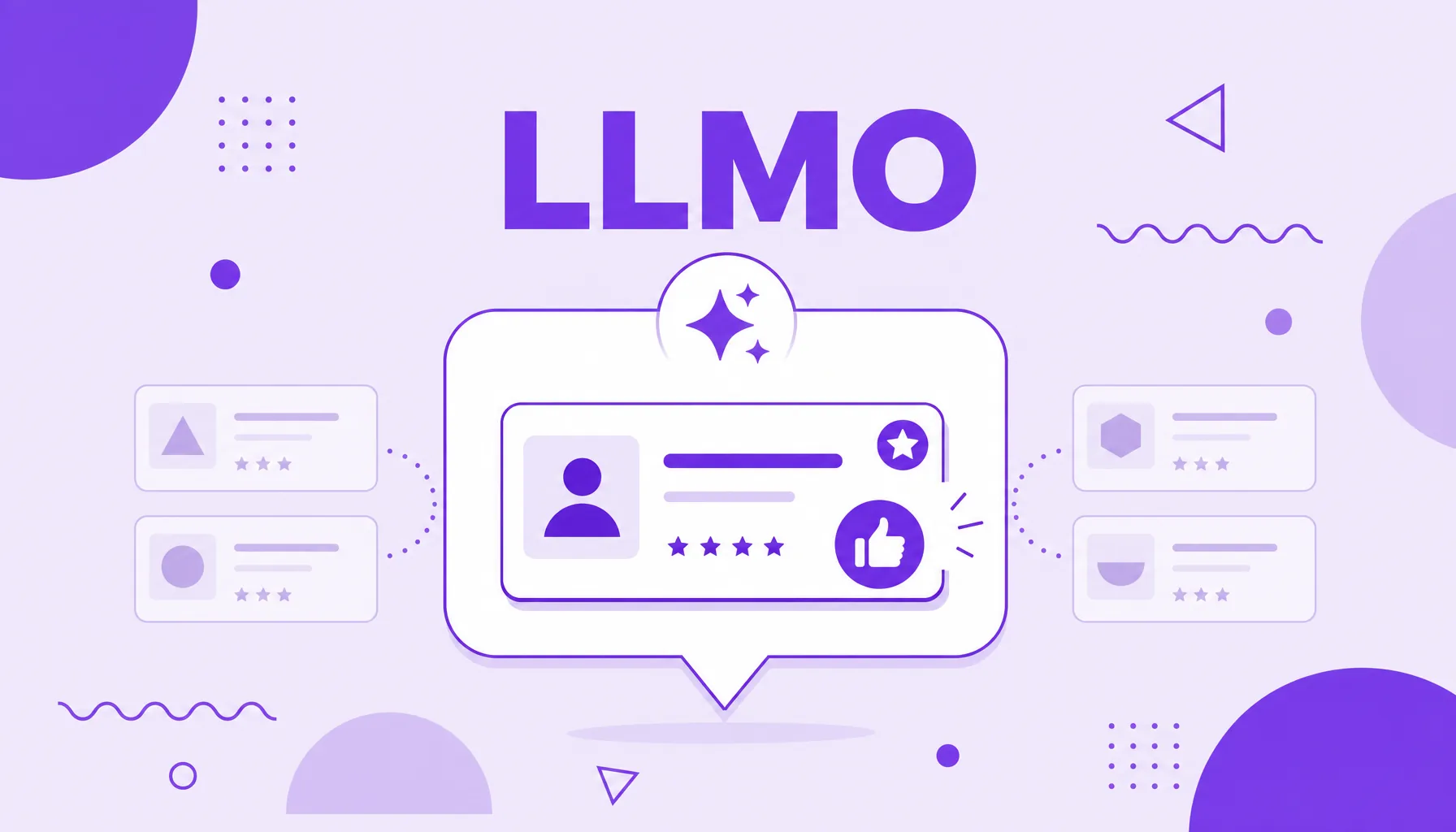
LLMO
LLMO, short for Large Language Model Optimization, is the set of practices that prepares your content to be cited, used and recommended by AI models such as ChatGPT, Gemini, Claude and Perplexity. Instead of aiming only at a position in traditional search, LLMO works to make the brand appear inside the answers these models generate when someone asks for a recommendation.

Share of voice in AI
Share of voice in AI is the slice of mentions a brand earns in the answers generated by artificial intelligence assistants, such as ChatGPT, Gemini, Perplexity and Google's AI Overviews, compared with competitors. It measures, across all the times the AI answers about a topic, in how many your brand appears, working as a thermometer of competitive presence in the new search territory.
AI visibility
AI visibility is the degree to which a brand or a piece of content shows up in the answers generated by artificial intelligence search engines, such as ChatGPT, Google's AI Overviews, Perplexity and Gemini. While classic SEO measures positions and clicks, AI visibility measures how often the AI mentions, cites or recommends your brand when answering people, even when nobody clicks a link.
Brand mention in AI
A brand mention in AI is the citation of a brand's name inside an answer generated by artificial intelligence, such as ChatGPT, Google's AI Overviews or Perplexity, with or without a link to the site. Unlike a backlink, which requires a clickable link, a brand mention counts simply because the name appears in the answer text, helping the brand be remembered, recommended and recognized as a reference on the topic.
AI citation
AI citation is the reference to a specific source that an artificial intelligence assistant, such as ChatGPT, Perplexity or Google's AI Overviews, lists as the origin of the answer it generated. In practice, it is your site appearing among the links or source notes the AI shows next to the text, crediting the content it used to answer. Being cited is one of the main goals of anyone optimizing content for AI search engines.
Llms.txt
llms.txt is a standardized text file, placed at the root of a website, that guides language models (LLMs) on which content to prioritize and how to use it. The proposal is to work like a kind of robots.txt for artificial intelligence: instead of letting the AI comb through the whole site, the file points, in a simple format, to the most important pages and a summary of what each one brings, making it easier for AI assistants and search engines to read.
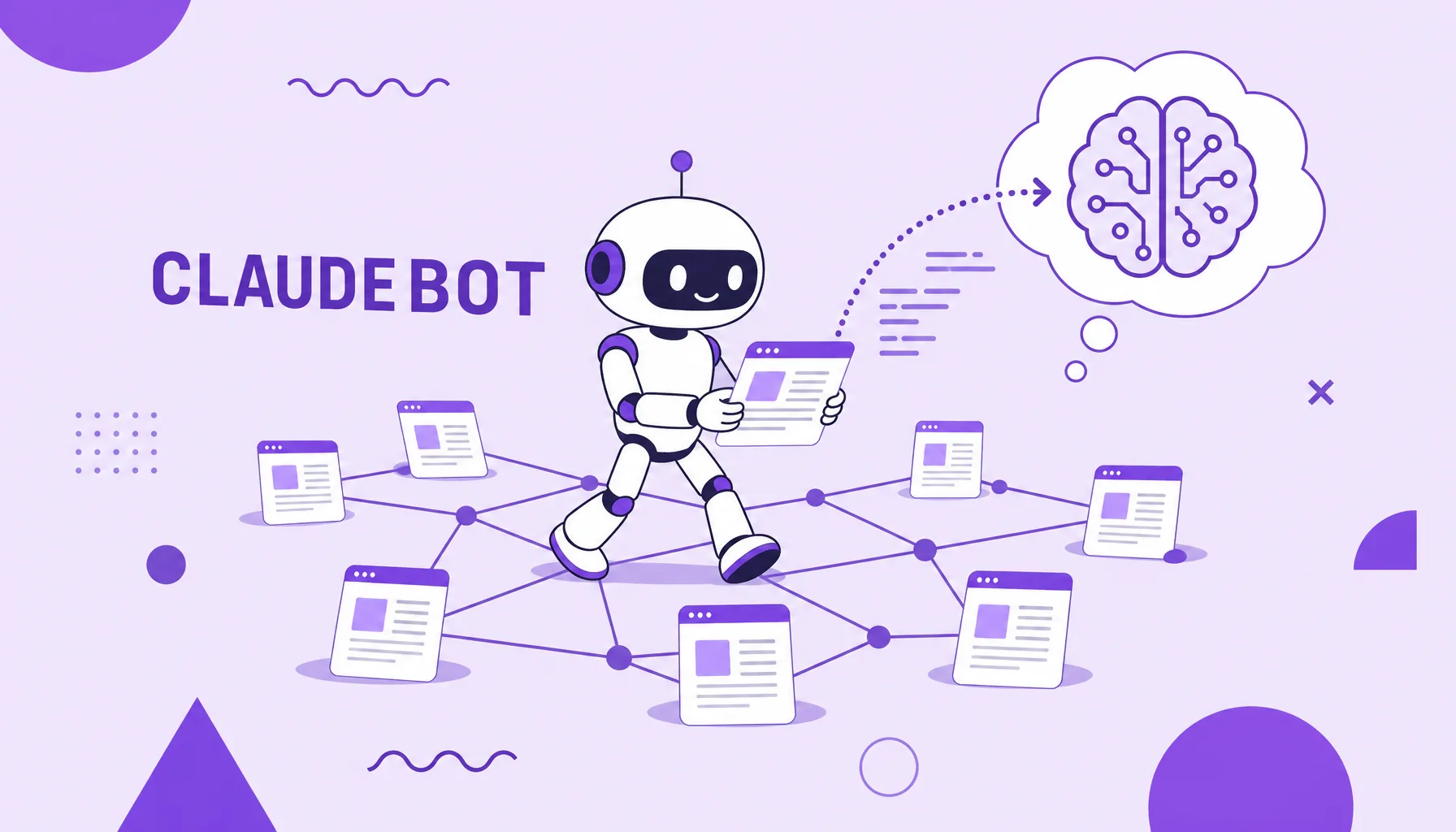
ClaudeBot
ClaudeBot is the crawler operated by Anthropic, the company behind the Claude AI assistant. It travels the public web to collect content that helps train and inform the Claude models. Just as Googlebot does for search, ClaudeBot identifies itself with its own user-agent, respects the robots.txt file and can be allowed or blocked by any site. Deciding what to do with it has become part of the strategy for anyone who does, or does not, want to appear in AI answers.
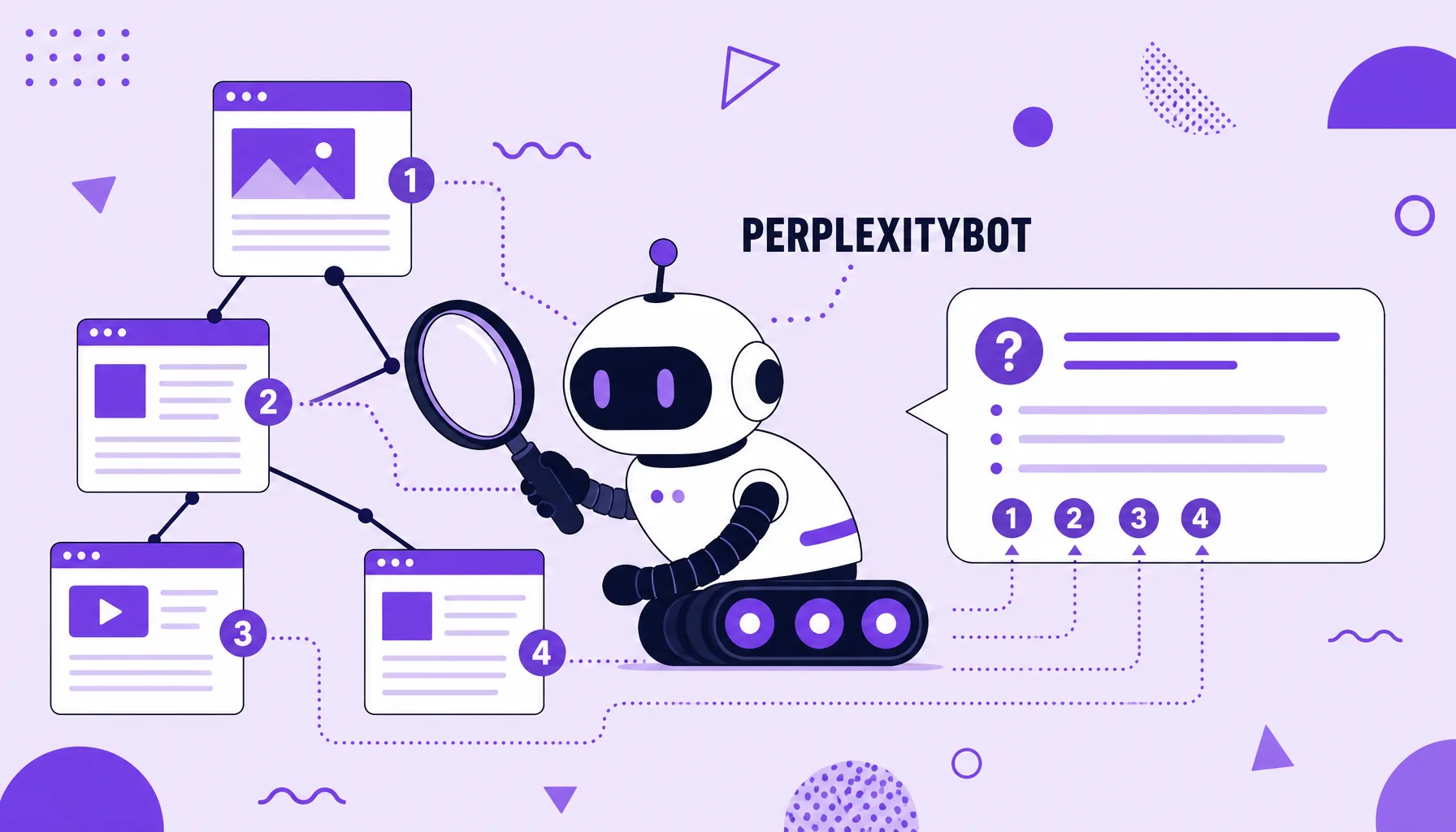
PerplexityBot
PerplexityBot is the crawler operated by Perplexity, the answer engine that blends search and AI to answer questions while citing sources. It visits public pages to build the index Perplexity queries when composing its answers. Unlike a pure training bot, PerplexityBot focuses on indexing current content and pointing back to the origins. It identifies itself with its own user-agent and, in theory, respects robots.txt, though Perplexity's crawling has already sparked controversy.
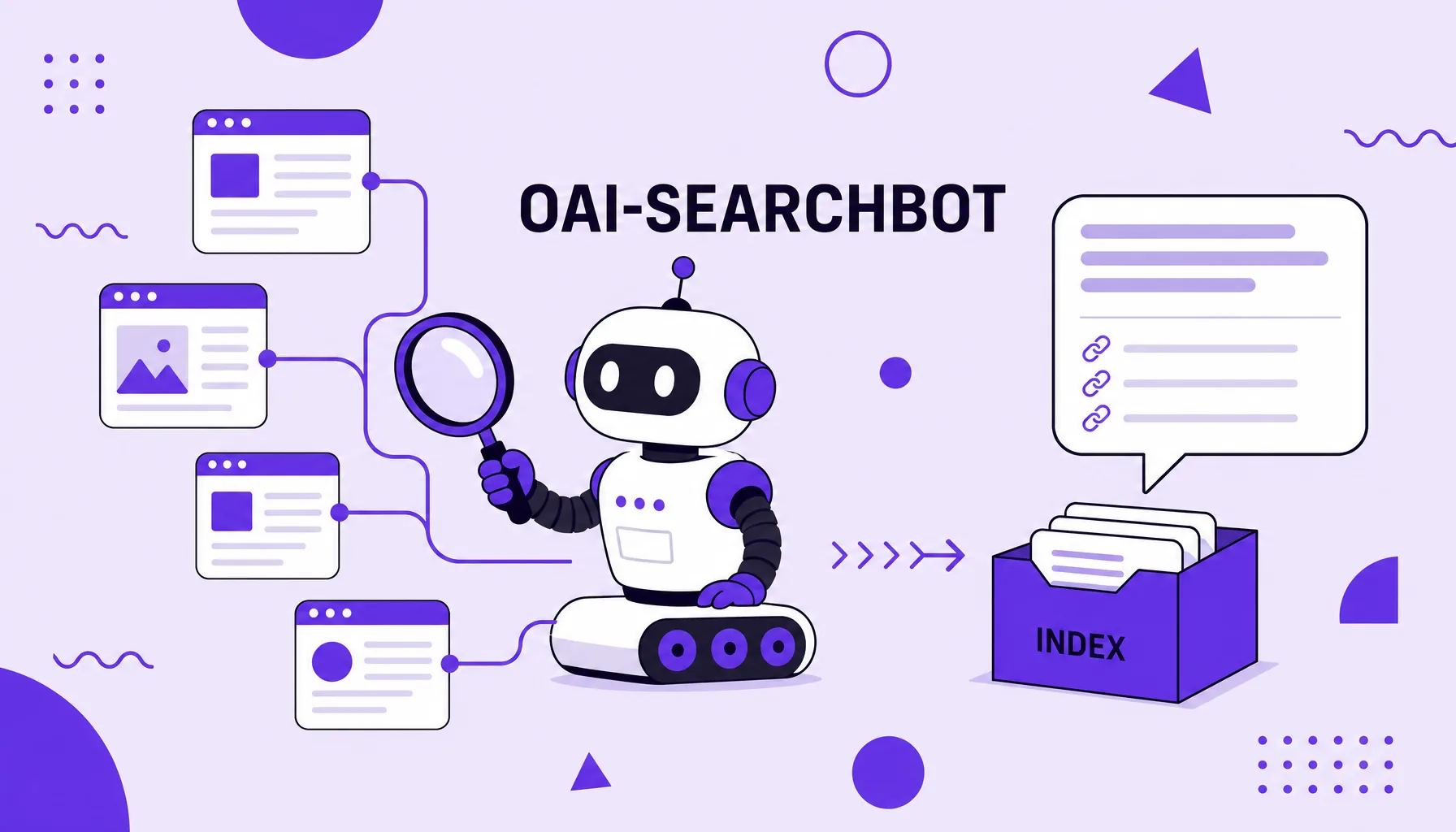
OAI-SearchBot
OAI-SearchBot is the crawler OpenAI uses to feed ChatGPT search, that is, to discover and index pages that can become a cited source in real time search answers. It is different from GPTBot, which collects content to train the models, and from ChatGPT-User, which acts when the user requests an action. Understanding this split is what lets you appear in ChatGPT search without necessarily allowing your content to be used for training.