
Dofollow link: what it is and why it matters for SEO
By Tiago CostaUpdated on July 2, 2026

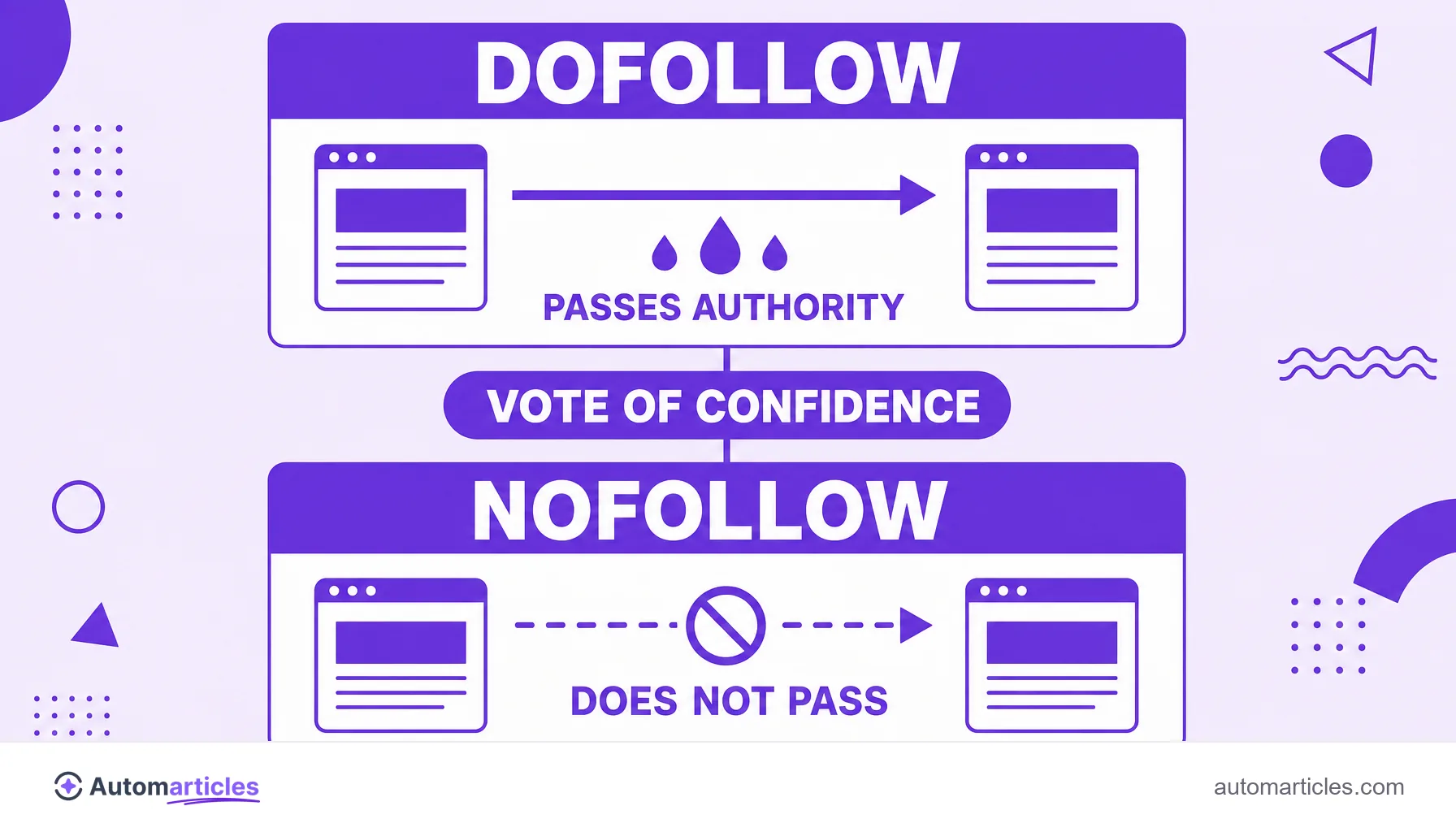
Dofollow is the common, unrestricted link that passes authority to the destination page. In practice, a dofollow link:
- is the default of any link, with no attribute needed;
- passes authority (link juice) to the linked site;
- works like a vote of confidence in Google's eyes;
- is the opposite of the nofollow link, which asks not to pass authority.
What a dofollow link is
A dofollow link is simply a normal link, with no special markup that restricts the flow of authority. When a site places a backlink pointing to you without the rel="nofollow" attribute, that link is dofollow by default and passes part of the source page's reputation to yours.
The name can be confusing, because there is no rel="dofollow" attribute written in the code. Dofollow is the absence of a restriction: a link written just as a href="/page" is already dofollow. Only when someone adds rel="nofollow", rel="sponsored" or rel="ugc" does the link stop passing authority freely.
That transfer of reputation is what SEO calls link juice, and it is the reason dofollow links sit at the center of any link building strategy.
Dofollow vs nofollow: what is the difference
The difference between the two boils down to one question: does the link pass authority or not? Compare:
| Criterion | Dofollow | Nofollow |
|---|---|---|
| Attribute in the code | None, it is the default | rel="nofollow", rel="sponsored" or rel="ugc" |
| Passes authority (link juice) | Yes, freely | No, or only as a hint since 2020 |
| Effect on ranking | Helps the destination page climb | Does not pass an SEO vote |
| Drives traffic and clicks | Yes | Yes |
| Typical use | Editorial links and recommendations | Paid links, comments and user content |
On the web, the default is dofollow. A study by Ahrefs across the largest sites found that only 10.6% of backlinks are nofollow, meaning the vast majority (around 89.4%) are dofollow. It is worth remembering that, since 2020, Google treats nofollow as a hint, not an absolute order. Even so, in practice, dofollow links remain the ones that most clearly pass PageRank and build domain authority.
Why dofollow links matter for SEO
Search engines see links as recommendations. Each dofollow link from a relevant site is a vote that tells Google your page deserves trust, and those votes add up to better positions.
The relationship between links and ranking is well documented. An analysis of 11.8 million results by Backlinko found that the page in the first position on Google has, on average, 3.8 times more backlinks than those in positions 2 to 10. Since most of these value passing links are dofollow, the math is direct: earning good dofollow links is one of the strongest ways to climb in search.
It is not just quantity. A dofollow link with descriptive anchor text, coming from a page on the same topic, is worth far more than dozens of generic, unrelated links.
What a dofollow article or site is
When someone talks about a dofollow article or a dofollow site, they are almost always referring to a chance to get a link that passes authority. A dofollow article is content (often a guest post) in which the link to your site comes out as dofollow, transferring SEO value.
Some sites, on the other hand, apply nofollow to every external link as a policy, like large portals and encyclopedias. A link from them brings traffic and visibility, but does not pass direct authority. That is why anyone doing link building usually checks the link attribute before investing in a partnership: the same effort can yield a valuable dofollow link or just a nofollow mention.
How to earn quality dofollow links
Earning good dofollow links is a matter of reputation, not shortcuts. The tactics that work best:
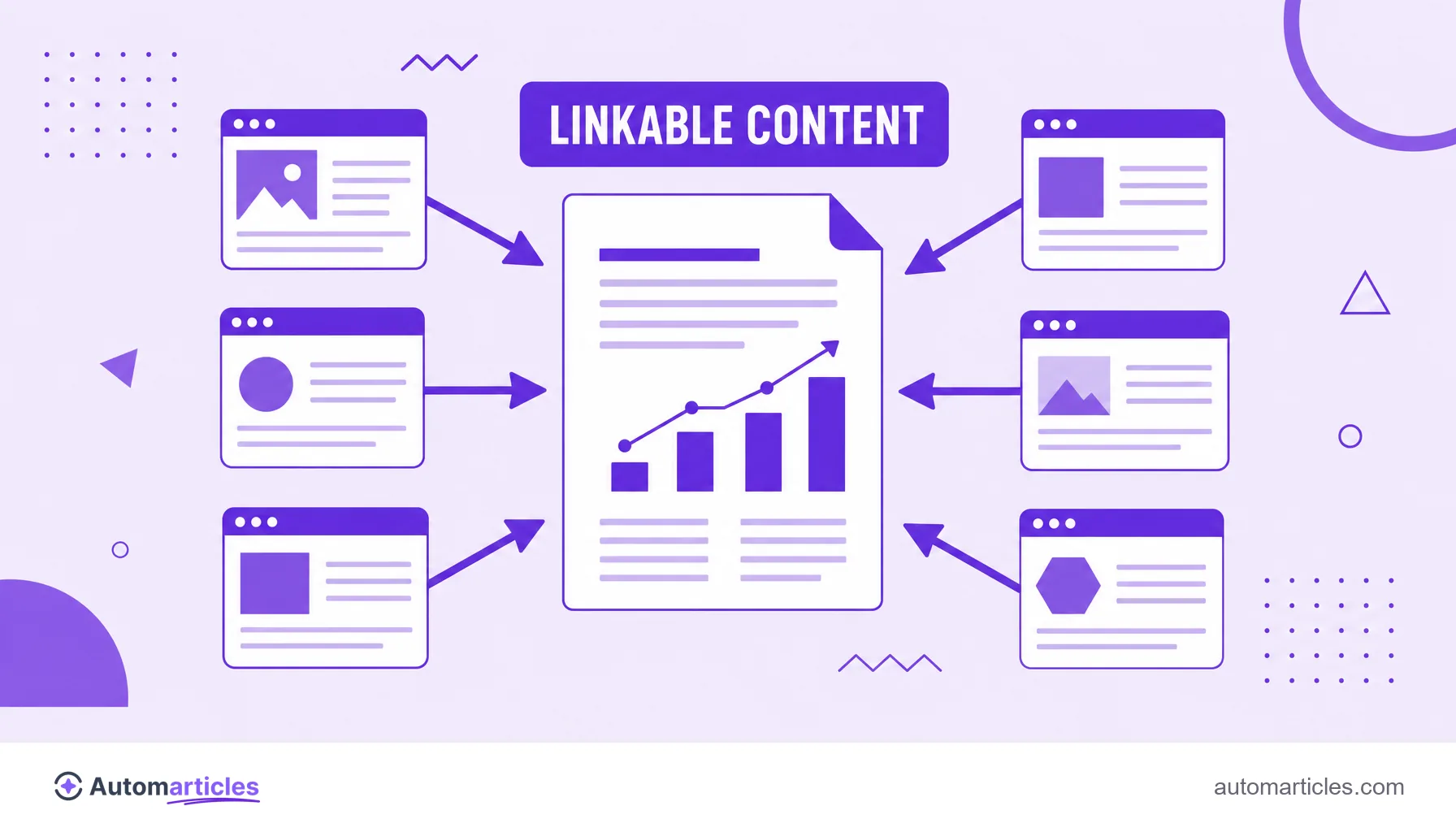
- Create linkable content: original data, complete guides and free tools attract links naturally.
- Do relevant guest posts: write for sites in your niche that offer a dofollow link in the byline or the body of the text.
- Chase unlinked mentions: when your brand is cited without a link, ask for a dofollow link to be added.
- Build relationships: partnerships with authors and outlets in your field yield editorial links over time.
Steer clear of bulk link buying schemes. Besides violating Google's guidelines, low quality artificial links can become a liability instead of an asset.
Not every dofollow link is good
A common mistake is thinking that any dofollow link helps. The truth is that the source of the link weighs as much as the attribute. A dofollow link from a link farm, a penalized site or a spam directory can do more harm than good.
That is because Google evaluates the quality and context of whoever points to you. Many toxic dofollow links, with identical anchors and dubious origins, make your profile look artificial and can attract a penalty. In those cases, a nofollow link from a respected site is usually worth more than a dofollow from a bad source. The golden rule: prioritize relevance and trust, not just the attribute.