
Link Building: what it is and how to earn quality backlinks for SEO
By Tiago CostaUpdated on July 2, 2026
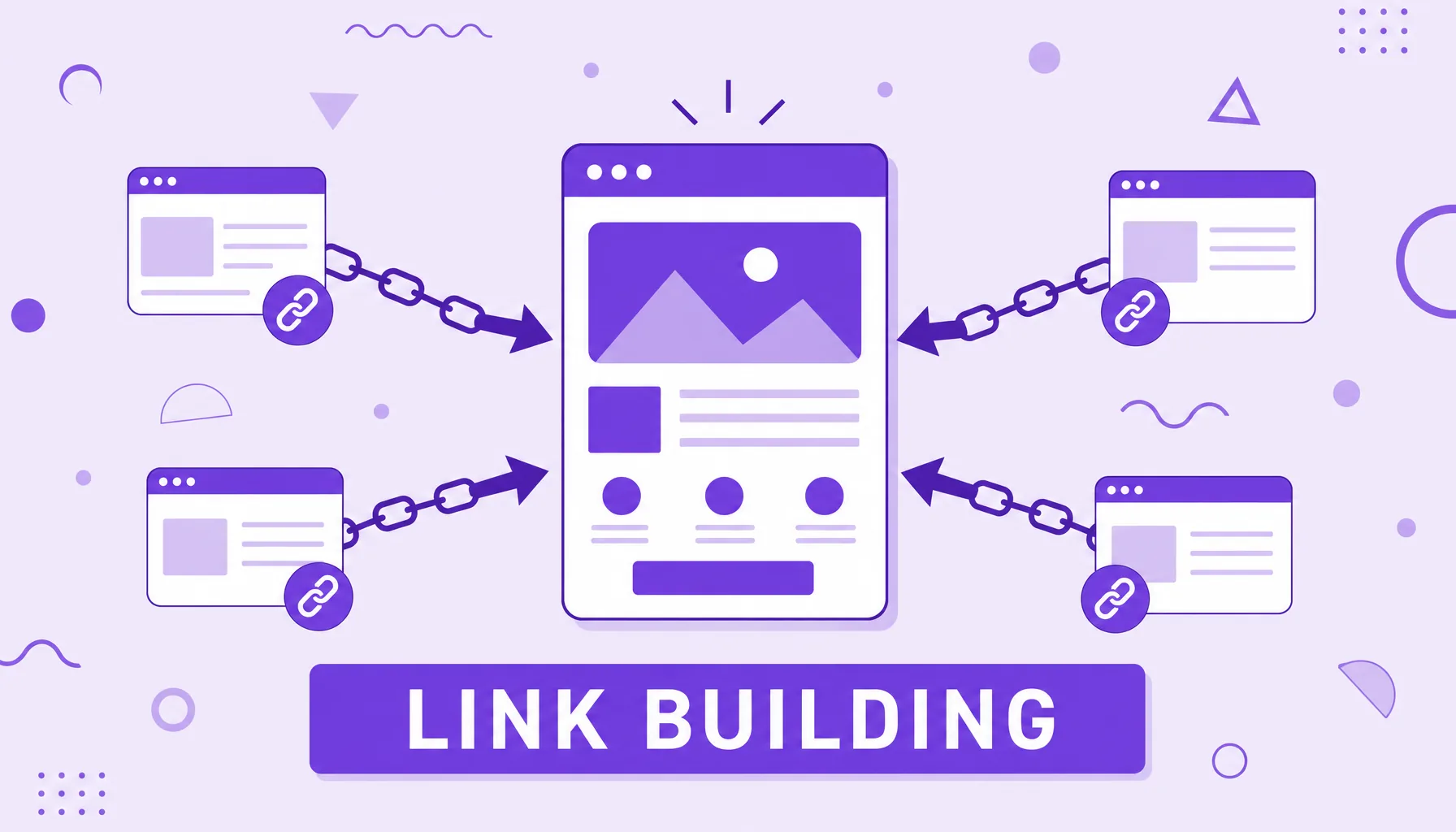
Link building is the practice of earning backlinks (links from other sites that point to yours) to raise a site's authority and rankings. In practice, a good link building strategy:
- produces relevant content that others want to cite;
- earns links from trustworthy sites in the same topic;
- prioritizes quality and relevance, not quantity;
- avoids manipulative techniques that lead to penalties.
What link building is and why it matters for SEO
Link building is the set of actions for earning backlinks: links on other sites that point to your pages. The core idea is simple. When a relevant site links to yours, it passes part of its own credibility along, and Google reads that as a sign that your content deserves trust.
This mechanism sits at the origin of the search engine itself. The PageRank algorithm was created precisely to measure the importance of a page by the quantity and quality of the links it receives. That is why backlinks remain among the strongest ranking factors, and link building stays at the center of any off-page SEO strategy.
A note on vocabulary: link building is the process, a backlink is the result (the link you earned) and domain authority is the metric that estimates the strength of your link profile. The three go together, but they are not synonyms.
How backlinks strengthen your site's authority
Not every backlink is worth the same. A link from a respected site, in the same niche and inside relevant content, weighs far more than dozens of links from random pages. That strength a link passes along is what the industry calls link juice, and it is what pushes your pages up in search.
The data confirms how much links matter. In a study of 11.8 million search results, Backlinko found that the page in the first Google position has, on average, 3.8 times more backlinks than the pages in positions 2 to 10. And an experiment by Ahrefs showed the effect in practice: disabling links through disavow caused page traffic to drop, and restoring those same links lifted traffic by up to 44%.
The takeaway is direct. Building a profile of relevant links is what sustains your domain authority over time, and that is what separates pages that rank from pages nobody finds.
Main white hat link building techniques
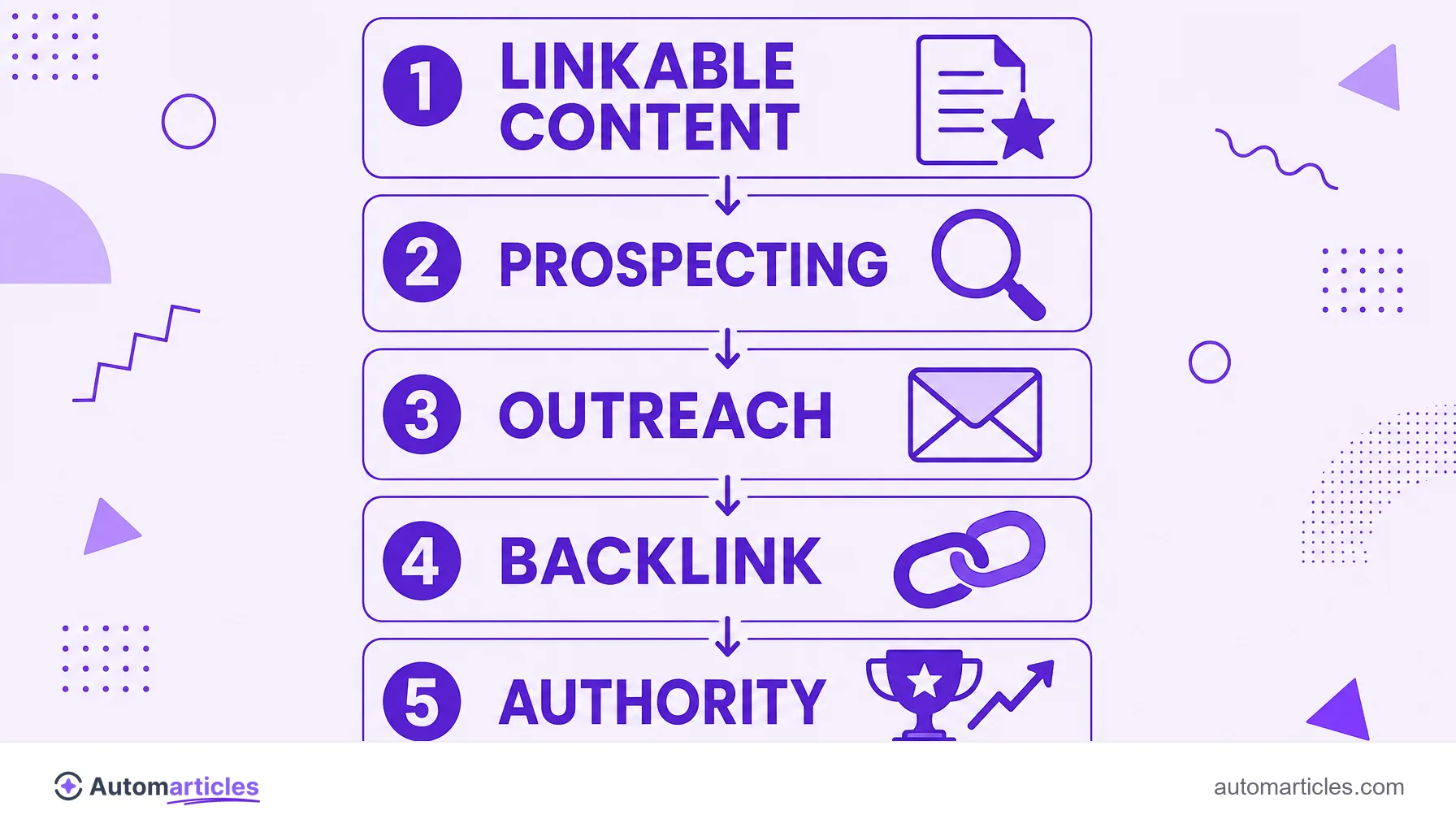
The techniques aligned with Google's guidelines are called white hat and share one thing in common: earning the link on merit, not through manipulation. The most effective ones are:
- Creating linkable assets: complete guides, studies with your own data, calculators and infographics that people cite spontaneously.
- Guest posting: writing an article for another relevant site and, in context, including a link to yours, as we explain in guest post.
- Digital PR: creating angles and data that earn mentions and links from news outlets.
- Broken link building: finding broken links on other sites and suggesting your content as a replacement.
- Unlinked mentions: spotting citations of your brand that never became a link and asking for the link to be added.
The common thread across all of them is relevance. A good anchor text, descriptive and natural, and topical closeness between sites count as much as the sheer number of links you earn.
Internal and external link building: the difference
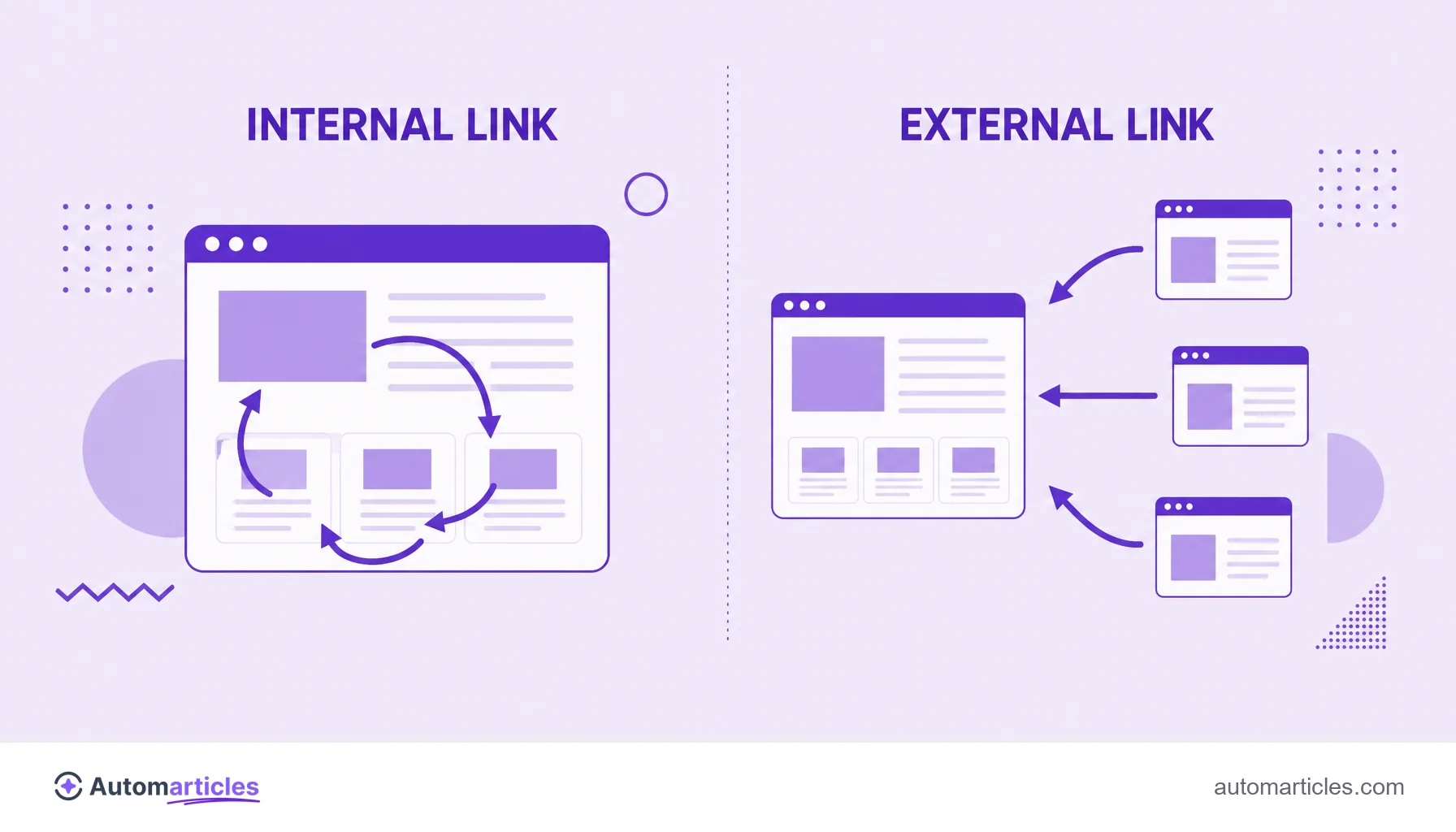
When someone asks what internal link building is, the answer lies in where the link comes from. External link building seeks backlinks from other domains. The work of internal links, on the other hand, connects pages within your own site and, while it does not add new authority from outside, it distributes the strength you already have across the right pages.
The two complement each other:
- External link building: raises the total authority of the domain and its trust in Google's eyes. It is harder, because it depends on third parties.
- Internal linking: directs the authority you received toward the pages you most want to rank and helps the search engine understand the site structure. It is fully under your control.
Ignoring internal linking wastes part of the external effort. There is no point in earning great backlinks for the home page if that strength does not flow to the pages that actually need to rank.
Black hat techniques you should avoid
In the rush for results, many people turn to shortcuts that violate Google's guidelines. These are black hat practices that may work for a while but sooner or later lead to penalties and traffic loss. The main ones to stay away from:
- Buying links: paying for backlinks in exchange for money or a trade is an explicit rule violation.
- PBN: private blog networks created only to link to themselves. Understand the risk in PBN.
- Link farm: pages that swap links in bulk, with no relevance at all, as we show in link farm.
- Spam comments and forums: dumping links into any open comment box.
If you inherited a profile with toxic links, Google's disavow tool lets you ask for those links to be ignored. Even so, the best defense is never to depend on shortcuts that put your domain at risk.
How to build a link building strategy step by step
Consistent link building is method, not luck. A routine that works:
- Analyze your current profile: use tools like Ahrefs, Semrush or Moz to map how many and which backlinks you already have.
- Study competitors: find out who links to whoever is ahead in search and go after the same opportunities.
- Create assets that deserve links: content with your own data, tools and reference guides attract links naturally.
- Do outreach with context: approach relevant sites with a real reason to link, not with a generic request.
- Measure and repeat: track new backlinks, the evolution of your domain authority and the impact on rankings.
On the classic question of whether SEO is still worth it, the answer is yes. As long as people search on Google and on AI engines, showing up among the first results remains one of the most profitable acquisition channels, and link building is an essential part of getting there.