
People Also Ask: what it is and how to use it in SEO
By Tiago CostaUpdated on July 2, 2026
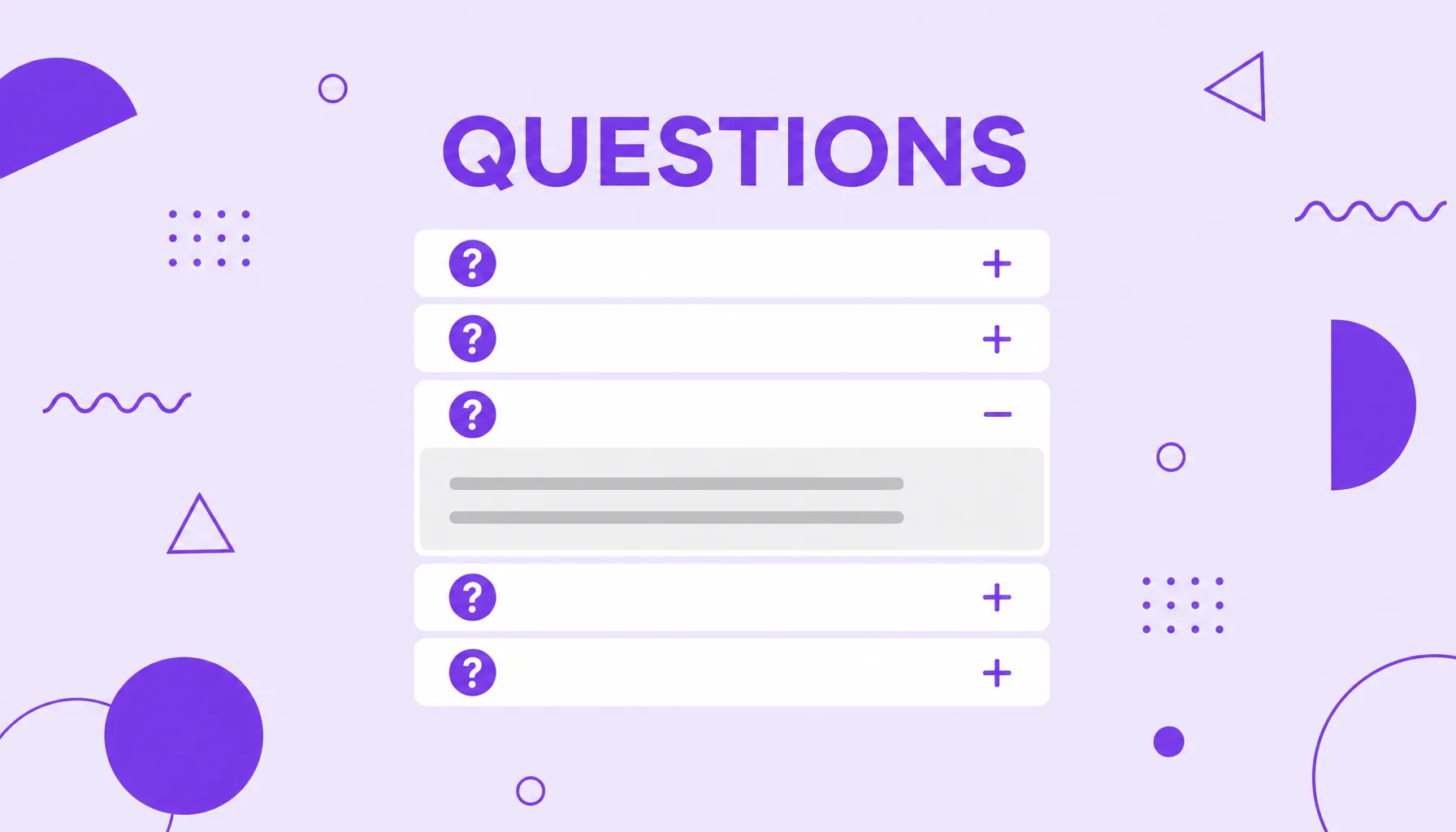
People Also Ask (PAA) is Google's box of related questions. In practice, it:
- shows questions other people ask about the same topic;
- expands each question into a short answer pulled from a page;
- cites and links the source of each answer;
- works as a source of subtopics and as a prominent position to win.
What People Also Ask is
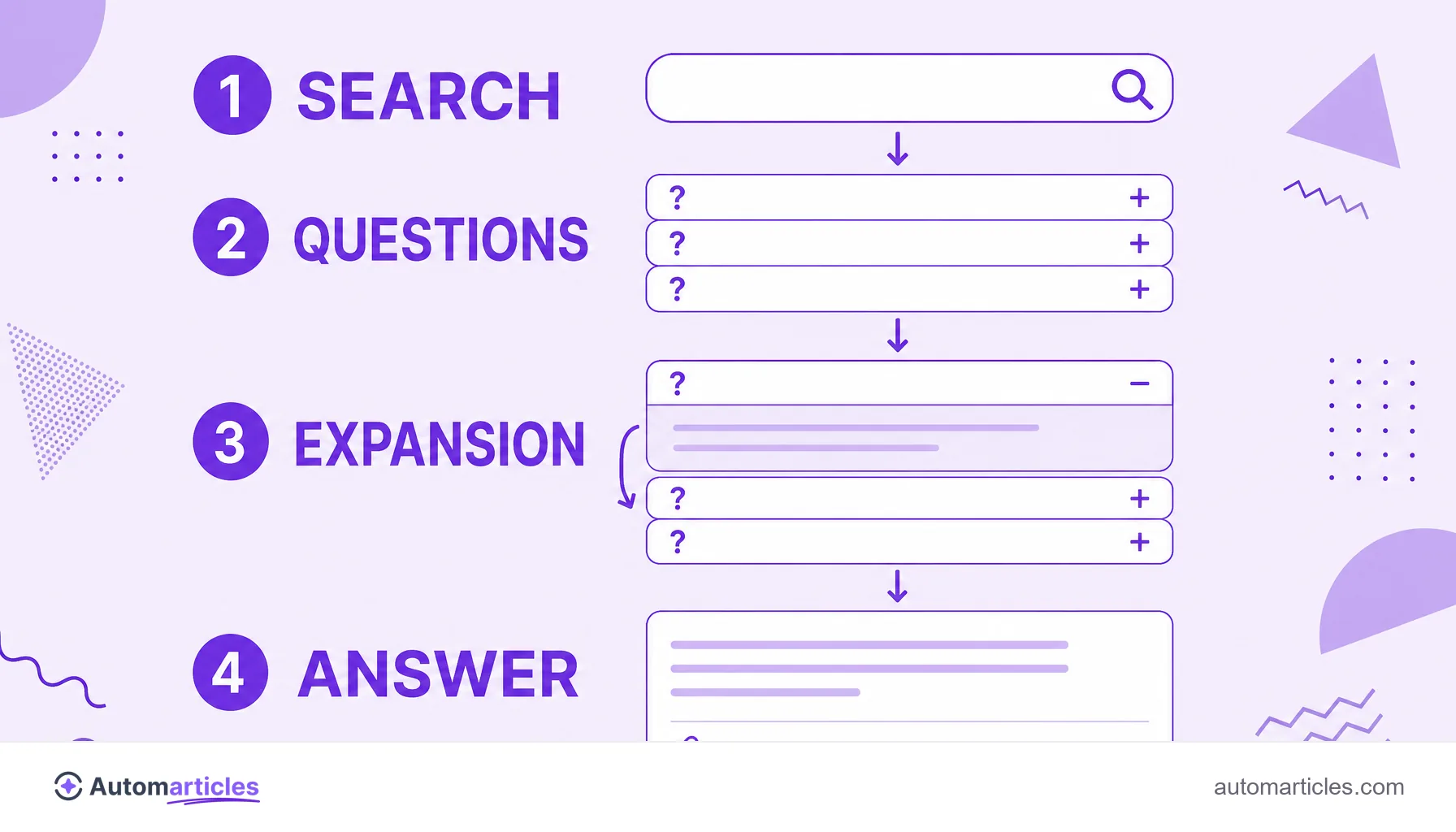
People Also Ask, shortened to PAA, is a feature of the Google results page made up of a list of questions related to the original search. Each item appears as a clickable question that, when opened, reveals a short answer pulled from a page, along with the link to the source.
The box usually shows up just below the first organic results, but its position varies. Google's idea is to anticipate the user's next questions: if you searched for a topic, you probably also want to know what it is, how it works, how much it costs and what the alternatives are. PAA gathers these related questions in one place.
Do not confuse the feature with the tools that study it. People Also Ask is the Google box; AlsoAsked and AnswerThePublic are third-party tools that collect and organize these questions to help with keyword research. We will cover them further down.
How People Also Ask works (and why it expands)
The most curious behavior of PAA is that it is dynamic. When you open a question, Google usually loads new related questions at the end of the list, which in turn generate more, in a chain that can feel almost endless. This happens because the search engine keeps reacting to the interest shown, branching the topic as you explore.
Each answer inside the box works like a mini featured snippet: Google pulls an objective excerpt from a page it considers a good answer for that question. In other words, appearing in PAA depends on having content that answers questions directly and scannably.
The feature is also extremely common. According to data from Advanced Web Ranking, People Also Ask appears in around 35% of all UK SERPs, which makes it one of the most frequent features in search, with a frequency that has grown more than 200% since 2018. On informational topics, its presence tends to be even higher.
Why People Also Ask matters for SEO and GEO
For anyone working with content, PAA is worth it for three reasons that add up:
- Extra visibility: appearing in a PAA question secures a prominent spot on the page, often above competitors ranking well in the traditional results.
- Subtopic map: the questions reveal exactly what the audience wonders about the topic, a ready-made guide to structure the sections and FAQs of your article.
- Intent signal: reading the questions helps you understand the search intent behind the term and calibrate the content format.
There is also the GEO side. The same objective answers that win a spot in PAA are the ones generative search engines tend to cite in AI Overviews. Optimizing for questions, therefore, prepares content for both traditional Google and AI answers.
How to find and use PAA questions in your strategy
People Also Ask questions are valuable raw material for planning content. There are a few ways to collect them:
- On the SERP itself: search your topic on Google and keep opening the box's questions to watch the tree of questions branch out.
- With AlsoAsked: a tool that visually maps PAA questions and how they connect, exporting everything as a diagram.
- With AnswerThePublic: it aggregates questions and searches around a word, useful for widening the list of questions.
- Crossing with related searches: the suggestions at the bottom of the SERP complement PAA questions nicely.
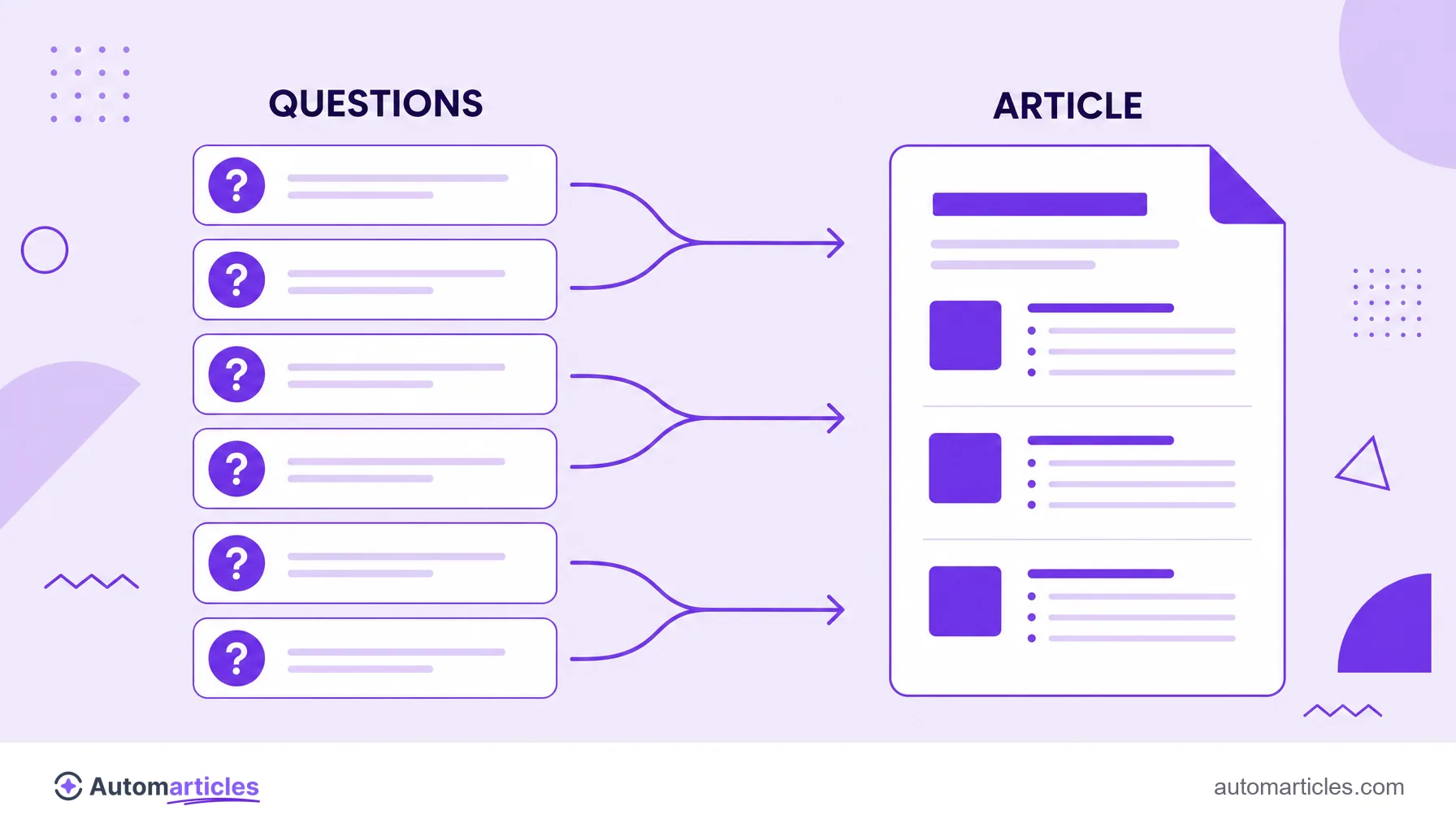
Once you have these questions, group the ones that deal with the same subtopic and turn each group into a section or a FAQ item of your article. Many of these questions are long tail, with lower competition and clear intent, which makes them great traffic entry points.
How to appear in People Also Ask step by step
Winning a spot in PAA follows a logic similar to the featured snippet. A practical routine:
- Use the question as a heading: turn the question into an H2 or H3, as close as possible to the way people actually ask it.
- Answer in the very first sentence: give the direct answer in one or two sentences right below the heading, before going deeper.
- Be objective and scannable: use short paragraphs, lists and tables, which Google extracts easily.
- Cover several questions on the same page: a good FAQ section can compete for dozens of PAA questions at once.
- Reinforce with structured data: FAQPage markup helps Google understand that the block answers questions.
It pays to monitor which questions you already own and which are still up for grabs. Since the box is dynamic, new questions keep appearing, and a well-structured article can capture several of them over time.
People Also Ask and the question tools (AlsoAsked and AnswerThePublic)
Since Google's feature has no official export, tools emerged to collect and organize the questions at scale. The two best known are:
- AlsoAsked: focused on People Also Ask, it shows the questions in a map that reveals how one question leads to another. It has a free plan with a limited number of searches per day and paid plans for heavy use.
- AnswerThePublic: it aggregates questions, prepositions and comparisons around a keyword, useful for a broad view of the audience's doubts. It also offers limited free usage.
Neither of them is People Also Ask itself: they are shortcuts to study the feature without manually opening each question on the SERP. Combined with a good SERP analysis, these tools turn the box of questions into a concrete content plan, driven by the real questions of whoever is searching.