
What demand capture is and how it works
By Tiago CostaUpdated on July 2, 2026
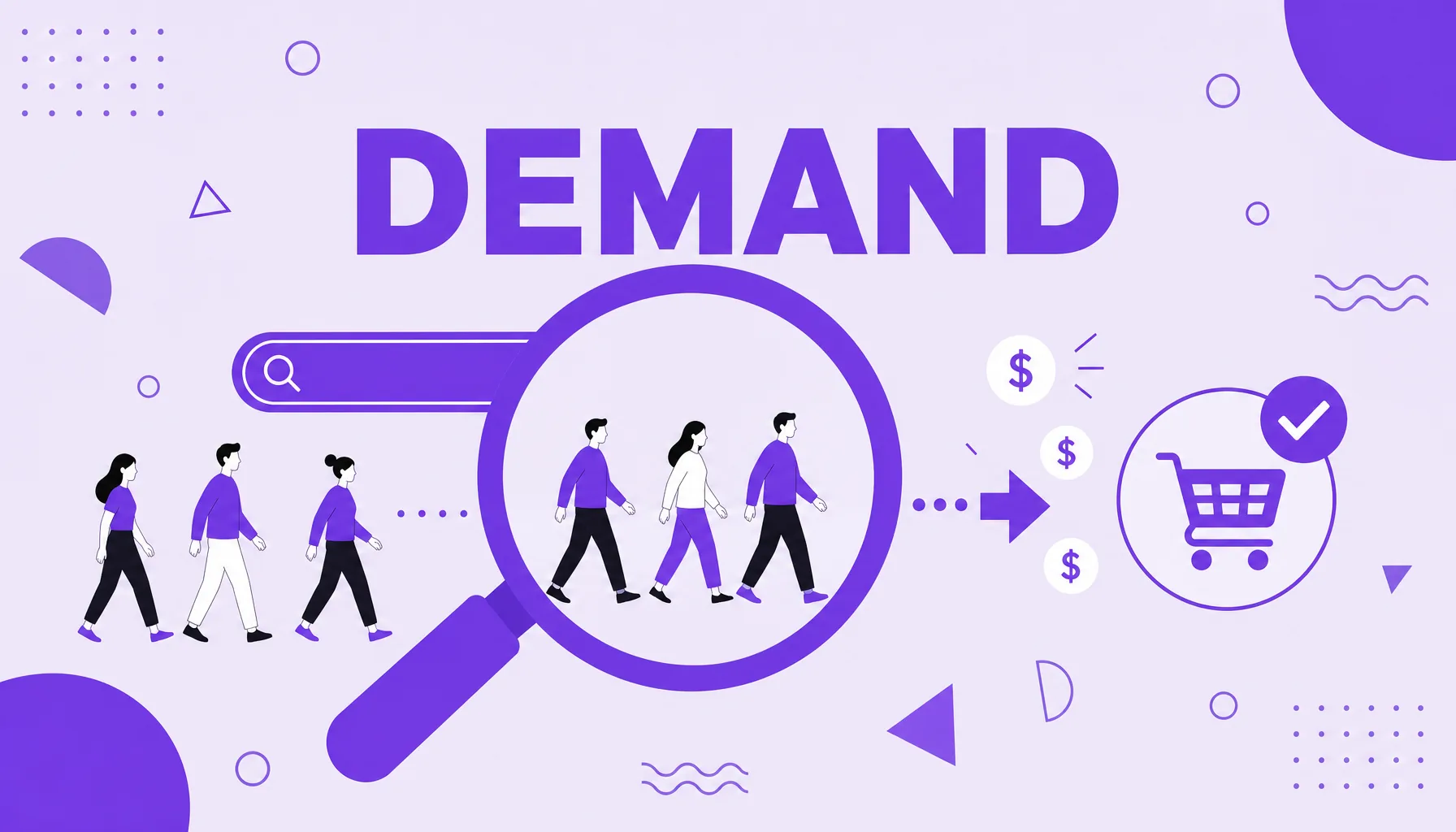
Demand capture is converting people who are already actively searching for the solution. In practice, it involves:
- showing up in search at the moment of purchase intent;
- using high intent channels, such as organic and paid search;
- making the decision easier for those already comparing options;
- focusing on the bottom of the funnel, close to conversion.
What demand capture is
Demand capture is the strategy of being present to convert those who already show purchase intent. The person already knows they have a problem, is already looking for a solution and may already be comparing vendors. The role of capture is to make sure your brand shows up at exactly that moment and takes the customer to the decision.
The difference in mindset is the central point. Capture does not try to convince someone that they need something, it responds to a need that already exists. That is why it usually works with clear signals of intent, such as a search for price, for a comparison or for a specific product.
It is the part of the strategy that delivers faster results, because it acts on people who are close to buying. The limit is that it depends on the demand that already exists: with no one searching, there is nothing to capture.
Demand capture vs demand generation
The two halves of a mature strategy are easy to confuse. Demand generation creates the interest; demand capture harvests those who are already searching. Investing in only one of them throws the result off balance.
| Aspect | Demand capture | Demand generation |
|---|---|---|
| Goal | Serve those who already want to buy | Create interest and need |
| Audience | Already searching actively | Not searching for the solution yet |
| Typical channels | Organic and paid search, comparison sites | Content, social, video, PR |
| Return | Short term | Medium and long term |
In practice, one feeds the other. The demand generated today becomes the search captured tomorrow. Those who only capture stay hostage to the current volume of searches; those who also generate demand expand their own market over time.
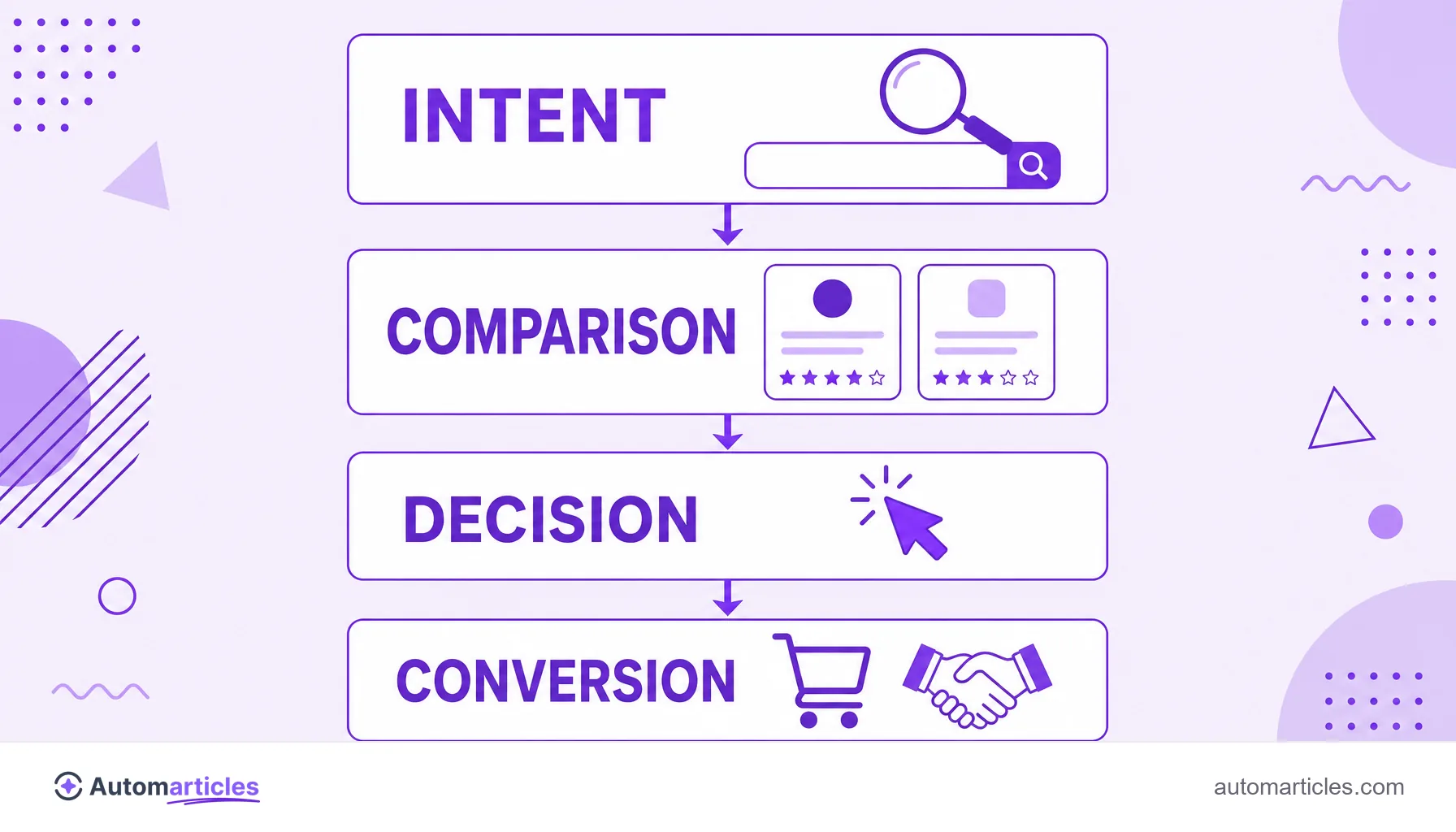
Why search intent is the heart of capture
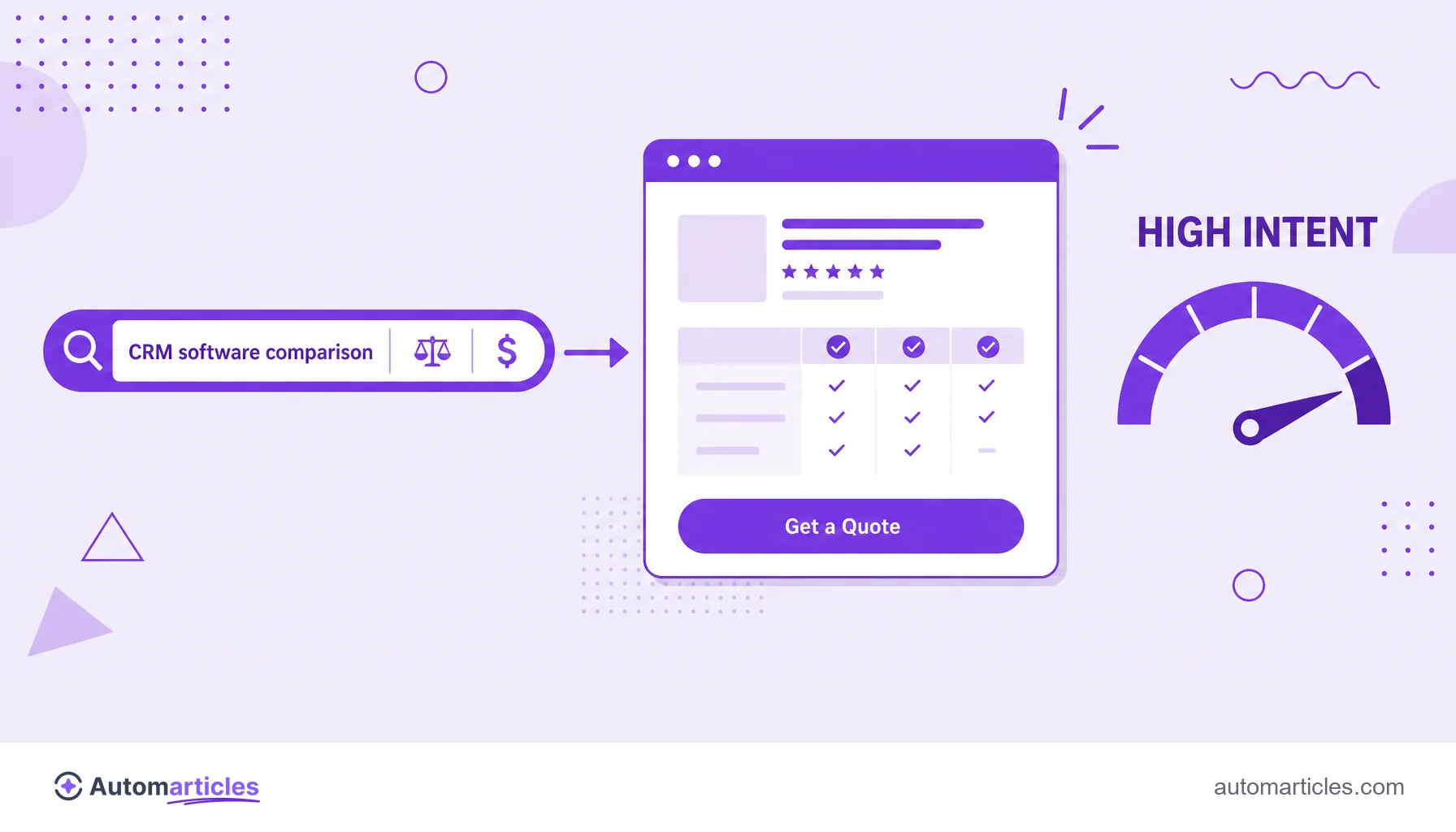
Capturing demand is, above all, reading search intent. Someone who types "best CRM for small businesses" or "price of plan X" is a few steps from the purchase, and it is in that kind of query that capture happens.
That proximity to the decision explains why capture converts so well. In the search advertising benchmarks by WordStream, the average conversion rate in Google Ads is around 7.52%, a level driven precisely by high intent keywords, the ones where the person already knows what they want. Compared to the top of the funnel, it is a far more efficient conversion per dollar spent.
The lesson is direct: mapping the transactional and commercial queries of your niche, and answering them with the right page, is what separates good capture from wasting budget on generic terms that do not convert yet.
Main demand capture channels
Capture lives in the channels where intent is hottest. The main ones are:
- Organic search: ranking on Google for commercial and transactional terms brings qualified organic traffic with no cost per click.
- Paid search: ads on high intent keywords capture those who are ready now, with paid traffic delivering immediate results.
- Comparison sites and marketplaces: being present where people compare prices and reviews catches the customer in mid decision.
- Bottom of funnel landing pages: conversion focused pages with a clear offer turn the click into a lead or sale, the role of a good landing page.
- Local SEO: for physical businesses, showing up in nearby searches captures those who want to buy in the region.
The common thread is intent: all of these channels intercept someone who has already set out to find the solution, and the job is to be there with the right answer.
How to do demand capture in practice
Setting up good capture is about organizing presence and message for the moment of decision. A clear step by step:
- Map the intent keywords: list the commercial and transactional terms of your niche, such as comparisons, prices and "best X".
- Create conversion pages: for each intent, have a page that answers directly and leads to action, optimized through CRO.
- Combine organic and paid: use ads to capture right now and SEO to sustain capture in the long run with no cost per click.
- Reduce friction: short forms, social proof and clear offers raise the rate of those who reach the bottom of the funnel and convert.
- Track and adjust: see which terms and pages convert and reallocate effort to the ones that bring customers, not just clicks.
The final goal is simple: when someone in your audience decides to buy, your brand needs to be visible, fast and convincing at the exact point of that decision.
How to measure demand capture
Since capture acts close to conversion, its indicators are more direct than those of generation. It is worth tracking:
- Conversion rate: how many visitors of the intent pages become a lead or customer.
- Cost per acquisition: how much you pay to convert each customer through the capture channels.
- Lead volume and quality: how many qualified contacts capture delivers to the sales team.
- Performance by channel: comparing which acquisition channels capture most efficiently helps distribute the budget.
The caution is not to look at capture in isolation. Much of its efficiency depends on the demand that was generated before, so measuring the two together gives the most honest reading of the result.