
Content, strategy and local
Content marketing, funnel strategy and local SEO.
Google Business Profile
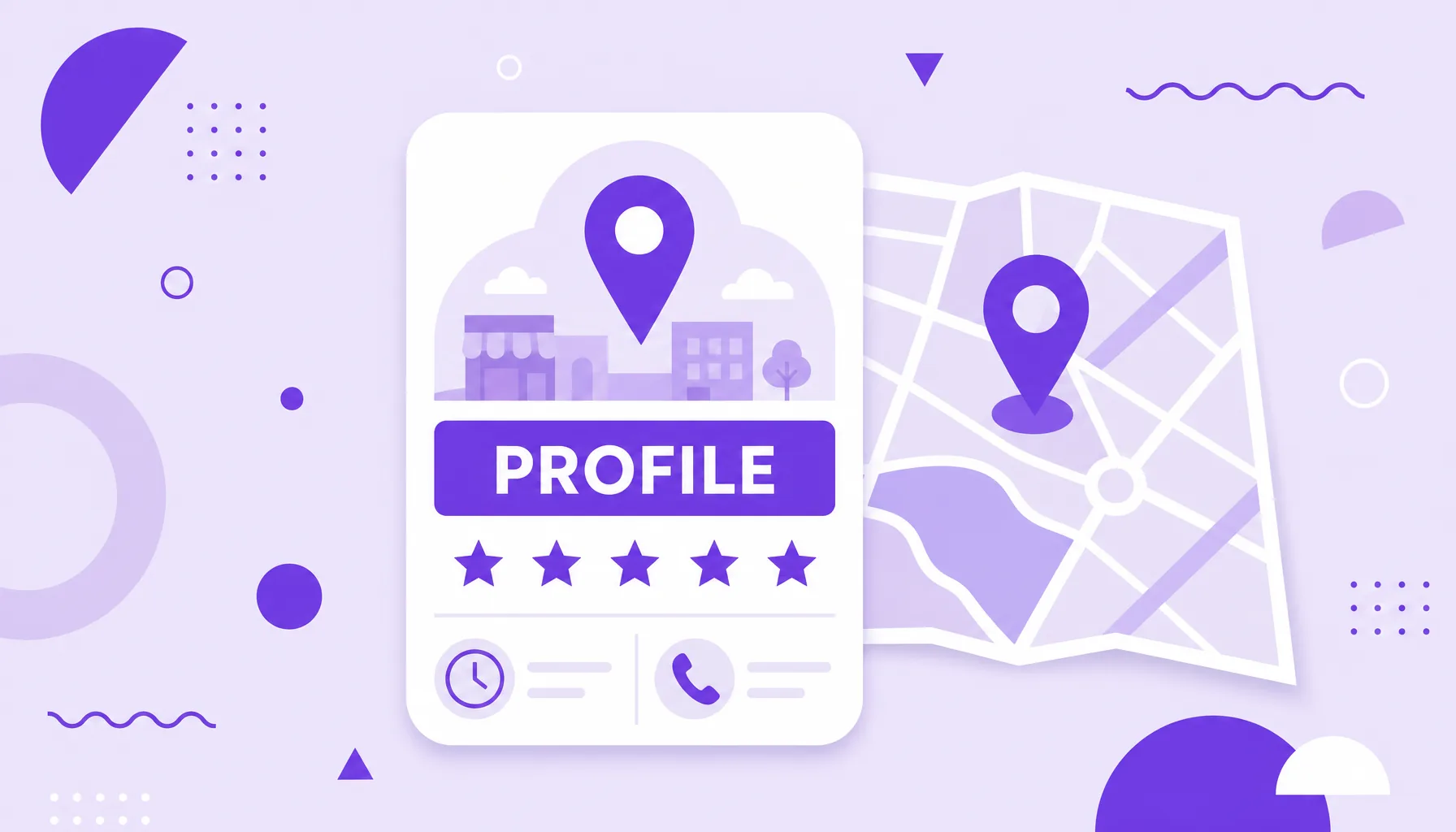
Google Business Profile, formerly Google My Business, is the free listing from Google that shows a company on Search and on Google Maps. With it, a business displays its address, phone number, opening hours, photos, reviews and website right in the results, at no cost, and starts competing for the local searches of people looking for services in the area.
Paid traffic
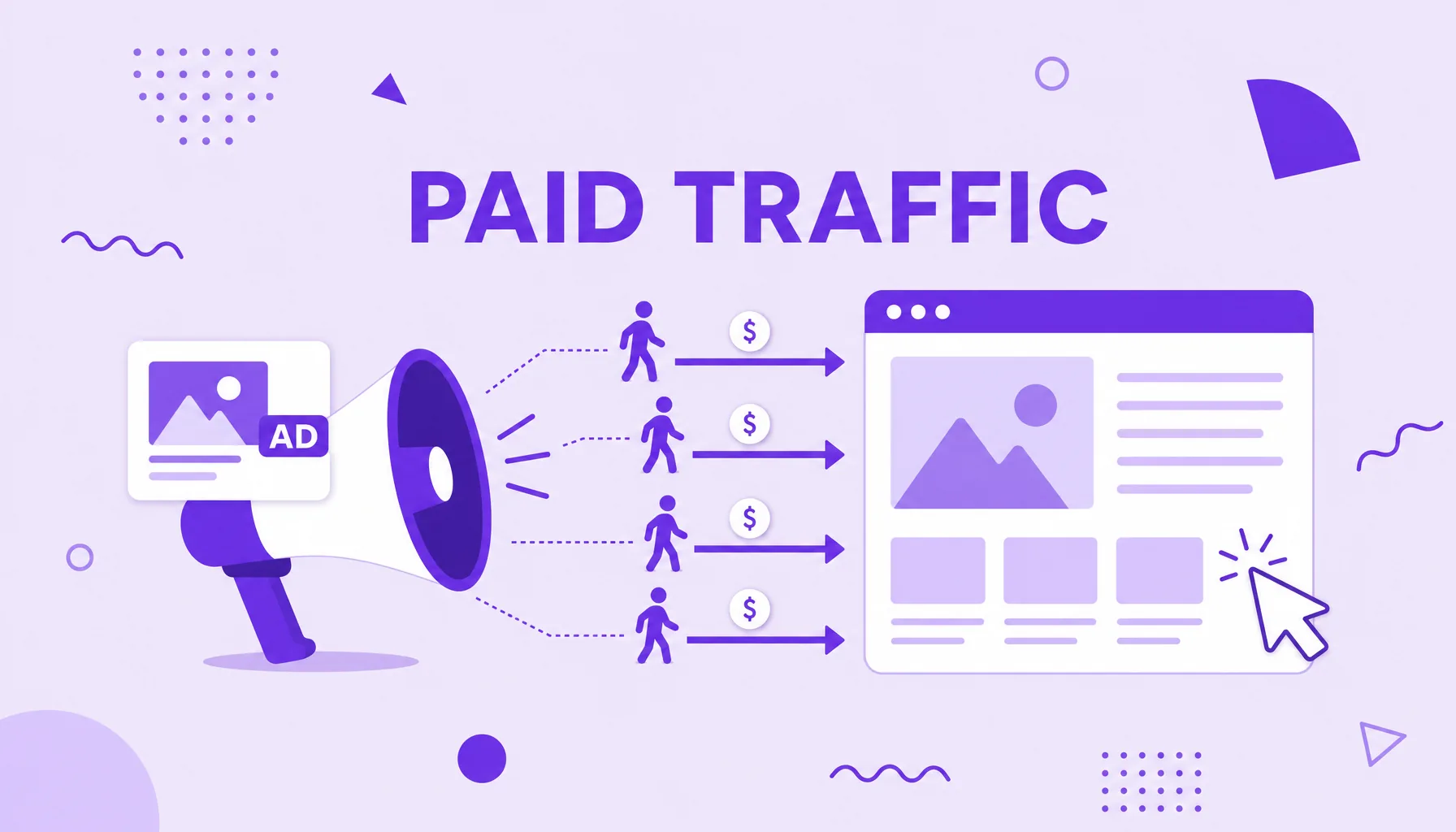
Paid traffic is the set of visits that reach your site, blog or profile through paid ads, such as those on Google Ads, Meta Ads (Facebook and Instagram), LinkedIn, TikTok or YouTube. Unlike organic traffic, which is earned with SEO over time, paid traffic is bought: you set a budget, choose the audience and pay for each click or per thousand ad views.
Lead
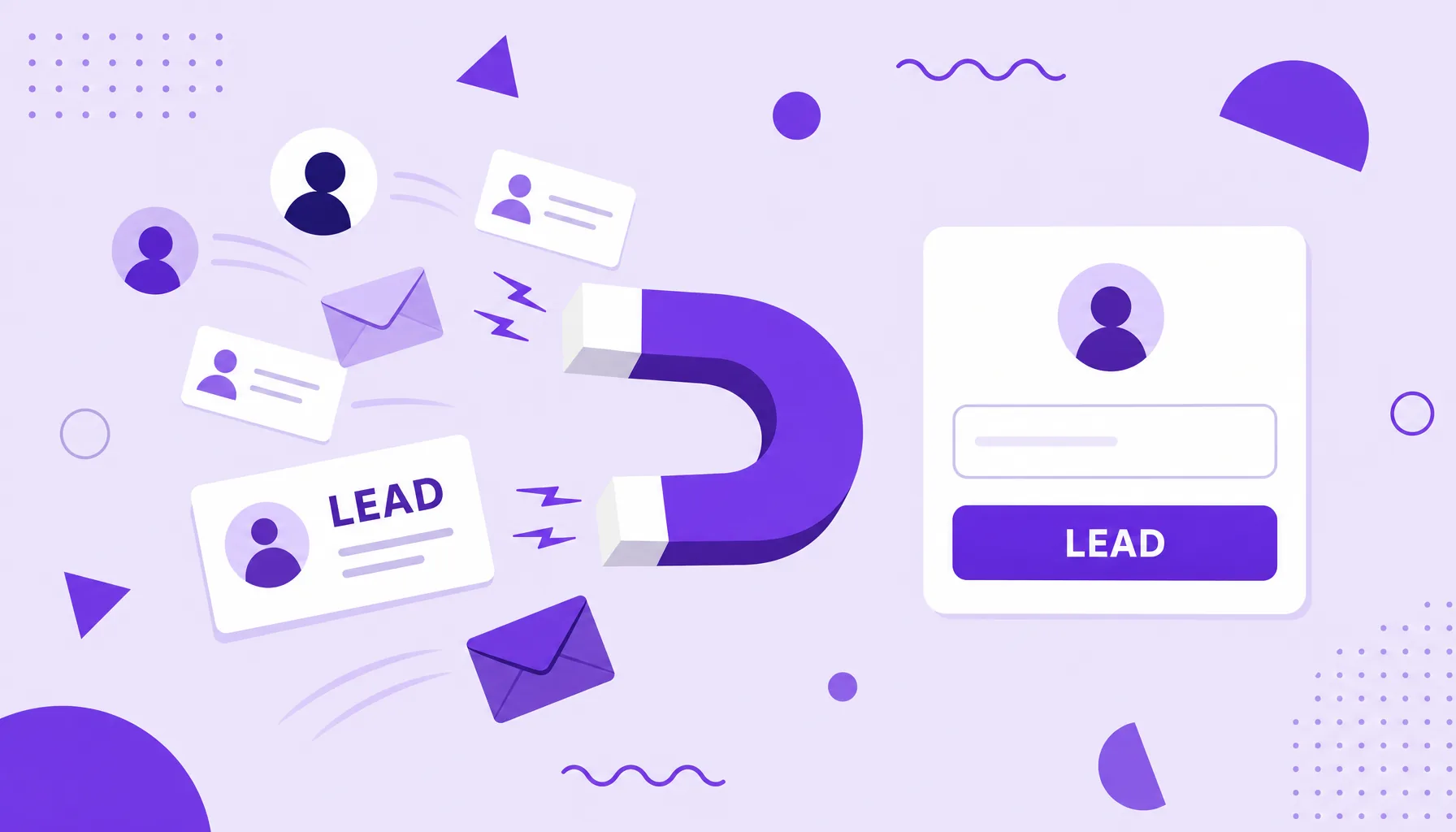
A lead is a contact who has shown interest in a company and, in exchange for something valuable, shared their details (such as a name, email or phone number). In digital marketing, generating leads means turning anonymous visitors into identifiable contacts that marketing and sales can nurture toward a purchase. Every lead is a business opportunity at the start of the journey.
Landing page
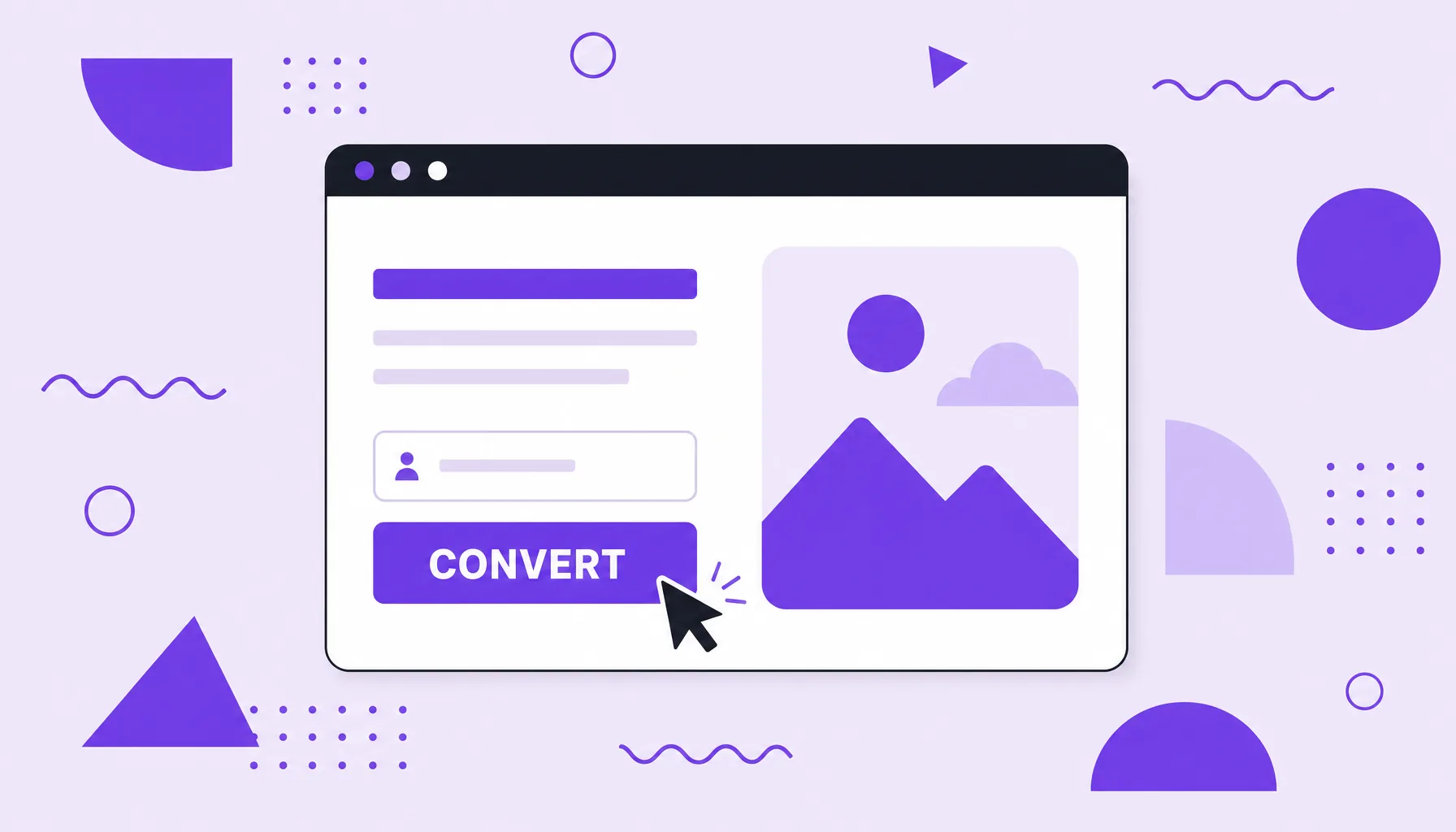
A landing page is a web page created with a single conversion goal, such as capturing a lead, selling a product or signing someone up for an event. Unlike a homepage full of menus and links, it concentrates the visitor's attention on one action, which makes it one of the most efficient pieces of a digital marketing strategy.
CTA
A CTA is short for call to action, the element (a button, link or line of copy) that invites the user to take the next desired step, such as buy now, download the ebook or talk to a consultant. In digital marketing, the CTA is the bridge between interest and conversion: without a clear instruction on what to do, most visitors simply leave.
Sales funnel
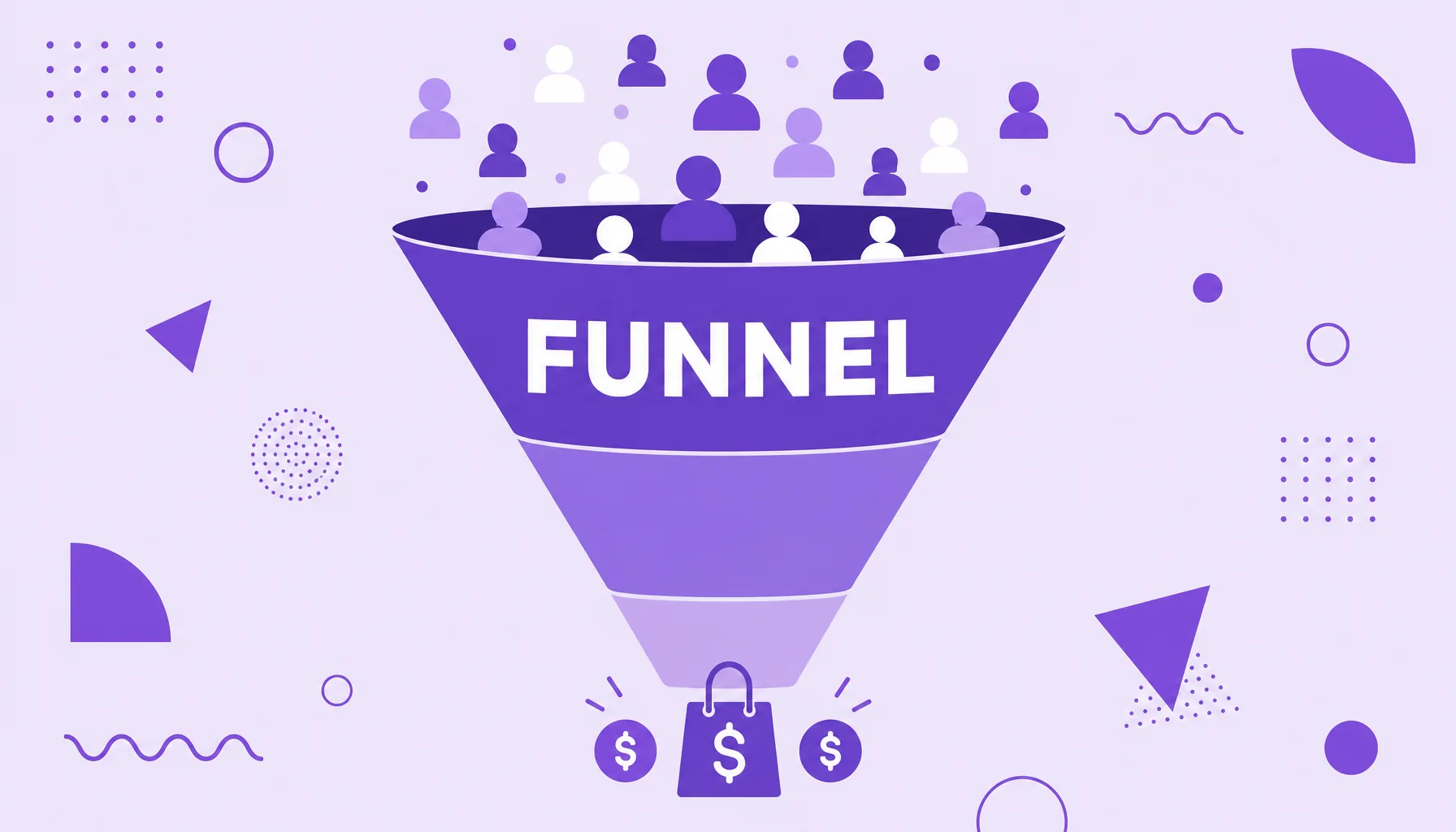
A sales funnel is the representation of the stages a person goes through from the first contact with your company to the purchase, and often to loyalty. It organizes that journey into phases (usually top, middle and bottom) so marketing and sales know which content and approach to use at each moment, turning unknown visitors into customers in a predictable way.
NAP
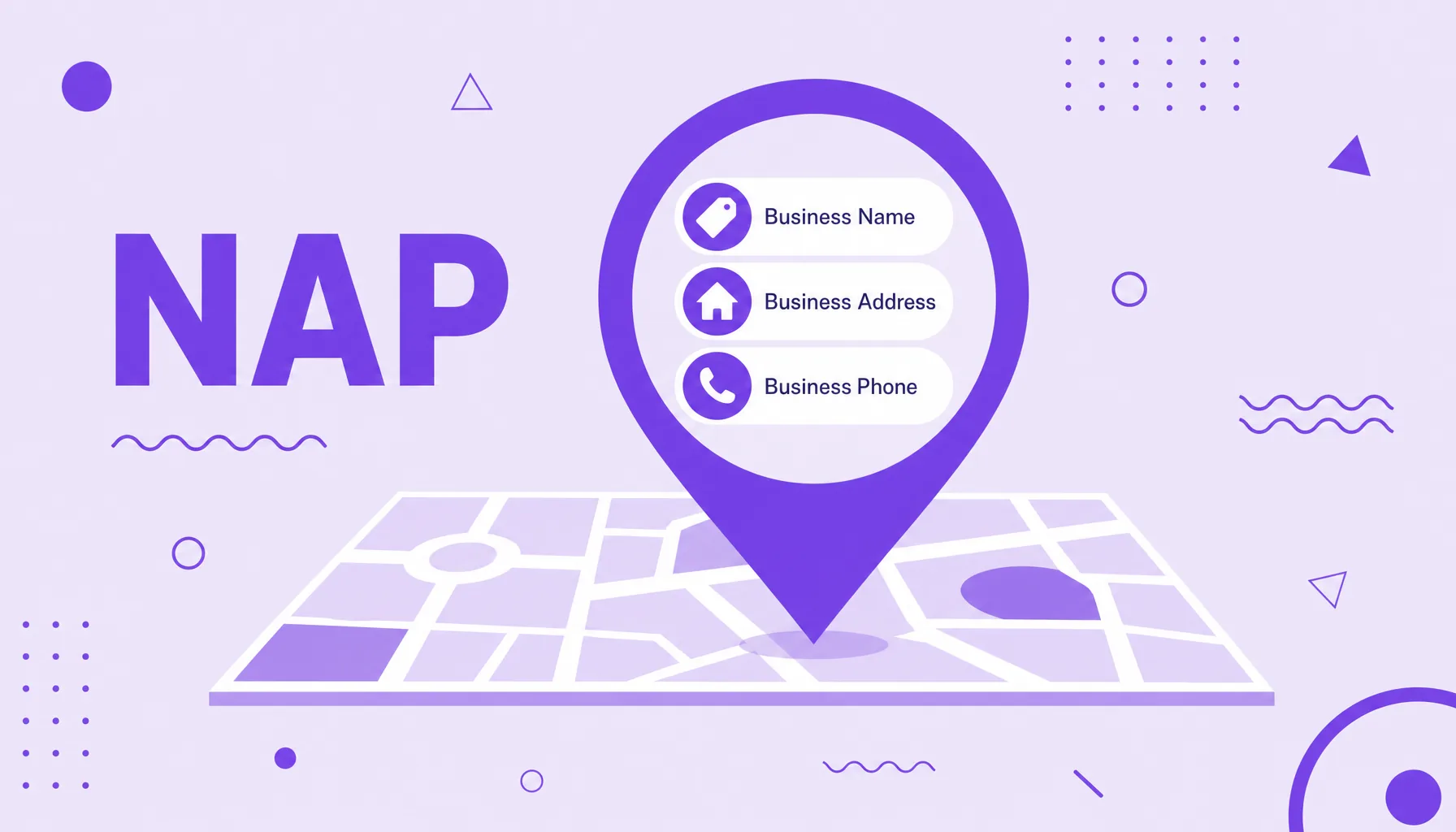
NAP is short for Name, Address, Phone, that is, the name, the address and the phone of a business. In local SEO, the central concept is NAP consistency: this information needs to appear exactly the same on the site, on the Google Business Profile and in every citation spread across the web, because that is how the search engine trusts it is the same business and shows it in searches with geographic intent.
Inbound marketing
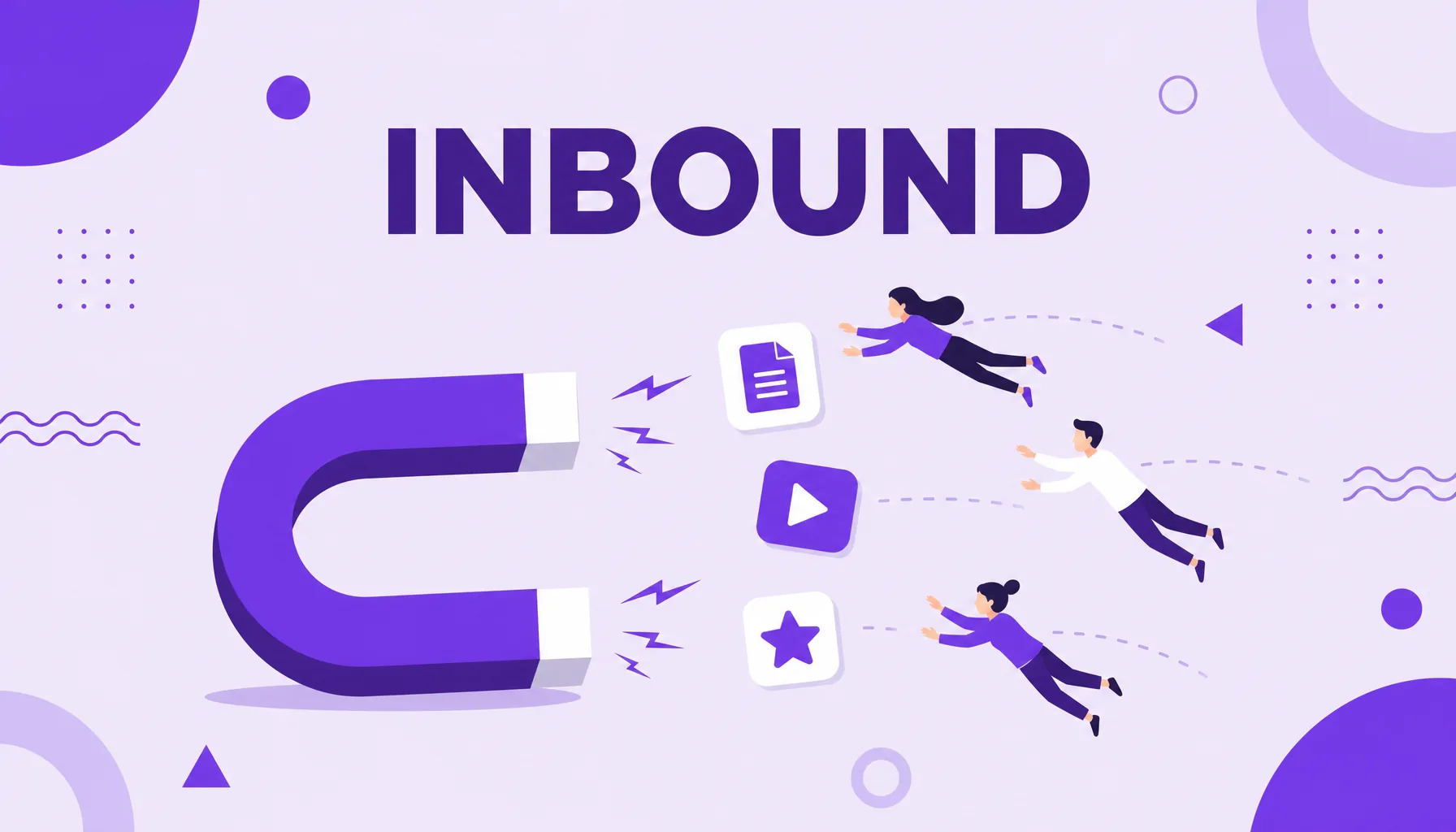
Inbound marketing is a strategy that attracts customers by offering useful, relevant content instead of interrupting people with advertising. Rather than chasing the customer, the brand creates material (articles, videos, ebooks) that answers the audience's questions and leads them to reach the company on their own. The focus is on earning attention with value, nurturing the relationship and turning visitors into customers over time.

Content marketing
Content marketing is the strategy of attracting and keeping an audience by creating and distributing relevant, consistent content (articles, videos, e-books, newsletters) instead of interrupting people with direct ads. The goal is to deliver value first, earn trust and, over time, turn that audience into loyal customers.
Outbound marketing
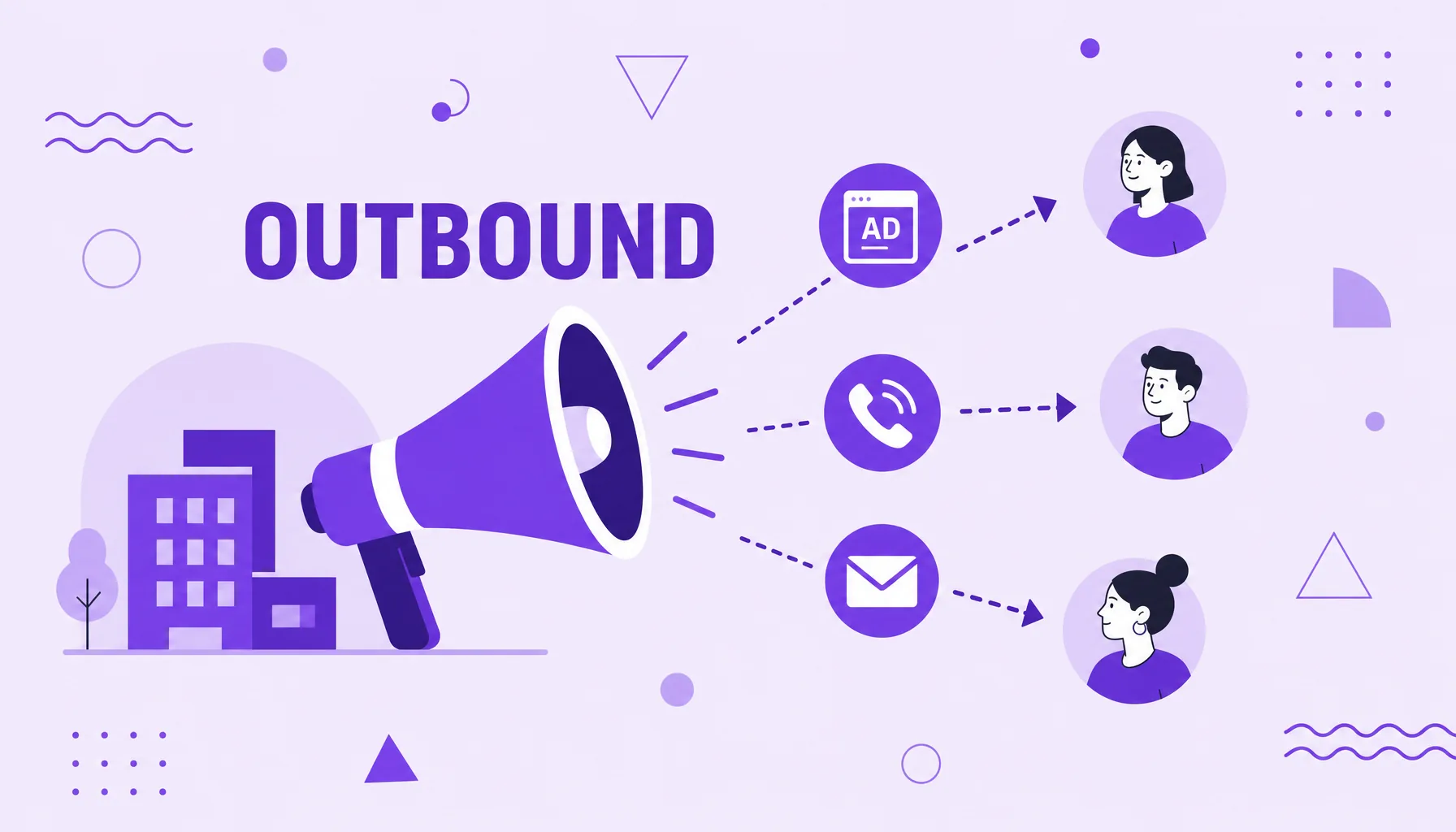
Outbound marketing is the active approach in which the company goes after the customer, interrupting the audience with ads, calls, cold emails and direct prospecting to present its offer. It is the opposite of inbound, where the customer finds the brand on their own. Outbound delivers faster results, but tends to have a higher cost per lead and depends on volume and good targeting.
Buyer persona
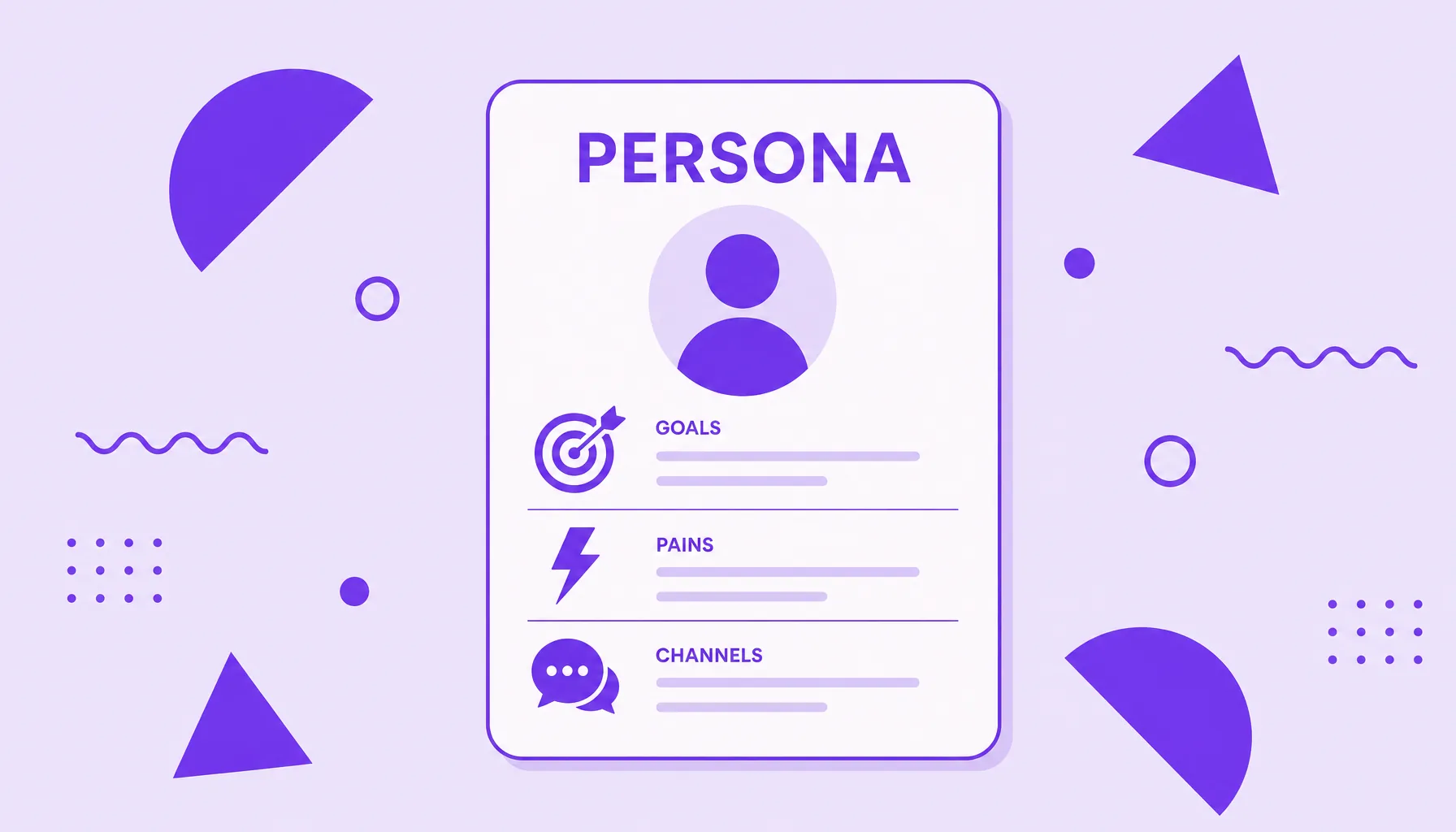
A buyer persona is the semi fictional representation of a company's ideal customer, built from real data and customer interviews. It gathers traits such as goals, pains, buying behavior and preferred channels into a single, concrete profile that guides marketing, content, product and sales decisions by putting a face where there was an abstract audience.

Editorial calendar
An editorial calendar is the schedule that organizes the production and publishing of content by date, topic, format and channel. It turns loose ideas into a visible plan, defines who does what and when each piece goes live, and ensures consistency in publishing. It is the tool that brings predictability to a content strategy, from the blog to social media.
Evergreen content
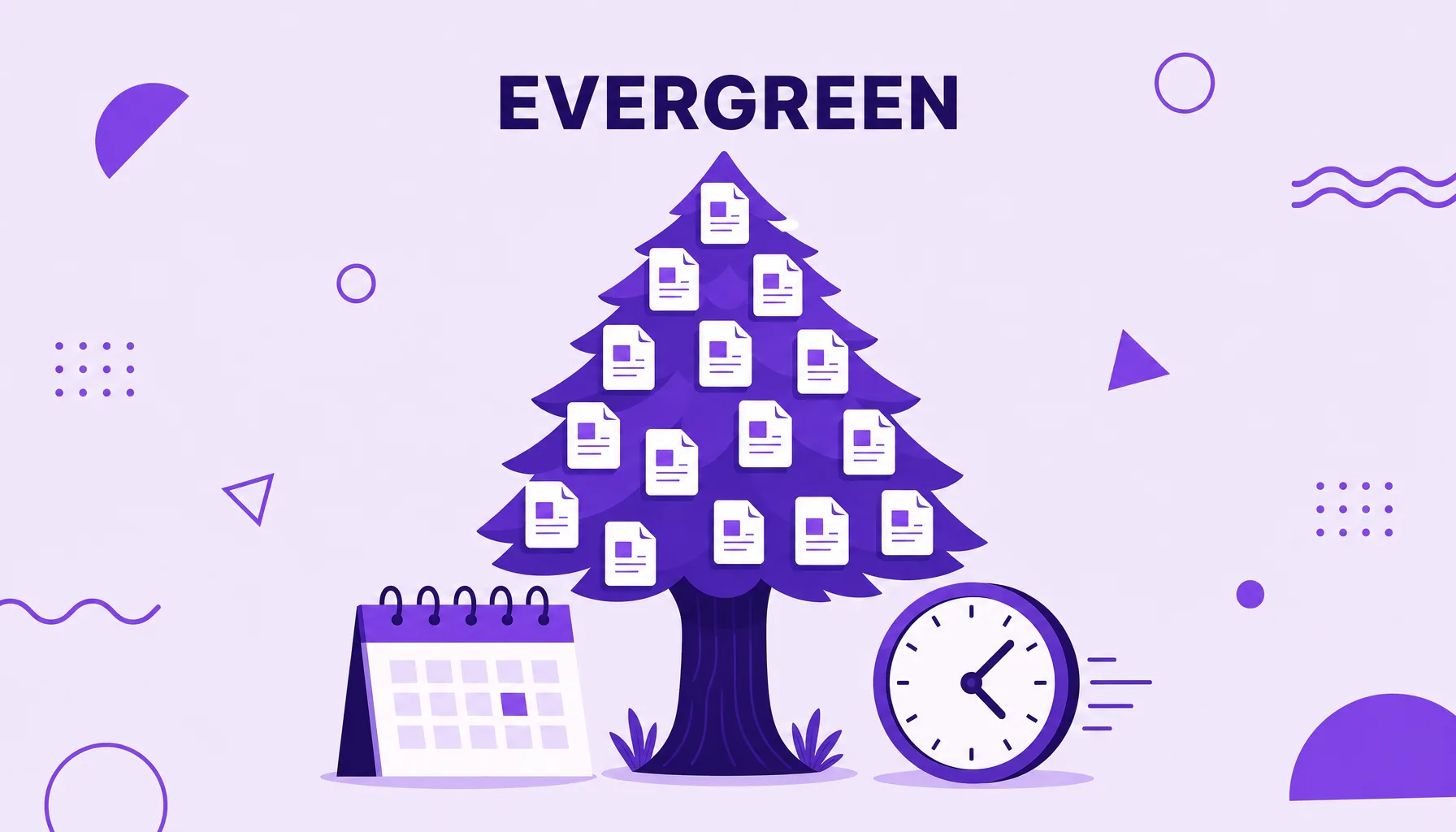
Evergreen content is material that stays relevant and keeps attracting organic traffic for a long time, without depending on dates, trends or current news. The name comes from evergreen trees, which stay green all year, and it describes articles, guides and videos that answer the audience's lasting questions, aging slowly and needing only occasional updates to stay at the top.
Content funnel
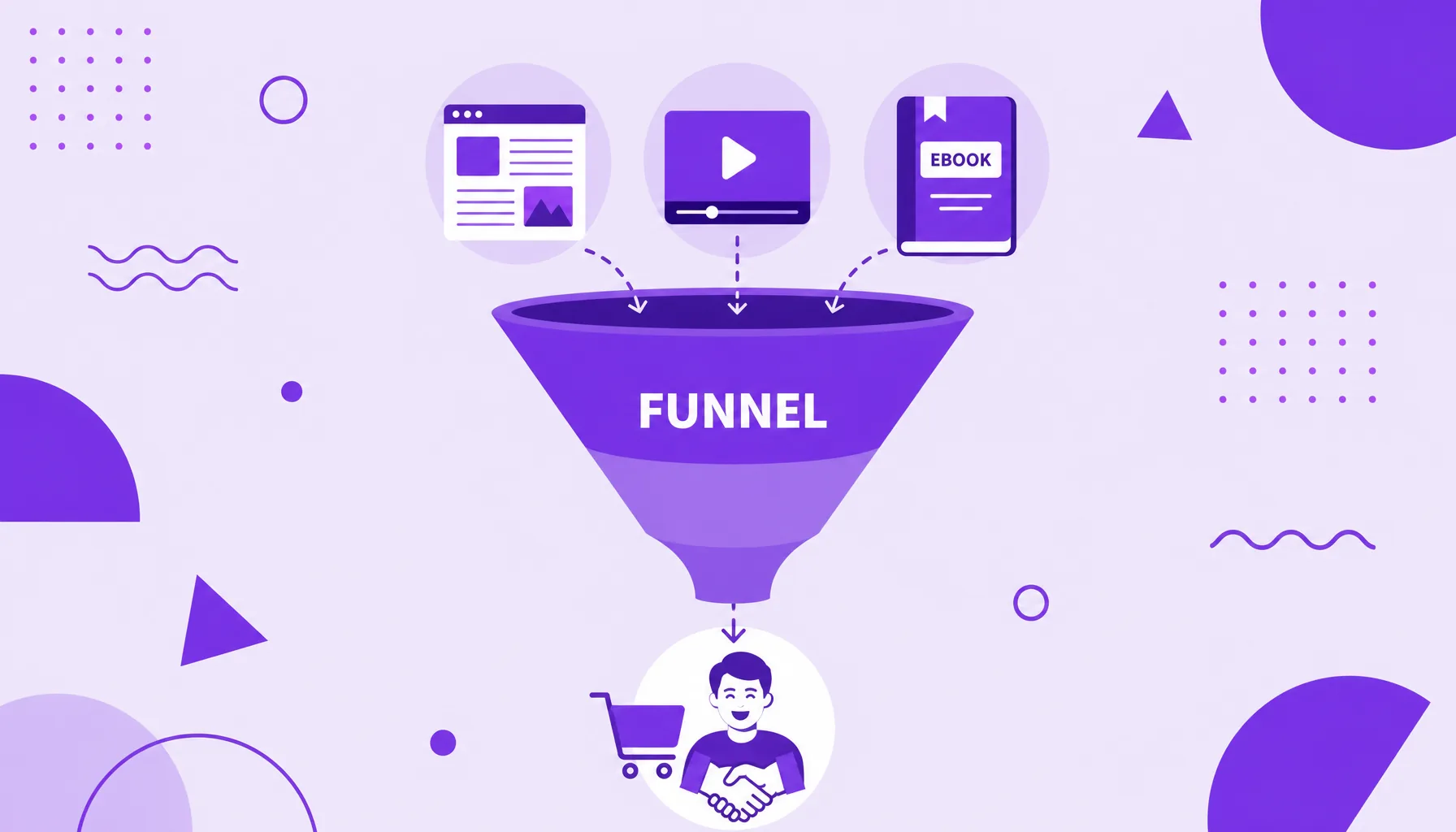
A content funnel is the strategy of planning and organizing content for each stage of the buying journey, from the first contact to the decision. Instead of treating every visitor the same way, it delivers the right material for each moment: discovery content at the top, consideration content in the middle and decision content at the bottom. That way, it guides the audience from stranger to customer gradually and predictably.
Top of the funnel
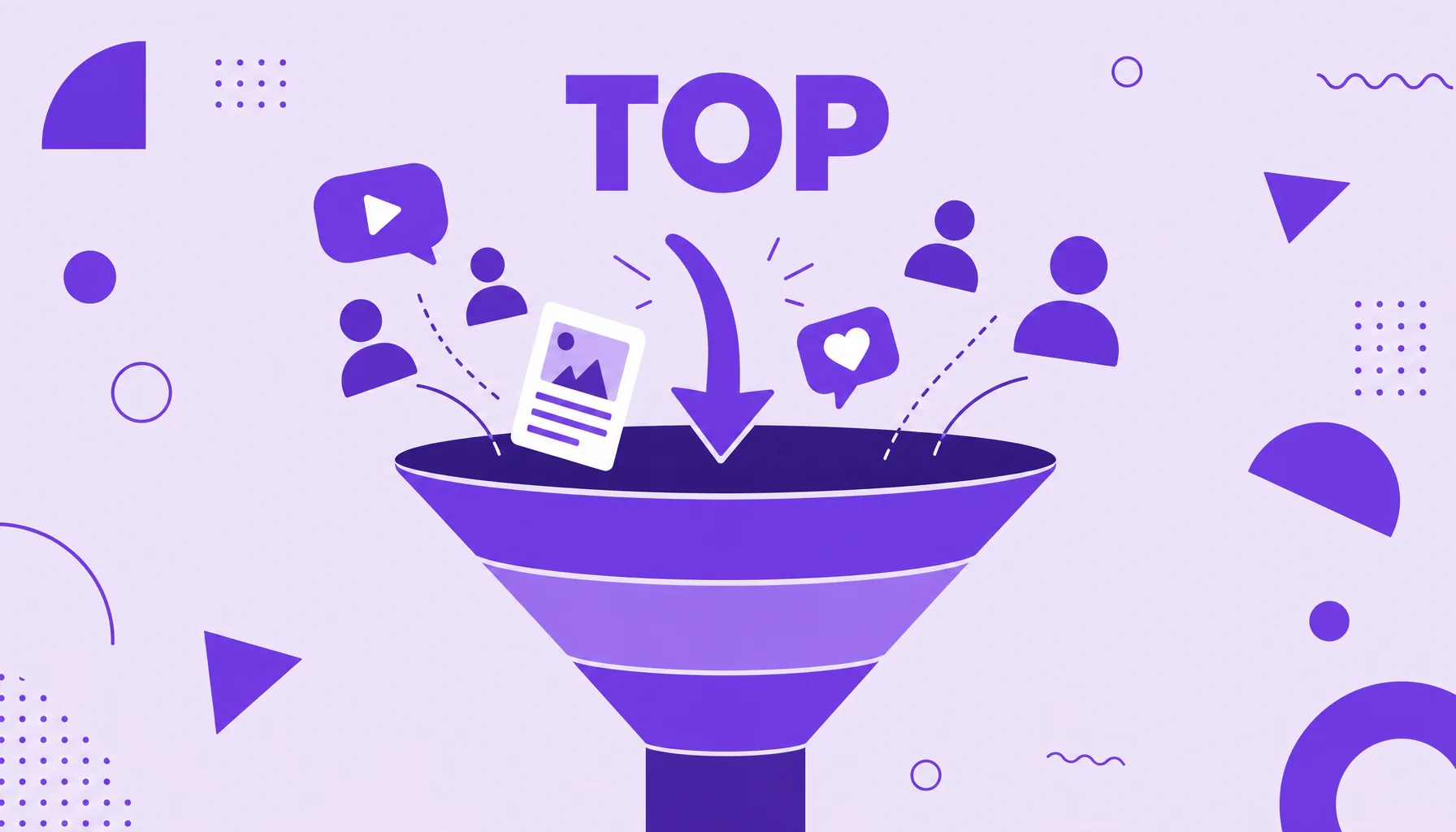
Top of the funnel (ToFu, from top of the funnel) is the first stage of the marketing and sales funnel, the phase of discovery and attraction. At this point the person is not looking for a product: they have just realized they have a problem or a need and are looking for information. Top of the funnel content is broad and educational, designed to attract as many qualified visitors as possible and introduce the brand, without trying to sell right away.

Buyer journey
The buyer journey is the path a person travels from the moment they realize they have a problem or a desire until the buying decision and the after sale. Also called the customer journey, it is usually divided into stages (awareness and discovery, problem recognition, solution consideration and decision) and works as a map for the company to deliver the right content at each phase.
Lead magnet
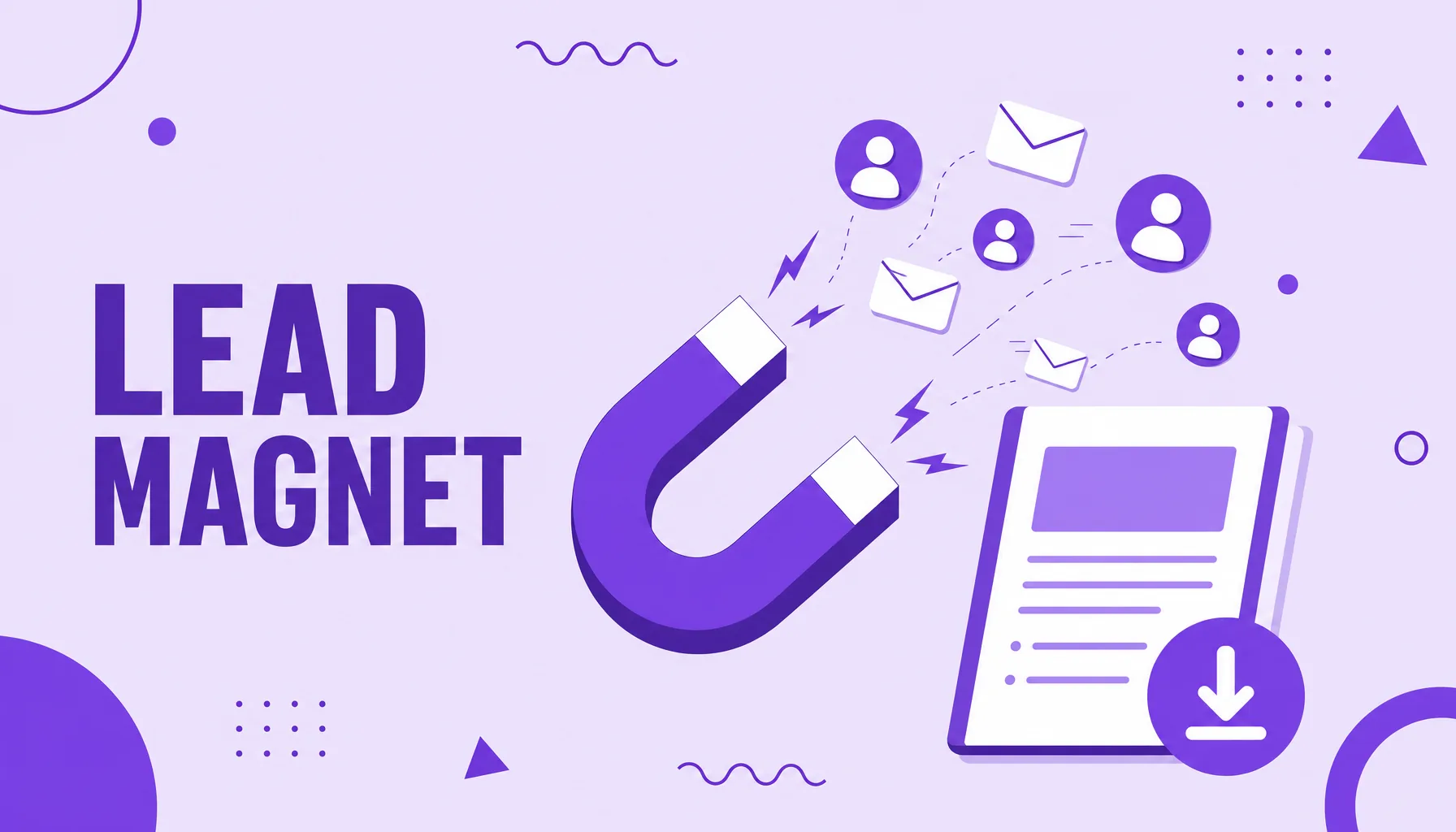
A lead magnet is a free, immediately useful resource (such as an ebook, checklist, template, webinar or tool) that a company offers in exchange for a visitor's contact details, usually the email. It turns anonymous traffic into identified contacts, feeding the base for the next stages of relationship and sales.
Bottom of funnel
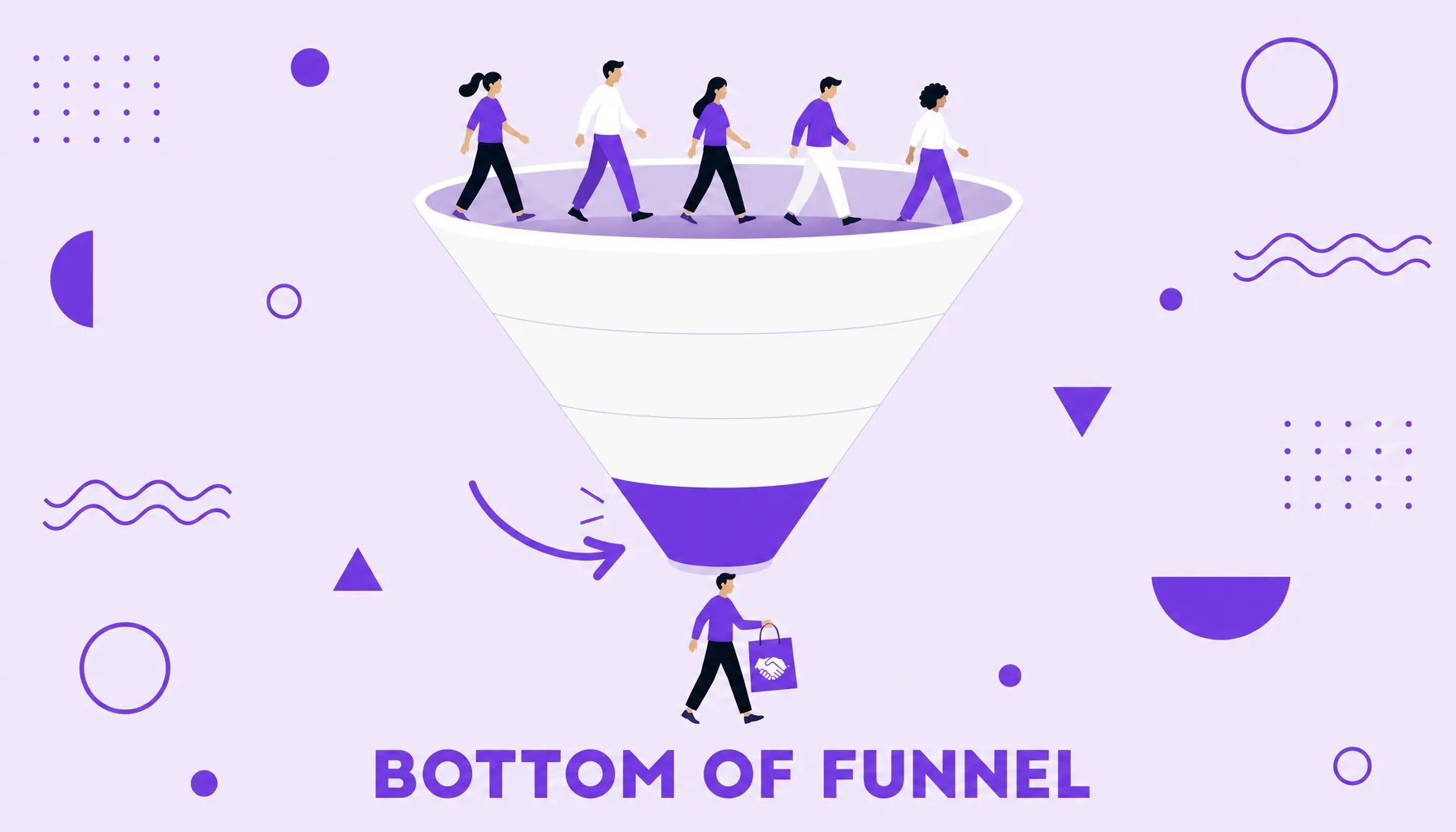
Bottom of funnel (or BoFu) is the last stage of the buying journey, the moment when the person has already recognized the problem, weighed the options and is ready to decide. Bottom of funnel content is focused on conversion: it clears the last doubts, shows why your solution is the best choice and guides the person to action, whether a purchase, a chat with sales or a signup.

Demand generation
Demand generation is the set of marketing actions that create interest and awareness for a product or service before a person starts actively looking for a solution. Instead of competing only for those already ready to buy, the goal is to educate the market, build authority and stay in the audience's memory, so the brand is remembered when the need arises.

Lead nurturing
Lead nurturing is the ongoing relationship a company keeps with its contacts to mature them along the journey toward a purchase. Instead of pushing a sale at the first contact, it delivers useful content at the right pace, by email and other channels, educating the lead and building trust. The goal is to take someone who is not yet ready to buy from the initial interest all the way to the decision, gradually and automatically.
Middle of the funnel
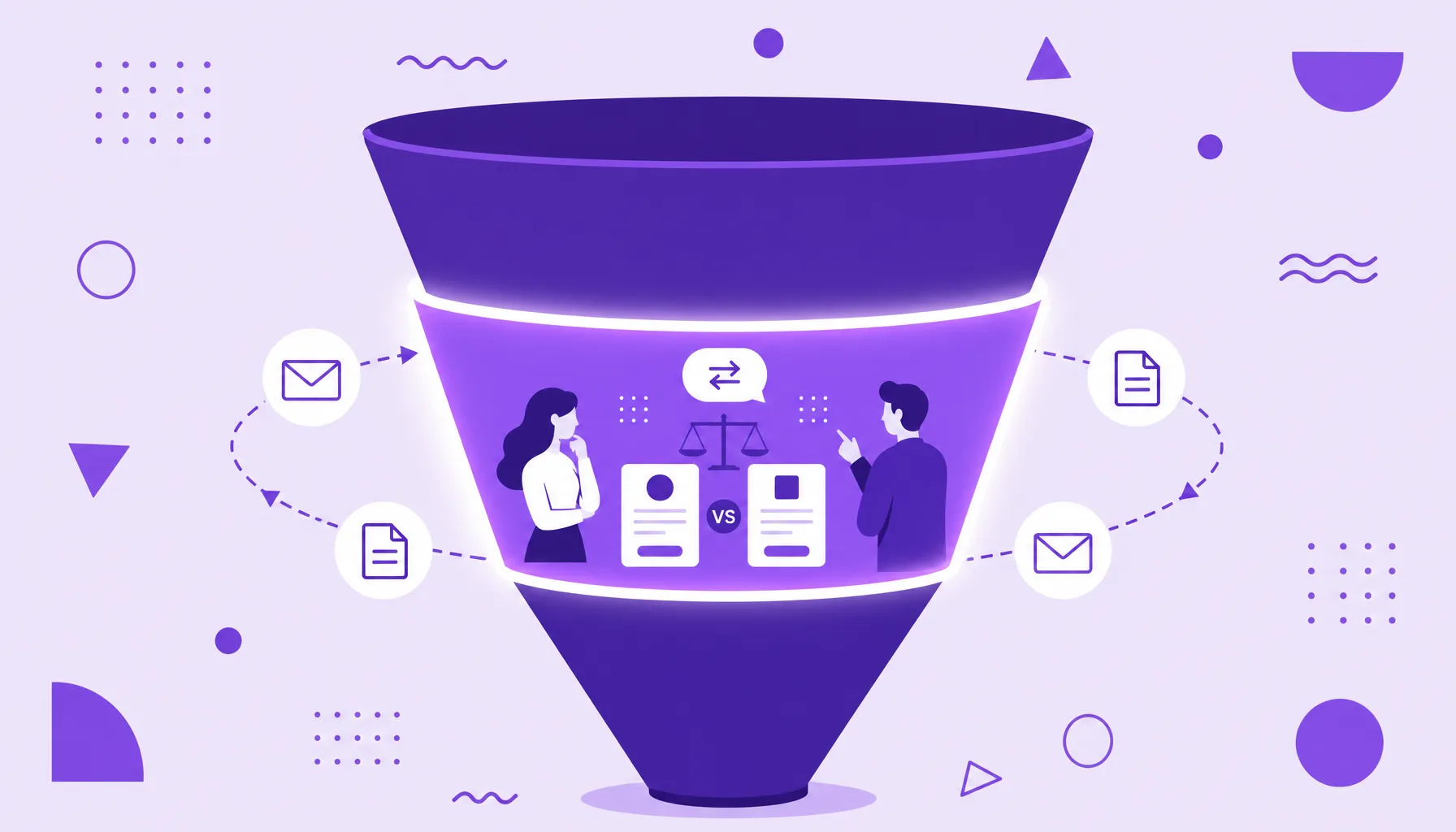
Middle of the funnel (MoFu, from middle of the funnel) is the consideration stage of the marketing and sales funnel, between the attraction of the top and the decision of the bottom. At this point the person already understands they have a problem and starts evaluating ways to solve it. Middle of the funnel content nurtures and qualifies the lead with deeper materials, such as ebooks, webinars and case studies, helping to compare solutions without forcing the sale.
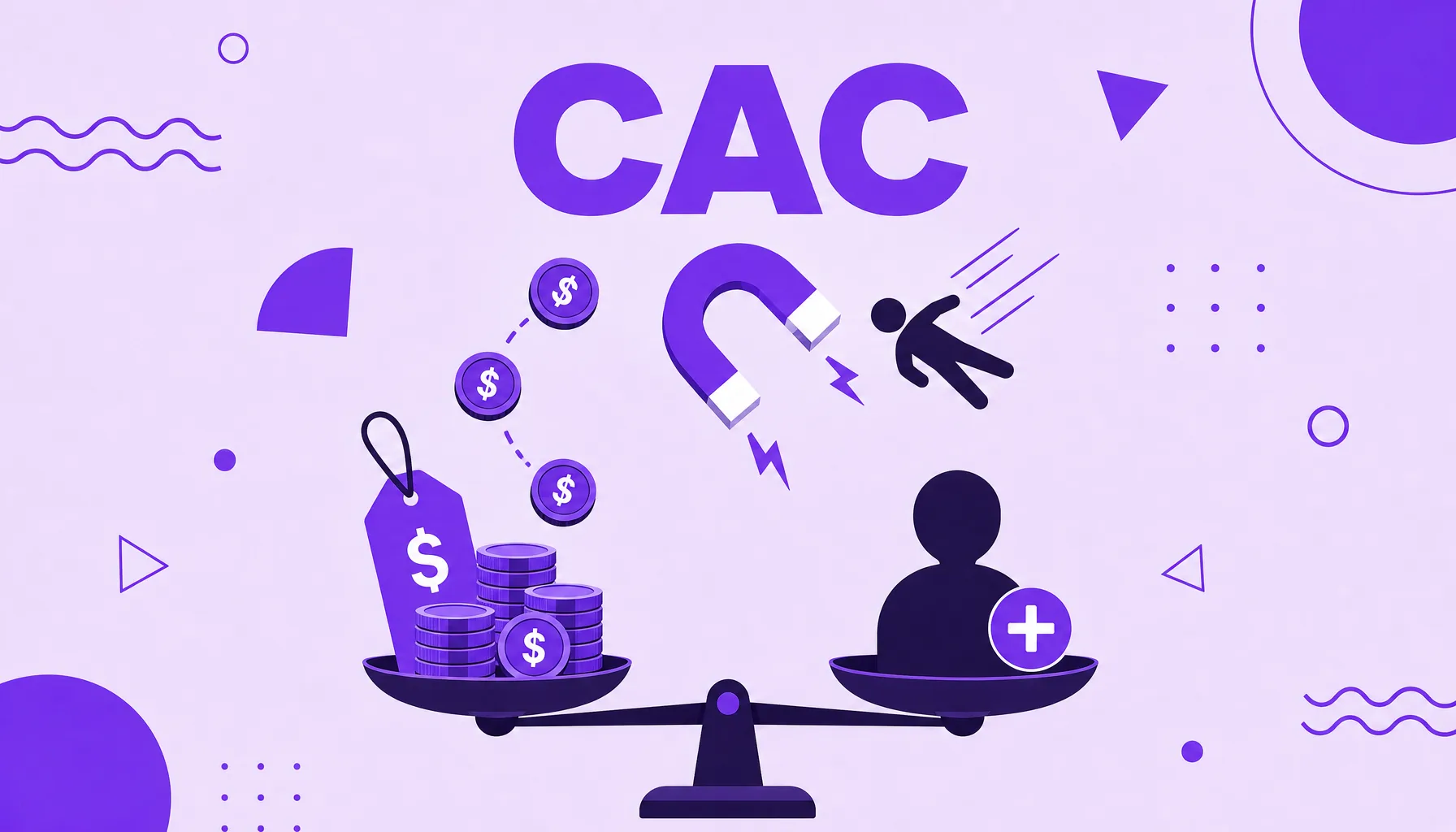
Customer acquisition cost
CAC stands for Customer Acquisition Cost, the metric that shows how much a company invests, on average, to win each new customer. It adds up all marketing and sales spending in a period and divides it by the number of customers acquired in that same period. It is a central efficiency indicator: the lower the CAC compared to the value the customer generates, the healthier the business growth.
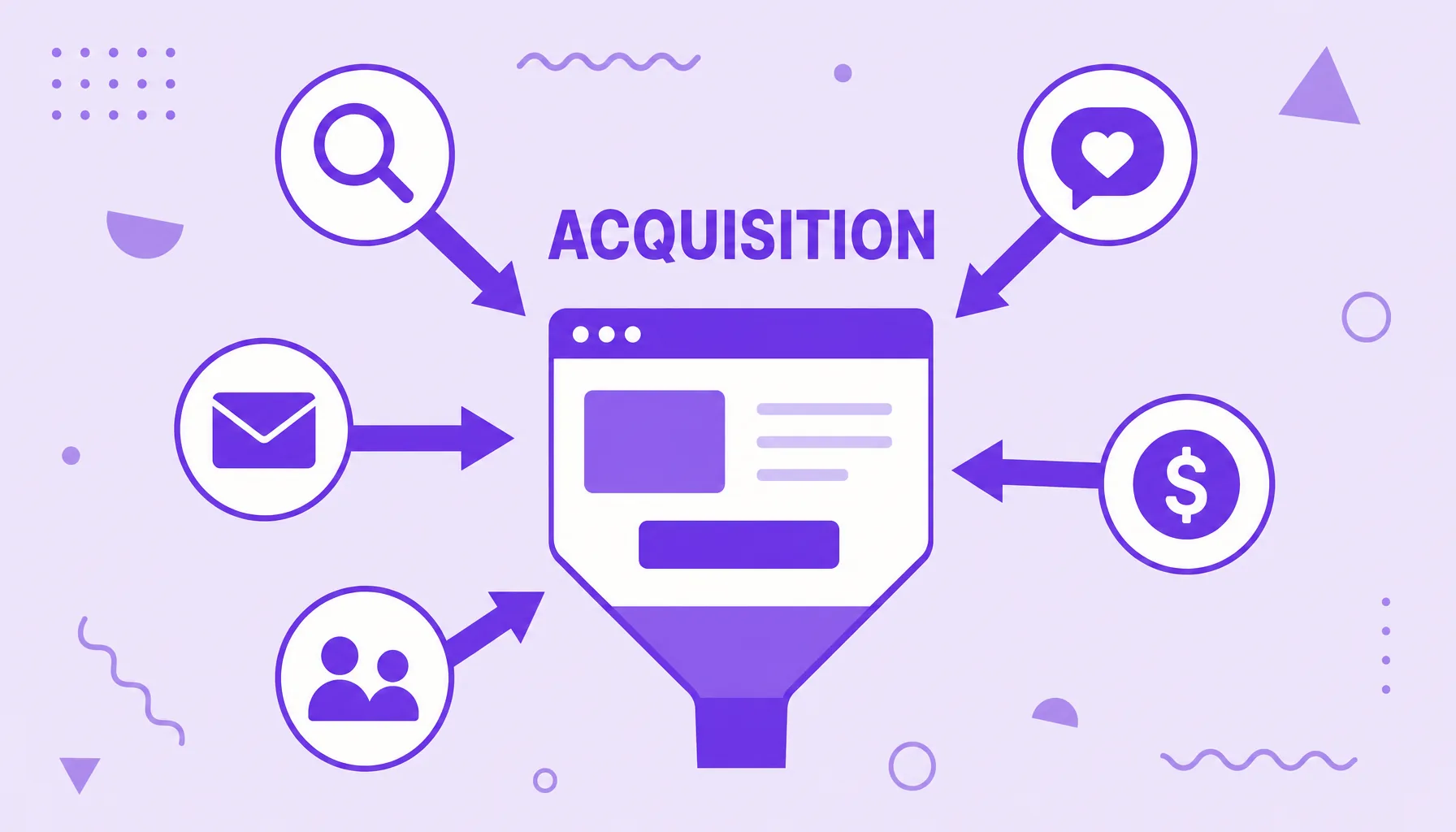
Acquisition channels
Acquisition channels are the different sources through which a company attracts visitors, leads and customers, such as organic search, paid media, social networks, email marketing, referrals and direct traffic. Each channel has a cost, a pace and a type of audience, and choosing the right ones for your business is what defines the predictability and efficiency of acquisition.
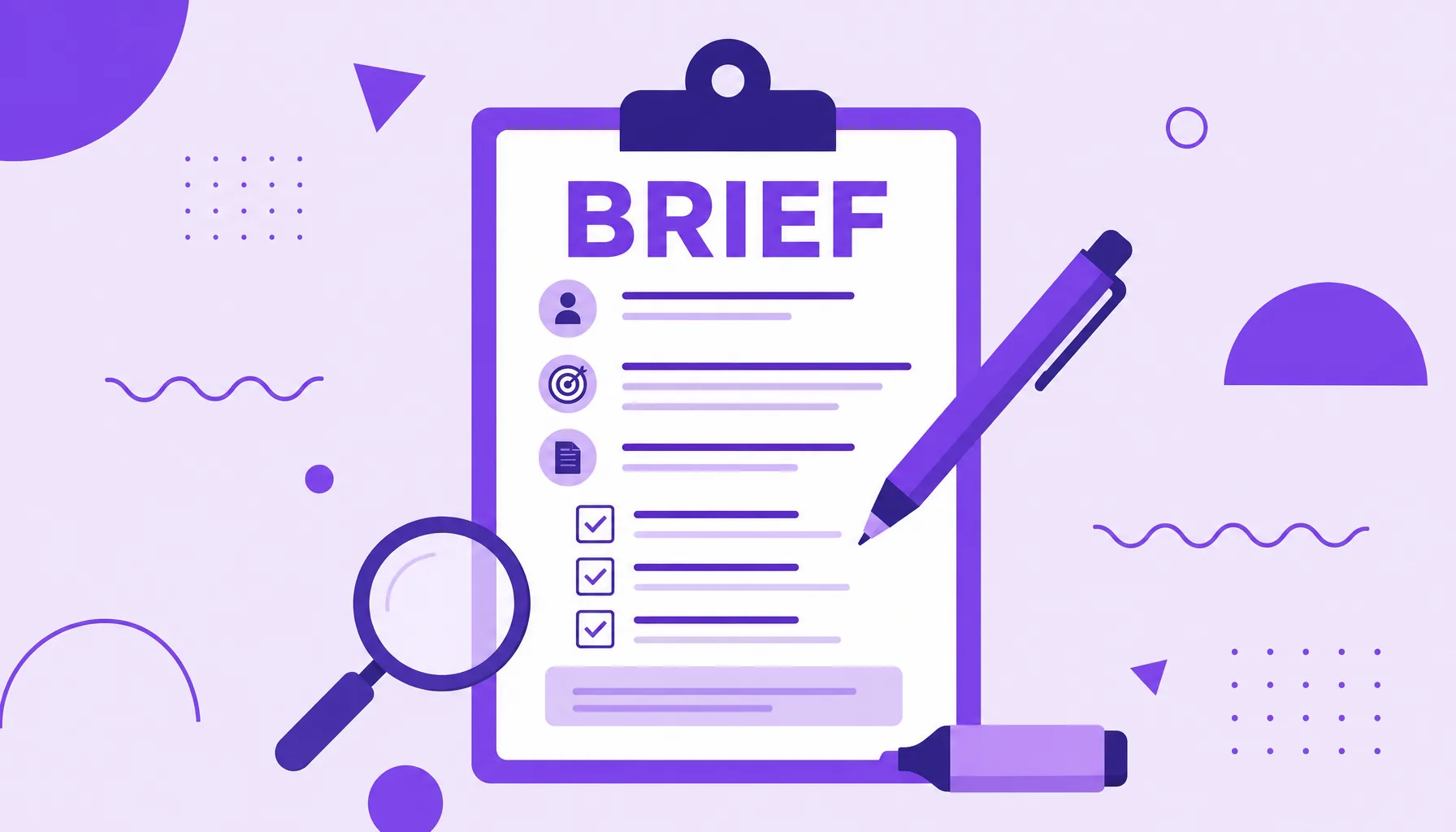
Content brief
A content brief is the document that guides the production of a text before writing begins, gathering in one place the goal of the piece, the target keyword, the search intent, the audience, the topics to cover, the heading structure and the references. It works as a map that aligns strategist, writer and editor, reduces rework and makes sure the article is born optimized for SEO and consistent with the blog's strategy.
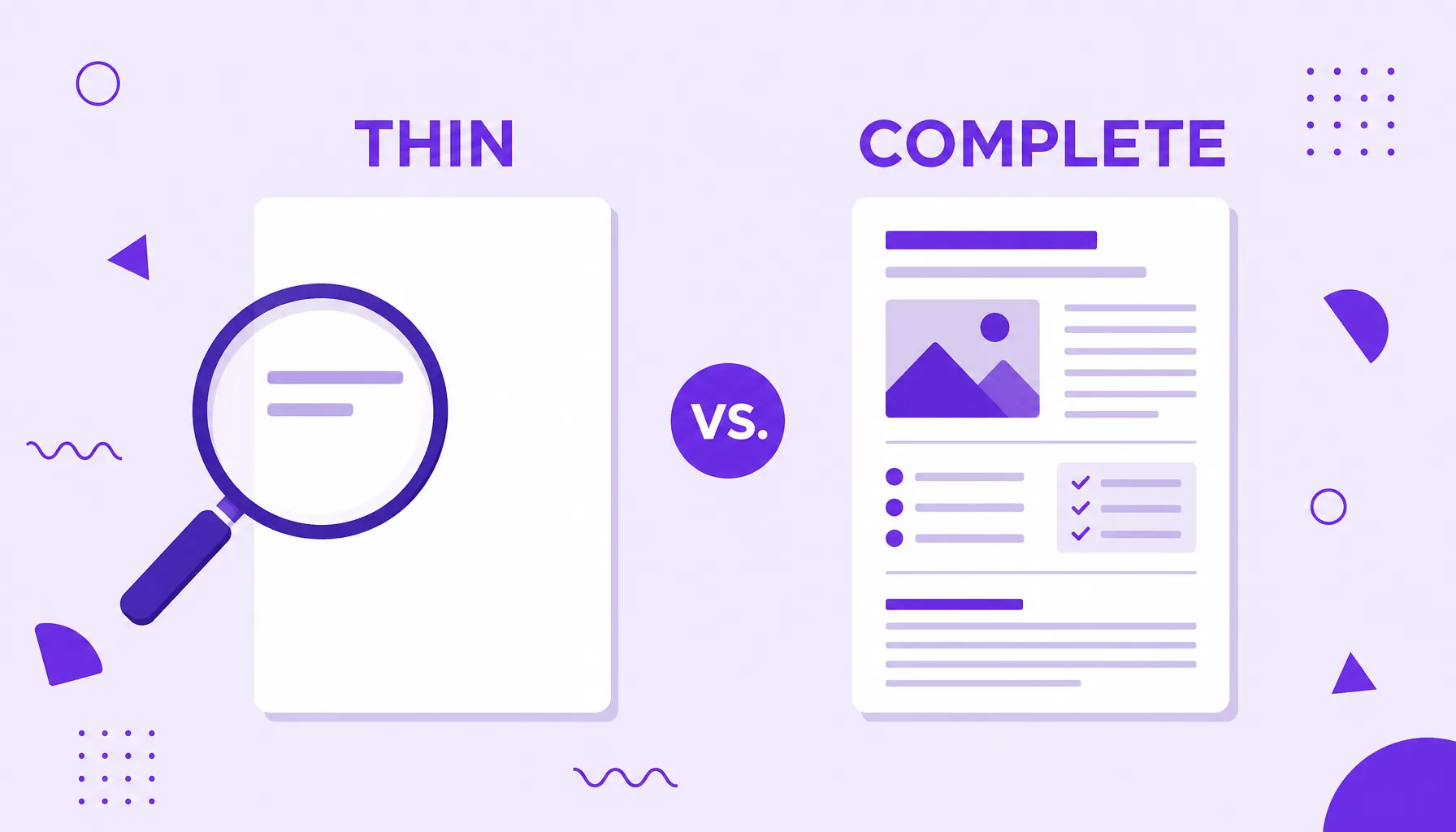
Thin content
Thin content is the page that offers little or no real value to searchers: short, generic text, copies of other sites, mass-produced content with no review or pages created just to try to rank. For Google, this kind of material does not deserve good positions and, in excess, it can affect the assessment of the whole site. Fixing thin content means deepening, merging or removing these pages so each one truly answers the user's intent.
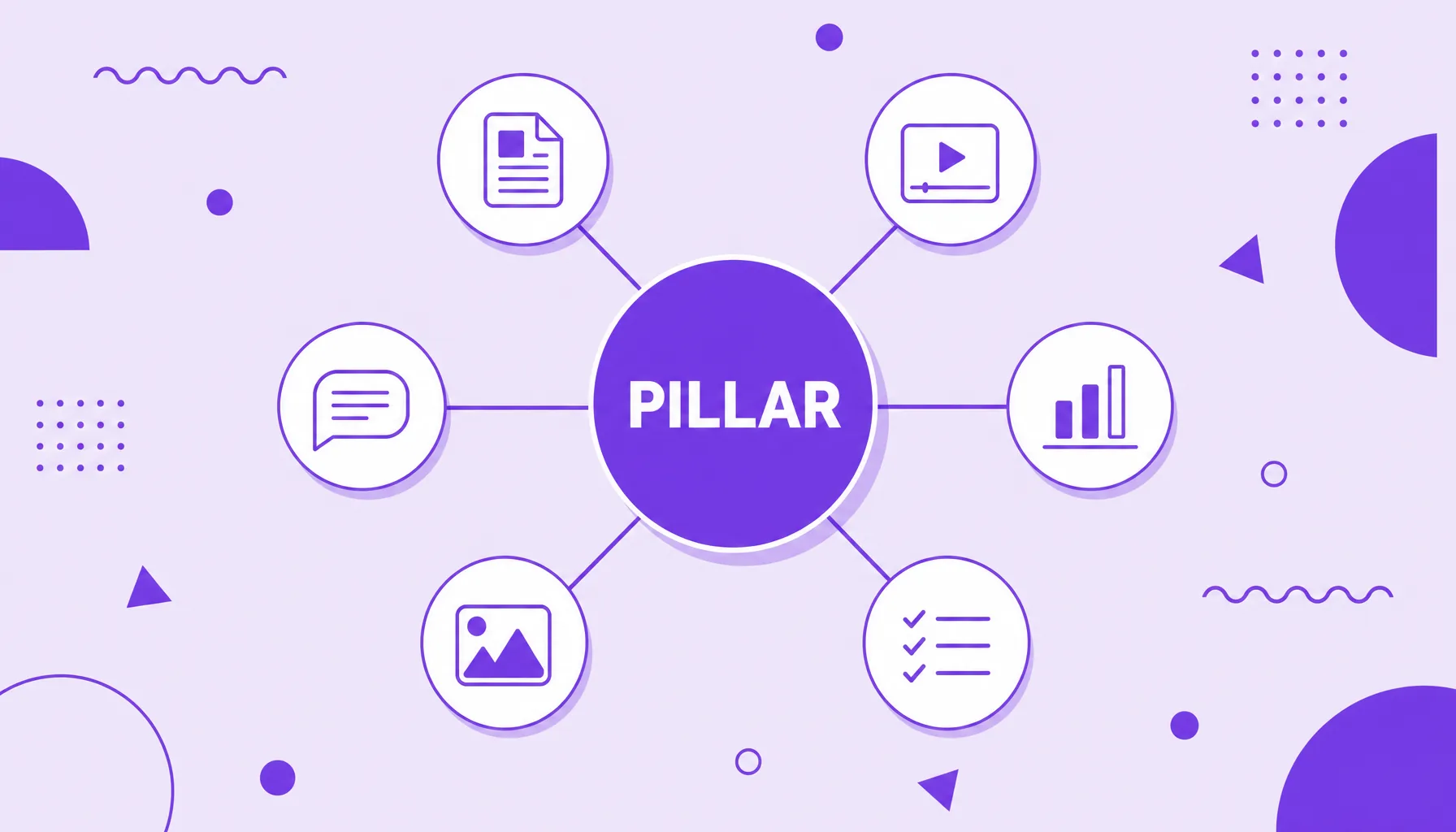
Content cluster
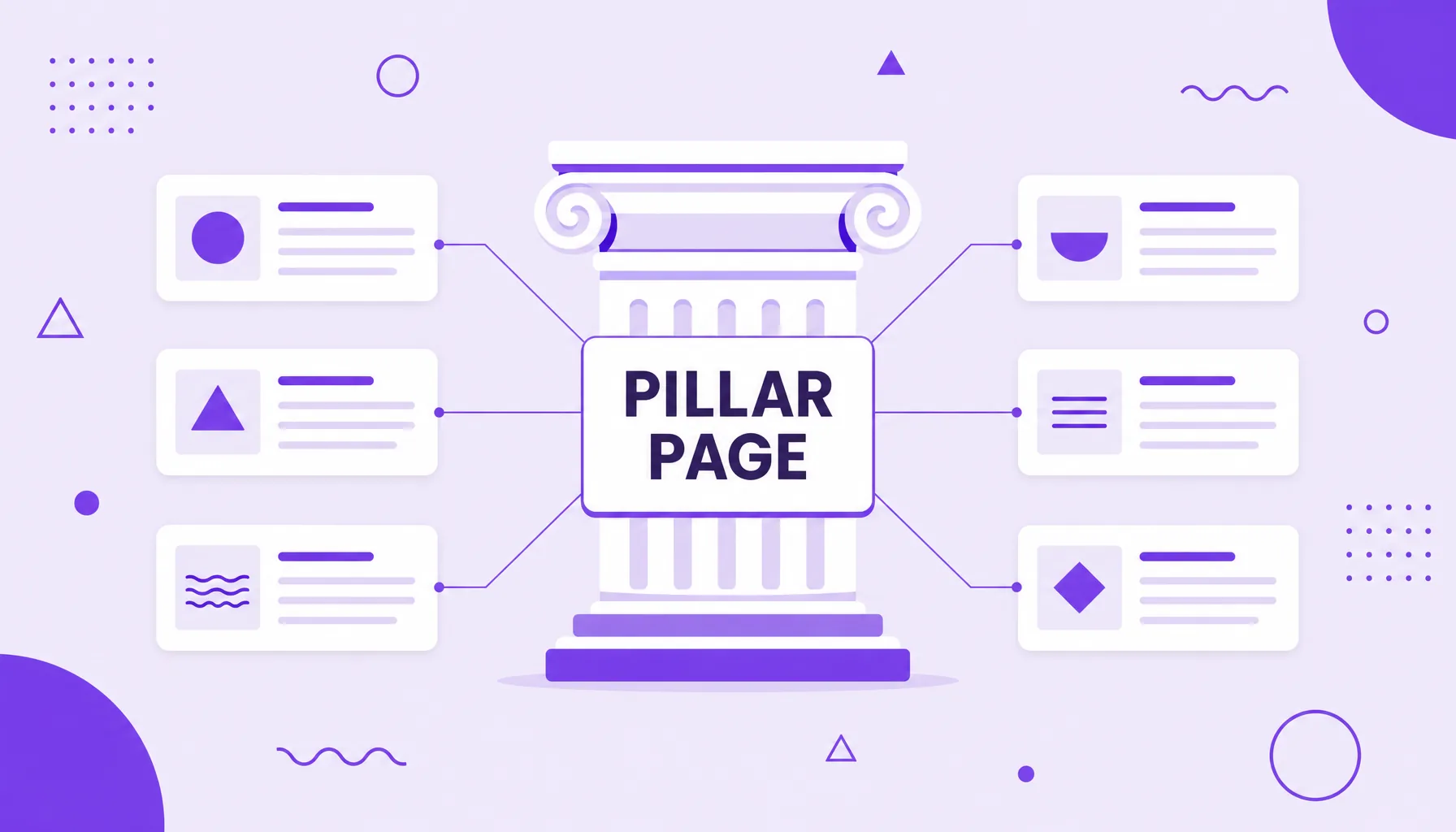
A content cluster is an organization strategy in which several pages about subtopics of the same subject are connected to a central page, called the pillar page. The pillar gives the broad view of the topic, while the supporting content goes deep on each angle, and they all link together through internal links. This architecture helps Google understand that the site covers a subject completely, which strengthens topical authority and the rankings of every page in the group.
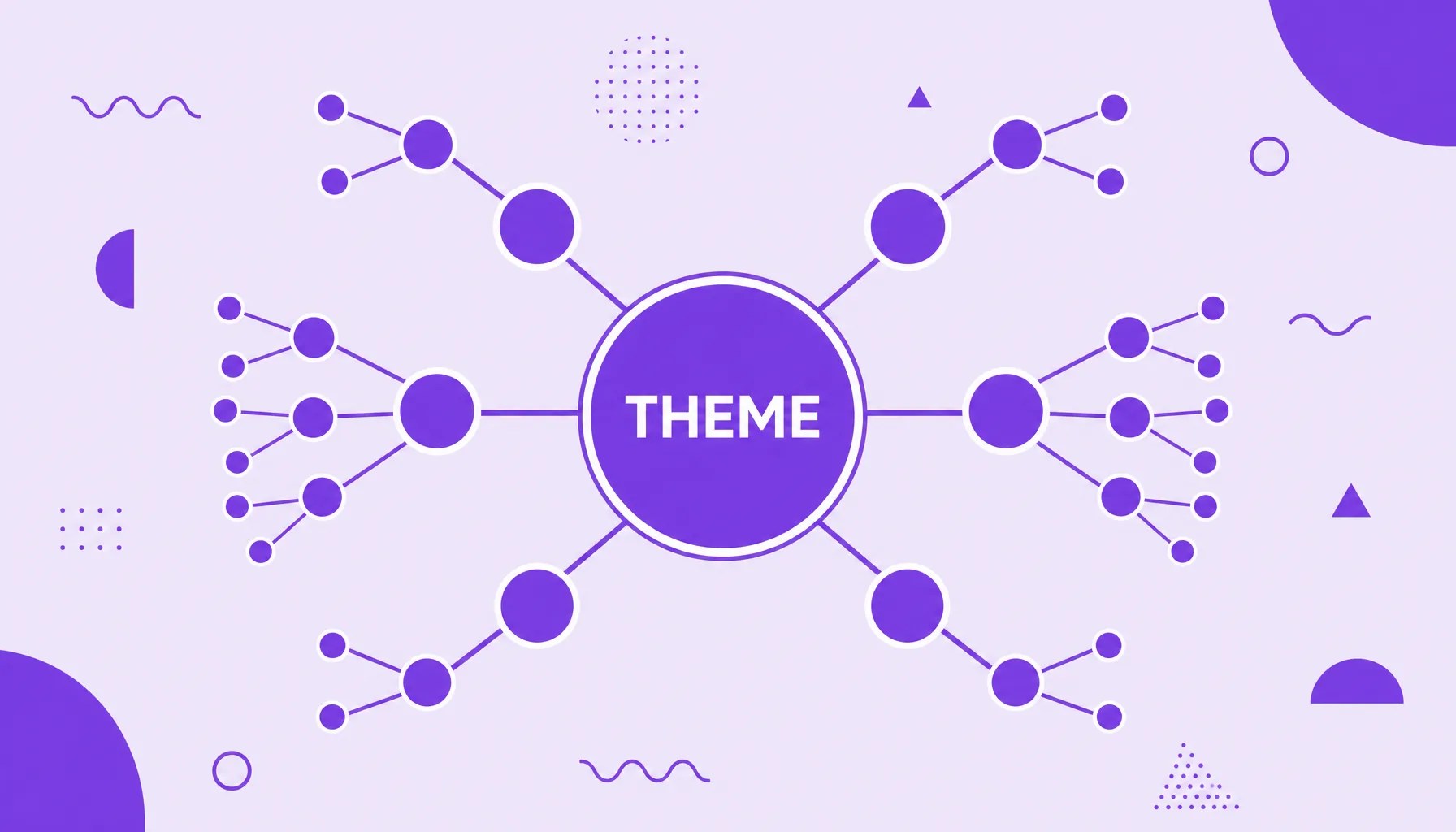
Topic map
A topic map is the visual plan of every subtopic a site needs to cover in order to own a subject. It starts from a central theme and unfolds it into branches of questions, doubts and related angles, forming a map that guides content production. In practice, it is the skeleton that shows what to write, in what order and how the pages connect, and it is the planning step behind a well-built content cluster.
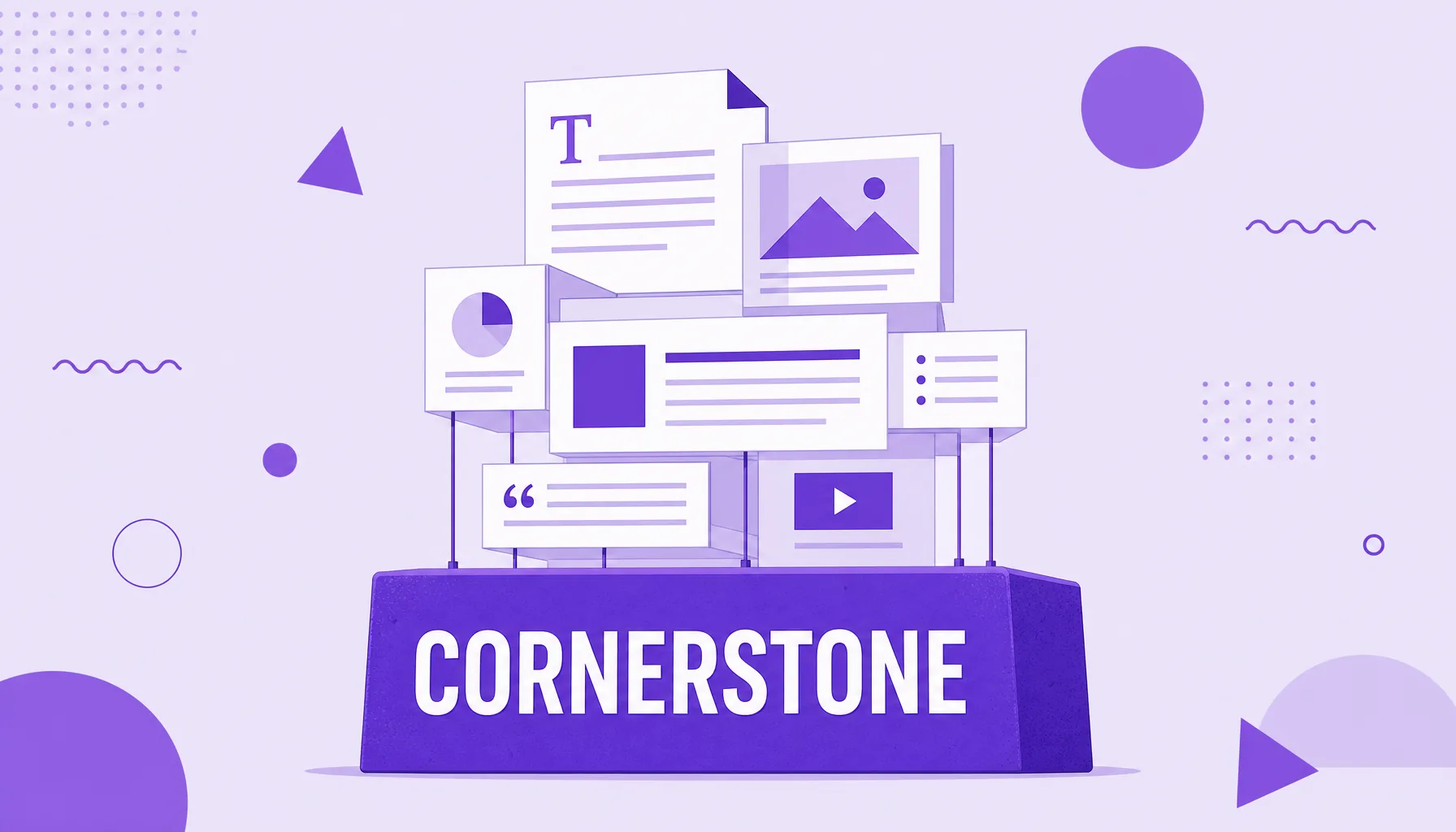
Cornerstone content
Cornerstone content is the set of the most fundamental and important pieces on a website, the pages the whole strategy rests on. They are broad, in depth articles that explain the core topics of your niche, concentrate internal links and tell Google what your greatest authority is. The idea is that of a foundation or keystone: the material you want to rank first and that supports all the smaller articles around it.
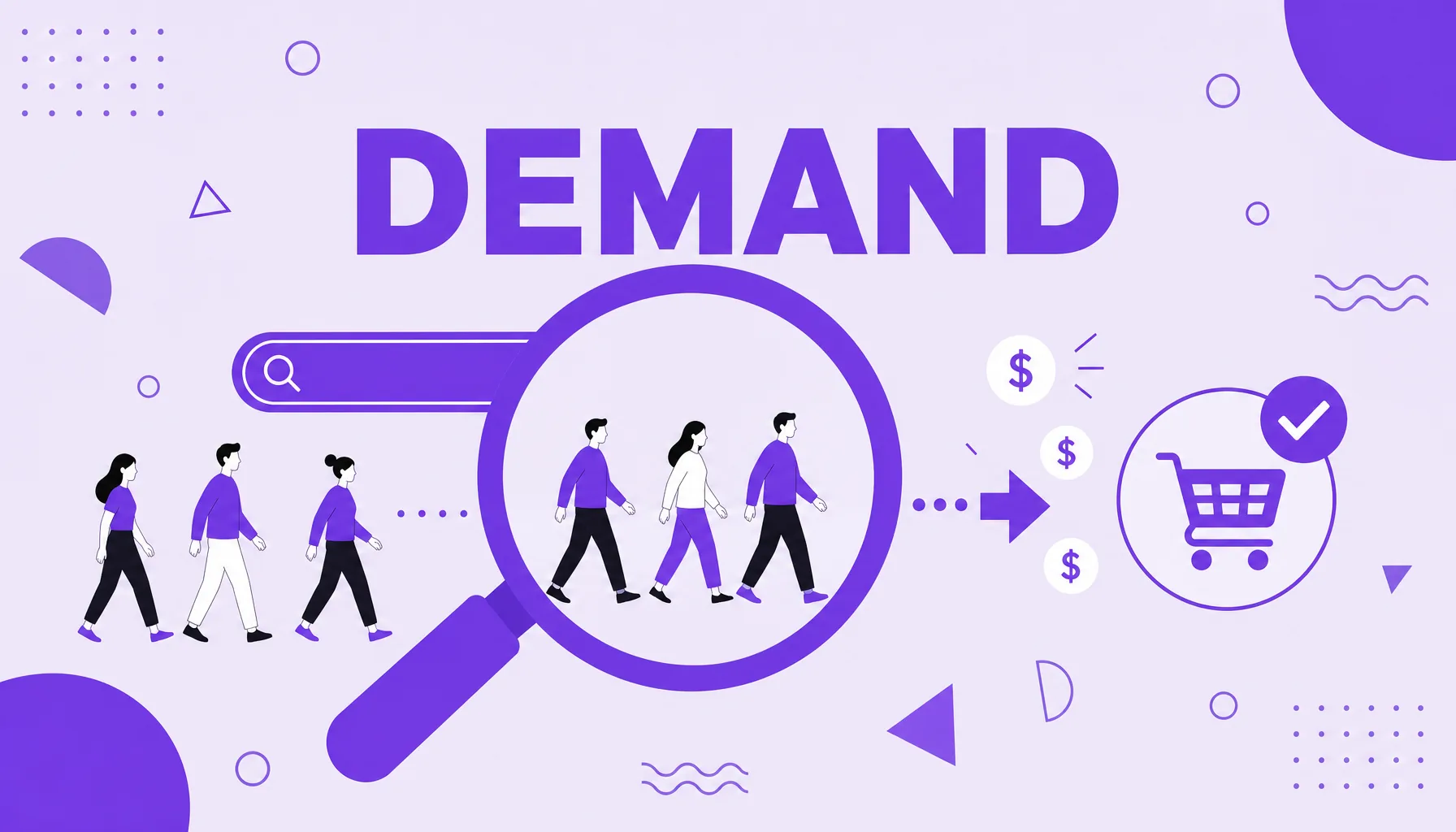
Demand capture
Demand capture is the set of marketing and sales actions aimed at converting into customers the people who are already actively searching for a solution. Instead of creating new interest, the focus is on serving the demand that already exists, showing up at the exact moment someone searches, compares or is ready to decide. It is the harvest of the strategy: while demand generation plants interest for the future, capture cashes in on the present, guiding those with clear intent toward the purchase.
Pillar page
A pillar page is a broad page that covers a wide topic thoroughly and works as the center of a group of content. It gives an overview of the subject and connects, through internal links, to several more specific articles that go deeper into each subtopic. This structure organizes a site's content around themes, helps the user navigate and signals authority on the subject to search engines.

Content Gap
A content gap is any topic or keyword your competitors already cover and your site does not yet. Content gap analysis compares your domain against competitors and against search demand to reveal these missed opportunities, which become briefs for new articles able to capture the organic traffic that currently slips away to other pages.
CRO
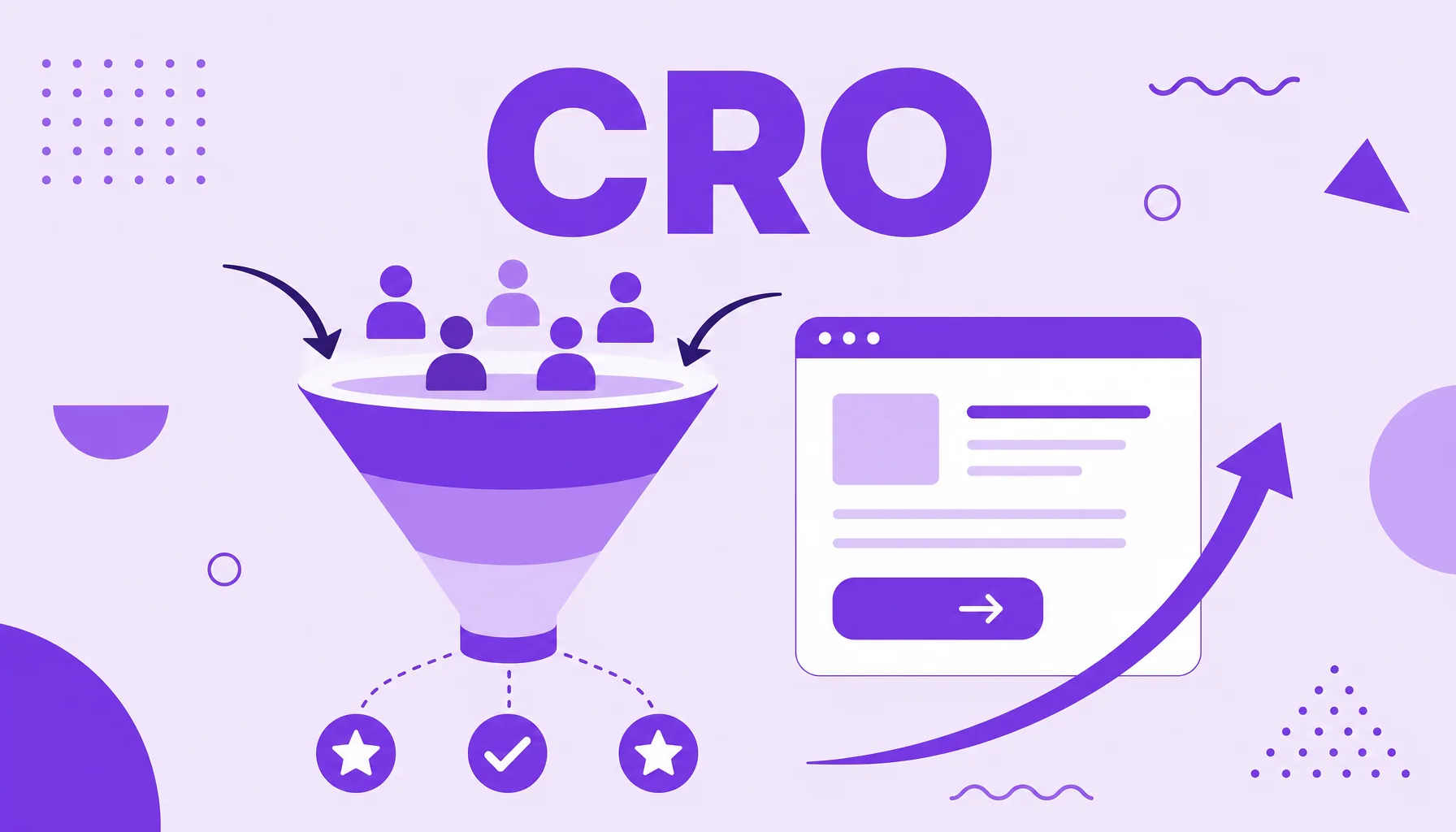
CRO stands for Conversion Rate Optimization. It is the set of practices that adjusts pages, copy and elements of a site so a larger share of visitors takes the desired action, such as filling out a form, subscribing to a newsletter or buying. Instead of chasing more traffic, CRO extracts more results from the traffic the page already receives.