
What inbound marketing is and how to apply it
By Tiago CostaUpdated on July 2, 2026
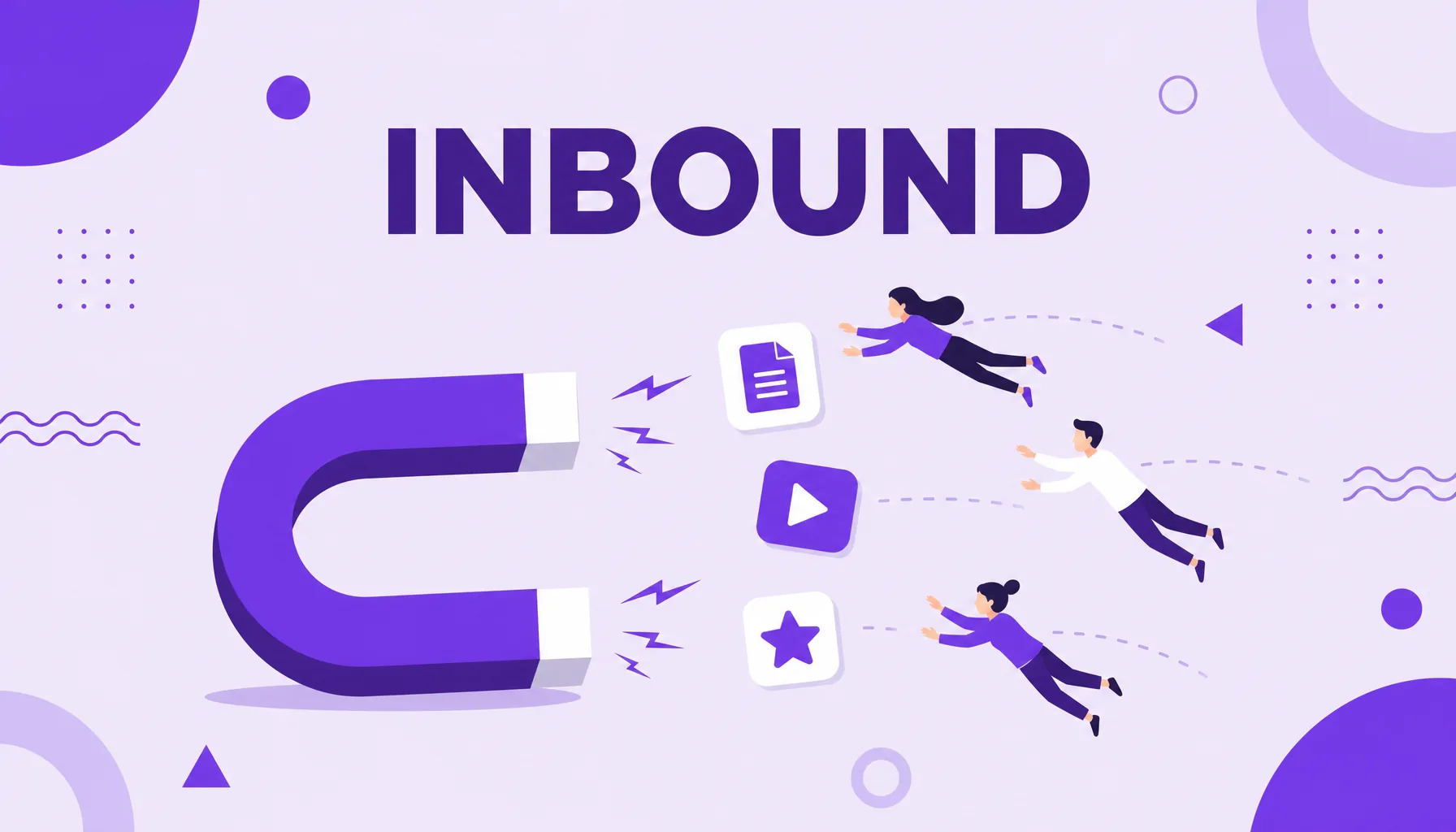
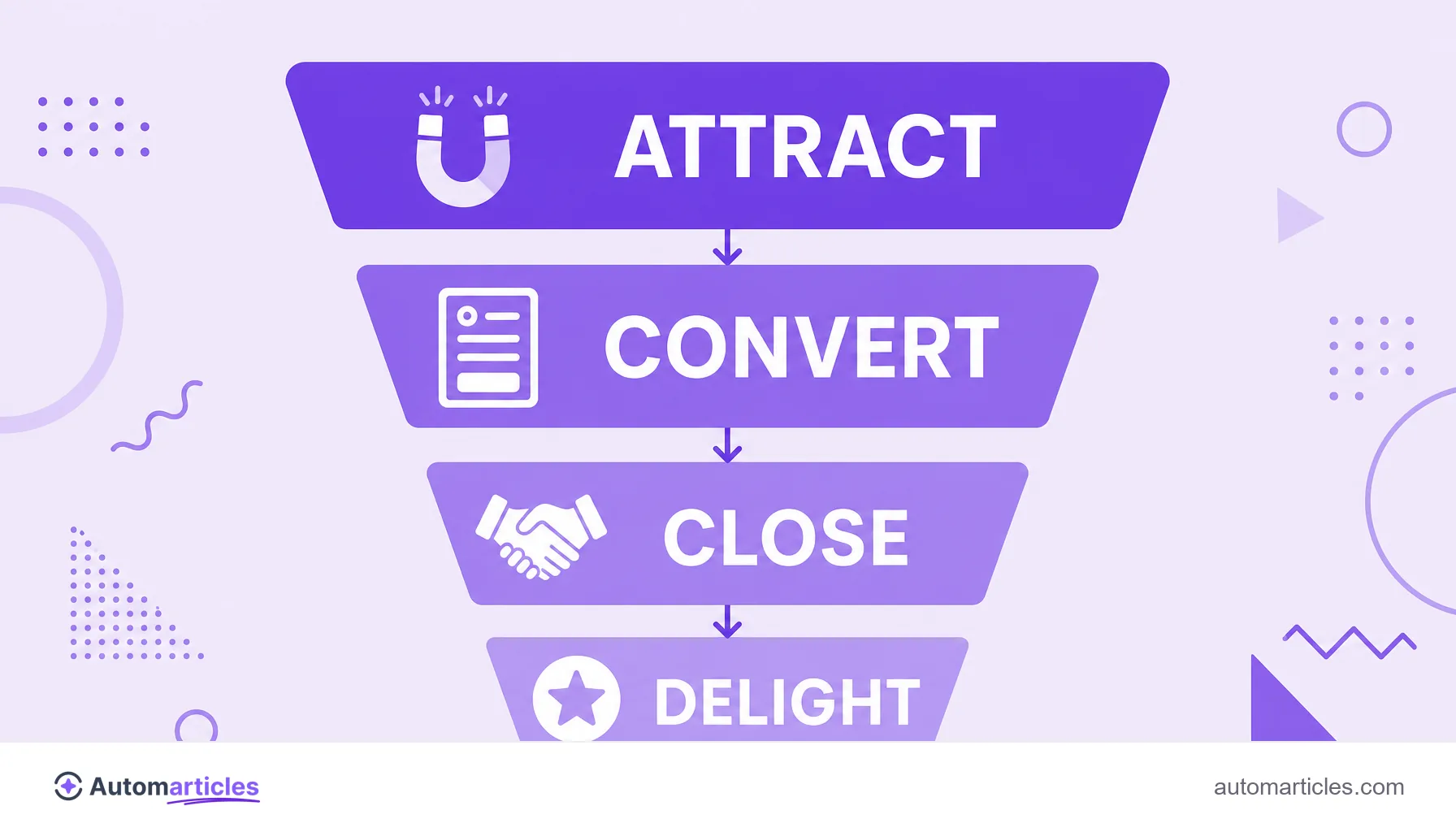
Inbound marketing is a methodology that attracts customers with relevant content instead of interrupting with ads. It usually follows four stages:
- attract visitors with content and SEO;
- convert visitors into leads;
- close, turning leads into customers;
- delight, keeping those who already bought.
What inbound marketing is
Inbound marketing, or attraction marketing, is a strategy that seeks to be found by the customer instead of chasing their attention. The core idea is simple: instead of pushing ads, the brand offers content that solves real doubts and problems, and that is what attracts the right people.
This content shows up at the moment the person is searching, mainly on Google. That is why inbound goes hand in hand with SEO: a well ranked article attracts visitors continuously, with no cost per click, working as an asset that keeps delivering for years.
The term was popularized by HubSpot and today it is the foundation of much of digital marketing. The logic is to earn trust with value so that the sale happens naturally, on the customer's own time.
Inbound vs. outbound marketing
The best way to understand inbound is to compare it with outbound marketing, the traditional interruption model. The table sums up the differences:
| Aspect | Inbound | Outbound |
|---|---|---|
| Logic | Attract (the customer comes) | Interrupt (the brand goes) |
| Examples | Blog, SEO, ebooks, social media | Ads, cold calls, billboards |
| Cost over time | Decreasing (the asset builds up) | Constant (you pay per impression) |
| Relationship with the audience | Based on trust | Based on frequency |
The two models can coexist, but inbound tends to be more cost efficient. According to data from HubSpot, companies focused on inbound have a cost per lead around 62% lower than those focused on outbound.
The 4 pillars (or stages) of inbound marketing
Inbound marketing is usually described in four stages that follow the journey from stranger to loyal customer:
- Attract: bring the right audience in with content, SEO and social media.
- Convert: turn the visitor into a lead, trading valuable material for contact details.
- Close (or nurture): nurture that lead with emails and content until they are ready to buy.
- Delight: keep delivering value after the sale, turning the customer into a brand promoter.
More recent models, like HubSpot's flywheel, arrange these stages in a continuous cycle, where satisfied customers feed new attraction. The principle, however, stays the same: deliver value at every phase of the buying journey.
The tools of inbound: content, SEO and nurturing
Inbound relies on a set of tools that work together along the funnel:
- Content marketing: content marketing is the engine that attracts and educates the audience.
- SEO: makes sure that content is found in search, organically and continuously.
- Landing pages and CTAs: the landing page and a good call to action convert the visitor into a lead.
- Email and nurturing: lead nurturing guides the contact toward the buying decision.
- Persona: it all starts by understanding the persona, to speak the language of whoever you want to attract.
None of these pieces works alone. The power of inbound comes precisely from fitting them into a system that attracts, converts and retains.
How to apply inbound marketing step by step
Putting inbound into practice follows a logical sequence:
- Define the persona and the goals: know who you want to attract and what you count as success.
- Map the journey: uncover the audience's questions at each stage, from the top to the bottom of the sales funnel.
- Create content for each phase: top of funnel articles to attract, rich material to convert, proof and cases to decide.
- Optimize for search: apply SEO so the content is found by whoever is looking.
- Capture and nurture leads: use landing pages, forms and emails to move the relationship forward.
- Measure and adjust: track traffic, conversion and sales to keep improving.
Inbound is a medium term strategy: the first results take months, but the effect compounds and the cost of acquisition tends to fall over time.
Why inbound pays off
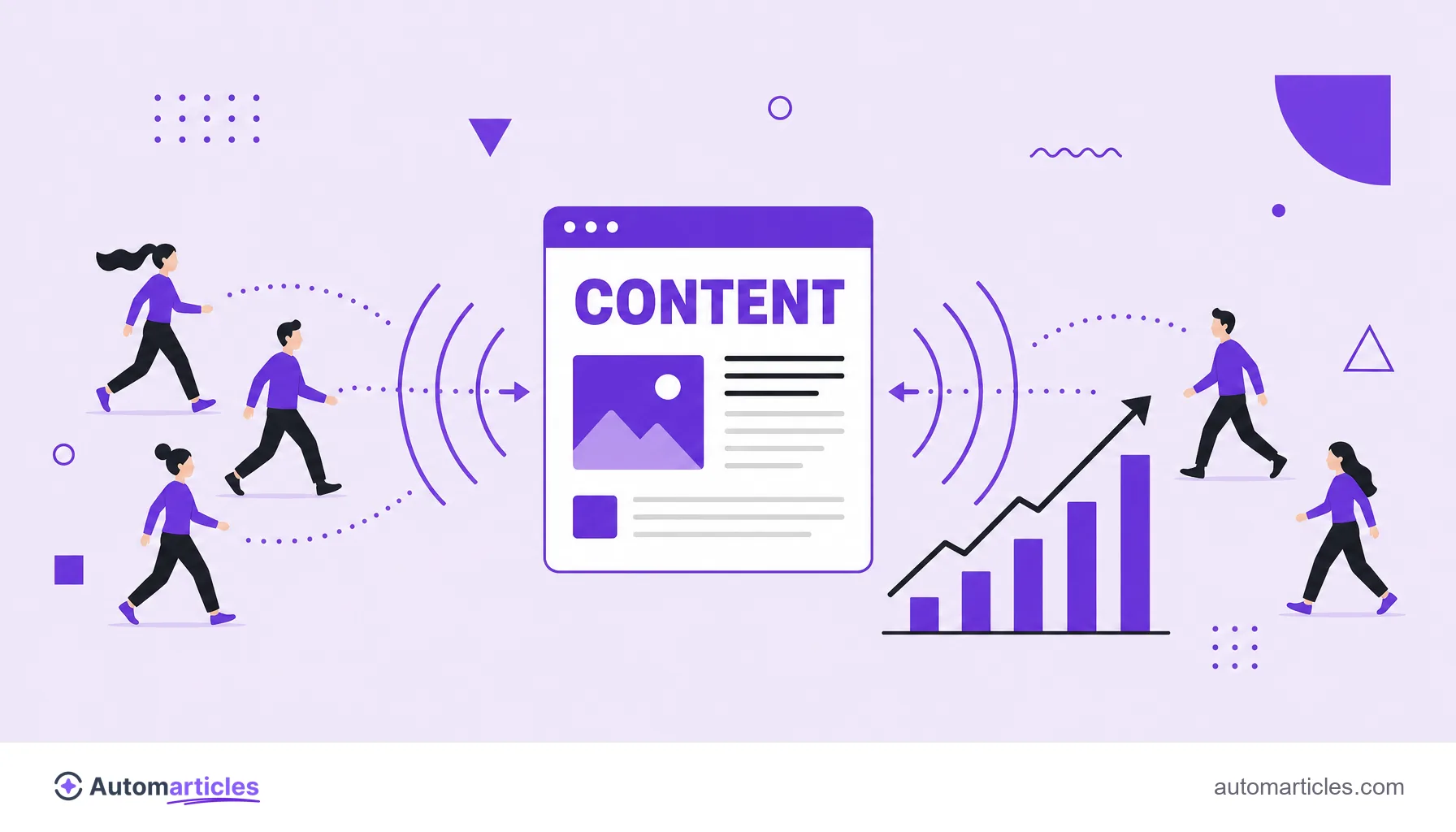
The big appeal of inbound is the compounding effect. Each piece of content published keeps attracting visitors long after it goes live, unlike an ad, which stops delivering as soon as the budget runs out.
That translates into cost efficiency. As the HubSpot figure cited above shows, the cost per lead of inbound tends to be much lower than that of outbound, and this advantage tends to grow as the content library expands.
Combined with a well designed funnel and good nurturing, inbound stops being a set of isolated actions and becomes a predictable machine for attracting and converting, working for the brand every day, even while the team sleeps.