
Lead nurturing: what it is and how to do it
By Tiago CostaUpdated on July 2, 2026
Lead nurturing is the process of maturing a contact with relevant content until they are ready to buy. In practice, it:
- keeps the relationship alive with those who have not decided yet;
- delivers the right content for each stage of the journey;
- uses automated email flows to scale;
- qualifies the lead and sets the stage for the sale.
What is lead nurturing
Lead nurturing is the practice of keeping an ongoing relationship with your contacts, delivering useful content and information until they mature and are ready to buy. The core idea is simple: most people who show interest do not want to buy at that moment, and abandoning them would be a waste.
A lead is exactly that contact who left their data in exchange for something, such as a piece of gated content or a newsletter. Instead of treating everyone as if they were ready to buy, nurturing respects each person's timing and keeps building trust along the buyer's journey.
In practice, this usually happens through automated email sequences, but also through blog content, social media and remarketing. It is a central piece of inbound marketing, in which the brand attracts and educates before selling.
Why lead nurturing matters
Nurturing leads is not just a courtesy to the customer, it is an efficiency decision. Capturing a contact is expensive, and letting it go cold without follow up throws away much of that investment in demand capture.
The numbers back the argument. According to nurturing statistics gathered by HubSpot, based on data from the Annuitas Group, nurtured leads make purchases on average 47% larger than non nurtured leads. In other words, the relationship not only raises the chance of conversion, it increases the value of each sale.
There is also an indirect effect: well nurtured leads reach the sales team better prepared, which shortens the sales cycle and reduces the customer acquisition cost. When nurturing works, the rep talks to people who already understand the value of the solution.
The types of leads: cold, warm and hot
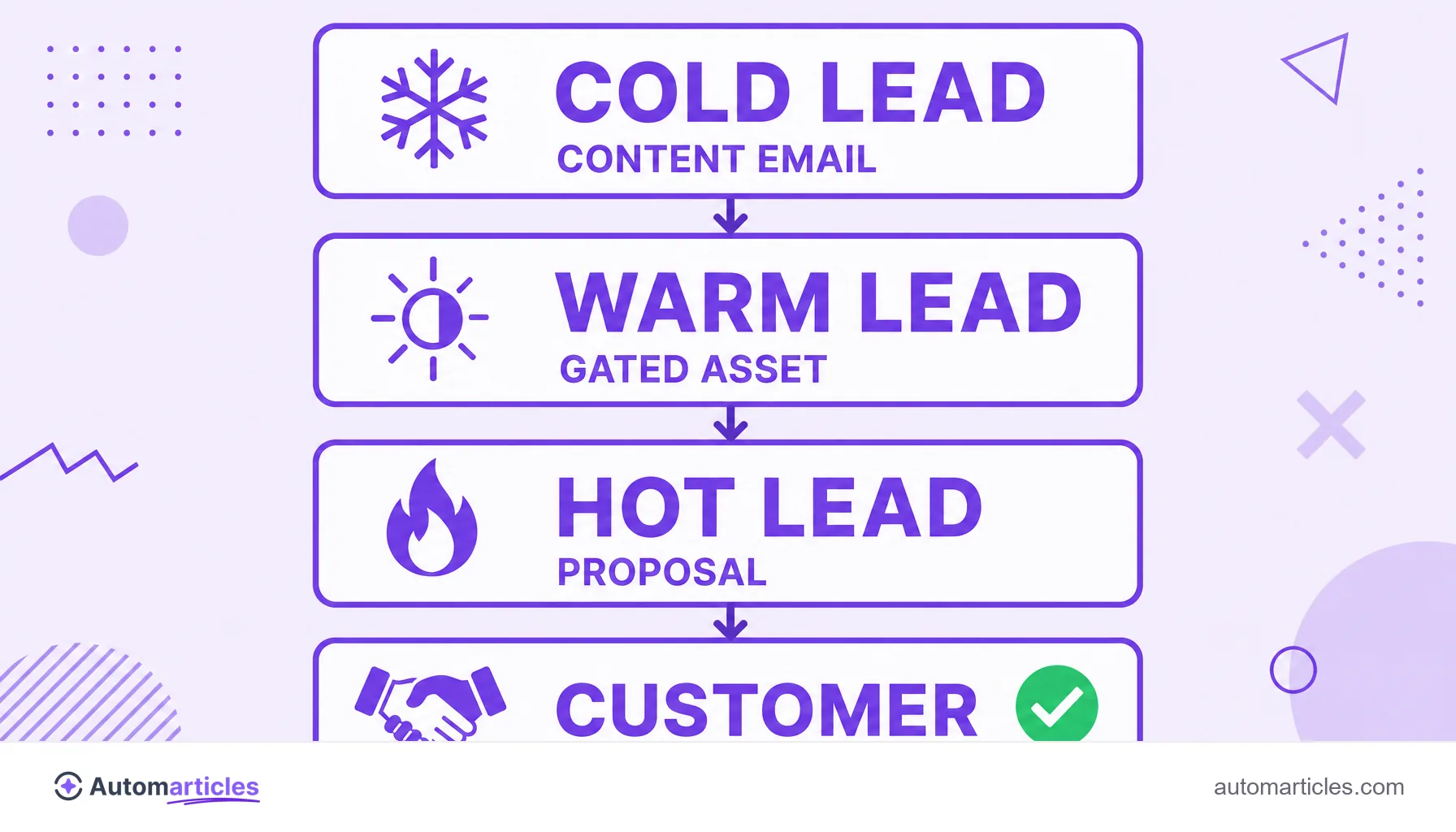
To nurture well, the first step is to understand that not every lead is at the same stage. The most common split separates three types, according to the level of interest and readiness:
| Type of lead | Moment | What it needs |
|---|---|---|
| Cold | Just met the brand, with no clear intent. | Broad, educational content. |
| Warm | Already recognizes a problem and is weighing solutions. | Materials that go deeper and compare. |
| Hot | Ready to decide, close to buying. | Proof, offers and sales contact. |
These stages follow the funnel steps: the cold lead lives at the top of the funnel, the warm one in the middle of the funnel and the hot one at the bottom of the funnel. Many companies also classify contacts as MQL (marketing qualified lead) and SQL (sales qualified lead), which helps identify the right moment to hand off to sales.
How to build a nurturing flow step by step
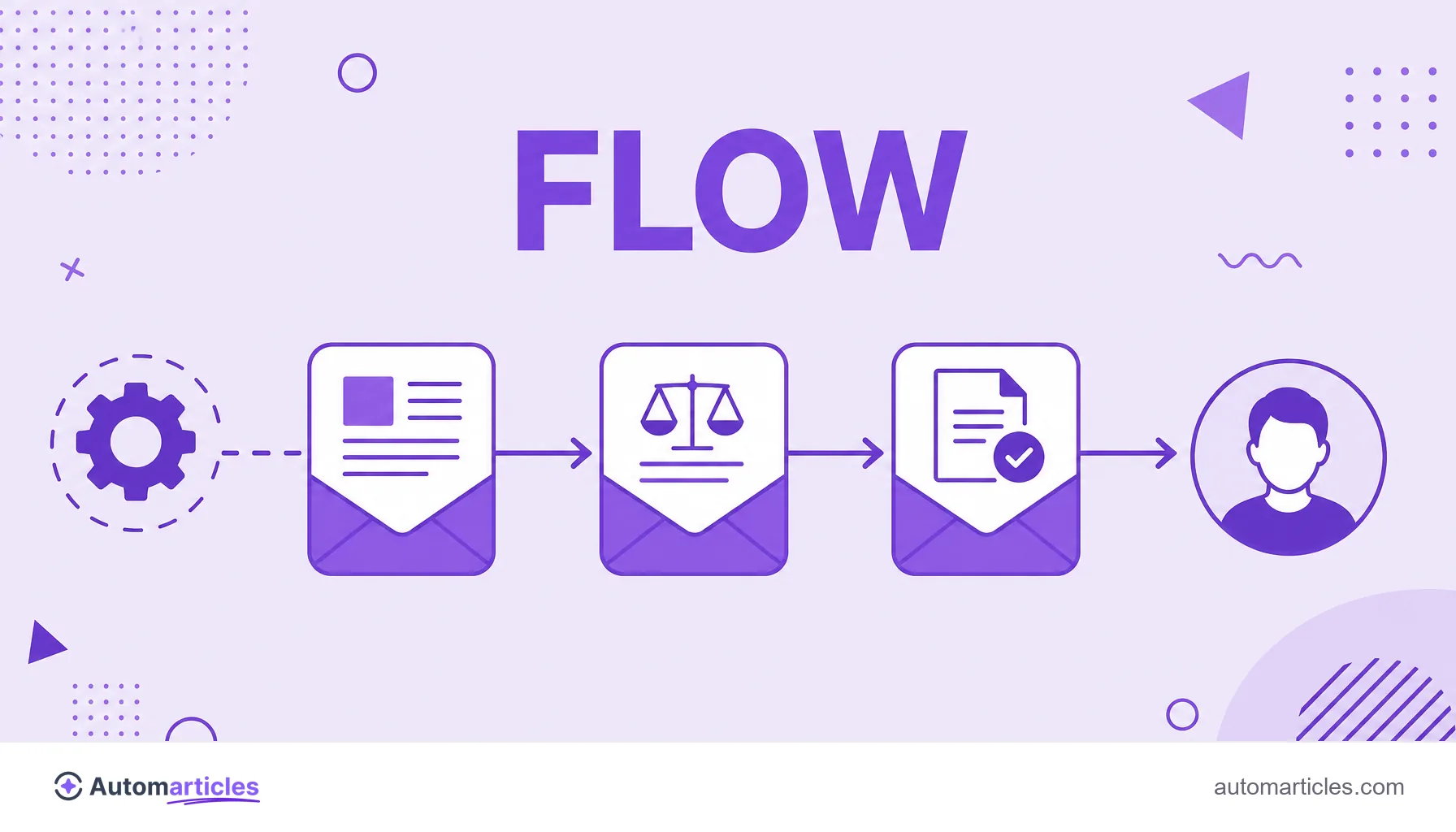
A nurturing flow is a planned sequence of messages that carries the lead from one stage to the next. Building yours takes no magic, only method:
- Segment the contacts: split leads by interest, source and stage in the journey. The same message does not serve someone who just arrived and someone who already asked for a quote.
- Define the flow's goal: each sequence should have a clear target, such as leading someone who downloaded a lead magnet to book a demo.
- Plan the content of each email: start by educating, move to comparisons and proof, and only then make the offer. Support the flow on your content funnel.
- Define triggers and pace: decide what sends each message (a click, a deadline) and respect an interval that does not smother the lead.
- Include clear calls: each email needs an objective CTA, often leading to a specific landing page.
Start simple, with a welcome flow of a few emails, and expand it as you understand your base's behavior.
Best practices and mistakes to avoid
The difference between nurturing that converts and nurturing that annoys is in the details. A few best practices do almost all the work:
- Give value before asking: most messages should help, not sell. Trust is built with usefulness.
- Personalize for real: use the lead's name, interest and behavior. Knowing your persona is what makes this possible.
- Respect the pace: too many emails push people away, too few make the lead forget the brand. Adjust the frequency by the data.
On the mistakes side, the most common are treating all leads the same, sending only offers, ignoring those who stopped opening the emails and never reviewing the flows. Autopilot nurturing that no one watches gradually stops working.
Metrics to track nurturing
To know whether nurturing is working, track indicators across the whole journey, not just the final sale. The main ones are:
- Open and click rates: show whether the subject and content of the emails are engaging.
- Progress through the funnel: how many leads move from cold to warm and from warm to hot along the flow.
- Conversion into opportunity: how many nurtured leads turn into real sales opportunities.
- Time to purchase: how much the flow shortens the cycle between the first contact and the close.
When one of these metrics stalls, that is where the flow is leaking. Adjusting the content, the segmentation or the pace at that point usually unblocks the rest of the journey, healthily feeding the sales funnel.