
What a lead magnet is and how to create one
By Tiago CostaUpdated on July 2, 2026

Lead magnet is a free piece of content offered in exchange for a visitor's contact. A good lead magnet is usually:
- specific, solving a narrow problem for the audience;
- quick to consume, with value perceived right away;
- aligned with the product or service you sell;
- delivered right after a form is filled in.
What a lead magnet is
Lead magnet is a free resource a company offers to convince a visitor to leave their contact details, almost always the email. It is something valuable that attracts the person and starts a relationship.
The exchange is simple and transparent. On one side, the visitor gets an ebook, a spreadsheet or exclusive access; on the other, the company gains a lead, that is, an identified contact it can keep talking to. This is how demand capture starts turning into a sales opportunity.
Without a clear offer, most visits simply leave without a trace. The lead magnet exists to reduce that waste, giving the visitor a good reason to identify themselves.
How a lead magnet works in practice
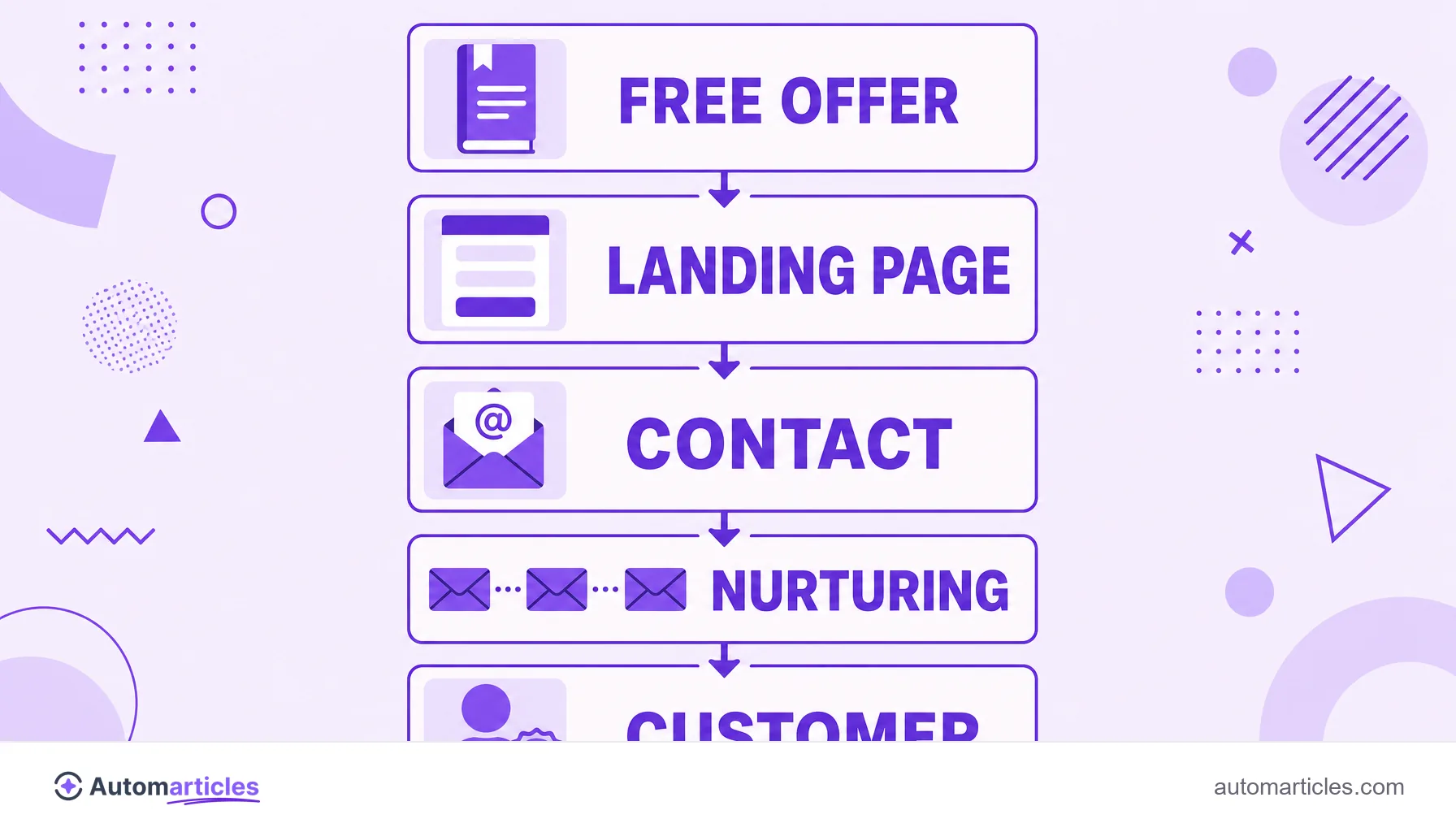
The lead magnet is the centerpiece of a value exchange mechanism. The path is usually the same:
- Attraction: content, an ad or a post brings the person to an offer.
- Offer: a landing page presents the material and the capture form.
- Action: a clear CTA invites the visitor to enter their email to get the resource.
- Delivery: the material arrives right away, by email or direct download.
- Relationship: the new contact enters a lead nurturing sequence.
Since most of this traffic is still at the top of the funnel, the goal of the lead magnet is not to sell right away, but to start a conversation with someone who has shown interest in the topic.
Types of lead magnet
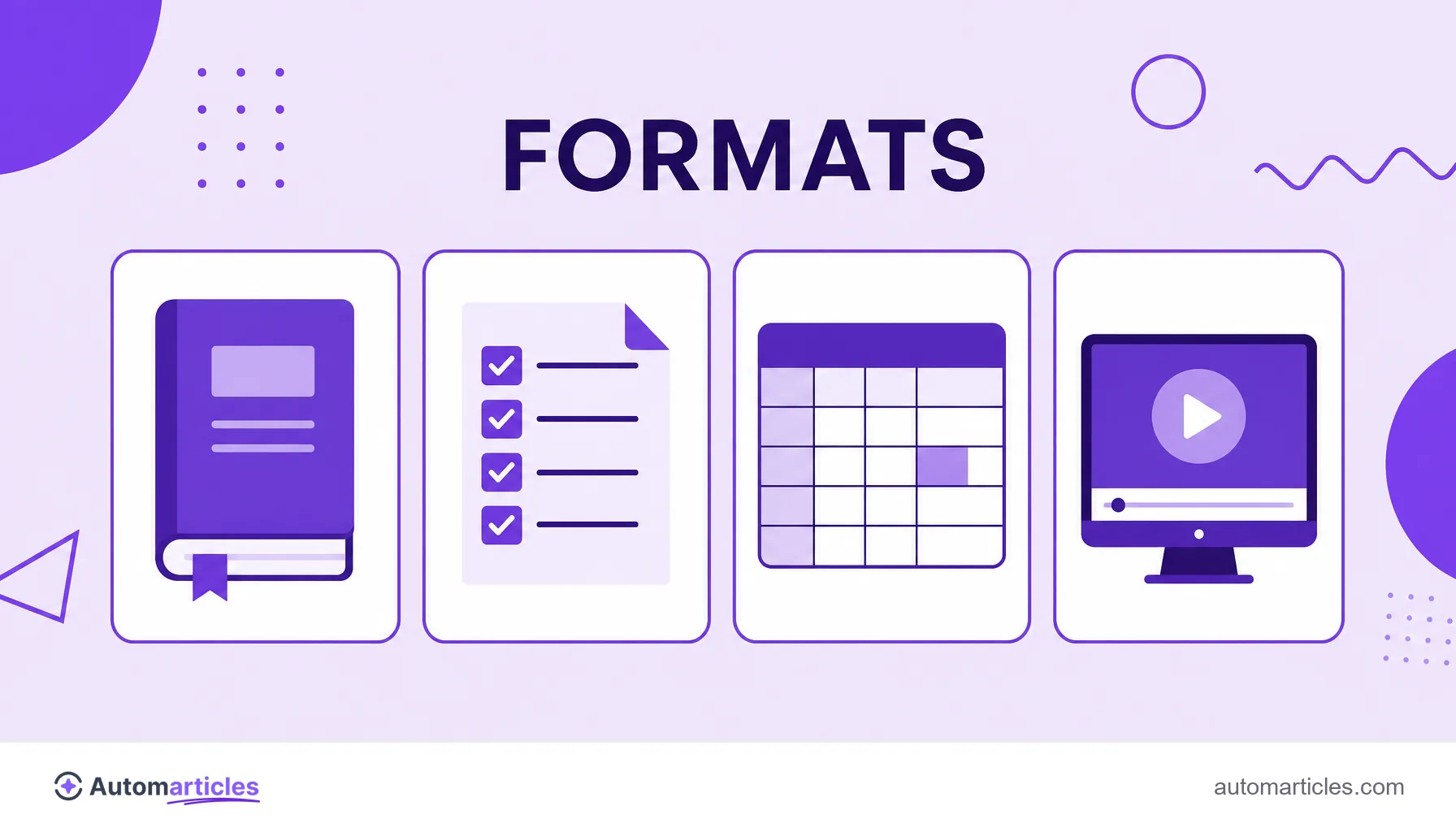
There is no single right format. The best lead magnet is the one that quickly solves a problem for your audience. The most common formats are:
| Format | Good for |
|---|---|
| Ebook or guide | Going deep on a topic and showing authority |
| Checklist or template | Delivering a quick, practical result |
| Spreadsheet or calculator | Helping with a concrete task |
| Webinar or class | Explaining something complex and building trust |
| Coupon or free trial | An audience closer to buying |
Short, objective materials like checklists and templates tend to have high perceived value because they deliver an immediate gain. Ebooks and webinars, in turn, work well to educate the audience and build long-term content marketing.
What a strategic lead magnet is
A strategic lead magnet is one that does not attract just any contact, but the right one: someone who fits your customer profile and is likely to move toward a purchase. The difference is not in the format, but in the fit between the offer and what you sell.
A few principles help you get it right:
- Specificity: a narrow promise converts better than a generic one.
- Relevance: the topic must speak to your buyer persona and to the product.
- Immediate value: the person should perceive the benefit in seconds.
That fit shows up directly in the page's conversion rate. According to the account analysis by WordStream, the median landing page converts about 2.35% of visitors, while the top 10% go beyond 11.45%. The gap between those numbers is usually the quality and focus of the offer.
How to create a lead magnet step by step
Creating a lead magnet that converts is less about pretty design and more about solving a real problem. A lean step by step:
- 1. Pick a specific pain: identify a recurring question or task your audience has.
- 2. Choose the right format: pick the type that solves that pain in the shortest time.
- 3. Promise a clear result: make the benefit explicit right in the title.
- 4. Build the capture page: create an objective landing page, with a direct CTA and few form fields.
- 5. Plan the post-download: prepare the nurturing sequence that will turn the contact into an opportunity.
Ask only for the data you will actually use. Every extra field in the form lowers conversion, so at the start the email is usually enough.
How to measure a lead magnet's performance
There is no point in creating the magnet and not tracking the result. Three indicators give the most honest picture:
- Conversion rate: the share of page visitors who become leads.
- Cost per lead: how much you invest to capture each contact.
- Lead quality: how many of those contacts move down the sales funnel.
A lead magnet that generates many sign-ups but no customers is a sign of a mismatch between the offer and the product. It is worth testing titles, formats and forms until you find the combination that attracts volume and quality at the same time.