
Middle of the funnel (MoFu): what it is and how to work it
By Tiago CostaUpdated on July 2, 2026
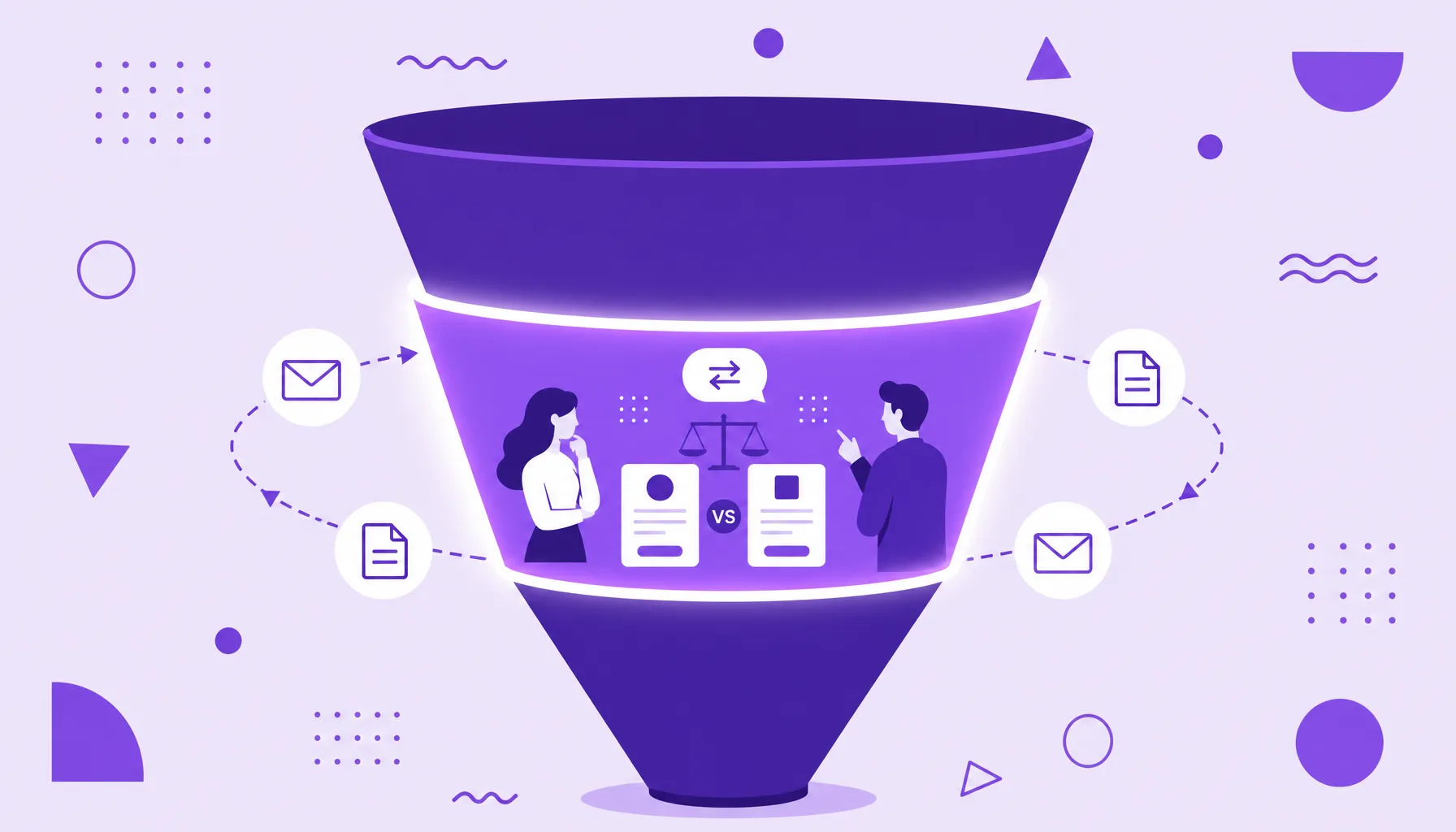
Middle of the funnel (MoFu) is the consideration stage of the funnel, when a person already knows the problem and evaluates solutions. Middle of the funnel content:
- nurtures the lead with deeper materials;
- helps compare paths and approaches;
- uses formats like ebooks, webinars and case studies;
- qualifies who has the profile to become a customer.
What middle of the funnel (MoFu) is
Middle of the funnel, or MoFu (short for middle of the funnel), is the consideration stage of the marketing and sales funnel. It is the moment when the person already understands they have a problem and starts evaluating ways to solve it, comparing approaches, formats and vendors before deciding.
Whoever reaches the middle has already gone through discovery in the top of the funnel and shown some interest, but is not ready to buy yet. That is why middle content does not talk only about the problem, as at the top, nor push the product, as at the bottom: it helps the person consider the options and shows why your approach makes sense.
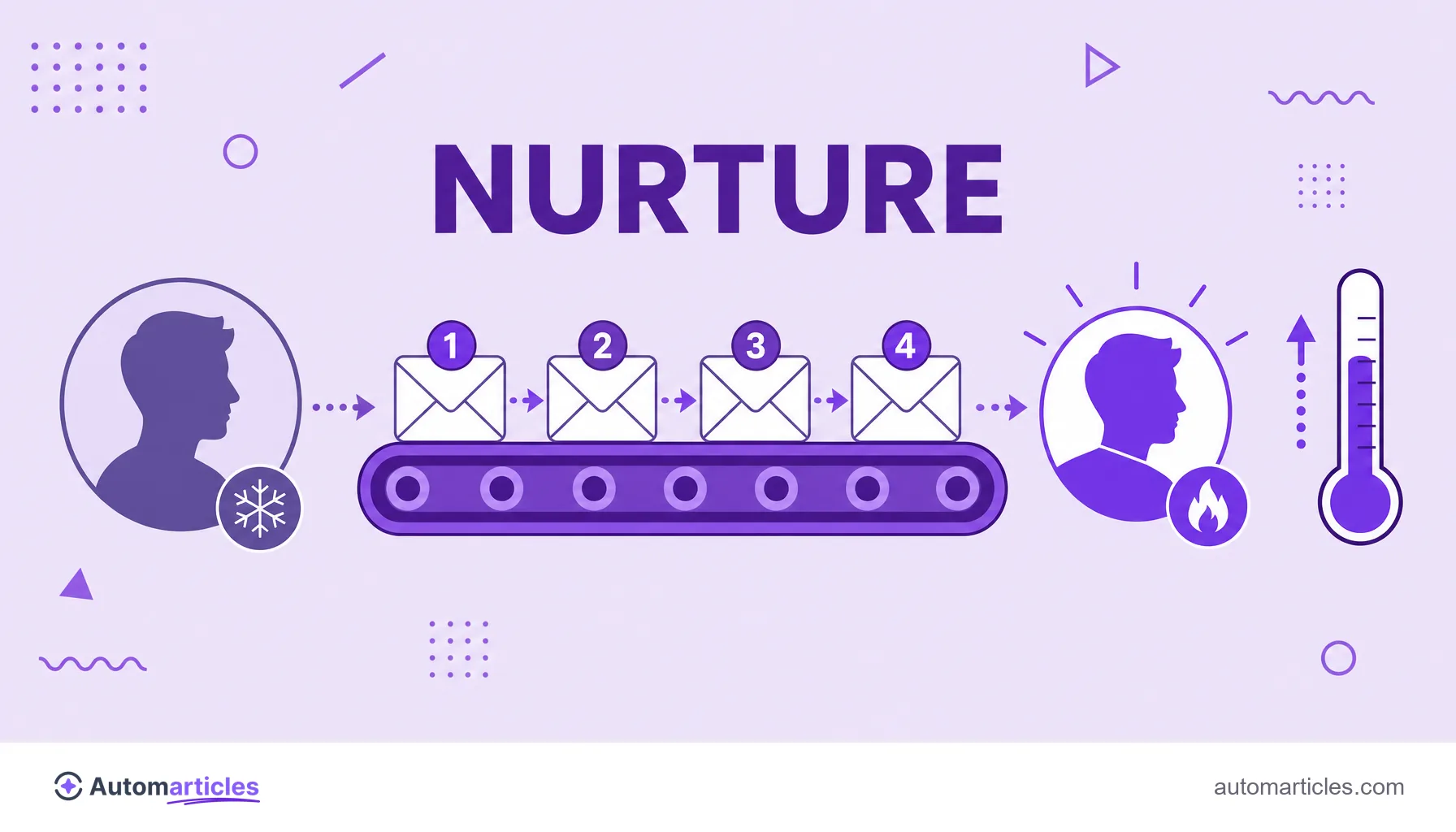
The role of the middle of the funnel is to nurture and qualify. To nurture is to deliver valuable information that matures the interest; to qualify is to identify who really has the profile to become a customer. This is where a curious visitor turns into an engaged lead, closer to advancing along the buyer journey.
Top, middle and bottom of the funnel: where MoFu fits
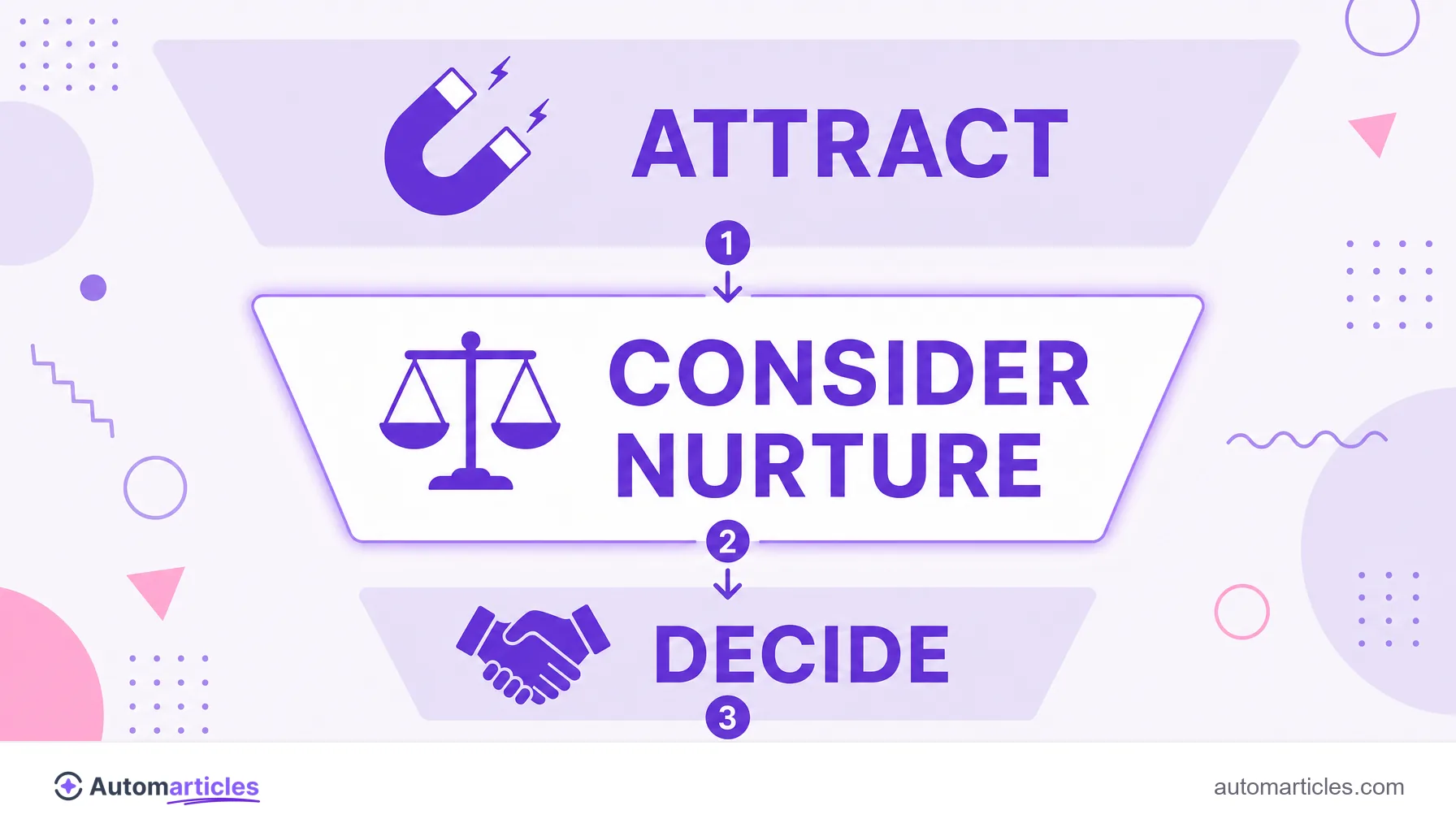
The middle of the funnel is the bridge between attraction and sale. To understand the fit, it helps to look at the three stages side by side:
| Stage | Where the audience is | Goal of the content |
|---|---|---|
| Top (ToFu) | Discovers a problem or need | Attract and educate with broad topics |
| Middle (MoFu) | Considers solutions to the problem | Nurture and qualify the interest |
| Bottom (BoFu) | Decides which solution to hire | Convince and drive the conversion |
While the top of the funnel attracts a broad audience and the bottom of the funnel drives the decision, the middle does the quiet work of keeping interest alive and separating those with potential from those who just came by out of curiosity. Skipping this stage is a common mistake: without consideration, much of the leads generated at the top go cold before reaching the sales funnel.
What content works at the middle of the funnel
In the middle, content needs to deepen the topic and help the person compare paths. It answers more specific questions, of the which solution do I choose and why type, and usually asks for a bit more attention than a quick top read. The formats that work best are:
- Ebooks and in depth guides: rich materials that explore the problem and the possible solutions in detail.
- Webinars and recorded classes: content that teaches and, along the way, demonstrates command of the subject.
- Case studies: they show real results and help the person picture themselves using the solution.
- Comparisons and buying guides: content that places approaches side by side, without hiding trade offs.
- Email sequences and newsletters: they keep the contact warm over time.
The rule is clear: if the content helps the person compare paths and consider your approach, it is middle of the funnel. Much of this material sits behind a landing page with a form, which turns traffic into contacts and feeds content marketing with data about who is actually interested.
Middle of the funnel actions in practice
The middle of the funnel actions revolve around nurturing the lead and qualifying them little by little, so they reach the bottom better prepared. In practice, the main ones are:
- Email nurturing: automatic sequences that deliver the right content at the right moment, deepening the relationship.
- Lead scoring: giving scores based on engagement and profile, to know who is ready to advance.
- Segmentation: splitting contacts by interest and stage, to speak in a more targeted way.
- Remarketing: re presenting consideration content to those who already visited the site.
It is worth the investment. According to Invesp's lead nurturing research, companies that excel at nurturing contacts generate 50% more sales ready leads at a 33% lower cost. That is exactly what a well worked middle of the funnel delivers: more qualified people reaching the bottom, spending less to do so. Lead nurturing is the heart of this stage.
Video and viral content in the middle of the funnel
Two formats raise a lot of doubt in the middle of the funnel: video and the so called viral content. Both exist in the middle, but with a specific role.
A middle of the funnel video is one that deepens the topic and helps with consideration, without being a direct sales piece. This includes more complete tutorials, webinars, proof of concept demos and case study videos. The goal is not to close a deal there, but to show competence and bring the person closer to the decision.
The viral middle of the funnel content is the material that generates a lot of sharing while still educating about solutions. The term mixes the reach typical of the top with the depth of the middle. A well made comparison or a surprising data point that goes viral can attract many qualified people, but it only plays the middle role if it guides the person to the next step, with a clear call to action that leads to a rich material or to a conversation.
How to work the middle of the funnel: step by step
Working the middle of the funnel consistently is what prevents leads from leaking between attraction and sale. A routine that works:
- Map the consideration questions: list the comparisons and objections that arise when the person already knows the problem and looks for a solution.
- Create content that helps compare: buying guides, case studies and webinars that show your approach in context.
- Capture the contact with rich materials: offer that content in exchange for a sign up, turning visitors into leads.
- Nurture with segmented sequences: deliver the right next content based on the interest shown.
- Qualify and pass the baton: use lead scoring to identify who is ready and guide that person to the bottom of the funnel.
The middle of the funnel rarely gets the spotlight, but it is what ensures the quality of what reaches the sales team. A well structured middle makes the top worthwhile and the bottom convert more, because it delivers better informed and genuinely interested leads.