
Off-page SEO: what it is and how to do it
By Tiago CostaUpdated on July 2, 2026
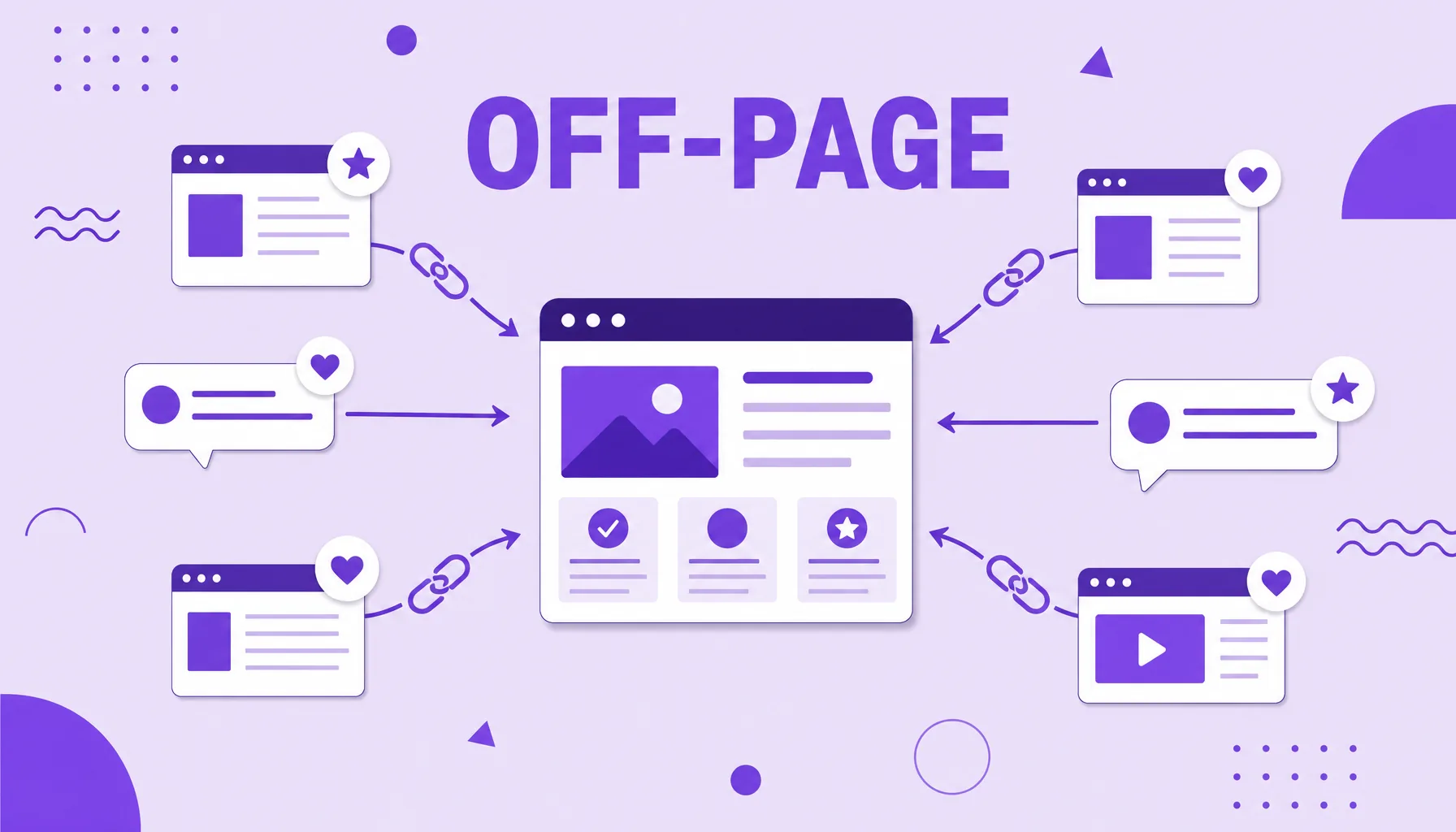
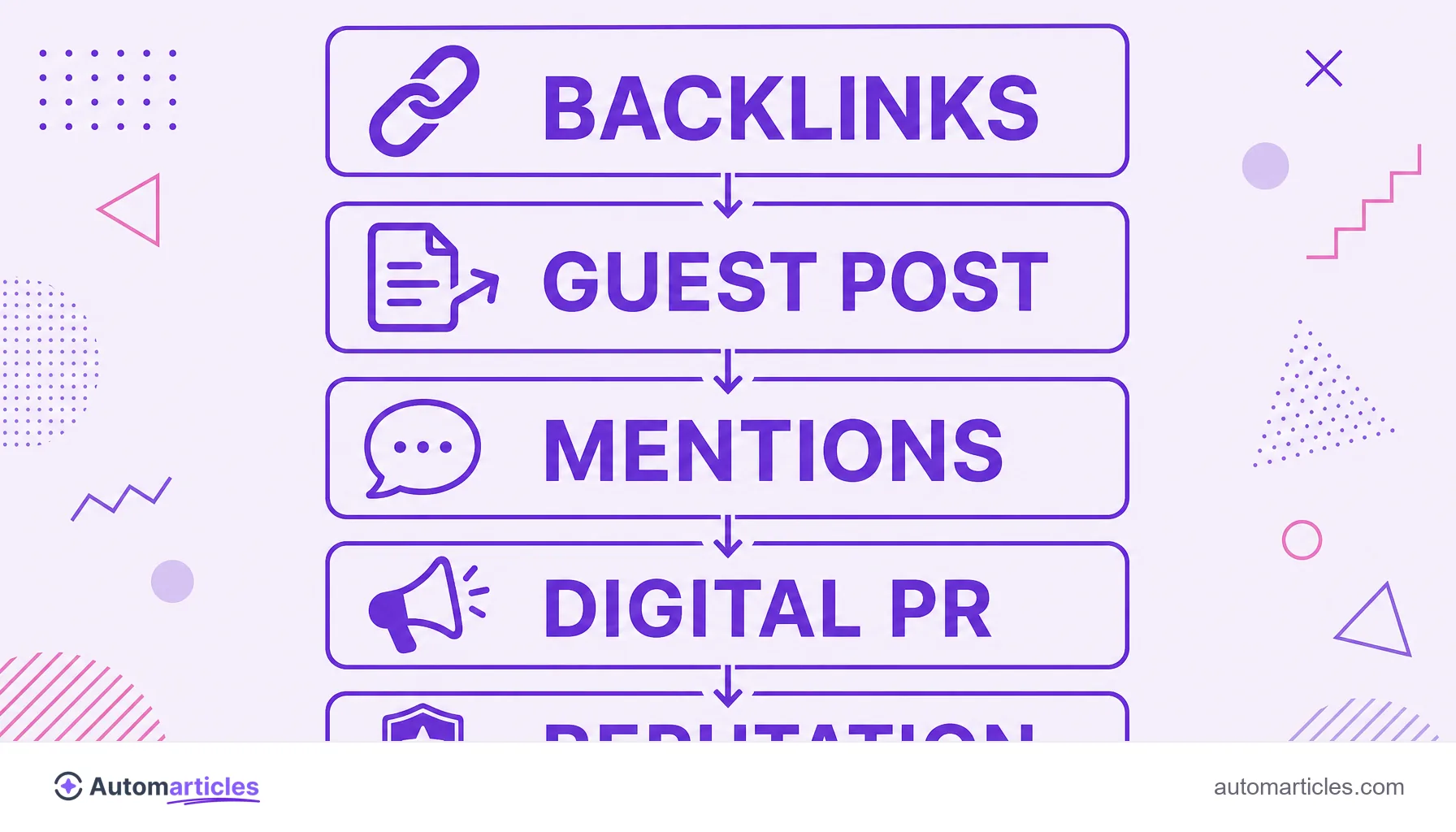
Off-page SEO is the optimization done outside your site to earn authority in search engines. The main fronts are:
- earning backlinks from relevant sites;
- generating brand mentions and citations;
- doing guest posts and digital PR;
- building reputation and trust online.
What off-page SEO is
Off-page SEO is the set of optimization techniques performed outside your site to improve its position in search results. If on-page SEO takes care of everything you control inside the page, such as content, titles and structure, off-page takes care of the reputation your site earns across the rest of the web.
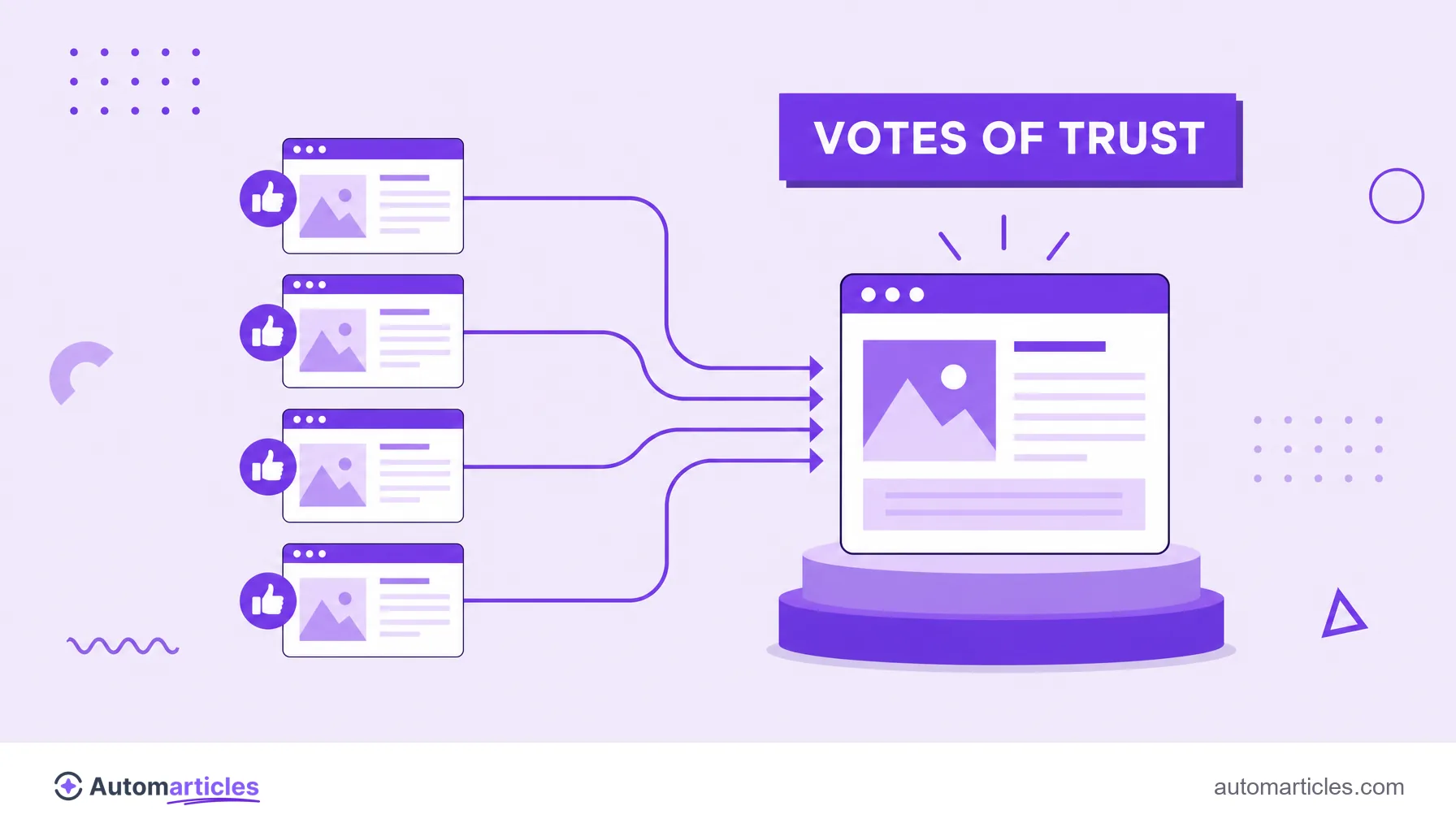
The main character here is the backlink, a link from another site pointing to yours. Each relevant backlink works as a vote of confidence: it signals to Google that other pages consider your content good enough to recommend. Beyond links, brand mentions, reviews, social media presence and everything that builds authority outside your domain also count.
In short, off-page answers a question the search engine asks all the time: beyond you saying you are good, who else on the internet trusts you?
On-page, off-page and technical: the types of SEO
It is common to hear that there are four big fronts of SEO. Understanding where off-page fits helps you build a complete strategy:
- On-page SEO: optimizations inside the page, such as content, keywords, titles and reading experience.
- Off-page SEO: signals external to the site, mainly backlinks, mentions and reputation.
- Technical SEO: the foundation of crawling and indexing, which technical SEO handles with speed, architecture and clean code.
- Local SEO: optimization for searches with geographic intent, the ground of local SEO and the business profile on the map.
The four work together. Without a solid technical base and good on-page content, links from outside pay off less. And without off-page, even the best page struggles to overtake already established competitors.
Since this entry is about off-page, it helps to place it side by side with on-page, the front it is most often confused with:
| Criterion | On-page SEO | Off-page SEO |
|---|---|---|
| Where it happens | Inside your site | Outside your site |
| Under your control | Full, you edit the page | Partial, it depends on other sites |
| Main actions | Content, titles and internal links | Backlinks, mentions and relationships |
| What it builds | Page relevance and clarity | Domain authority and reputation |
| Speed of results | Faster to adjust | Slower, earned over time |
Why off-page SEO matters: the weight of backlinks
Backlinks remain among Google's strongest ranking factors, and the data shows why. In a study of 11.8 million search results, Backlinko found that the result in the first position has, on average, 3.8 times more backlinks than those appearing from the second to the tenth position.
The catch is that most sites simply have no links. An analysis of over one billion pages by Ahrefs showed that 66.31% of them receive no external backlink at all. In other words, earning even a handful of relevant links already puts your page ahead of two thirds of the web.
The practical reading is encouraging: since few really invest in off-page, consistent work on earning links and mentions can create a large competitive advantage, especially combined with the gain in domain authority over time.
Main off-page SEO techniques
Off-page SEO goes far beyond going around asking for links. The most solid tactics build authority naturally:
- Link building: the active and strategic pursuit of quality backlinks is the heart of off-page, and link building gathers the tactics to get those links.
- Guest posts: publishing content on relevant sites in your niche generates links and exposure, something the guest post organizes as a strategy.
- Digital PR: being a source for articles and studies earns valuable editorial links, among the most respected by Google.
- Brand mentions: appearing on other sites, even without a link, reinforces your reputation and brand recognition.
- Linkable content: original data, complete guides and free tools attract links spontaneously.
Notice the common thread: almost all of these tactics depend on creating something worth citing. In the end, the best backlink generator is content that people genuinely want to recommend.
Quality vs quantity: what makes a good backlink
Not every link has the same value. A handful of backlinks from strong, relevant sites weighs more than hundreds of irrelevant or suspicious links. The main quality signals are:
- Source authority: links from trustworthy sites are worth more, something tools measure with metrics like Domain Rating.
- Topical relevance: a link from a site in your niche communicates more context than a random link.
- Anchor text: a descriptive anchor text helps the search engine understand what the destination page is about.
- Link type: a dofollow link passes authority, while a nofollow one signals to Google not to pass that value.
Chasing volume at any cost is risky. Buying links or using artificial schemes violates Google's guidelines and can lead to a penalty. In off-page, the safe path is always to prioritize earned links, from real sources.
Off-page SEO and reputation: the link to E-E-A-T
Behind all off-page there is a bigger idea: reputation. Google wants to deliver content from trustworthy sources, and the signals from outside your site are one of the ways to measure that trust.
This is where off-page talks to E-E-A-T (experience, expertise, authoritativeness and trust). Backlinks from respected sources, mentions in industry outlets and a consistent presence reinforce that your brand is a reference, not just another site. That same reputation is starting to count for AI search engines too, which consider the brand mention in AI when deciding whom to cite.
That is why the best off-page SEO is not an isolated trick, but the consequence of building a brand that the whole web has reasons to cite. Authority is not bought, it is earned over time.